Bacteria generally won't grow on copper pennies because copper releases ions that kill or disable bacterial cells on contact, and because the penny surface also lacks the sustained moisture and nutrients bacteria need to multiply. A bacterium that lands on a copper penny isn't in a growth-friendly environment in any meaningful sense. It's fighting a surface that's actively working against it, and it almost always loses that fight within minutes to hours.
Why Bacteria Will Not Grow on Copper Pennies

Marcus Reeves
14 Jun 2026
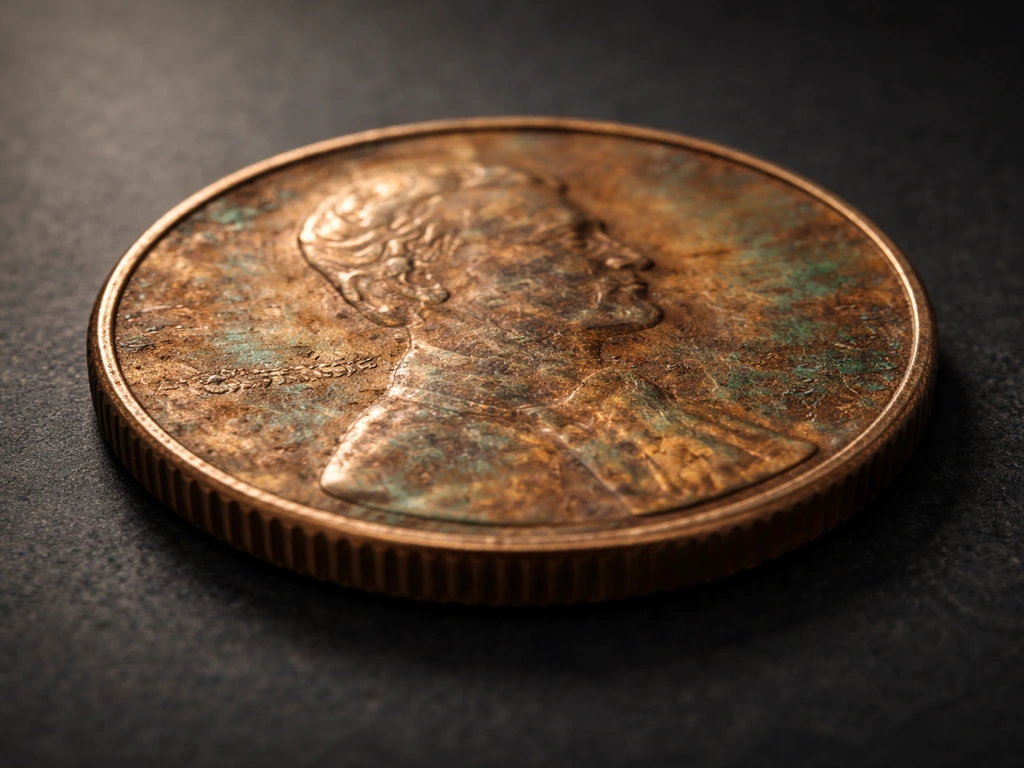
What copper pennies change on contact
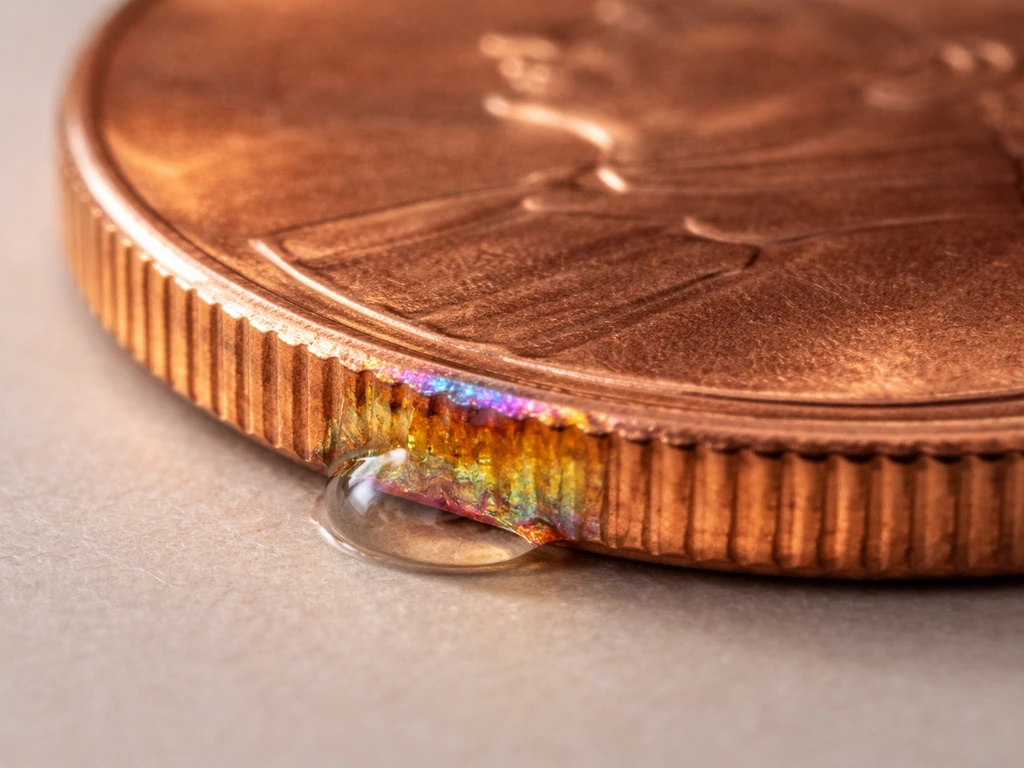
The moment bacteria make contact with copper, the surface starts releasing copper ions (Cu+ and Cu2+). This isn't a passive effect. Copper is chemically reactive enough that even at room temperature, ions migrate from the solid surface into any moisture film present, and from there into bacterial cells. The rate at which this happens depends on surface conditions, especially how wet the surface is, the local pH, and what other chemicals are present. Chloride ions, for example, are known to increase copper solubility, which means more ions become available faster. This initial ion release is what sets everything else in motion.
It's also worth noting that modern US pennies (post-1982) are zinc cores with a thin copper plating, not solid copper. The copper layer is still thick enough to release ions and provide antimicrobial activity on contact, but heavy wear or scratching that exposes the zinc core can reduce that effect in specific spots. Pre-1982 pennies are 95% copper and behave more like a solid copper surface throughout.
Copper's antimicrobial mechanism: ions, membrane damage, and oxidative stress
Once copper ions enter the picture, they attack bacteria through several overlapping mechanisms, which is part of why resistance to copper is so hard for microorganisms to develop. The three main pathways are membrane disruption, enzyme and DNA interference, and reactive oxygen species (ROS) generation.
Membrane disruption
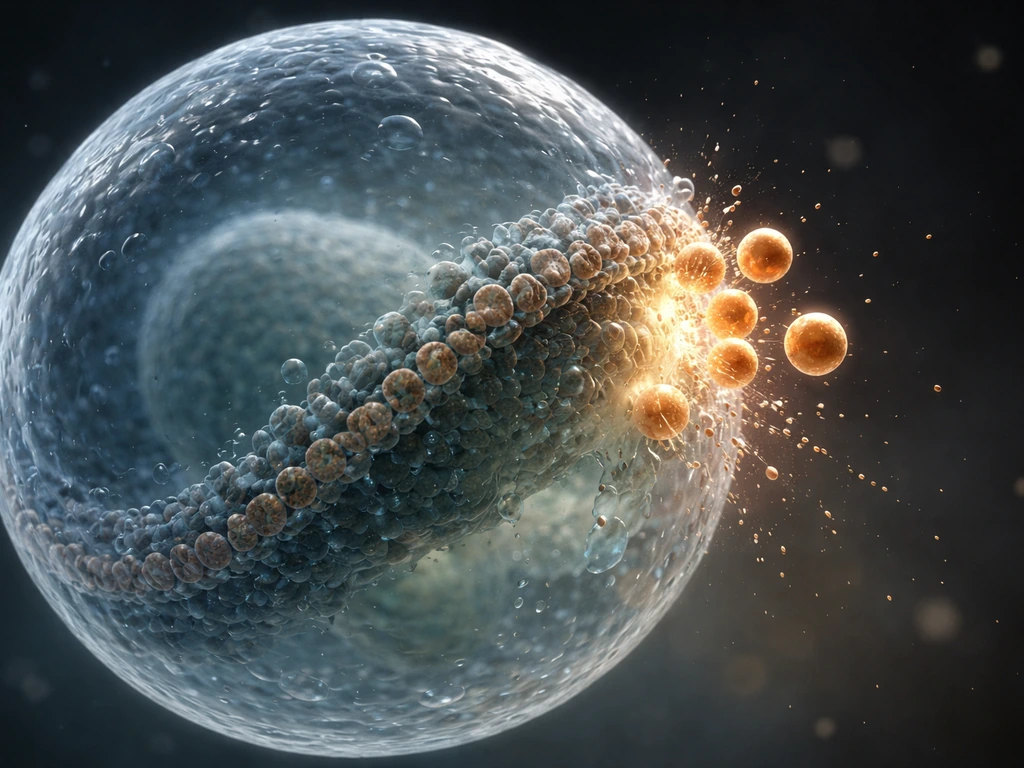
Copper ions punch holes in bacterial cell membranes. The outer envelope of a bacterial cell is its first line of defense, and copper ions destabilize the lipid and protein structures that hold it together. Once the membrane is compromised, the cell starts leaking its contents and can no longer maintain the internal chemistry it needs to function.
Enzyme and DNA interference
Copper ions that get inside the cell bind to proteins and enzymes in ways that shut them down. Many enzymes rely on specific metal ions (like iron or zinc) to work correctly. Copper displaces those ions and renders the enzymes non-functional. Copper ions also damage bacterial DNA and RNA, interrupting replication and protein synthesis. A cell that can't replicate its DNA can't divide, and a cell that can't synthesize proteins can't repair damage or sustain metabolism.
Reactive oxygen species

Copper catalyzes reactions that produce reactive oxygen species, highly unstable molecules that cause oxidative damage inside the cell. This is sometimes called the Fenton-like reaction. ROS attack lipids, proteins, and nucleic acids indiscriminately, accelerating cell death. Some chelating agents and antioxidant compounds in the environment can partially quench this effect, which is one reason why dirty or heavily contaminated surfaces don't work as well.
What a penny surface provides vs. what bacteria actually need
Even setting aside the copper chemistry, a dry penny just isn't a hospitable environment for bacterial growth. To multiply, bacteria need moisture (water activity above roughly 0. You generally should not expect bacteria to grow on ice, because cold temperatures greatly slow or stop growth and the bacteria still need liquid water, nutrients, and favorable conditions moisture (water activity. 91 for most pathogens), a usable carbon and nitrogen source, a suitable temperature range (most pathogens grow between 40°F and 140°F / 4°C and 60°C), and a pH that's not too acidic or too alkaline. A clean, dry copper penny provides almost none of those things except temperature.
| Growth condition | What bacteria need | What a copper penny provides |
|---|---|---|
| Moisture (water activity) | Above ~0.91 for most pathogens | Near zero on a dry surface |
| Nutrients | Carbon, nitrogen, minerals | None (unless contaminated with residue) |
| Temperature | 40°F to 140°F (4°C to 60°C) for most pathogens | Ambient temperature (could be in range) |
| pH | Roughly 4.5 to 9.0 for most species | Copper surface tends toward slightly acidic due to oxidation |
| Antimicrobial challenge | None ideally | Active copper ion release (hostile environment) |
The combination of no moisture, no nutrients, and active copper ion release stacks the odds overwhelmingly against bacterial growth. Even if one condition were slightly favorable, the others cancel it out. This is why researchers consistently find that copper alloy surfaces reduce viable bacterial counts by more than 99.9% within two hours under typical conditions.
Won't grow vs. might still survive: an important timing distinction
There's a difference worth understanding here: bacteria not growing on copper is not the same as bacteria dying instantly on copper. Contact killing on copper surfaces typically happens within 15 minutes to 2 hours for most common bacteria, depending on the species, the copper alloy, moisture levels, and how many cells are present initially. During that window, cells that land on the surface are being disabled and killed, but they haven't necessarily vanished yet.
In wet conditions, the process is faster because more copper ions dissolve into the moisture film and reach bacterial cells quickly. On a dry surface, ion release is slower, which means survival times can extend a bit longer, though growth still doesn't happen. Mechanistic experimental work on wet versus dry copper contact emphasizes that copper ion release is a limiting factor in surface efficacy and that chelation or ROS quenching can affect viability outcomes ion release is slower. The practical takeaway is that a penny that just touched a contaminated surface isn't sterile in the next 30 seconds, even though it's working against any bacteria present.
This timing distinction matters a lot when you compare copper to other surfaces. On stainless steel, glass, or plastic, bacteria can survive for hours to days because there's no active antimicrobial chemistry working against them. On copper, the clock is running from the moment of contact.
Real-world factors that complicate the picture
Copper's antimicrobial properties are real, but they're not magic. Several real-world factors can reduce or delay their effectiveness, and these are the cases where contamination risk actually exists.
Skin oils and food residue
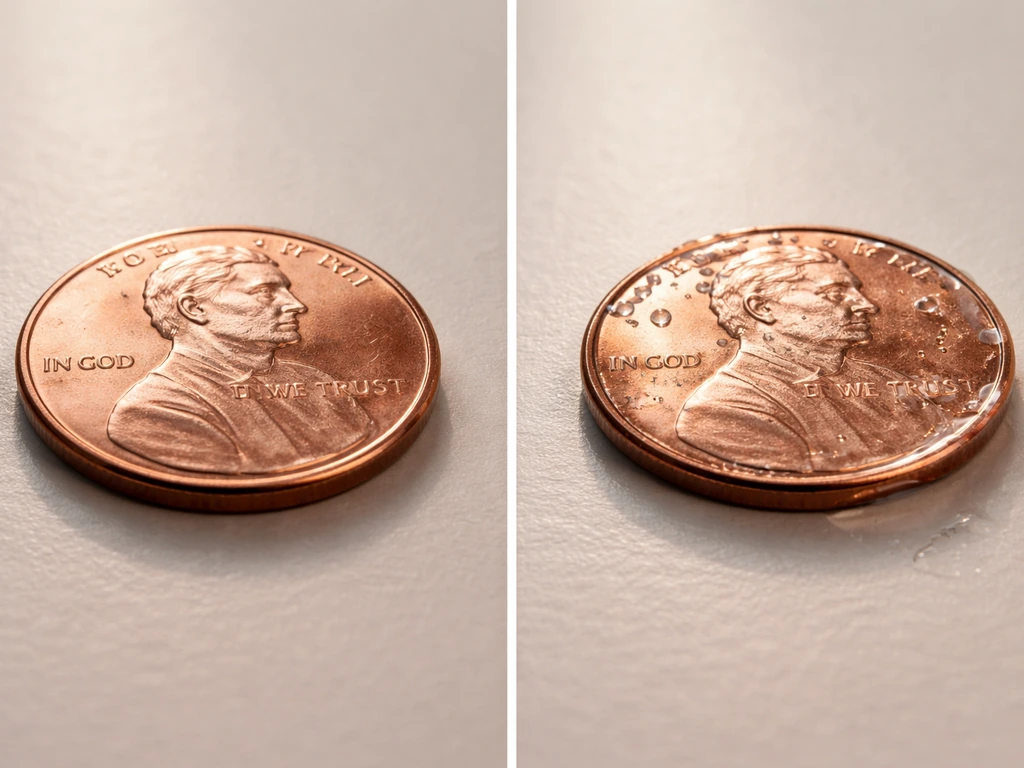
Pennies pass through a lot of hands. Every touch deposits skin oils, sweat, and sometimes food residue onto the surface. These organic compounds act as a physical barrier between bacteria and the copper surface, and they can also act as nutrients that bacteria would otherwise lack. A visibly greasy or dirty penny is a meaningfully different environment from a clean one. The contamination doesn't make it safe for bacterial growth, but it does slow down copper's contact-killing effect.
Moisture and humidity
Even a thin film of water changes things. High humidity, condensation, or direct exposure to liquid (like a penny sitting in a puddle or at the bottom of a wet bag) creates the moisture environment that both speeds up copper ion release and, more importantly, provides the water activity bacteria need to function. While copper ions will still be working, wet conditions give bacteria a brief window of potential activity before copper kills them.
Biofilm formation on compromised surfaces
Biofilms are structured communities of bacteria encased in a self-produced matrix. On clean copper, biofilm formation is strongly inhibited because the surface continually releases ions that disrupt cell adhesion and signaling. However, if a copper surface becomes coated with organic matter, tarnish products, or other materials that physically block copper ion release, the protection weakens significantly. Heavily oxidized or lacquered copper surfaces (some decorative coins are lacquer-coated) lose much of their antimicrobial advantage. This same logic applies to other copper-containing surfaces around the home or kitchen.
The pathogen species matters
Not all bacteria respond identically. Gram-negative bacteria (like E. coli and Salmonella) tend to be killed more quickly on copper than Gram-positive bacteria (like Staphylococcus aureus or vancomycin-resistant enterococci) in some studies. Spore-forming organisms are more resistant still because bacterial spores don't have the same vulnerable membrane structures that copper ions target. This doesn't mean copper fails against these organisms, but it does mean contact time and surface cleanliness matter more when dealing with tougher species.
What to actually do: cleaning, disinfection, and food-safety takeaways
Understanding copper's antimicrobial properties is useful, but it shouldn't translate into treating copper pennies as sterile objects or food-safe tools. Here's how to think about this practically.
Cleaning copper surfaces effectively
For copper kitchen items (pots, trays, countertop inserts), the CDC's cleaning guidance applies directly: clean visibly dirty surfaces before attempting to disinfect them. Soap and water first, then a disinfectant with an EPA-registered label and a clearly stated contact time. You can't disinfect a greasy surface effectively because the organic load blocks the active ingredients, whether those ingredients are copper ions or a chemical disinfectant. Rinse thoroughly after cleaning to avoid leaving residues that could interfere with ion release over time.
Don't rely on pennies for food safety
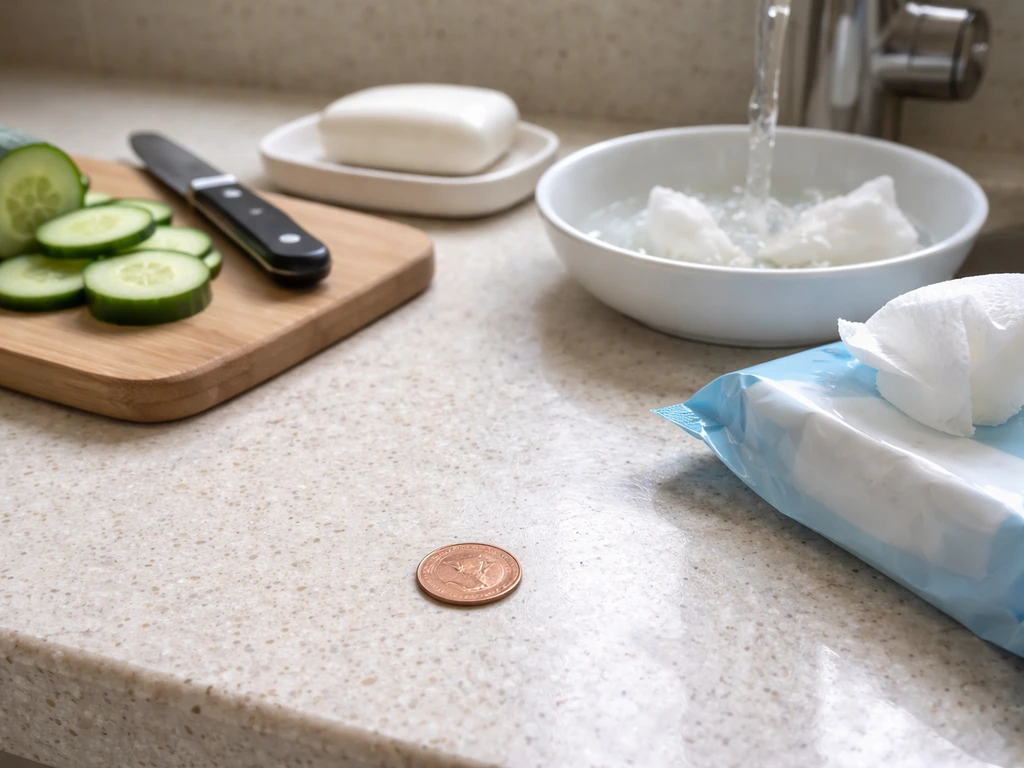
Pennies are not food-safe tools. They pass through many hands, they accumulate contamination, and their antimicrobial effect takes time. Using a penny to somehow 'sanitize' food or a food surface isn't a thing. The antimicrobial chemistry is real, but it applies to the coin itself over time, not to anything the coin touches. Do loofahs grow bacteria because they trap moisture and organic material, which is exactly what microbes need to multiply. If you're handling food after handling coins, wash your hands. That's the actual intervention that matters.
Practical steps when copper surfaces get contaminated
- Remove visible debris and organic matter with soap and warm water first. This step is not optional. Disinfectants and copper ion release both work better on clean surfaces.
- Rinse the surface well and dry it. Drying removes the moisture film that bacteria need to survive, and it prevents corrosion buildup that could coat and insulate the copper surface.
- If you need a disinfectant (for a high-touch surface or after contact with raw meat), use an EPA-registered product, follow the contact time on the label, and let it air dry.
- For heavily tarnished copper items, consider polishing them. A clean, bright copper surface releases ions more readily than a heavily oxidized one. Standard copper cleaners (like those containing mild acids) remove tarnish effectively.
- Don't assume copper is doing the work on its own in a wet, contaminated environment. The surface needs to be reasonably clean and dry to perform well over time.
How this fits into broader contamination thinking
Copper's antimicrobial properties are well-documented and genuinely useful in settings like hospital door handles, food processing surfaces, and plumbing. But they're one layer of a broader contamination-prevention strategy, not a substitute for basic hygiene. The same logic applies to other surfaces where bacterial growth is a concern: whether you're thinking about whether bacteria can survive on wood cutting boards, grow in water bottles, or thrive on other everyday materials, the core question is always the same: what does the surface provide or deny in terms of moisture, nutrients, pH, temperature, and active inhibition? Copper denies almost all of it, which is why it works.
The bottom line is straightforward. Bacteria won't grow on copper pennies because the copper chemistry attacks them, and because the surface environment is too dry and nutrient-poor to support multiplication. Bacteria can briefly survive on pennies before dying, especially if the surface is dirty or wet. That same idea helps explain whether bacteria can grow in soda, since sugary drinks can provide nutrients and moisture that other surfaces do not Bacteria can briefly survive on pennies. Whether do port wine stains grow? It helps to understand how moisture and surface conditions influence biological activity in the first place. Keep copper surfaces clean and dry, don't use coins as food-safety tools, and use soap and an appropriate disinfectant when contamination actually occurs. Similarly, on wood cutting boards, moisture and residue can let bacteria persist, and proper cleaning is what matters for preventing buildup.
FAQ
If bacteria do not grow on copper pennies, does that mean the pennies are “sterile”?
No. Copper can kill or disable bacteria on contact, but it does not make a penny sterile, especially if it was recently handled, wet, or visibly dirty. Treat it as contaminated until you clean and disinfect hands or the actual food-contact surface.
Does bacteria kill happen on copper pennies more slowly when the penny is dry?
Moisture speeds up copper ion release by providing a conducting film, and it also raises water activity, which gives bacteria a brief chance to remain metabolically active before being killed. That means a wet penny is riskier than a clean, dry one, even though growth still generally does not take off.
What happens if a penny is in the freezer, does that guarantee no bacteria survive?
Cold temperatures can reduce bacterial survival time less than people expect, because the cells may stay viable even if they are not dividing. The bigger issue is that freezing does not remove contamination, it just slows biological processes.
Do worn copper pennies still kill bacteria as well as new ones?
Scratching or heavy wear can expose the zinc core in modern (post-1982) pennies, which can reduce the antimicrobial effect in those damaged spots. The penny still has some copper activity from the remaining plating, but protection can become patchy.
Are spores like Bacillus or Clostridium handled differently on copper surfaces?
Yes. Spore-forming organisms can survive longer than typical non-spore bacteria because their protective structures are harder to damage quickly. Copper still acts, but the time window for survival can be longer and cleanliness matters more.
What’s the safest way to handle a penny that touched raw meat or a bathroom surface?
You should assume the contamination is real but transient. If a penny touched raw food or a dirty surface, the safe move is to wash hands with soap and water, then clean the food-contact area normally. Do not rely on copper’s chemistry as the “sanitizing” step.
How do skin oils or food residue on a penny change the antimicrobial effect?
Organic residue, such as skin oils, grease, or food particles, can form a barrier that limits contact between microbes and copper ions. It can also add nutrients that partially offset the penny’s nutrient-poor environment.
Can tarnish or lacquer on a copper coin reduce its antimicrobial properties?
A thick, persistent coating that physically blocks ion release, or a protective lacquer/tarnish layer that limits exposure to moisture, can reduce contact killing. Light tarnish usually does not eliminate the effect, but heavily coated decorative copper items can perform differently.
Why might studies report no growth on copper while germs can still be detected briefly?
Not necessarily. Low initial contamination can be too small to detect as “growth,” but viable cells may still be present for a short period after contact. “No growth” and “no organisms detected” are different outcomes.
If I touched copper pennies, is hand sanitizer enough before eating?
Hand sanitizer is not a substitute here. If you touched coins and then food, the reliable step is washing hands with soap and water, especially if your hands feel greasy or are visibly dirty.
Next Article
Can Bacteria Grow in Soda? What Affects Survival and Growth
Learn if bacteria can multiply in soda and how acidity, sugar, preservatives, oxygen, and temperature affect survival an