What controls whether bacteria actually grow on fabric
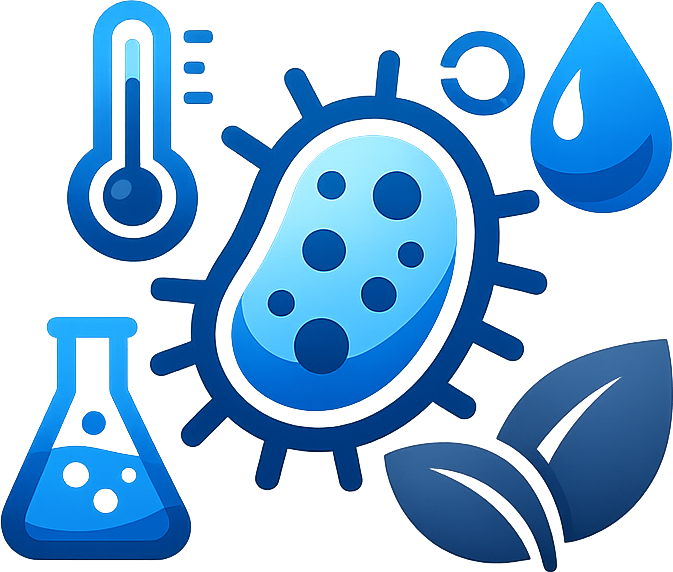
Five environmental factors determine whether bacteria on linen stay dormant or start multiplying. You can think of these as the levers you control when you handle and store laundry.
Moisture and water activity
This is the biggest factor. Bacteria need free water to grow. A damp towel or a wet sheet balled up in a hamper creates exactly the kind of humid microenvironment that allows bacteria to multiply. The longer linen stays wet or damp, the more opportunity there is for growth. Fully dried linen dramatically reduces that risk, which is why drying is just as important as washing.
Temperature
Most bacteria that matter in everyday settings grow best between about 20°C and 37°C (68°F to 98.6°F), which unfortunately overlaps with room temperature and body temperature. Linen left in a warm bathroom or a hamper in a heated room sits right in that growth range. Cold storage slows growth significantly, but it does not kill bacteria already present.
Nutrients from organic residue
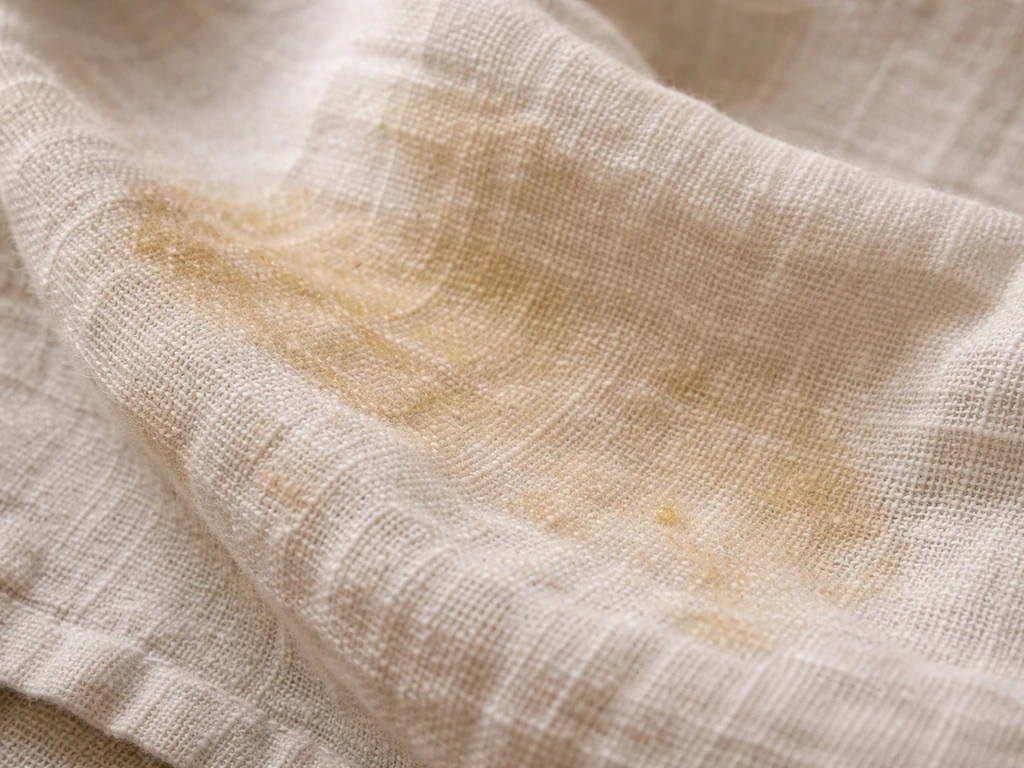
Clean linen has little to offer bacteria in terms of nutrition. But sweat, skin cells, body fluids, food and drink spills, and other organic residues change that equation. Once those nutrients are present and the fabric is damp, bacteria have everything they need. Athletic wear and bedding used by sick people carry the highest nutrient load of everyday scenarios.
Oxygen
Most common environmental bacteria are aerobic or facultative, meaning they grow well with oxygen available. Fabric is porous and oxygen-rich, so it does not restrict aerobic organisms. Anaerobic species can also survive in tightly bundled or compacted laundry where airflow is low, though active growth of strict anaerobes on linen is less common in everyday settings.
pH and chemical residues
Detergent residue, bleach, or even naturally acidic sweat can shift the surface pH of fabric and create a less hospitable environment for bacteria. This is partly why fresh detergent-washed linen that is properly rinsed carries lower microbial loads even before drying. On the flip side, if linen is just rinsed with water but not fully washed, the pH stays closer to neutral and bacteria are more comfortable.
Survival vs. active growth: how long bacteria can persist on linen
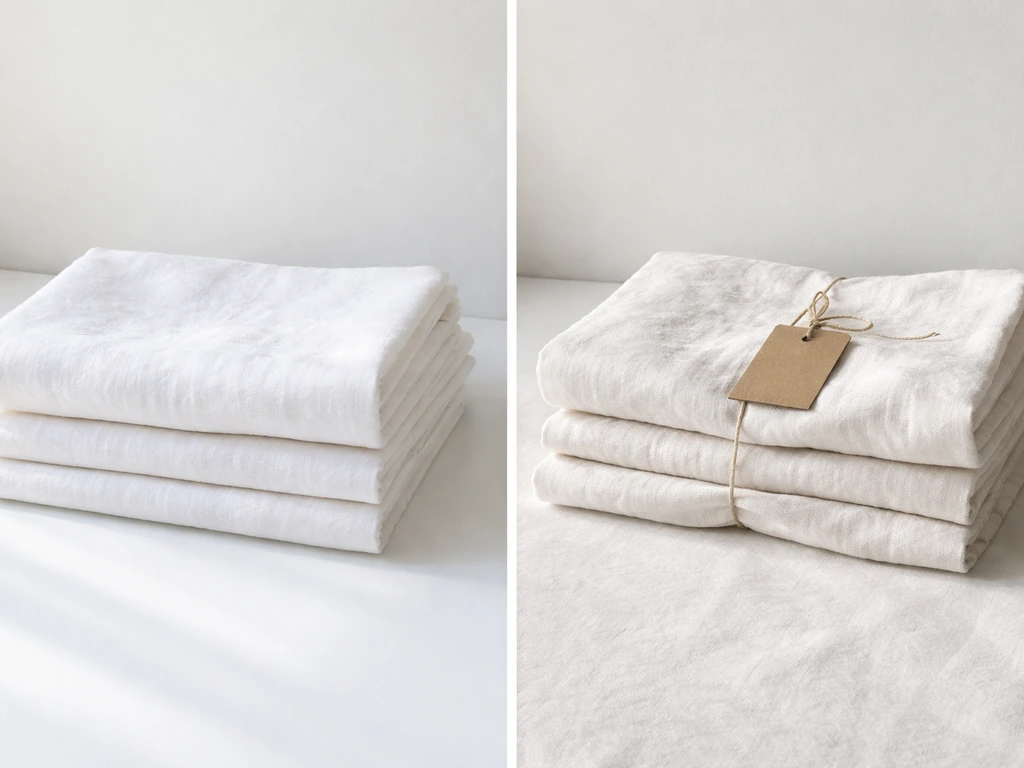
Here is what most people do not realize: bacteria can persist on dry fabric for a surprisingly long time even when they are not actively growing. Research on healthcare fabrics found that even a few hundred bacteria survived for days on most tested fabrics under dry conditions. A separate study on healthcare-uniform textiles found that both E. coli and Staphylococcus aureus could survive on cotton and polyester for up to three weeks, even after low-temperature laundering. That last point is the one worth sitting with: washing at low temperatures does not reliably kill everything.
The practical takeaway is this: bacteria on dry linen are surviving, not thriving. Transfer risk is lower but not zero, especially if the linen then contacts a moist surface, a wound, or someone with a compromised immune system. Damp linen that sits unwashed is a different story entirely because active multiplication can begin within hours when conditions are right. This is the same principle behind why loofahs grow bacteria so readily: a moist, organic-laden surface sitting at room temperature is almost ideal for microbial growth.
Common real-world scenarios and what they mean for risk
Sweat-soaked athletic wear and everyday clothing
This is the most common scenario. Sweat provides water, salts, proteins, and skin lipids that bacteria can feed on. Workout clothes or gym towels left in a bag or hamper for more than a few hours can start developing active bacterial growth. The sour smell that develops is a byproduct of bacterial metabolism, not just sweat itself. Washing promptly and drying fully is enough for routine athletic laundry.
Bedding and towels
Bedding accumulates dead skin cells, body oils, and sweat night after night. A week's worth of bedding at warm room temperature is a meaningful bacterial reservoir. Towels are especially risky because they start wet, get reused, and often stay slightly damp between uses. Both should be washed regularly, and towels should be hung fully open to dry between uses rather than folded or bunched.
Food and drink spills
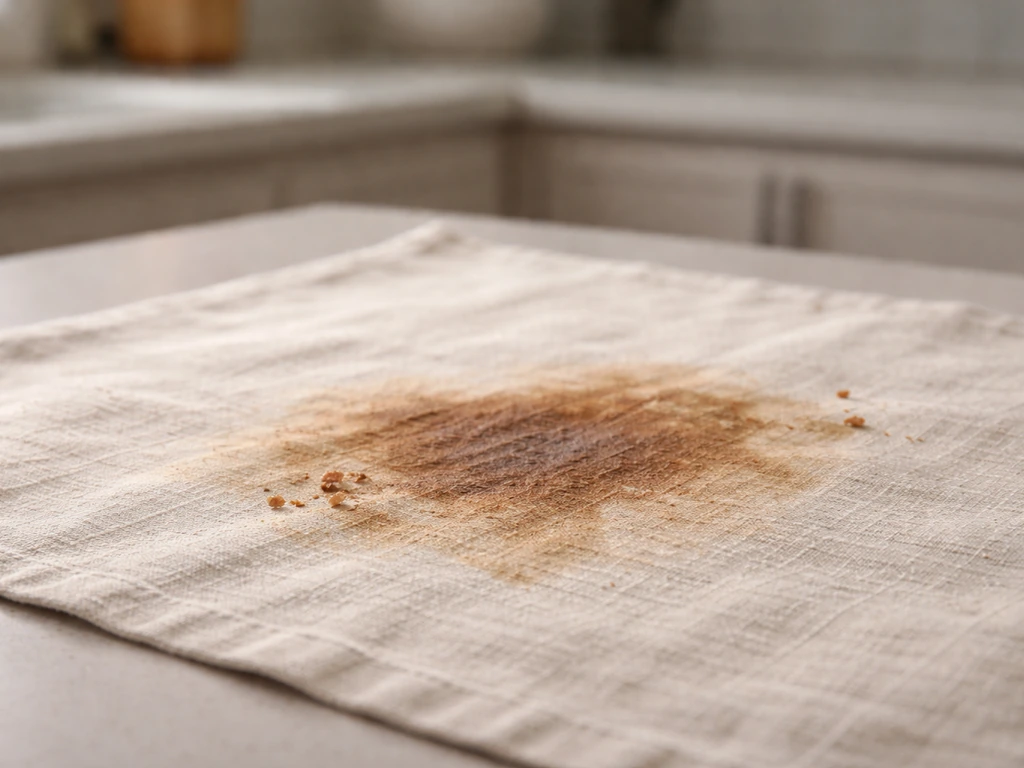
A tablecloth or kitchen linen with food residue soaked in behaves more like a food matrix than bare fabric. This is a higher-nutrient scenario and warrants prompt washing. The same principles that govern microbial growth in other substrates apply here: temperature, moisture, and nutrient load are all elevated. If you have ever wondered whether bacteria can grow in soda, that same nutrient and acidity framework applies when beverage spills soak into linen.
Linen used by sick people
Sheets, pillowcases, and clothing used by someone who is ill with a respiratory or gastrointestinal infection carry a higher pathogen load and require more careful handling. Airborne pathogens can also deposit on fabric surfaces near the bed. This is closer to the healthcare laundry scenario and should be treated with more caution.
Healthcare and high-risk institutional laundry
Linens in clinical or care settings are in a category of their own. They may carry multidrug-resistant organisms, wound exudate, or other high-risk biological material. Standard household laundering may not be sufficient here without specific disinfection steps, which is why healthcare facilities follow strict protocols separate from general laundry guidance.
Which bacteria actually matter and when to be concerned
For most healthy people in everyday settings, the bacteria on linen are skin flora: Staphylococcus epidermidis, Corynebacterium species, and similar organisms that are largely harmless under normal circumstances. The ones worth paying more attention to are Staphylococcus aureus (including MRSA in healthcare or high-contact athletic settings), E. coli from fecal contamination, and Salmonella or other gastrointestinal pathogens when food spills or illness is involved.
Context matters enormously. A healthy adult using their own towels faces very different risk than a caregiver handling soiled linens from someone with an active infection, or a food handler dealing with linen used near raw proteins. The concern is not so much the fabric itself but cross-contamination: bacteria transferring from linen to hands, food contact surfaces, or vulnerable people. This is the same cross-contamination logic that applies when thinking about whether bacteria grow on wood cutting boards, where transfer to food is the primary risk.
You should be more concerned if: the linen was used by someone who is ill or immunocompromised, it contacted raw meat or bodily fluids, it has been sitting damp and warm for more than a few hours, or the person handling it has open cuts or a weakened immune system.
How to stop bacterial growth and properly disinfect linen
Temperature and the hot wash option
Heat is one of the most reliable ways to kill bacteria on fabric. CDC guidance for healthcare settings describes a hot-water laundering method: washing at 70 to 80°C (158 to 176°F) for 10 minutes with an approved laundry detergent. Most residential washing machines do not reach those temperatures by default, so check your machine settings. For everyday household linen, the hottest setting your fabric can tolerate is a reasonable approach. Always check care labels first, especially for delicate linen weaves that may shrink or degrade at high heat.
When cold or warm wash is your only option
Cold and warm water washing is not as reliable for disinfection. The CDC notes that the antimicrobial effect of laundering comes from a combination of mechanical action, thermal effect, and chemical action working together. If you cannot use hot water, you need to lean harder on the chemical side: use an appropriate detergent dose and add a laundry sanitizer or oxygen bleach product according to the manufacturer's directions. Skipping any one of these reduces effectiveness.
Bleach and oxygen bleach
Chlorine bleach is highly effective at disinfecting linen but is not suitable for all fabrics or colors. For white cotton linen that can handle bleach, a standard bleach wash at the recommended dose provides meaningful disinfection beyond detergent alone. Oxygen bleach (sodium percarbonate-based products) is gentler on fabrics and colors and still provides antimicrobial benefit, though it is generally less potent than chlorine bleach on resistant organisms. For sick-person laundry or high-risk scenarios, chlorine bleach on appropriate fabrics is the stronger choice.
Drying: do not skip this step
Tumble drying on high heat adds a second thermal kill step and eliminates the residual moisture that allows any surviving bacteria to grow. Linen that is washed but left in the machine or hung to dry in a humid room can be recontaminated or allow survivors to recover. If you are air-drying, do it in a well-ventilated area with full airflow until completely dry. Do not fold or store linen that is even slightly damp.
When to use a laundry sanitizer product
Products specifically labeled as laundry sanitizers (typically containing benzalkonium chloride or similar active ingredients) are useful when you are washing at low temperatures and need a disinfection boost. Follow label directions exactly, including the rinse cycle placement and minimum contact time. EPA explains that label contact time indicates how long the surface or product must remain wet after application, such as staying visibly wet for at least 10 minutes if the label lists 10 minutes minimum contact time. These are especially worth using for sick-person linen washed in cold water, or for high-contact items like towels and pillowcases during illness.
A quick comparison: washing methods and their effectiveness
| Method | Bacterial kill effectiveness | Fabric safety | Best for |
|---|
| Hot water (70-80°C) + detergent | High | Check care label; may damage delicates | Healthcare-type laundry, sick-person linen, high-risk scenarios |
| Warm/cold water + detergent only | Low to moderate | High, safe for most fabrics | Routine laundry, lightly soiled items |
| Cold/warm water + detergent + laundry sanitizer | Moderate to high | High, safe for most fabrics | Color fabrics that cannot tolerate bleach or high heat |
| Warm/cold water + detergent + chlorine bleach | High | White and bleach-safe fabrics only | Illness recovery laundry, heavily soiled white linen |
| Warm/cold water + detergent + oxygen bleach | Moderate | Good for most colors and fabrics | Color-safe disinfection boost, general higher-risk laundry |
| Tumble dry on high heat (after any wash) | Moderate additional kill | Check care label | Adds second kill step, removes residual moisture |
Safe handling and steps to prevent contamination from spreading
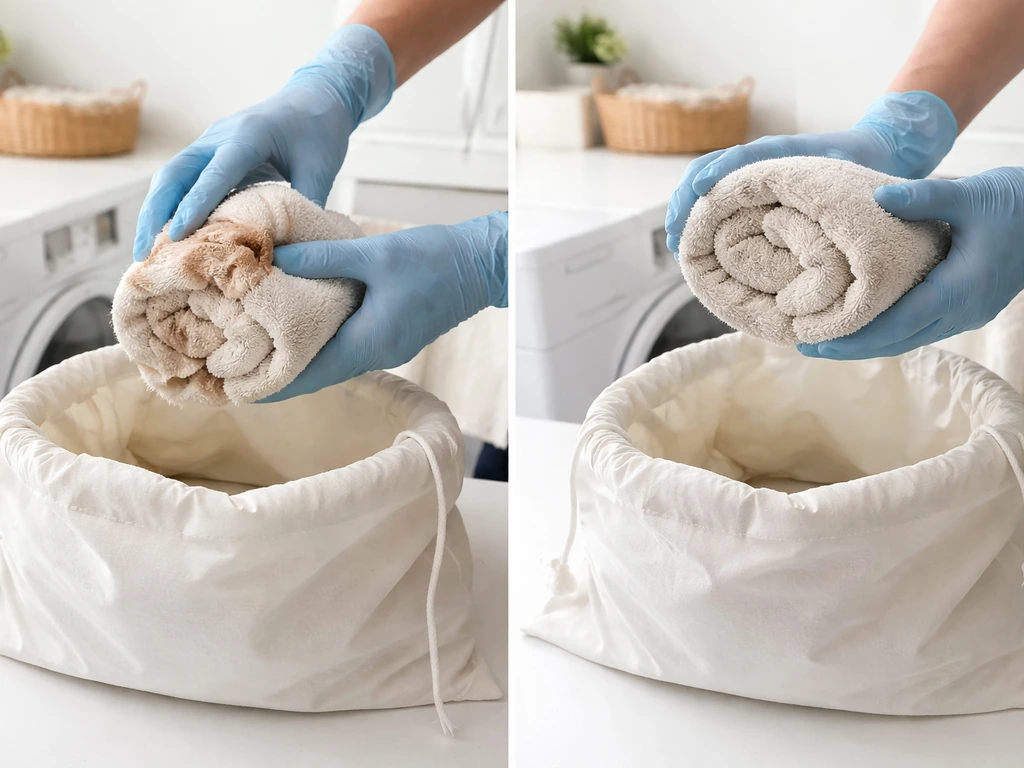
How you handle soiled linen before it reaches the machine matters. CDC guidance specifically says do not shake linen. Shaking disperses bacteria and particles into the air and onto surrounding surfaces. Instead, carefully roll or fold soiled linen inward, keeping the contaminated surfaces contained, and carry it directly to the machine or place it in a bag.
- Do not shake soiled linen. Roll it inward and handle it at arm's length or use gloves for high-risk items.
- Sort linen away from food preparation areas, dining surfaces, and clean laundry. Never sort on a surface you use for food.
- Bag high-risk linen (from sick individuals, healthcare use, or heavy biological contamination) in a sealed bag before transporting it to the washing area.
- Wash hands thoroughly after handling soiled linen before touching anything else.
- Wash soiled linen separately from regular laundry during illness or high-risk situations to avoid cross-contamination in the drum.
- Do not overload the washer. Mechanical agitation is part of how washing removes and kills bacteria, and overcrowding reduces that action.
- Run an empty hot cycle or wipe down the drum if you have washed particularly contaminated items, especially in shared or communal laundry facilities.
- Dry completely before storing. This is non-negotiable. Folding and storing even slightly damp linen creates the exact conditions needed for bacterial growth to begin or resume.
Storage practices that prevent the problem from starting
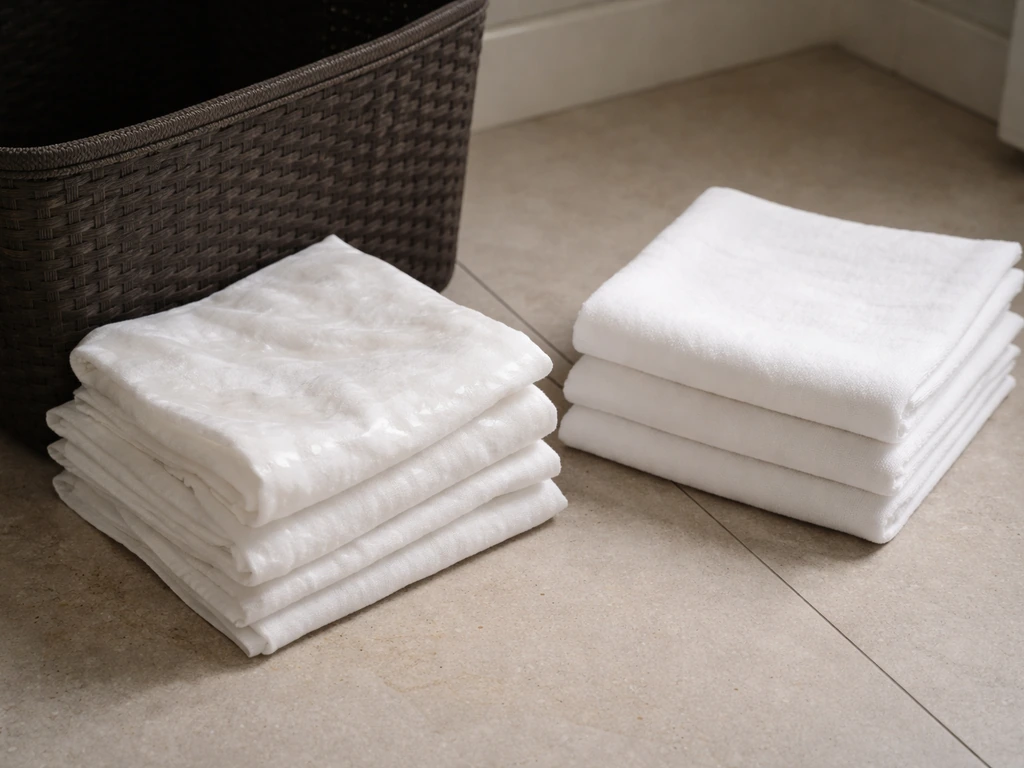
Clean linen stored properly is a very low-risk item. The goal in storage is keeping moisture out. Store in a cool, dry, well-ventilated space. Avoid plastic bins or sealed containers if linen is going in slightly warm from the dryer, as condensation can form inside and create damp spots. Linen closets with some airflow are better than airtight storage for long-term keeping.
Towels and washcloths in bathrooms need to be hung open and given enough time to fully dry between uses. A bathroom with poor ventilation and a balled-up damp towel is a predictable bacterial growth setup. This same moisture logic is why bacteria can grow in water bottles when they are not fully dried between uses.
For athletic or heavily used linen, do not let items sit in a closed gym bag or hamper for more than a day or two. The bag environment traps heat and moisture, accelerating any growth that is already starting. Wash promptly or at least spread items out to dry until you can wash them.
One pattern worth noting: antimicrobial fabrics and surface treatments (like those used in some healthcare textiles) can reduce survival time for bacteria, but they do not eliminate the need for proper washing. They are a supplement, not a substitute. By contrast, surfaces like copper have inherent antimicrobial properties that actively kill bacteria through contact, which is why bacteria have difficulty surviving on copper surfaces in a way that simply does not apply to fabric at all.
Your practical decision framework
Ask yourself three questions: What contaminated the linen? How long has it been sitting, and was it damp? Those same moisture and growth conditions are also what determine whether do port wine stains grow on fabric or skin over time How long has it been sitting, and was it damp?. Who will be in contact with it after washing?
- Routine use, not heavily soiled, washed within a day or two: standard hot or warm wash with detergent and full tumble dry is sufficient.
- Heavily sweated athletic wear or damp towels sitting more than a few hours: hot wash if fabric allows, or add a laundry sanitizer to a warm/cold wash. Dry fully.
- Linen from a sick household member: wash separately, use hot water plus detergent plus bleach (if bleach-safe) or a laundry sanitizer for non-bleachable items. Handle with gloves. Dry on high heat.
- Food spills or raw protein contact: treat as higher risk, wash promptly with hot water and detergent. Do not mix with other laundry until washed.
- Healthcare or clinical context: follow institutional protocols, which typically require the 70-80°C hot water method with approved detergent, or approved chemical disinfection equivalents.
Cold environments do slow bacterial activity, but they are not a kill step in the way heat is. Just as bacteria can survive on ice rather than being destroyed by freezing, cold storage of soiled linen only buys you time: it does not solve the problem. The bacteria are still there, waiting for warmer and moister conditions to resume activity. Wash soiled linen promptly rather than relying on cold air or refrigeration to neutralize the risk.
It is also worth remembering that not all surfaces have the same vulnerability. The reason people worry about why bacteria will not grow on copper pennies is precisely because copper actively kills microbes through contact. Linen has no such property. It is inert, meaning bacteria that land on it simply experience whatever environmental conditions the fabric is in. Your job is to control those conditions, and now you have a clear path to do exactly that.