Yes, bacteria can grow on wood cutting boards. Yes, bacteria can grow on linen under the right conditions, especially when fabric stays moist or holds organic residue. Under the right conditions, common foodborne pathogens like Salmonella, Listeria, and E. coli can survive on wood surfaces and, if moisture and nutrients are present, multiply there. The good news is that with the right cleaning and drying routine, you can keep that risk very low. Because bacteria can also grow when sugary liquids provide moisture and nutrients, you might wonder can bacteria grow in soda if it's left out.
Does Bacteria Grow on Wood Cutting Boards? How to Clean

Marcus Reeves
7 May 2026
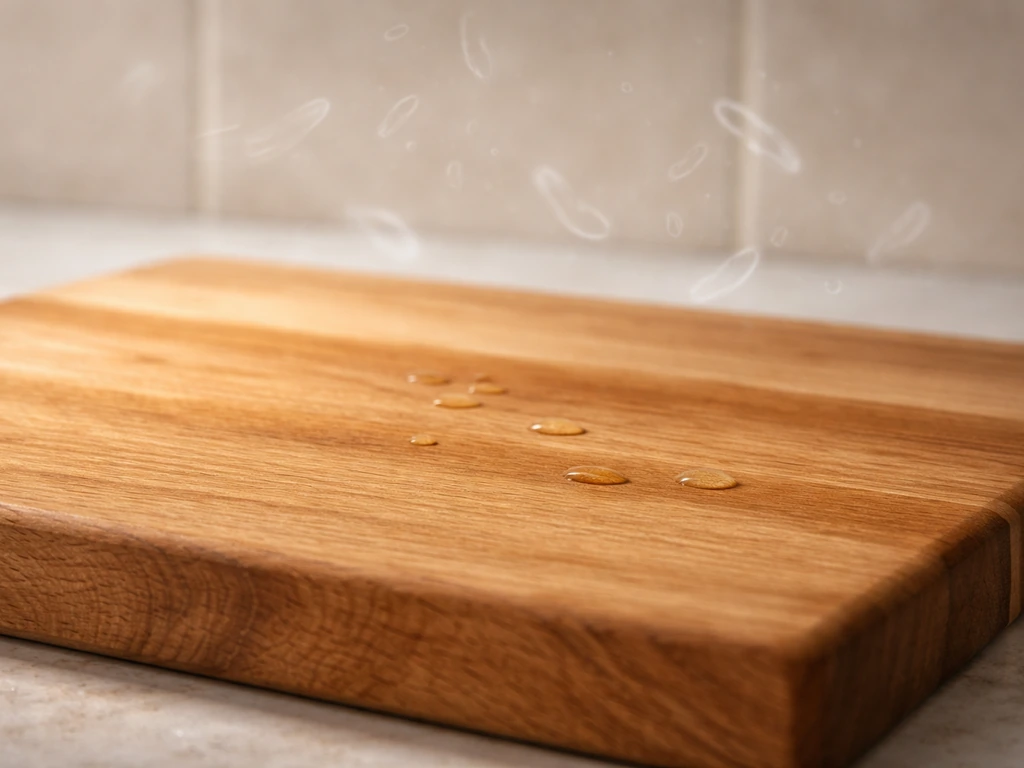
What actually makes bacteria survive (or multiply) on wood
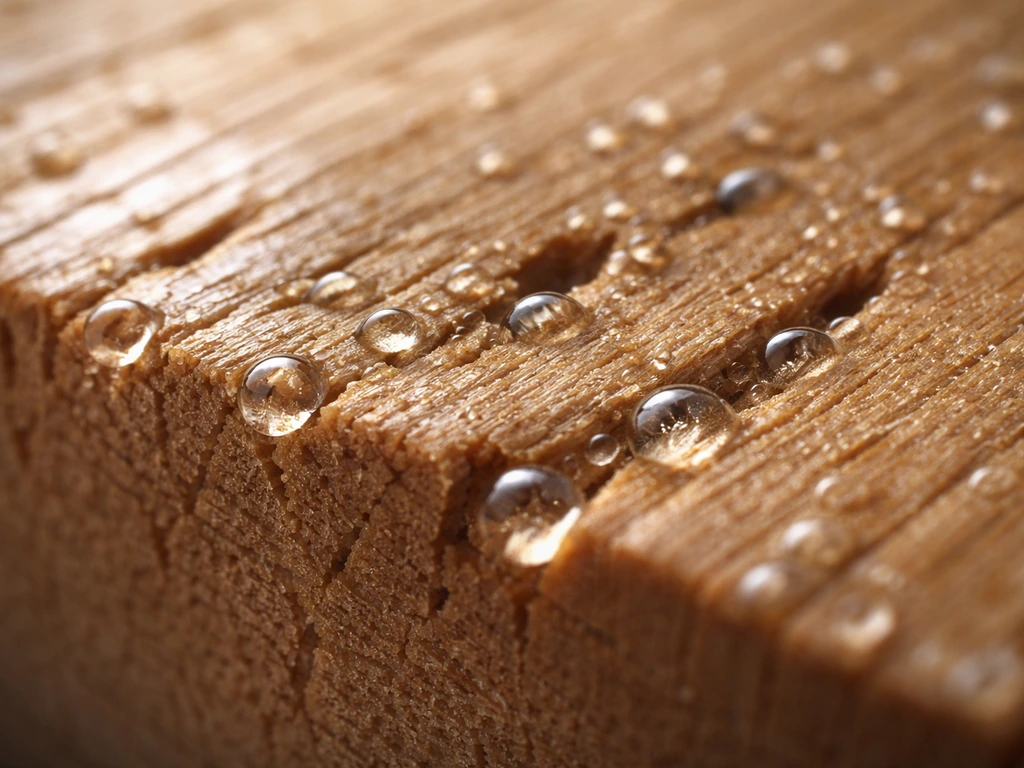
Wood is a porous material, which means it absorbs liquid rather than letting it pool on the surface. That sounds helpful, but it creates a hidden problem: bacteria drawn into the wood's pores are protected from surface cleaning and can remain viable for hours or even longer if conditions are favorable. The five main factors driving microbial survival on any surface, including wood, are moisture, temperature, available nutrients, oxygen exposure, and pH. In the same way, bacteria can grow on ice when temperatures are not as low as people assume and moisture or meltwater is available.
- Moisture: This is the biggest driver on wood boards. A wet or damp board is a hospitable environment. Bacteria need water activity to grow, and wood that hasn't fully dried after use holds onto that moisture deep in its grain.
- Temperature: The danger zone for bacterial growth is between 40°F (4°C) and 140°F (60°C). A board sitting on a counter at room temperature after cutting raw chicken puts you squarely in that range. Notably, Listeria monocytogenes can continue to grow even at refrigerator temperatures near 0°C, which makes cross-contamination from a board to refrigerated ready-to-eat foods a real concern.
- Nutrients: Food residues left on the board, proteins from raw meat, juices from produce, are essentially a growth medium. The more organic matter that remains after a quick rinse, the more fuel bacteria have to multiply.
- Oxygen: Most foodborne pathogens are facultative anaerobes, meaning they can grow with or without oxygen. Bacteria driven into pores where oxygen is limited can still survive.
- pH: Most foodborne pathogens prefer a near-neutral pH, roughly 6.5 to 7.5. Wood itself is slightly acidic, which has a mild inhibitory effect, but food residues tend to neutralize that acidity, bringing conditions closer to what pathogens prefer.
Wood vs. plastic and other cutting board materials
The wood-vs-plastic debate is more nuanced than most people think, and the research doesn't give either material a clean win. What we do know is that they behave very differently at the surface level.
| Factor | Wood | Plastic / Non-porous materials |
|---|---|---|
| Surface porosity | High — absorbs bacteria into grain | Low — bacteria stay on surface |
| Surface availability for growth | Bacteria pulled below surface, less accessible | Bacteria remain on surface, easier to wipe off |
| Effect of cuts and grooves | Grooves trap bacteria; scored boards show higher cross-contamination risk | Grooves also trap bacteria; plastic grooves are harder to clean than they look |
| Drying time | Slower to dry fully; moisture retained longer | Dries faster; less residual moisture |
| Dishwasher safe? | Generally no; warping and cracking create new harborage sites | Usually yes, if labeled dishwasher-safe |
| Sanitizer effectiveness | Surface sanitizing works, but deep pore contamination is harder to reach | Surface sanitizing is reliable on intact surfaces |
| After flood or heavy contamination | Discard — cannot be reliably decontaminated | Non-porous materials may be salvageable with thorough sanitizing |
A key point from research: wood's absorption actually pulls bacteria away from the surface, which can reduce immediate transfer to the next food you cut. But those bacteria can be revived when the board gets wet again. That moisture also matters for other stains, because port wine stains can darken or change when the skin stays moist bacteria can be revived when the board gets wet again. Plastic boards keep bacteria on the surface where they're theoretically easier to clean, but once grooves develop, plastic can harbor just as many organisms. The USDA specifically notes that sanitizing in a dishwasher is only reliable for non-porous boards that are free of cracks and scratches.
The practical takeaway: neither material is inherently safe if you don't clean it properly and replace it when it's worn. If you're drawn to wood for durability or aesthetics, the cleaning steps below matter even more.
Where contamination actually comes from
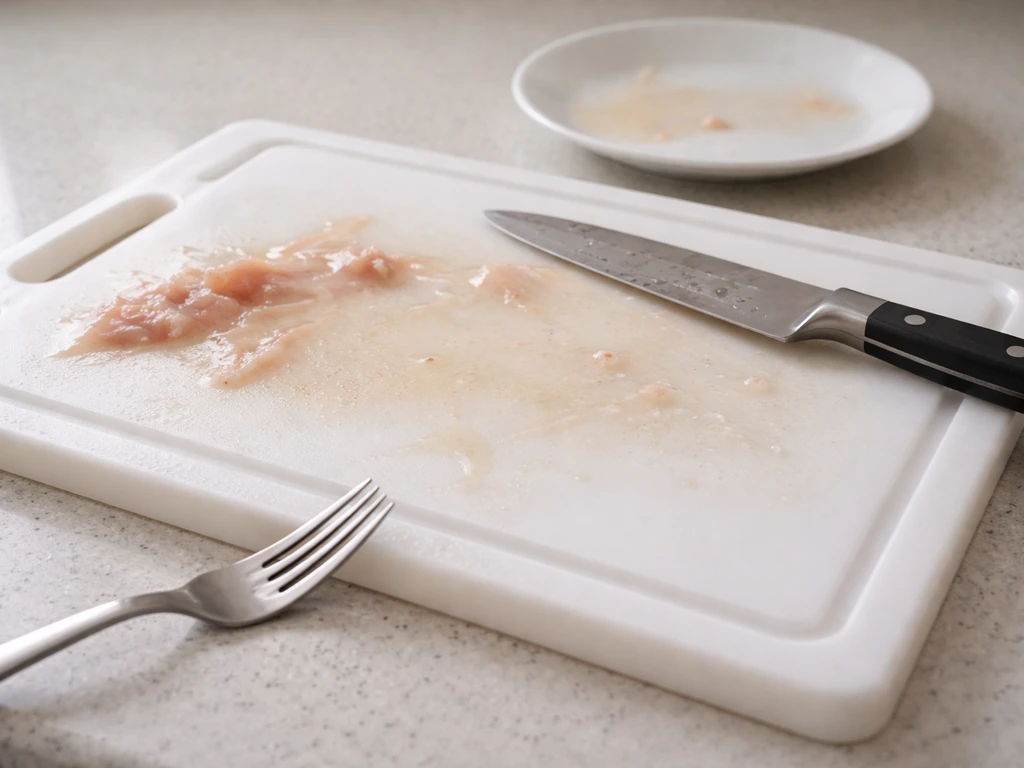
The highest-risk cutting board scenarios in a home kitchen all involve raw animal products or unwashed produce contacting the board surface and then that surface being used for something else without proper cleaning in between.
- Raw poultry is the most consistent source of Salmonella and Campylobacter contamination. Using a wood board to break down a whole chicken and then slicing a tomato on the same surface without washing is a textbook cross-contamination event.
- Raw beef and ground beef carry E. coli O157: H7 risk. Lab studies have specifically used E. coli O157:H7 to test bacterial retention on both wood and plastic boards, confirming the pathogen can survive and be transferred.
- Raw fish and shellfish introduce Vibrio and other pathogens. These also carry norovirus risk if the shellfish is contaminated.
- Raw eggs can deposit Salmonella onto board surfaces, especially if an egg cracks during preparation.
- Unwashed produce, particularly leafy greens, sprouts, and berries, can carry E. coli, Salmonella, or Listeria from field or processing contamination. Cutting unwashed produce directly on the board transfers whatever is on the produce skin to the wood.
- Listeria deserves special attention because it can cross-contaminate other foods via the board and, unlike most pathogens, continues to multiply slowly even at refrigerator temperatures. Cutting deli meats or soft cheeses on the same board used for raw meat is a real risk pathway.
The simplest rule from CDC: use separate boards for raw meat and ready-to-eat foods, and wash the board with hot soapy water after every food item before moving to the next one. That single habit eliminates most cross-contamination risk before it starts.
How to clean and disinfect a wood cutting board correctly
There's a difference between cleaning (removing visible dirt and organic matter) and sanitizing or disinfecting (reducing microbial counts to safe levels). You need both steps, in that order. FDA guidance says you can sanitize by using blank" rel="noopener noreferrer">1 teaspoon of liquid chlorine bleach per quart of clean water and leaving the bleach solution on the surface for about 10 minutes. Applying a sanitizer to a dirty surface doesn't work well because organic matter neutralizes the active ingredient before it can do its job. For disinfecting contaminated surfaces such as cutting boards, CDC recommends using a chlorine bleach solution of 1,000 to 5,000 ppm and leaving it on the surface for at least 5 minutes blank" rel="noopener noreferrer">Applying a sanitizer to a dirty surface doesn't work well because organic matter neutralizes the active ingredient.
- Scrape off food debris immediately after use. Don't let residue sit and dry.
- Wash thoroughly with hot water and dish soap, scrubbing all surfaces including the sides and back. This is the cleaning step and it's non-negotiable.
- Rinse well with hot water to remove soap residue.
- Apply a sanitizing solution. The FDA recommends 1 teaspoon of liquid chlorine bleach per quart of clean water. The USDA and FDA also cite 1 tablespoon of unscented bleach per gallon of water as an effective ratio. These are roughly equivalent (about 50–200 ppm available chlorine for food contact surfaces).
- Let the solution sit on the board surface for the required contact time. FDA guidance says approximately 10 minutes for cutting boards. The surface should remain visibly wet for the full contact time. If it dries before that, reapply. For norovirus-level disinfection, CDC recommends 1,000 to 5,000 ppm bleach concentration with at least 5 minutes of contact time.
- Rinse the board with clean water after the contact time is complete.
- Dry immediately and thoroughly (see the next section).
What doesn't work (and what to avoid)
- A quick rinse under cold water is not cleaning. It removes loose particles but leaves behind enough organic matter and bacteria to matter.
- Soaking a wood board in water or leaving it submerged is one of the worst things you can do. It saturates the wood, drives moisture deep into the grain, promotes warping and cracking, and creates the exact wet environment bacteria need to persist.
- Putting a wood board in the dishwasher is generally not recommended. The combination of heat, prolonged moisture, and harsh detergents warps and cracks wood, and new cracks become permanent harborage sites that are impossible to sanitize.
- Vinegar and lemon juice have some antimicrobial properties but are not registered disinfectants and do not reliably reduce pathogen counts to safe levels on their own. They're fine as a deodorizer after proper cleaning, not as a substitute for it.
- Scented bleach or bleach with added cleaners should be avoided on food contact surfaces. Use plain, unscented liquid chlorine bleach.
Drying, storing, and maintaining the board long-term
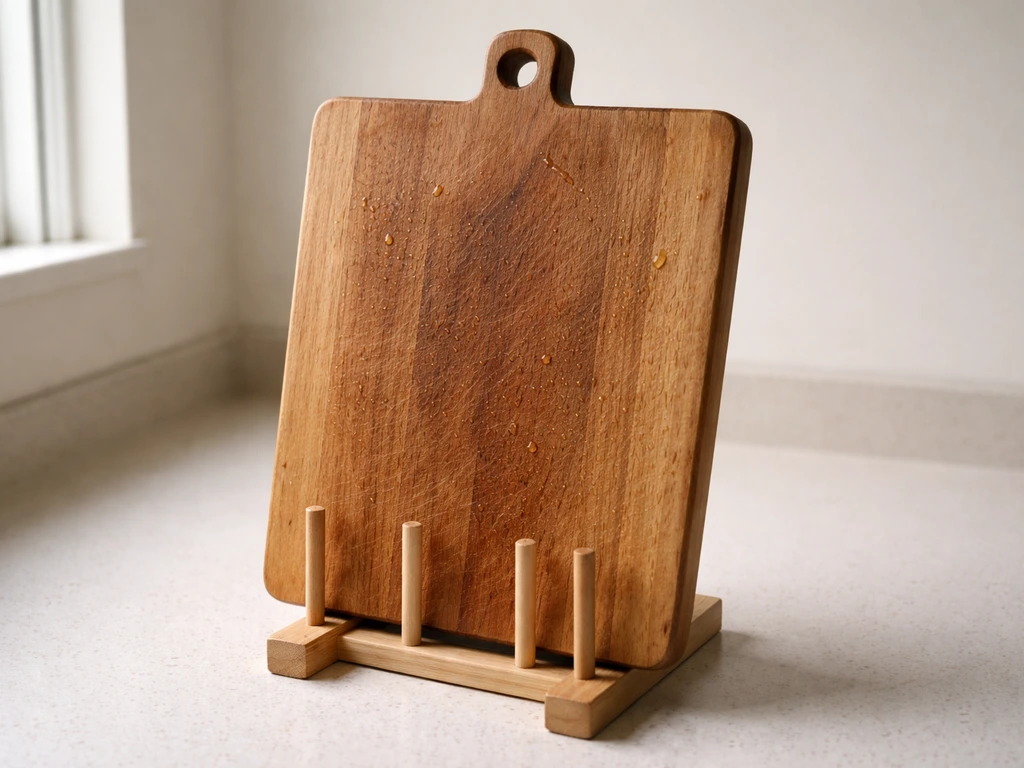
Proper drying is just as important as cleaning. A board that goes back into a cabinet or drawer while still damp will stay moist for hours, giving any surviving bacteria the moisture they need to persist. After washing and sanitizing, stand the board upright or prop it at an angle so air can circulate around both sides. Don't lay it flat on a wet counter or stack it face-down. Allow it to air-dry completely before storing.
For long-term maintenance of wood boards, periodic oiling with food-grade mineral oil helps seal the surface and slows moisture absorption. Apply oil to a completely dry board, let it soak in for several hours or overnight, then wipe off the excess. Avoid vegetable or olive oils, which can go rancid and create their own odor and bacterial substrate. Oiling doesn't sterilize a board, but it does help maintain the wood's surface integrity and reduce cracking over time.
- Store boards upright or in a rack with airflow, not flat in a drawer where moisture collects underneath.
- Keep boards away from the area directly beside the sink where they'll be repeatedly splashed.
- If you use multiple boards, designate one for raw meat and poultry and another for produce and ready-to-eat foods. Color-coding helps.
- Re-oil the board every month or two, or whenever the wood starts to look dry and pale.
When to replace the board and mistakes that speed up that timeline
The FDA explicitly recommends replacing excessively worn cutting boards, including wooden ones. Research on Salmonella survival specifically links heavily scored and grooved boards to greater cross-contamination risk compared to smooth surfaces. The grooves are almost impossible to sanitize reliably because the solution can't reach the bacteria trapped at the bottom of deep cuts.
Replace your wood cutting board when you notice any of the following:
- Deep grooves or cuts that you can feel with your fingernail and that don't come clean after washing
- Persistent odors that remain even after sanitizing, which indicate bacterial or mold activity embedded in the wood
- Cracks or splits in the surface or along the grain, which trap bacteria and are unreachable by any surface sanitizer
- Visible mold or black discoloration that doesn't respond to cleaning
- Warping that makes the board rock on the counter (a hazard risk in addition to a sanitation problem)
The most common mistakes that cause boards to deteriorate faster than necessary are soaking or leaving them wet, putting them through the dishwasher, and neglecting to oil them so the wood dries out and cracks. Each of those mistakes directly creates the kind of surface damage that makes bacterial contamination harder to control. A well-maintained wood board that gets cleaned, sanitized, dried, and oiled regularly can last for years. A board that gets soaked, cracked, and neglected becomes a food safety liability.
One final note: if your board ever comes into contact with floodwater or heavily contaminated water, the FDA's guidance is straightforward: discard it. Because water bottles can collect moisture and residues, bacteria may also grow inside them if they are not cleaned regularly. Wood cannot be reliably decontaminated after that level of exposure, and no amount of bleach solution will undo what has soaked deep into the grain. Whether bacteria can grow on copper depends on conditions like moisture and nutrients, so surfaces should still be cleaned and dried appropriately no amount of bleach solution. This is one situation where replacement is the only safe option, similar to how other porous materials present irreversible contamination challenges once saturated with contaminated water. This is one situation where replacement is the only safe option, similar to how certain metals can actively suppress growth, such as why bacteria will not grow on copper pennies.
FAQ
Does bacteria grow on wood cutting boards even after I wash them?
Yes, but it depends on what “sanitizing” means. A dishwasher cycle can help if the board is non-porous and not cracked or deeply scratched, but wood is porous and often remains damp or incompletely reached in the grain. For wood, stick to hot soapy cleaning, then sanitize with your chosen method, and always dry fully before storage.
How long can bacteria survive on a wood cutting board?
Bacteria can be removed from the surface during washing, but germs can persist in the pores for a while, especially if the board stayed wet or had food residue. That is why drying time matters. If the board is stored damp or face-down, moisture can let surviving microbes persist until the next use.
Is rinsing a wood cutting board with water enough?
A light rinse is usually not enough. Washing with hot water and soap is meant to lift and remove organic matter, which also reduces how much bacteria have to “eat.” Then sanitizing targets remaining microbes. If you rinse only, you mainly remove a little residue, but you do not reliably reduce microbial load.
What should I do if I cannot clean my wood cutting board right away?
Avoid leaving wet cut fruit, meat juices, or sticky sauces on the board. If you cannot clean immediately, at least scrape off residue and store the board in a way that prevents it from staying moist (for example, keep it propped so it can dry). The biggest risk is not the initial contamination, it is the board staying damp long enough for microbes to persist and multiply.
Do I need to sanitize wood cutting boards every time, or only sometimes?
For many routine home kitchens, sanitizing with an appropriate kitchen-safe sanitizer after washing is the practical approach. However, if the board has deep grooves, cracks, or it has contacted floodwater or heavily contaminated water, sanitizing will not reliably reach what is trapped. In those cases, replacement is the safer decision.
How can I tell if my wood cutting board is dry enough to store?
Don’t store wood boards in closed, humid spaces (like a tightly shut cabinet) while they are still drying. Use upright or angled drying with airflow, and wait until the board is fully dry to the touch before putting it away. If it smells musty or feels damp, that is a sign to keep drying or reassess storage conditions.
Does oiling a wood cutting board kill bacteria?
Oiling helps maintenance, but it does not sterilize. The fresh detail to remember is timing: oil only when the board is completely dry, then let it soak for several hours or overnight and wipe off excess so it does not leave a tacky layer. Also, heavily worn boards with deep grooves still need replacement considerations regardless of oiling.
Can I use the same wood board for raw chicken and then for salad?
Use separate boards for raw meat and ready-to-eat foods, especially if you are preparing items like salad greens, bread, or cooked foods that will not be cooked again. Even with perfect washing, cross-contamination risk rises when the same board is reused without a full clean and sanitize step between tasks.
Can I sand a grooved wood cutting board to make it safe again?
No. Sanding may make a board look smoother, but it is not guaranteed to remove contamination that has penetrated deep into the grain. If the board has deep cuts, major grooves, or has been exposed to heavily contaminated water, the safer path is replacement rather than relying on sanding.
What if my wood cutting board gets exposed to floodwater or sewage-contaminated water?
Yes, wood boards can be a problem after floodwater or other heavily contaminated water exposure. The key decision aid is whether the board was saturated: if it absorbed contaminated water into the grain, decontamination is not reliably achievable, even with strong bleach solutions. In that case, discard rather than trying to restore it.
Next Article
Do Port Wine Stains Grow? What Changes Over Time
Do port-wine stains grow? Learn typical changes, what’s normal vs concerning, and when to see a dermatologist.