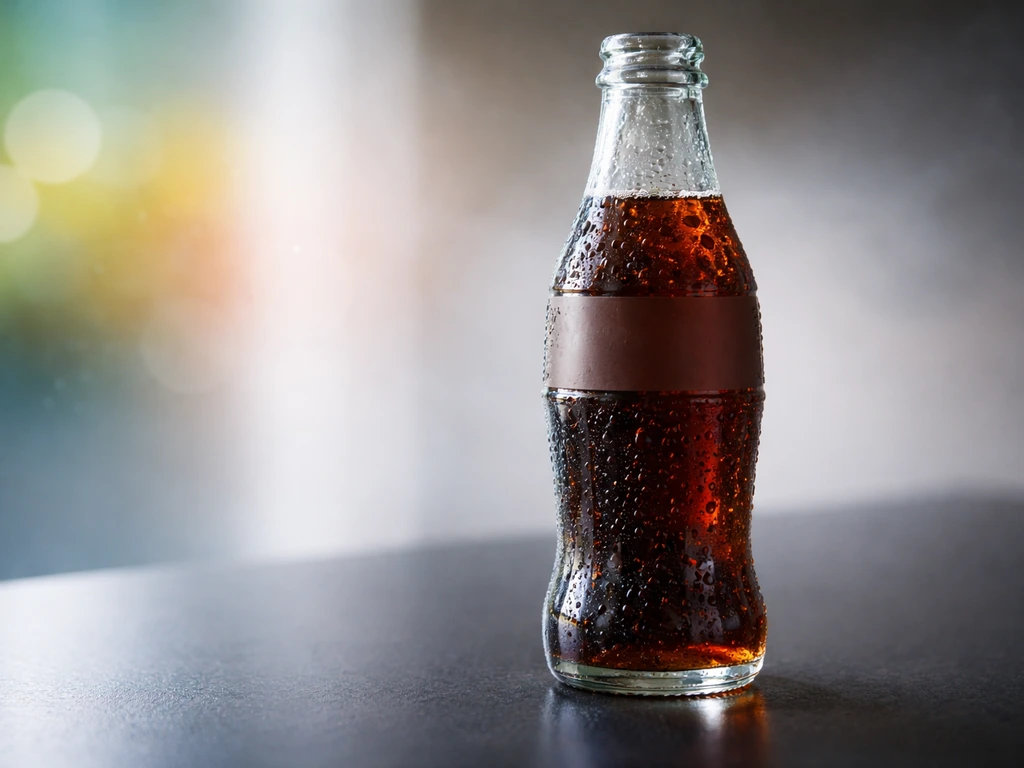
Bacteria can survive in soda, but actually growing (multiplying) in it is a different story. Most carbonated soft drinks are hostile enough to microbial life that true bacterial growth is rare under normal conditions. Bacteria can grow on linen too, especially if it stays damp and picks up food residue can bacteria grow on linen. The combination of low pH, dissolved CO2, and preservatives in many sodas creates an environment where most bacteria simply can't replicate. That said, survival is not the same as zero risk, and a few real-world scenarios can shift the odds enough to matter.
Can Bacteria Grow in Soda? What Affects Survival and Growth

Marcus Reeves
24 May 2026
What "grows" actually means: survival vs. multiplication
In food safety microbiology, "growth" has a specific meaning: bacteria are replicating, increasing in number, and potentially reaching a dose that causes harm. Survival just means cells are still present and technically alive, but not multiplying. The gap between those two states matters enormously when you're trying to assess real risk. Port wine stains are a skin condition, and they generally do not behave like infections or wounds that grow on their own over time.
There's also a middle state called viable-but-nonculturable (VBNC). Bacteria in a VBNC state are metabolically active and can retain the ability to resuscitate when conditions improve, but they won't form detectable colonies under standard lab testing. A bacterium sitting in a bottle of soda might be in exactly this state: alive, waiting, but not growing. If it gets into a more favorable environment (say, a food residue or a warm water bottle), it can wake back up. This is why the distinction between growth and survival isn't just academic. It affects how you interpret safety.
The FDA reflects this distinction in food safety regulation by asking whether a food "supports the growth of microorganisms having public health significance." For most sodas, the answer is no, but the phrasing matters: it doesn't say "contains no microorganisms." It says supports growth.
Soda ingredients that push back against bacteria
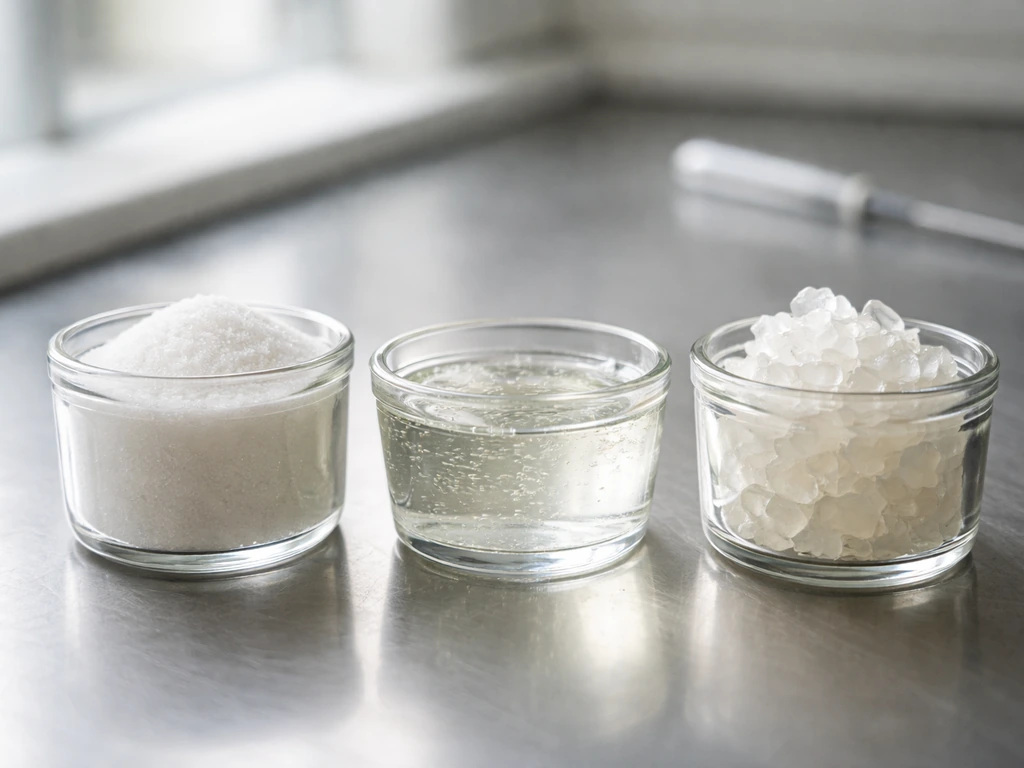
Three categories of ingredients do most of the work in making soda an inhospitable place for bacterial growth.
Sugar
Regular sodas are high in sugar, typically 35 to 45 grams per 12-ounce can. High sugar concentrations can exert osmotic pressure on bacterial cells, pulling water out through the cell membrane. This is the same principle that makes jams and syrups shelf-stable. However, soda's sugar concentration is lower than true high-sugar preservatives like honey or syrup, so osmotic stress is a contributing factor rather than a decisive one on its own. Diet sodas with zero sugar lack this advantage entirely.
Acid
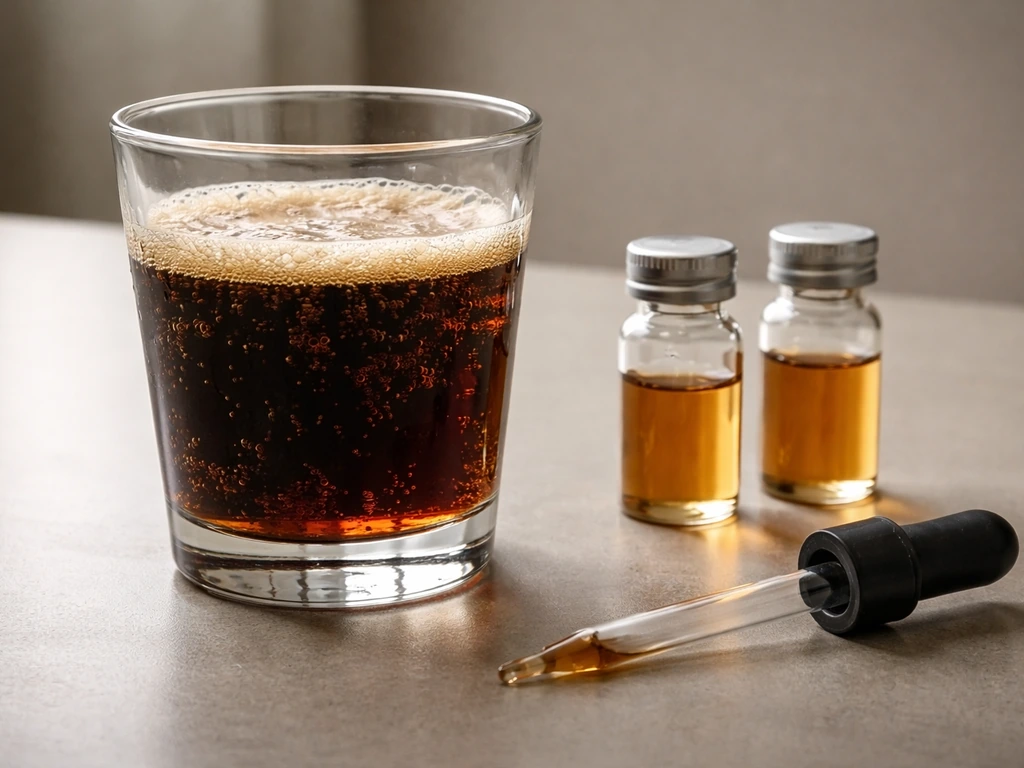
Phosphoric acid (in colas) and citric acid (in citrus sodas and many others) are the primary acidulants. These drop the pH of most carbonated soft drinks into the 2.5 to 4.0 range. That level of acidity is genuinely hostile to the majority of bacterial pathogens. Most common foodborne bacteria, including Salmonella, E. coli O157:H7, and Listeria monocytogenes, struggle to multiply at pH values below 4.4. The FDA specifically uses pH 4.4 as a threshold in blank" rel="noopener noreferrer">evaluating whether foods support Listeria growth. At pH 2.5 to 3.5, where many colas sit, bacterial growth is effectively blocked.
Chemical preservatives
Many sodas include sodium benzoate or potassium sorbate as antimicrobial preservatives. Benzoate is particularly effective against bacteria and yeasts in acidic environments. Its antimicrobial activity actually increases as pH drops, which makes it a good pairing with the acids already present. Not every soda uses preservatives (some brands market themselves as preservative-free), so it's worth reading the label if this matters to you.
pH and acidity: the most important barrier
pH is the single biggest factor in whether soda supports bacterial growth. Here's how common sodas stack up against bacterial growth thresholds.
| Drink Type | Approximate pH | Growth Risk for Common Pathogens |
|---|---|---|
| Cola (e.g., Coca-Cola, Pepsi) | 2.5 to 3.0 | Very low: well below the 4.4 growth threshold |
| Lemon-lime soda (e.g., Sprite, 7UP) | 3.0 to 3.5 | Very low: strong acid environment |
| Ginger ale | 3.5 to 4.0 | Low to very low |
| Root beer | 4.0 to 4.5 | Low, but closer to threshold range |
| Diet sodas (any type) | Varies, typically 3.0 to 4.5 | Similar to regular versions; less osmotic sugar protection |
| Lightly carbonated or flavored water drinks | 4.5 to 6.0 | Moderate: some bacterial growth possible if contaminated |
Acidophilic (acid-loving) bacteria and certain acid-tolerant yeasts and molds are the organisms most likely to cause problems in sodas. Lactobacillus, for example, thrives at low pH and has been known to spoil acidic beverages. These organisms typically cause flavor changes and cloudiness rather than serious illness, but they're a real spoilage concern.
Temperature: the factor that changes everything

Even the most inhospitable soda becomes a worse bet as temperature rises. The standard food safety danger zone runs from 40°F (4°C) to 140°F (60°C). In that range, bacteria that have managed to enter and adapt to an acidic environment can multiply significantly faster.
A sealed, cold soda from the fridge or a vending machine is at minimal risk. The same soda left open on a warm counter at 75 to 85°F for several hours is in a different category. Warmth alone won't overcome soda's pH barrier for most pathogens, but for the acid-tolerant spoilage organisms already mentioned, temperature abuse accelerates any growth that was already possible. It also speeds up CO2 loss, which removes one more layer of protection.
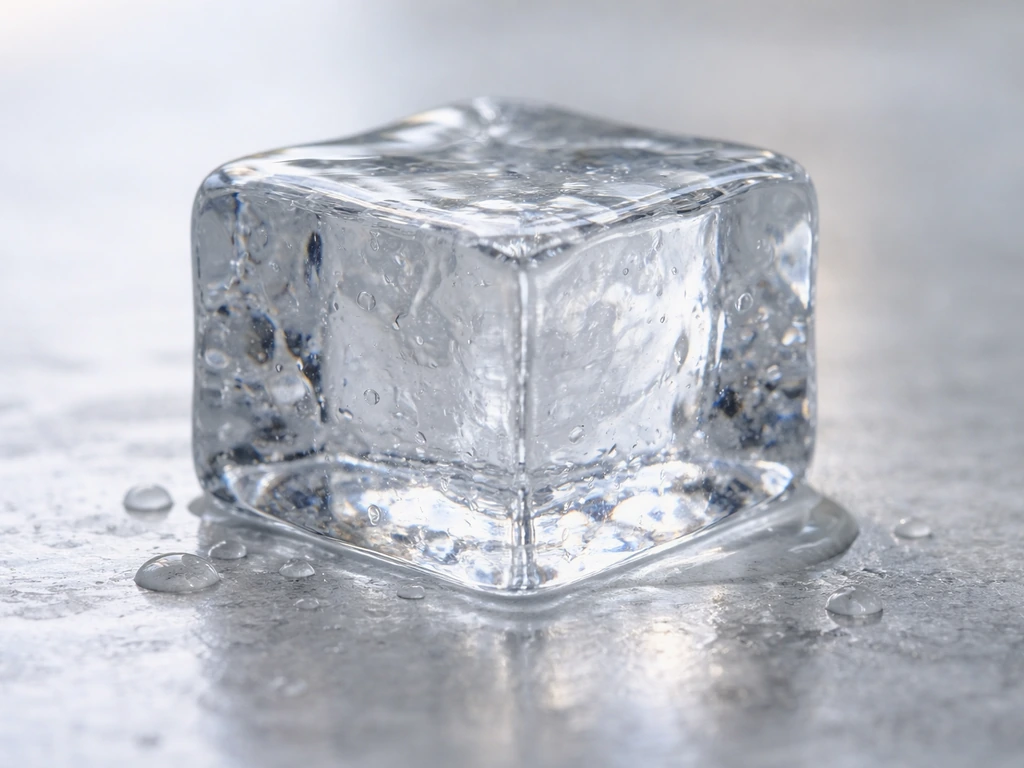
One comparison worth noting: bacteria can grow on ice under certain conditions, particularly as ice melts and dilutes the cold water layer around food. A similar dilution effect happens when ice is added to soda and then the drink warms up. The drink becomes less acidic, less carbonated, and closer to room temperature all at once.
Carbonation and oxygen: does the fizz help?
Dissolved CO2 contributes to soda's antimicrobial properties in a couple of ways. First, carbonic acid (formed when CO2 dissolves in water) adds to the overall acidity of the drink. Second, the relatively low oxygen environment inside a sealed carbonated beverage limits the growth of aerobic bacteria, which need oxygen to thrive.
However, carbonation is not a reliable barrier on its own. Many bacteria are facultative anaerobes, meaning they can grow with or without oxygen. Anaerobic organisms can grow without it entirely. Once you open a bottle or can, CO2 escapes quickly, dissolved oxygen increases, and the protective carbonation advantage fades within hours. A flat, open soda has lost a meaningful chunk of its antimicrobial defense.
This is part of why the freshness window on opened soda is real, not just about taste. The same process that makes flat soda taste worse is also making it a slightly friendlier environment for microbial activity.
How bacteria could still end up multiplying in soda
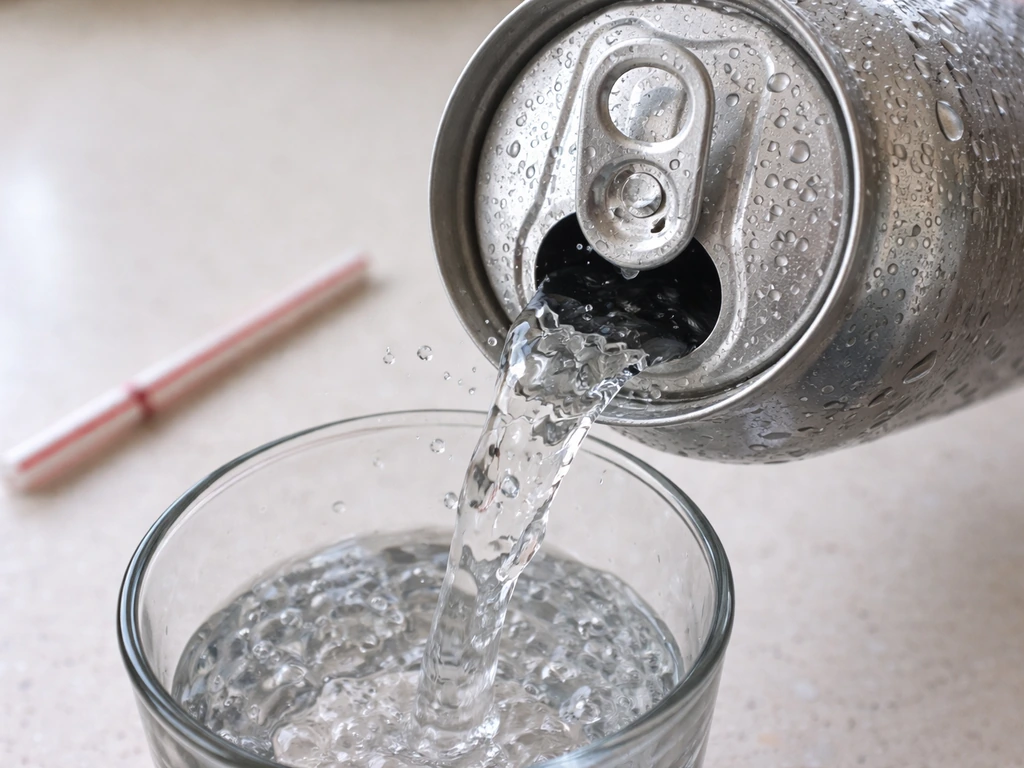
Given everything above, the more interesting practical question is: what conditions would actually allow bacterial multiplication to happen? There are several realistic scenarios.
- Backwashing: drinking directly from a bottle or can introduces bacteria from your mouth, including saliva-adapted organisms, into the drink. Repeated sips over hours at room temperature create a more realistic opportunity for growth than a closed, untouched container.
- Cross-contamination from food: using soda as a mixer with fruit juice, dairy, or food residue raises the pH and adds nutrients, which can shift the drink into a growth-supporting range.
- Compromised packaging: a can that has been dented, a bottle that wasn't fully sealed, or a fountain drink dispensed through contaminated lines can introduce organisms in higher initial counts, making it harder for the acid environment to suppress them.
- Extended time at warm temperatures: even acid-tolerant spoilage bacteria need time to adapt and grow. A soda left out for 24 to 48 hours at 75°F or above with mouth contact gives those organisms a real window.
- High-pH sodas or diluted drinks: root beers, some herbal sodas, or heavily diluted sodas with ice can approach or exceed the 4.4 pH threshold where pathogen growth becomes more plausible.
The VBNC state is also relevant here. Bacteria that entered the soda and went dormant can potentially resuscitate if you pour the soda over a nutrient-rich food, mix it with something, or leave it long enough in a warming environment. It's not a dramatic risk in most everyday settings, but it's the biological mechanism behind why "the bacteria are gone" isn't always true just because conditions seem unfavorable.
Real-life safety guidance for opened and expired soda
Here's what the microbiology actually translates to in practical terms.
Opened soda left at room temperature
If you've opened a soda and left it at room temperature, the window is roughly 1 to 2 days before spoilage organisms can cause noticeable changes (off-flavors, cloudiness). For typical colas and citrus sodas, serious pathogen growth within that window is unlikely due to pH. Bacteria can sometimes grow in water bottles if conditions let them multiply, such as warmth, time, and residue serious pathogen growth. That said, if the drink was backwashed into or has food residue in it, tighten that window to a few hours and don't serve it to people with compromised immune systems. Refrigerating the opened soda slows any microbial activity significantly and extends the safe window to 3 to 4 days.
Soda past its best-by date
Best-by dates on soda are primarily about quality, not safety. An unopened, properly stored soda past its date may taste flat or off, but it's not a meaningful microbial risk because the sealed packaging preserves the antimicrobial conditions. If the can or bottle shows damage, rust, leakage, or swelling, discard it. Those are signs the seal or the can wall has been compromised, which changes the calculation.
Fountain drinks and shared containers
Fountain drinks are the highest-risk format because the dispensing lines and nozzles are a known contamination point. Studies have found coliform bacteria in fountain drink nozzles and dispensed beverages. The soda's own acidity gives some protection, but it's not guaranteed to eliminate everything delivered through a contaminated nozzle. Because of their moist, nutrient-rich surfaces, do loofahs grow bacteria is a common concern. Drinking fountain soda promptly and not leaving it sitting for hours is the practical takeaway.
Mixed drinks and sodas used as ingredients
When you mix soda with juice, dairy-based products, or alcohol-free cocktail ingredients, you're potentially raising the pH and adding nutrients. Treat the resulting drink with the same care you'd apply to any perishable beverage: refrigerate promptly, consume within a few hours, and don't leave it in the danger zone.
A quick decision guide
- Sealed, undamaged soda (even past best-by): safe to drink, quality may be reduced.
- Opened soda, refrigerated, consumed within 3 to 4 days: safe for healthy adults.
- Opened soda left at room temperature for more than 24 hours with backwash or food contact: discard it.
- Soda with visible cloudiness, unusual sediment, or off-smell: discard regardless of date.
- Fountain drinks: drink promptly; don't store them.
The bottom line is that soda's chemistry, especially its pH and preservatives, makes it a genuinely poor environment for bacterial growth under normal conditions. For example, that same idea of hostile surfaces and chemistry is why bacteria will not grow on copper pennies soda's chemistry, especially its pH and preservatives.
If you're wondering about whether bacteria can grow on wood cutting boards, the answer depends on how much moisture, food residue, and cleaning time the board is exposed to bacterial growth under normal conditions. The risk isn't zero, particularly for acid-tolerant spoilage organisms and in edge cases involving contamination, warmth, and time. This same idea applies to water bottles: bacteria can survive there, and under the right conditions they may eventually multiply can bacteria grow in water bottles.
Understanding where those edges are is what lets you make confident, practical decisions rather than treating all soda as either totally safe or vaguely suspicious.
FAQ
If bacteria can survive in soda, can they still cause illness?
Yes, but it depends what you mean by “grow.” Most sodas prevent replication by staying acidic (often pH roughly 2.5 to 4.0) and, in many brands, using preservatives. However, acid-tolerant spoilage organisms can still cause changes like cloudiness or off flavors, especially if the drink is opened, warmed, or contaminated with food residue.
Does refrigerating opened soda make it safe to drink later?
An opened soda stored cold is generally the safest option, because chilling slows microbial activity and helps keep spoilage organisms from multiplying. As a practical rule, once opened, refrigerate promptly and keep an eye on visible changes (cloudiness, sediment, unusual smell). If it sat warm for hours or longer, assume higher spoilage risk even if it looks fine.
Are preservative-free sodas more likely to support bacterial growth?
Label claims matter. A soda without preservatives removes one antimicrobial layer, so its protection relies more on acidity and the sealed packaging. For preservative-free sodas, treat opened drinks more strictly (shorter time at room temperature) and be extra cautious with any contamination (food residue, shared cups, dirty straws).
What happens to bacteria risk if I mix soda with juice, milk, or alcohol-free cocktails?
Yes, acidic sodas can still be “nutrient delivery” vehicles. If you add sugar, juice, dairy, or other ingredients, you can raise the effective pH and provide nutrients, which makes multiplication much more plausible than in plain soda. When mixed drinks are left out, follow perishable-beverage handling (prompt refrigeration and quick consumption).
Is it safer to drink from the bottle after someone already drank from it?
If you top off a partially used drink, you can dilute the remaining acidity and introduce microbes from the cup rim, straw, or whatever you used to pour. The act of pouring repeatedly increases the chance that acid-tolerant spoilage organisms or other contaminants get a foothold.
How can I tell if my soda has spoiled rather than just settled or changed flavor?
Caramel or flavor cloudiness is not the same as microbial spoilage. The more useful indicators are a sour or fermented smell, fizz that becomes unusually flat alongside sediment, or visible growth patterns. If you ever see swelling, leaking, or a compromised seal on a can or bottle, discard it regardless of taste changes.
Can bacteria grow in homemade soda or fermented soda?
Fermented or “home-brew” style carbonated drinks can have very different conditions than commercial soda, especially if they contain live cultures, more nutrients, and less strict acidification or preservatives. The same “acid barrier” logic may not apply, so handle them more like homemade beverages with clear expiration and sanitation practices.
Does losing carbonation (making it flat) significantly increase bacterial risk?
Carb levels drop fastest after opening, which reduces one antimicrobial layer, and the drink moves closer to room temperature. That’s why storage time matters: a cold, sealed drink stays far more hostile than the same drink left open at warm room conditions.
If tests can show no colonies, can bacteria still be present in soda?
Yes, certain groups of microbes can be harder to detect. “Viable but non-culturable” organisms may not form colonies under standard tests, but they can resuscitate if conditions become favorable. In everyday terms, this is why you should not rely on “no obvious change” as proof the drink is fine after prolonged warmth.
Does drinking directly from a bottle change the risk compared with pouring into a clean glass?
Mouth contact can matter because you are transferring microbes from saliva and the container rim, and saliva adds nutrients. For a practical safety step, avoid letting a used bottle or shared cup sit around, and don’t keep refilling from a common source.
Next Article
Can Bacteria Grow on Ice? Survival, Growth, and Safety Tips
Bacteria can survive on ice but usually do not grow; learn conditions, thaw risks, and safe ice handling tips.