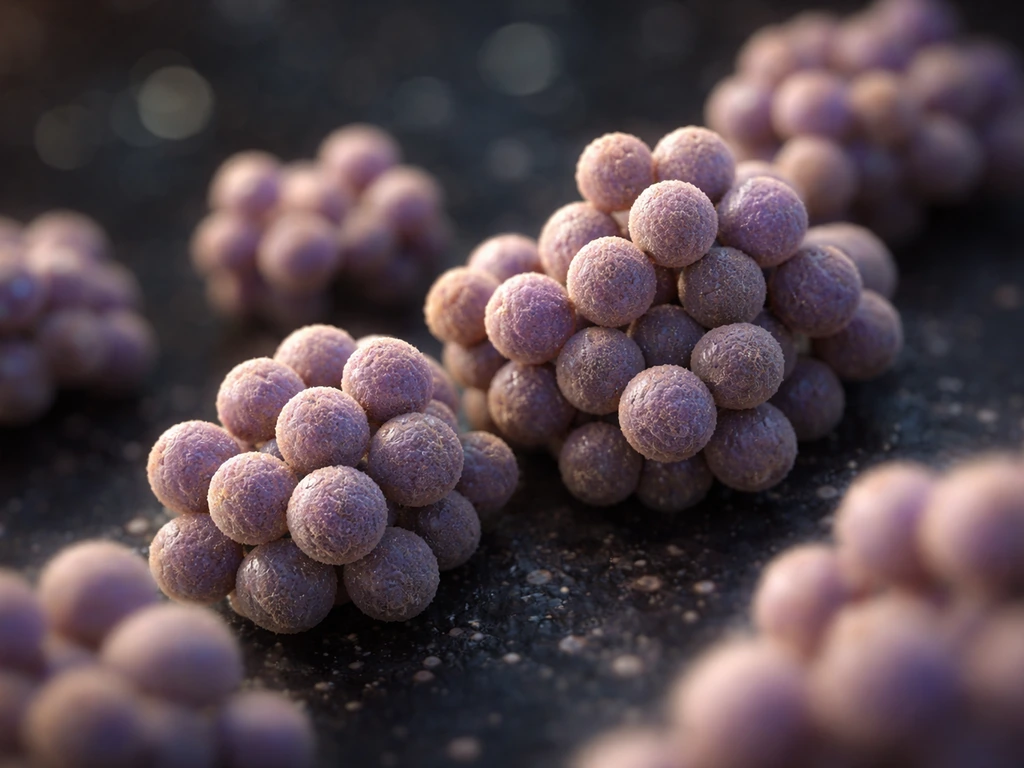
Biofilms grow on virtually any surface that stays wet long enough for bacteria to attach and set up a community. That means pipes, drains, showerheads, faucet aerators, cutting boards, equipment seams in food plants, and even the inside of your water heater. If a surface is damp and has even a trace of organic material nearby, biofilm will eventually find it. Penicillin is a naturally occurring antibiotic that is produced by certain Penicillium molds, which are typically found in soil and decaying organic material.
Where Do Biofilms Grow? Common Habitats and How to Target Them

Marcus Reeves
7 Jul 2026
Why surfaces and moisture are the starting point
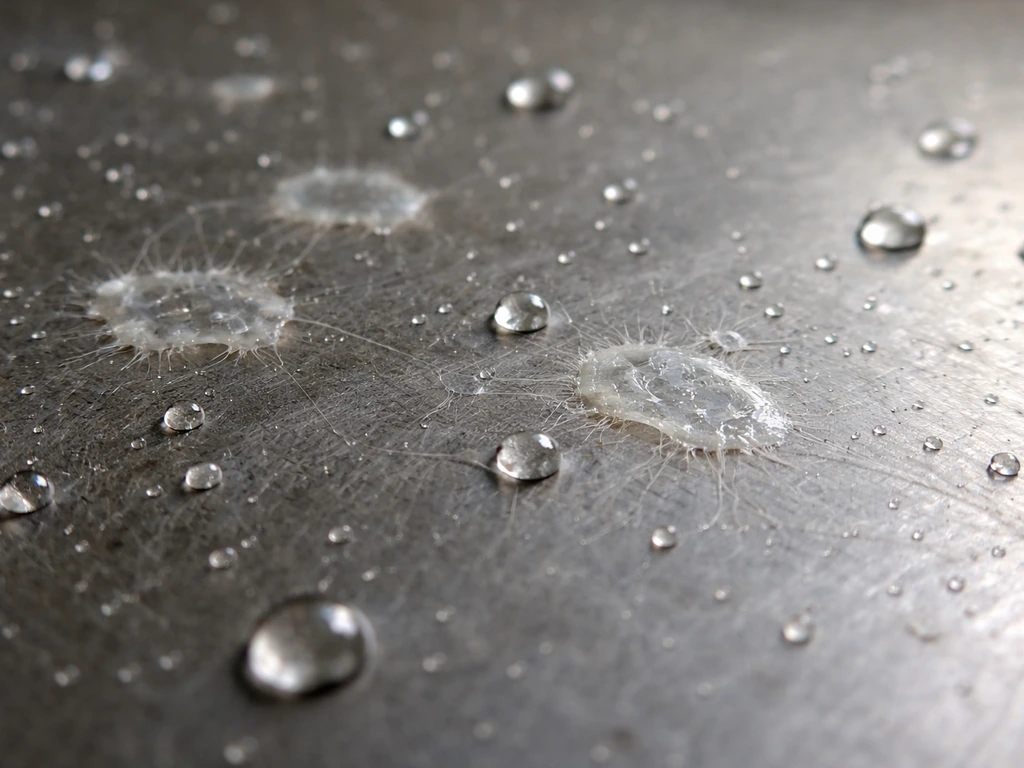
Biofilm formation is not random. It follows a predictable sequence: free-floating bacteria contact a surface, attach loosely, then anchor permanently and begin producing a sticky matrix of extracellular polymeric substances (EPS). That matrix traps nutrients, protects the cells from drying out and from disinfectants, and allows the community to grow in structured channels that move water, oxygen, and nutrients through the film. Once the EPS matrix is established, you are no longer dealing with individual bacteria you can rinse away.
The surface itself matters. Rougher surfaces reduce the shear force flowing liquid exerts on early-stage bacteria, giving them more time to anchor. Hydrophobic or uneven materials tend to accumulate bacteria faster than smooth, hydrophilic ones. A microscopic scratch on a cutting board or a worn gasket on processing equipment provides just enough shelter to get attachment started.
The interface between a solid surface and a liquid film is the key habitat. It does not need to be submerged water. A consistently damp countertop edge, the underside of a drain cover, or a refrigerator door seal that traps condensation all qualify. Anywhere that moisture sits in contact with a surface for hours at a time is a candidate.
Common spots in the home and built environment
Most people encounter biofilm every day without recognizing it. The slippery film on the inside of a flower vase, the grey-pink ring around the base of a soap dispenser, and the slimy feel of a garden hose fitting left in a bucket of water are all biofilms. In the built environment, any surface that cycles between wet and barely-dry is a prime location.
- Shower curtains: research using microscopy has shown that the soap scum that builds up on vinyl shower curtains is actually a dense, lush microbial biofilm, not just mineral residue.
- Showerheads: biofilm lines the interior of showerhead nozzles and can release organisms directly into aerosols when the water is turned on. The CDC specifically calls out showerheads as devices that may need periodic cleaning and soaking.
- Faucet aerators: the mesh and flow-restrictor components inside aerators create low-flow zones where biofilm accumulates easily. Opportunistic pathogens including Pseudomonas aeruginosa have been linked to aerator biofilms.
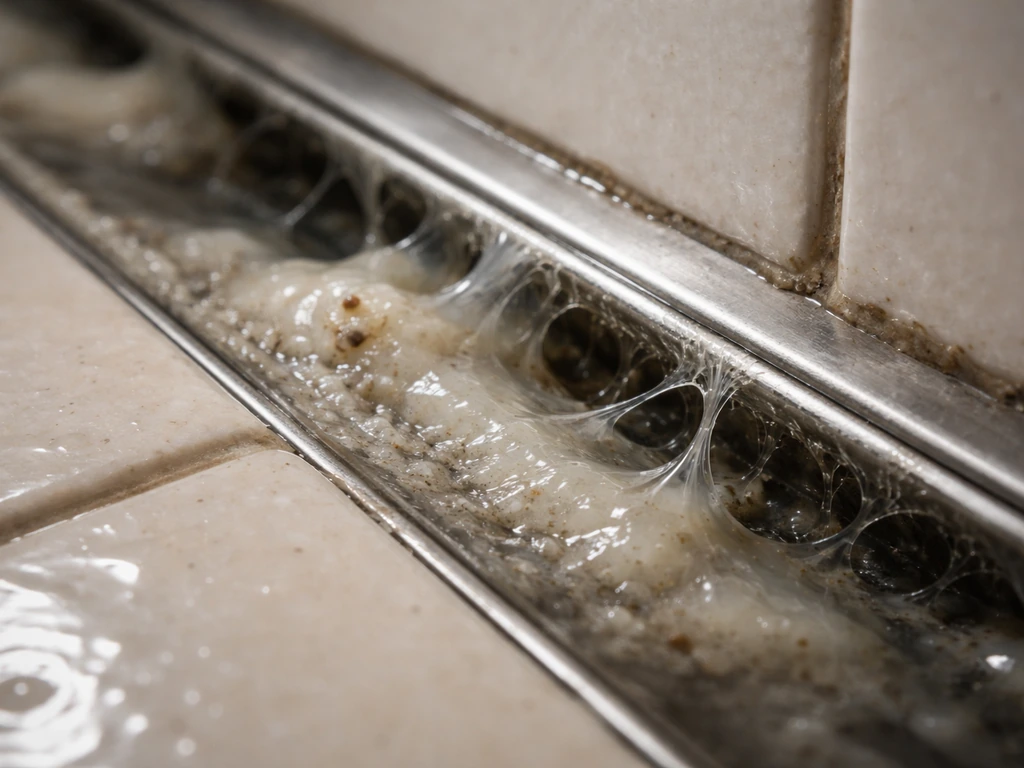
- Bathroom and kitchen drains: slow-draining water and retained organic matter create near-ideal conditions. The slime that coats a drain grate is almost always biofilm.
- HVAC condensate pans and evaporator coils: standing condensate water combined with particulate matter picked up from air makes drain pans a reliable biofilm habitat.
- Humidifiers: any water-contact surface inside a humidifier that is not dried and cleaned regularly will develop a biofilm layer.
Biofilms in plumbing and water systems
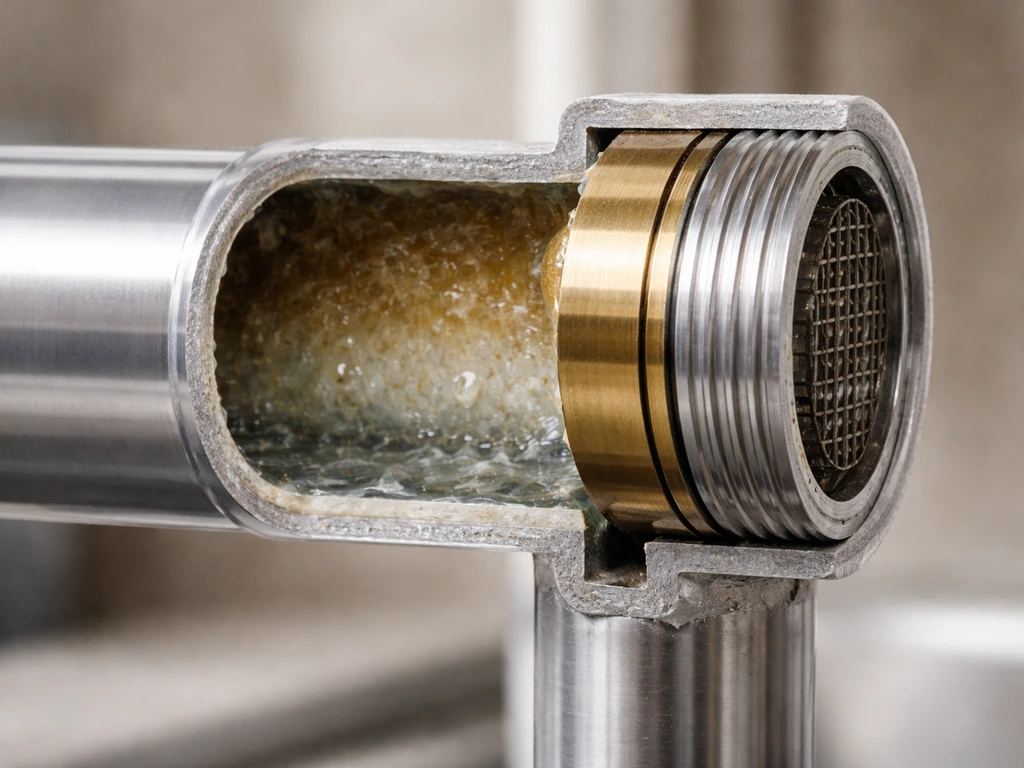
Premise plumbing, meaning the pipes, fittings, water heaters, and fixtures inside a building rather than the utility main, is one of the most consistent biofilm environments there is. The EPA classifies the entire internal water system from water heater to faucet outlet as a zone where opportunistic pathogens can survive both suspended in water and attached in biofilms. Staphylococci are pus-forming bacteria that grow in biofilms as well as on damp surfaces that stay undisturbed.
Temperature and pipe material are the two biggest drivers. Warm water between about 25°C and 45°C (77°F to 113°F) favors rapid biofilm growth and is also the range where Legionella pneumophila multiplies most readily inside biofilm communities. Cold-water pipes near heat sources and the warm zones of water heaters set below 60°C (140°F) are classic risk points.
Inside older metal pipes, biofilm interacts with corrosion scale and tubercles. Bacteria near the pipe wall consume dissolved oxygen and release byproducts that accelerate pitting and scale buildup, which in turn creates more protected niches for the next generation of biofilm. The CDC notes that water age, sediment, and warm temperature all accelerate disinfectant residual loss in premise plumbing, and biofilm is a major reason why.
Low-flow or stagnant zones are the worst spots. Dead-end branches, infrequently used fixtures, and the bottom of a water heater tank where sediment settles all provide the combination of standing time, warmth, and reduced disinfectant that biofilm needs to mature undisturbed.
Biofilms on food-contact surfaces
For food safety professionals this is the territory that demands the most attention. Food-processing environments provide everything biofilm needs: persistent moisture from wash-down cycles, nutrient residues from food materials, and physical structures full of crevices, joints, and threads that are hard to clean thoroughly. For sessile build-ups, Bugcount Solids (Luminultra) is positioned as a sampling approach that can analyze swabbed surfaces, weighed deposits, and biofilm collection devices like coupons Food-processing environments provide everything biofilm needs.
Floor drains in food plants deserve particular attention. Research analyzing drain biofilms in a Listeria-contaminated processing facility found that drains function as genuine harborage sites, not just conduits, and that drain water can seed nearby food-contact surfaces. Low-light, nutrient-rich, constantly moist drain environments allow Listeria monocytogenes to persist for months or years when cleaning protocols do not directly address drain interiors.
Common food-contact materials where biofilm establishes readily include stainless steel (especially around welds and scratches), plastic conveyor components, rubber gaskets, and cutting boards. USDA guidance recommends washing cutting boards with hot soapy water after each use and allowing them to dry completely, because residual moisture on even a clean board is enough to support re-attachment.
USDA FSIS guidance for cutting boards is to wash them with hot, soapy water after each use, then rinse and air dry or pat dry completely wash cutting boards with hot soapy water after each use and air dry completely.
Does penicillin grow on bread? The conditions that drive mold growth and bacterial survival are similar to how biofilms can persist when moisture and nutrients stick around.
- Equipment seams and crevices: anywhere two parts join is a biofilm risk if food residue and moisture can collect there.
- Refrigerator and freezer door seals: the soft gaskets around refrigerated storage units accumulate condensation and food particles and are rarely scrubbed thoroughly.
- Sink drains in kitchens: both residential and commercial kitchens have drain biofilms that can contaminate hands, utensils, or produce placed nearby.
- Slicers, grinders, and fillers: internal surfaces that contact ready-to-eat foods and are difficult to disassemble fully are high-priority biofilm habitats.
- Refrigerated rooms: the cold, wet atmosphere of a walk-in cooler slows biofilm growth somewhat but does not prevent it, and Listeria in particular tolerates cold temperatures well enough to establish persistent biofilm colonies on floors and drain channels.
The conditions that let biofilm take hold
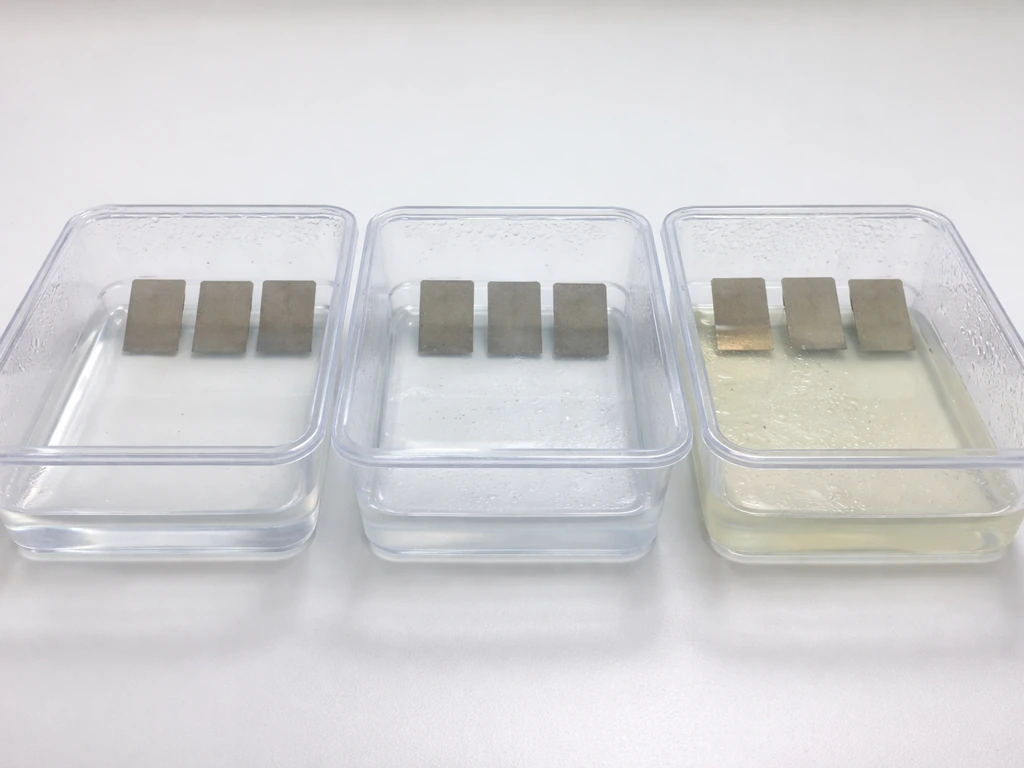
Understanding which environments reliably produce biofilm means looking at five key variables: temperature, pH, moisture, nutrients, and oxygen. These are the same factors this site tracks for planktonic bacterial growth, but biofilm tolerance is generally broader because the EPS matrix buffers cells from external conditions.
| Condition | Biofilm-Favorable Range | Practical Notes |
|---|---|---|
| Temperature | Many species: 15°C to 45°C (59°F to 113°F); Listeria: 0°C to 45°C | Warm water speeds up formation; Legionella peaks around 35°C to 45°C; cold slows but does not stop biofilm |
| pH | Most bacteria: pH 5 to 8; some acid-tolerant species below pH 5 | Slightly acidic to neutral surfaces (drains, food residues) are typical; EPS matrix can buffer local pH |
| Water activity / moisture | Persistent surface wetness or humidity above ~60–70% | Surfaces that dry completely between cycles resist establishment; constant dampness is the critical factor |
| Nutrients | Any organic residue: food particles, body oils, soap scum, pipe scale | Even trace nutrients are enough for initial attachment; richer nutrient supply drives faster maturation |
| Oxygen | Aerobic species dominate outer biofilm layers; anaerobic species survive in deep layers | Biofilms create their own oxygen gradients; anaerobic niches inside thick biofilms allow species that cannot survive in open water |
Surface properties matter on top of these chemical factors. A rougher surface or one with microcracks reduces the shear stress from flowing water on attaching cells, giving them more time to anchor before being swept away. Hydrophobic materials like some plastics can initially attract nonpolar bacterial cell surfaces, accelerating first contact. A 'conditioning film' of organic molecules from food, water minerals, or body secretions almost always forms on surfaces before bacteria arrive, and that film changes how easily cells attach.
Flow rate also plays a role. Very high shear from fast-moving water can strip early biofilm, but moderate flow actually delivers fresh nutrients that help biofilm mature. Stagnant water is the most favorable overall because cells accumulate on the surface without being physically disturbed.
How to recognize biofilm before it becomes a bigger problem
Mature biofilm has a few reliable signatures. The most common is a slippery or slimy feel on a surface that you would expect to be smooth when clean. Vinyl shower curtains can accumulate soap scum over time, and microscopy shows the material can contain lush microbial biofilms blank" rel="noopener noreferrer">Vinyl shower curtains can accumulate “soap scum” over time. Round bacteria that grow in clusters are called staphylococci slimy feel. A persistent musty or sulfurous odor from a drain that does not clear after flushing with water is another strong indicator. Visible discoloration, often grey, pink, orange, or brown, that reappears quickly after cleaning is almost always biofilm rather than mineral staining.
In plumbing fixtures, watch for floaters or particulates in tap water, especially from a faucet that has not been used for a day or more. Greenish or brownish material dislodging from an aerator when you unscrew it is a classic example of biofilm sloughing. The CDC specifically recommends removing and soaking showerheads and aerators to address this buildup.
For food safety and processing contexts, practical risk assessment should focus on the following: Pus-forming bacteria that grow in bunches or clusters are often managed by identifying and removing the biofilm that shelters them.
- Map all surfaces that stay wet for more than a few hours after cleaning. These are your highest-priority locations.
- Inspect crevices, threads, gaskets, and welds on food-contact equipment. Run a gloved finger along seams after a standard cleaning cycle: if it feels tacky or slick, biofilm is present.
- Check floor drains. A drain that drains slowly but has no mechanical clog often has a thick biofilm lining the pipe walls.
- Assess equipment that cannot be fully disassembled. Hollow rollers, poorly designed fillers, and equipment with blind spots are persistent harborage sites regardless of how thoroughly visible surfaces are cleaned.
- For laboratory confirmation, surface swabs sent for ATP bioluminescence testing or plate counts can quantify biofilm load. Coupon sampling devices used in-line give a more accurate picture of pipeline biofilm than water samples alone.
How to prevent and remove biofilms effectively
The most important principle is that mechanical cleaning must come before chemical sanitizing. Chemical sanitizers cannot penetrate mature EPS effectively if a physical layer of organic debris is still in place. Pre-cleaning to remove soil is not optional: it is the step that determines whether the sanitizer can reach the cells underneath.
Once biofilm establishes on a surface, it becomes progressively harder to remove. Early-stage biofilm, measured in hours to a day or two, can often be dislodged with proper scrubbing and a correctly dosed sanitizer. Mature biofilm that has had days or weeks to develop requires more aggressive intervention: physical disruption with brushes or scrapers, disassembly to reach hidden surfaces, and sometimes enzymatic cleaners or specialized biofilm-targeting formulations before a final sanitizer step.
Contact time is non-negotiable. Research on sanitizer efficacy against Listeria biofilms on food-contact surfaces shows that increasing contact time from one minute to five minutes produces meaningful additional log reductions. EPA labeling for biofilm-claim products specifically requires pre-cleaning and maintaining surface wetness for the labeled contact time. Spraying a sanitizer and wiping immediately defeats the purpose.
Different sanitizer classes work differently against biofilm. Sodium hypochlorite (bleach), peracetic acid, quaternary ammonium compounds (QACs), and hydrogen peroxide systems all have documented activity against biofilms, but their effectiveness depends heavily on concentration, pH, temperature, and contact time. No single sanitizer is universally best. In food processing, rotating sanitizer classes periodically also helps prevent tolerance buildup in resident microbial communities.
For home plumbing fixtures, the CDC recommends removing showerheads and faucet aerators and soaking them in a descaling or vinegar solution to loosen mineral scale and biofilm together, then scrubbing and rinsing before reinstalling. Running hot water at maximum temperature through water heaters set to at least 60°C (140°F) reduces the warm stagnant zones that support Legionella-containing biofilm.
Practical prevention checklist
- Eliminate standing water wherever possible. Fix slow drains promptly and ensure surfaces drain or dry after each wet cycle.
- Smooth out surfaces that have become scratched or pitted. Worn cutting boards and scored stainless steel should be replaced rather than just cleaned more frequently.
- Disassemble equipment fully during deep cleaning cycles. Biofilm in hidden joints and threads will survive surface-level cleaning no matter how good the chemistry is.
- Match sanitizer choice and concentration to the specific organism risk in your environment. For Listeria-risk environments, validate your sanitizer's performance against biofilm specifically, not just planktonic cells.
- Use the correct contact time. Read and follow dwell-time instructions on the sanitizer label and keep surfaces visibly wet for that entire period.
- For water systems, maintain hot water above 60°C (140°F) at the heater and flush infrequently used outlets regularly to reduce water age and sediment accumulation.
- Inspect and replace gaskets, hoses, and seals on a regular schedule rather than waiting for visible failure. Degraded rubber and cracked plastic are biofilm magnets.
Controlling biofilms is ultimately about controlling conditions: surface state, moisture duration, temperature, and cleaning sequence. When you understand where those conditions exist in your specific environment, whether that is a home bathroom, a restaurant kitchen, or a food processing line, you can target the highest-risk locations systematically rather than cleaning everything equally and still missing the spots that matter most.
FAQ
Where do biofilms grow in a home if I cannot see anything slimy or discolored?
Biofilms often form without obvious visual signs in consistently damp micro-spaces, like the rubber gasket under a toilet rim, the seam where a sink drain meets the countertop, the underside edge of a refrigerator door seal, and inside shower hoses or faucet aerators that are only partially disassembled for cleaning. Checking for reappearing film after a full wipe-down, plus removing and inspecting aerators periodically, helps catch early-stage buildup.
Do biofilms grow only in hot water lines, or can cold-water pipes have them too?
Cold-water lines can support biofilm when they are kept warm by nearby heat sources or when condensation keeps surfaces wet. Common hotspots include sections of pipe that run near water heaters, under-sink areas with warm air leakage, and any fixture with “low use” where water sits long enough for nutrients and disinfectant levels to change before the next draw.
How long does moisture have to sit for biofilms to establish?
You do not need full submersion, but you do need sustained surface wetness, often measured in hours. Even after cleaning, leaving countertops, cutting-board edges, or drain splash zones only “mostly dry” can allow re-attachment. A practical rule is to dry to a truly non-wet state (not just less wet), especially in food prep areas.
Are drains just where water goes, or can biofilms grow inside them too?
Drains are genuine harborage sites, not just conduits. Biofilm can establish on the interior walls, along the bottom where sediment settles, and in drain covers or grates that trap a thin wet film in low-light conditions. If you only clean the drain opening, you may reduce overflow but still leave the interior biofilm that later seeds nearby surfaces.
Can biofilms grow on kitchen cutting boards if I wash them with soap?
Yes, washing alone is not always enough because the key issue is residual moisture and re-attachment. Boards with micro-scratches or those stored with any lingering dampness are high risk. Dry completely (air-dry upright or with airflow) and consider replacing heavily scored boards, since scratches increase the protected niches where EPS anchors.
What is the best way to check where biofilms are forming on plumbing fixtures?
Start with the lowest-effort, highest-yield checks: remove and inspect faucet aerators and showerheads, look for greenish or brownish material, and check whether the film returns quickly after wiping. For less visible locations, unscrew drain components when possible and inspect gaskets and threads, since early attachment commonly happens at uneven interfaces.
If I use a sanitizer, do I still need mechanical cleaning first?
Yes. Sanitizers generally cannot penetrate mature EPS effectively if soil or a leftover organic film blocks access. A consistent failure mode is spraying, then wiping immediately or skipping scrubbing, which leaves the physical layer in place. The safest sequence is pre-clean to remove debris, then maintain the surface wet for the labeled contact time.
How does flow rate affect where biofilms grow in pipes?
High shear can strip early biofilm, but it can also deliver nutrients that help communities mature when flow is moderate. The worst case is stagnation, dead-end branches, infrequently used fixtures, and sediment-holding areas, because those combine warmth, reduced disinfectant residual, and long contact time without physical disruption.
Do biofilms grow on all materials equally, or are some surfaces more prone?
Some materials are more prone because of surface roughness, microcracks, and hydrophobicity. Stainless steel can develop buildup around welds and scratches, plastic components can attract initial attachment under certain conditions, and rubber gaskets trap moisture and create sheltered niches that are hard to fully clean. If you see film reappearing in the same micro-area, that surface condition is likely driving persistence.
What are common signs that the “slime” is actually biofilm rather than minerals or residue?
Biofilm signs include a slippery or slimy feel on surfaces that should be smooth, discoloration that reappears quickly after cleaning (grey, pink, orange, or brown), and persistent musty or sulfur-like odor from drains even after flushing. Mineral scale typically does not rapidly return in the same pattern after thorough cleaning, and it usually has a more chalky texture rather than a cohesive slimy matrix.
How should I decide whether to use bleach, QACs, hydrogen peroxide, or other sanitizer types?
Choose based on the target surface context and your ability to control contact time and pre-cleaning. Effectiveness varies with concentration, pH, and temperature, so switching chemistries periodically can reduce tolerance in systems with resident microbes. Also verify compatibility with materials like stainless, rubber, or certain plastics, because corrosive or incompatible cleaners can damage surfaces and make future attachment easier.
Next Article
Round Bacteria in Clusters Are Called Cocci and Staphylococci
Round cocci forming clusters are staphylococci; learn why they grow, how to verify microscopy, and how conditions affect