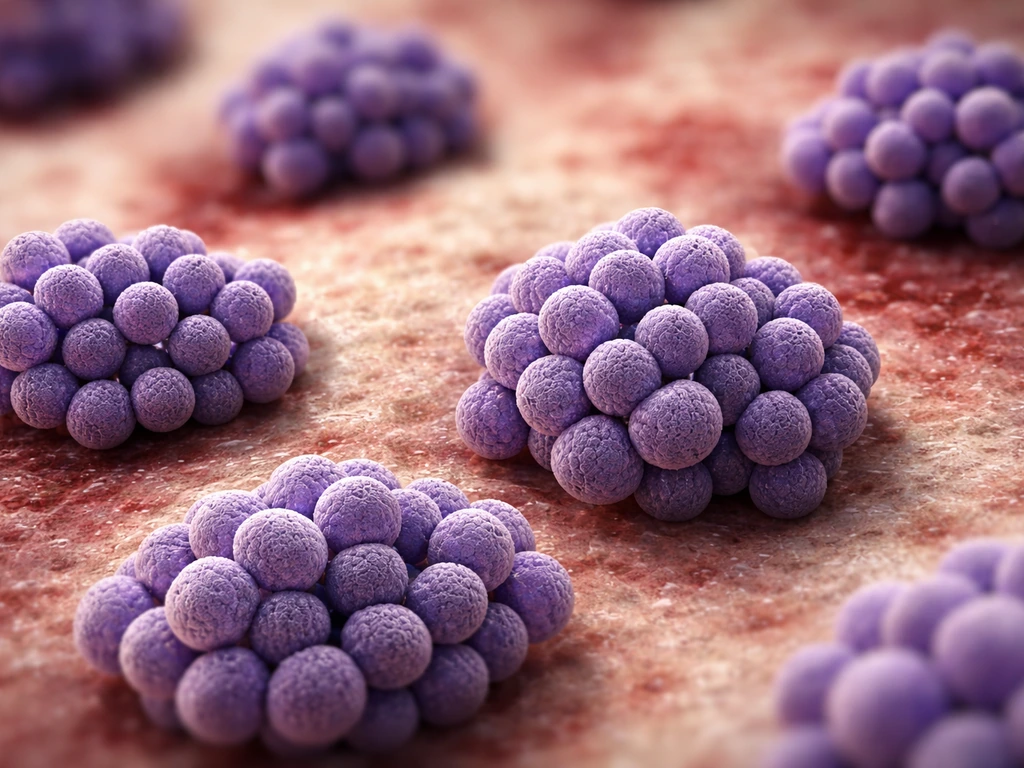
Penicillin-producing molds grow naturally in soil, decaying plant matter, and leaf litter outdoors, and indoors on damp building materials, water-damaged walls, stored food, and dusty HVAC systems. The specific fungi responsible are Penicillium species, most notably Penicillium chrysogenum (also classified as P. rubens in some modern taxonomies), and they show up wherever there is enough moisture, organic material, and oxygen to support fungal growth.
Where Does Penicillin Grow Naturally? Habitat and Conditions

Marcus Reeves
24 Apr 2026
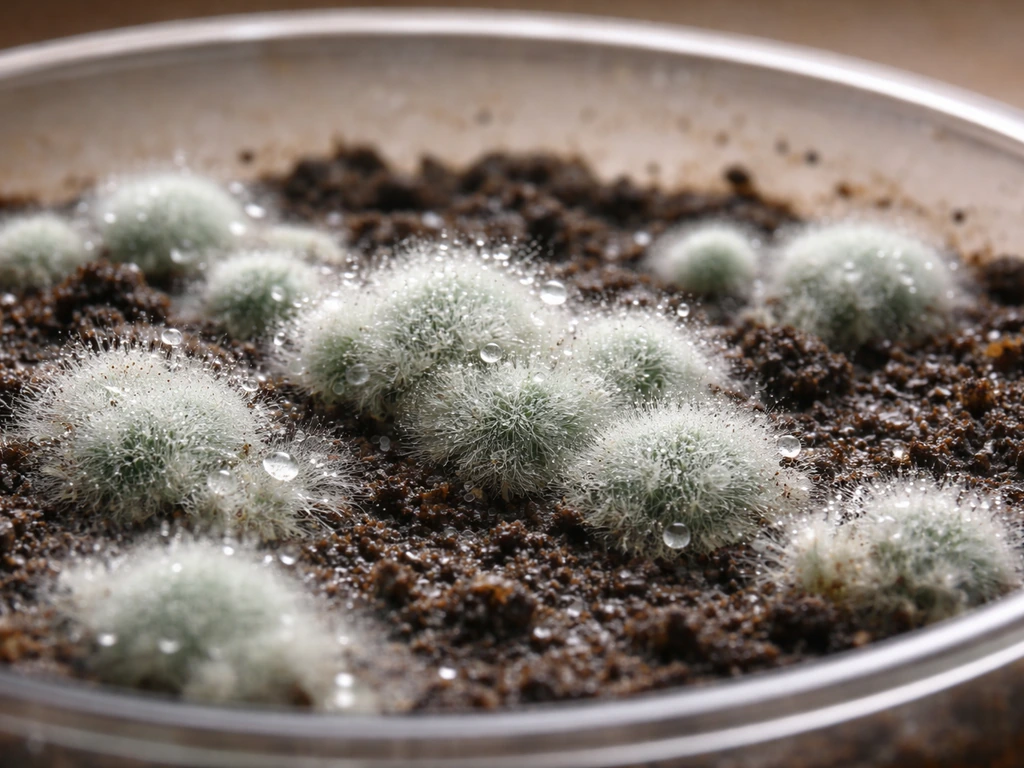
Penicillin is a mold product, not a bacterium
A common point of confusion is treating 'penicillin' as something that grows by itself, like a plant. It doesn't. Penicillin is a chemical compound, specifically a beta-lactam antibiotic, that certain Penicillium molds produce as a secondary metabolite. Secondary metabolites are substances fungi synthesize not for basic growth but as a competitive response to their environment, often to suppress competing microorganisms. The mold grows; the mold then produces penicillin under specific conditions. What you're really tracking down when you ask where penicillin 'grows' is where the producing fungus lives.
It's also worth clearing up that bacteria don't produce penicillin. Bacteria can be killed by it, and some bacteria produce other classes of antibiotics, but the penicillin biosynthesis pathway is a eukaryotic, fungal system involving a specific cluster of genes (pcbAB, pcbC, and penDE) that are unique to Penicillium and some related molds. That biochemical architecture doesn't exist in bacteria.
Natural environments where penicillin-producing fungi live
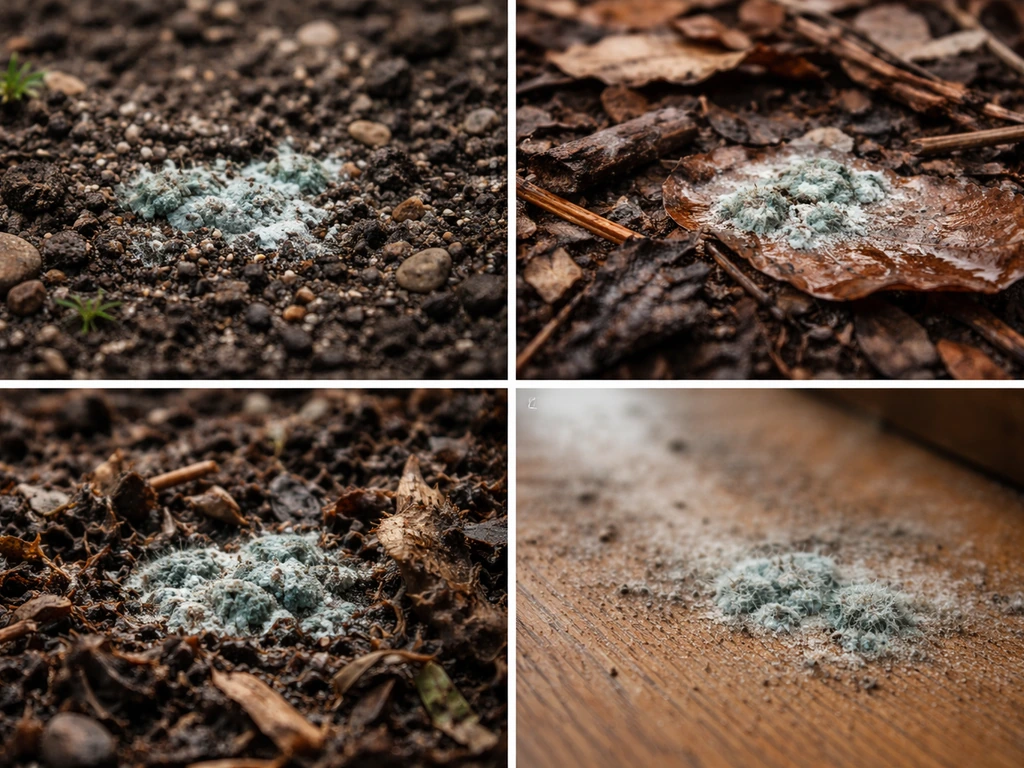
Penicillium species are described in microbiology literature as ubiquitous soil fungi. That means the baseline habitat is outdoor soil, particularly in temperate regions where organic material decomposes regularly. Leaf litter, compost piles, stored plant debris, rotting wood, and garden soil all serve as natural reservoirs. Spores are lightweight and disperse easily through air, which is why they also end up indoors.
Indoors, the mold establishes wherever it finds moisture and an organic substrate. Studies on mold-infected building materials identified P. chrysogenum as one of the most frequently occurring species across 72 sampled sites, appearing on paper, cardboard, gypsum drywall, and inorganic building materials alike. It's a genuine opportunist: give it a damp surface and organic dust, and it will colonize.
The environmental conditions that let it grow
Understanding growth conditions is where the practical value is. If you know what Penicillium needs, you know where to expect it and how to stop it.
Temperature
P. chrysogenum grows across a fairly wide temperature range but performs best in moderate conditions. Controlled studies show peak growth rate around 23 to 30°C (roughly 73 to 86°F). It can grow at cooler temperatures too, which is why you'll find Penicillium molds on refrigerated foods, particularly cheeses, fruits, and bread stored in slightly humid conditions. High temperatures above 35°C generally suppress growth, but standard room temperature and even slightly cool environments are entirely within its comfort zone.
pH
Penicillium species tolerate a wide pH range and can grow in mildly acidic to near-neutral conditions. This broad tolerance is part of why they appear on so many different substrates, from acidic fruit surfaces to building materials with relatively neutral pH. In industrial penicillin fermentations, pH is tightly controlled, but in natural settings the mold adapts across a range of substrate chemistries.
Moisture and water activity
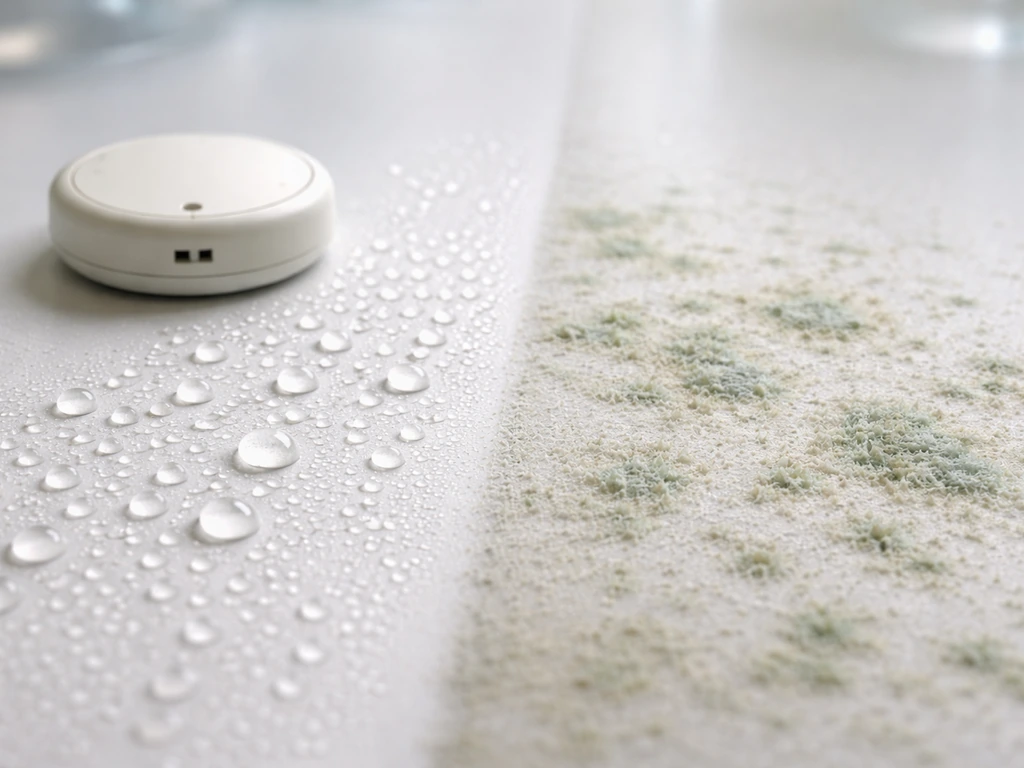
Moisture is the most critical practical factor. P. chrysogenum can establish at water activity (a_w) values as low as approximately 0.78 to 0.81, which makes it one of the more xerotolerant (drought-tolerant) molds. For context, the FDA notes that most foods have water activity above 0.95, well above that threshold. This means the mold can colonize materials that feel 'only slightly damp' to the touch. In HVAC duct studies, P. chrysogenum grew on dusty duct materials at relative humidity levels between 75 and 95 percent, especially when organic dust provided a nutrient base.
Oxygen
Penicillium is aerobic, meaning it requires oxygen to grow. This is why you find surface mold on foods rather than growth deep inside a sealed, oxygen-free package. In industrial fermentations, dissolved oxygen levels directly affect penicillin yield, with production dropping off at low oxygen concentrations. In everyday settings, any open, air-exposed surface with sufficient moisture and nutrients is a candidate habitat.
Nutrients
Penicillium is not picky about carbon sources. It will use sugars, starches, proteins, and cellulose-based organic matter. Household dust itself, which contains skin cells, fabric fibers, and food particles, is a viable nutrient source when moisture is present. This is directly why dusty HVAC ducts become colonized when humidity rises.
| Growth Factor | Favorable Range for P. chrysogenum | Practical Implication |
|---|---|---|
| Temperature | ~20 to 30°C (68 to 86°F) | Common room and refrigerator-adjacent temps support growth |
| Water Activity (a_w) | ~0.78 to 0.81 minimum | Even 'slightly damp' materials can be enough |
| Relative Humidity | 75 to 95% promotes colonization | Basements, bathrooms, and HVAC ducts are high-risk |
| pH | Acidic to near-neutral (~3 to 7) | Fruit surfaces, bread, building materials all qualify |
| Oxygen | Aerobic (requires O2) | Surface growth only; sealed/anaerobic packaging limits it |
Real-world places you're likely to find it
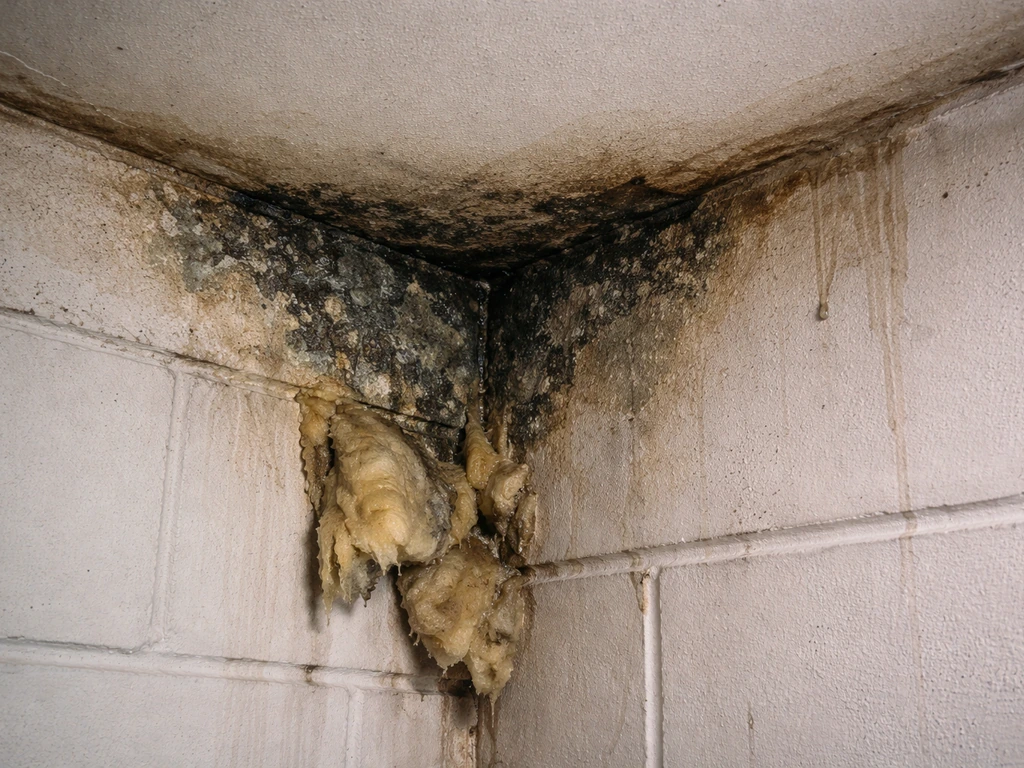
- Water-damaged walls, ceilings, and insulation, especially after flooding or slow leaks
- Damp basements and crawlspaces where humidity stays elevated
- HVAC ducts with accumulated dust and humidity above 75%
- Stored fruits and vegetables, particularly citrus, apples, and grapes
- Bread and baked goods left at room temperature in humid kitchens
- Soft cheeses and aged cheeses not properly stored or wrapped
- Compost bins, leaf piles, and garden soil
- Stored paper, cardboard boxes, or books in humid areas
The connection to food safety is direct. When Penicillium appears on food, the visible mold patch is not the full extent of contamination. On porous or high-moisture foods, the fungal body can extend well below the surface. USDA guidance recommends cutting at least one inch around and below any visible mold spot on hard items like firm cheeses, while soft foods like bread, soft cheese, yogurt, and fruit should simply be discarded.
Don't assume you can identify the species by looking at it
This is a genuinely important caution. Hundreds of Penicillium species exist, and they look similar to each other and to other common molds. The blue-green, powdery appearance that people associate with Penicillium is shared by species that produce very different compounds. Some Penicillium species produce patulin, a mycotoxin that poses real health risks. The FDA flags patulin as a concern specifically when moldy apples are used to produce apple juice, because the toxin persists even when visible mold is removed. You cannot reliably tell a penicillin-producing species from a toxin-producing one just by looking.
The same visual limitation applies to related molds. Aspergillus species, which can cause serious respiratory infections in immunocompromised individuals, can look similar to Penicillium in casual inspection. Definitive species identification requires microscopy and often molecular methods. If you're dealing with significant mold growth in a home or food facility, treat all of it as a contamination hazard rather than trying to identify which species it is.
This is also why the sibling topic of biofilm growth is relevant in professional food-safety settings. A related question is where do biofilms grow, since mold colonies can co-occur with bacterial biofilms on shared surfaces biofilm growth. Mold colonies can co-occur with bacterial biofilms on shared surfaces, and each requires different remediation strategies.
Can you grow penicillin yourself? Technically yes, practically no
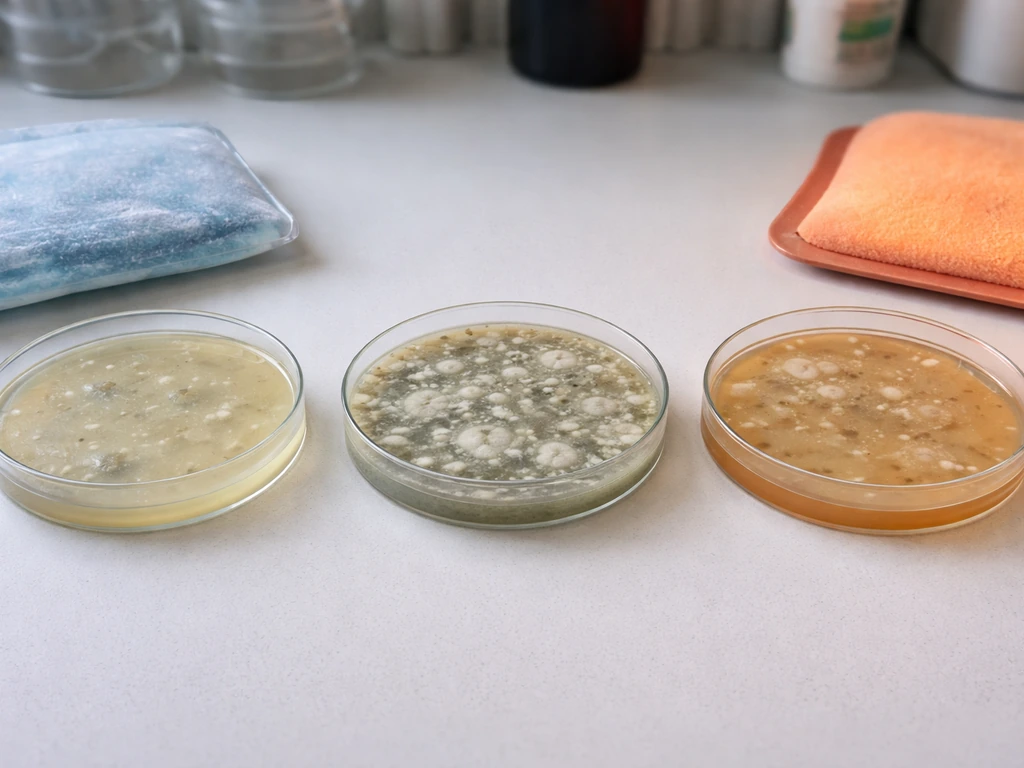
Penicillium molds do produce penicillin under the right conditions, and historically the original discoveries involved mold growing in a petri dish. But there's a large gap between 'this mold produces some penicillin' and 'this produces safe, usable penicillin.' Industrial penicillin production takes place in precisely engineered, oxygen-controlled, sterile fermentation tanks with carefully selected high-yield strains developed through decades of optimization. The conditions needed, including dissolved oxygen management, pH control, nutrient feeding, and sterility, are not replicable in a kitchen or home lab.
Beyond the technical barriers, DIY penicillin production carries serious risks. You cannot confirm species identity without laboratory analysis. Contaminating organisms could produce toxins. The concentration and purity of any compound produced cannot be measured without analytical equipment. Attempting to use homemade preparations as medicine is dangerous and, from a practical standpoint, unnecessary given readily available medical care. The value in understanding where these molds grow is for prevention and contamination awareness, not self-treatment.
Why this matters for food safety and mold prevention
Knowing the growth conditions for penicillin-producing molds gives you a direct framework for preventing contamination. Moisture is the variable you can realistically control. Keeping indoor relative humidity below 60 percent significantly reduces colonization risk on building materials. Storing foods at proper temperatures and in conditions that keep water activity low (sealed, dry storage) prevents Penicillium from establishing on food surfaces.
When mold does appear in a building context, the CDC recommends protecting yourself during cleanup: wear an N-95 respirator, gloves, and eye protection, particularly in enclosed spaces. Disturbing mold releases spores that become airborne. People with respiratory conditions, allergies, or compromised immune systems face higher risk from mold exposure, whether the mold is Penicillium or any other common indoor species.
After any water damage event, the priority is rapid drying. CDC guidance consistently emphasizes that mold will begin colonizing wet materials within 24 to 48 hours. Knowing where staphylococci are likely to grow can help explain why certain infections develop in wet, contaminated environments. Some pus-forming bacteria can also grow in wet, contaminated environments, which is why infections may develop after water damage pus forming bacteria. Round bacteria that grow in clusters are called staphylococci, and they are another example of microbes that can thrive in wet, contaminated environments. Removing or drying contaminated materials quickly, rather than simply cleaning the visible surface, is what prevents regrowth. A damp wall that looks clean on the outside can still harbor active mold colonies inside the drywall or insulation where Penicillium thrives undisturbed.
The core takeaway is straightforward: Penicillium molds live wherever there is oxygen, modest warmth, organic material, and enough moisture to push water activity above 0.78. That describes a lot of common environments, from garden soil to your kitchen bread bin. The practical implication is that controlling moisture is controlling Penicillium, and treating any mold growth as a contamination hazard (rather than identifying which species it is) is both safer and more actionable.
FAQ
Can penicillin-producing molds grow on dry surfaces, or does it always need visible dampness?
They need enough moisture to raise water activity, so it does not have to look “wet.” A surface can feel only slightly damp or be intermittently humid (for example, bathroom tiles, condensation zones, or around leaky pipes), which is enough for colonization if there is organic dust or residue.
Why does Penicillium seem to show up on some foods but not others in the same kitchen?
It depends on local conditions, not just food type. If one food is stored with higher humidity, has more surface cracks or pores, or is kept closer to the fridge wall where condensation occurs, Penicillium has a better chance to establish, even if both foods are “refrigerated.”
Is the blue-green mold I see always Penicillium, and is it safe to assume it is “penicillin mold”?
No. Many molds can look similar in casual inspection, and some Penicillium species produce different metabolites, including mycotoxins. You cannot reliably identify penicillin-producing species by color or texture, so treat any visible mold on food as unsafe.
If I remove the visible mold from a hard cheese, is there still a risk?
Yes. Penicillium and its growth structures can extend below the surface on porous items and some firmer cheeses. Cutting deeper than the standard margin helps, but if the cheese is very moldy, has off-odors, or the mold is spreading through the interior, discarding is the safer choice.
How long after a water leak does mold become likely?
Colonization can begin within 24 to 48 hours on wet materials, especially if drying is delayed. Quick action matters most for porous building components like drywall paper, insulation, and wood framing, where moisture can stay trapped even when the surface looks dry.
Does Penicillium only grow at room temperature?
No. It can tolerate a range of temperatures, and it can still grow in cooler environments like refrigerators, especially on foods that stay slightly humid. Growth tends to slow at colder temperatures but does not necessarily stop if water activity remains high.
Can Penicillium grow inside sealed containers if the package is unopened?
Usually not in fully sealed, oxygen-free conditions, because the mold is aerobic. However, if there is condensation inside the container, a compromised seal, or trapped moisture from the product itself, growth can still occur at the surface where oxygen is available.
What household steps reduce the chance Penicillium colonizes bathrooms, basements, or HVAC areas?
Control humidity first, aim for indoor relative humidity under about 60 percent, and address moisture sources like leaks and condensation. Cleaning alone may not work if materials remain damp, so use drying, repair water intrusion, and ensure ventilation in low-airflow areas.
Is N-95 protection enough when cleaning any mold, even small patches?
It can be appropriate for many home cleanups, but the risk is higher in enclosed spaces, with large growth, or when the mold is disturbed (scrubbing, scraping, vacuuming). If you have asthma, significant allergies, or immune suppression, consider professional remediation and avoid actions that aerosolize spores.
Could Penicillium growth in a home be linked to infection risk, or is it mainly an allergy issue?
Often it is an exposure and allergy trigger, but infection risk depends on the person and the situation. Immunocompromised individuals, those with lung conditions, or severe underlying disease are more vulnerable, which is why significant mold should be treated as a health hazard rather than just cosmetic damage.
Why does DIY penicillin production fail, even if the mold looks right?
The challenge is not just getting the mold to grow. Producing a usable, safe antibiotic requires controlled strain selection, sterility, and precise management of growth chemistry like oxygen transfer, pH, and nutrient feeding. Without laboratory controls, you cannot confirm identity, purity, or potency.
Can Penicillium and bacterial biofilms co-occur, and does that change cleaning?
Yes. Mold colonies and bacterial biofilms can develop on the same damp surfaces, especially where moisture persists. Remediation may need to address both biofilm types and the underlying moisture issue, since killing surface organisms without removing trapped residues can lead to rapid regrowth.
Next Article
Pus-Forming Bacteria in Clusters: How to Identify and Control Them
Learn which pus-forming, cluster-growing bacteria are, how to identify them, and prevent spread in wounds and food safet