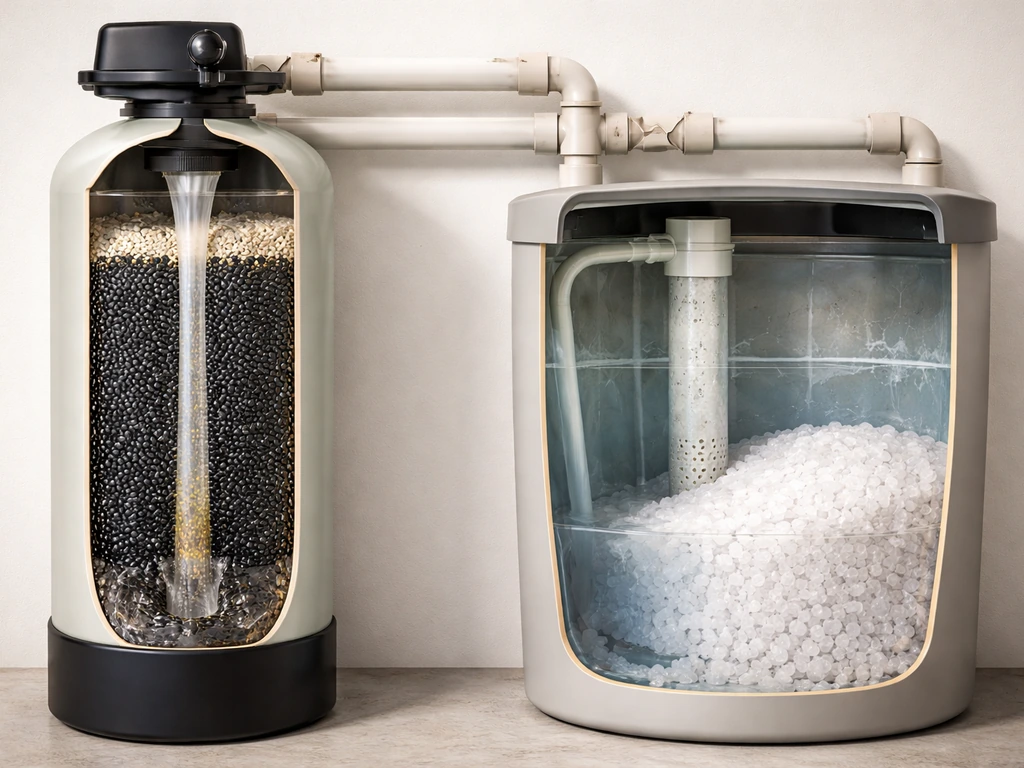
Yes, bacteria can grow in RO water, but the conditions have to be right. Fresh RO product water is very low in nutrients and microorganisms, which makes it a poor environment for bacterial growth. The problem kicks in after the membrane: once that water sits in a storage tank, travels through tubing, or passes through a post-RO carbon filter, it picks up enough organic material and surface area to support real bacterial multiplication. RO is not sterile, and downstream system components are where most regrowth problems actually start.
Can Bacteria Grow in RO Water? Conditions and Prevention

Marcus Reeves
22 Jun 2026
What RO water actually is (and what it is not)
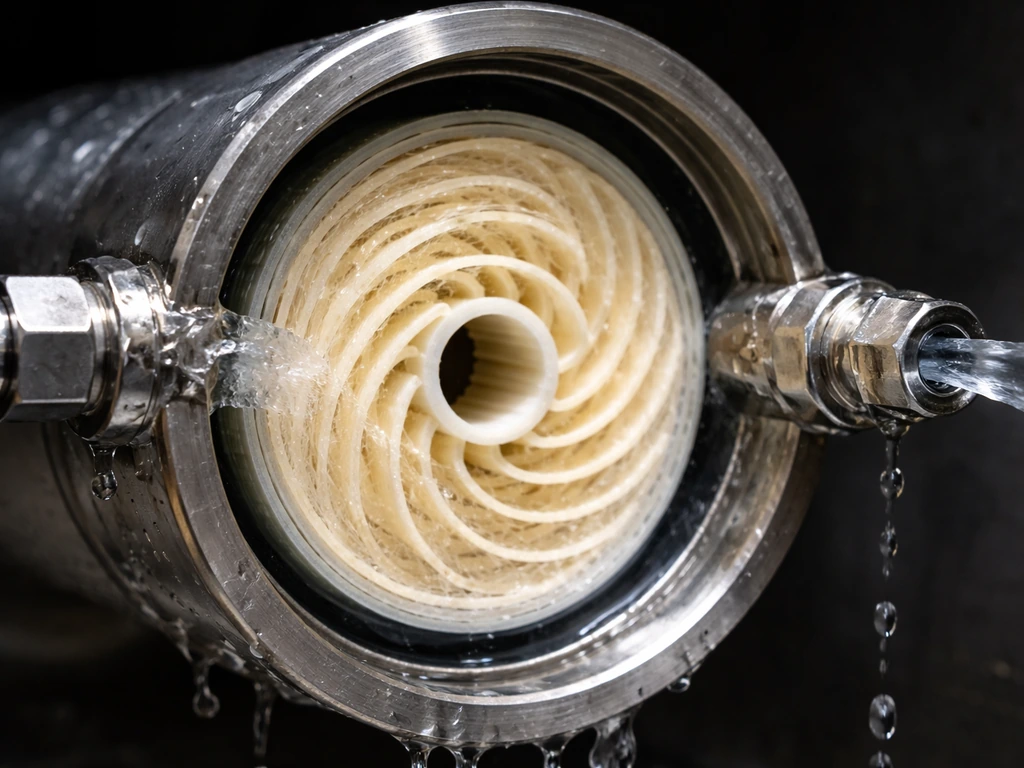
Reverse osmosis works by forcing feed water through a semi-permeable membrane under pressure. The membrane physically rejects dissolved salts, organic molecules, and microorganisms based on size exclusion and charge. The water that passes through, called permeate or product water, has dramatically lower concentrations of dissolved solids, contaminants, and biological material. The portion that does not pass through, called the concentrate or reject stream, is discharged.
The EPA describes RO as a membrane separation process that rejects a portion of the feed water, with the permeate being the lower-TDS product that passes through. In practice, RO membranes remove bacteria and viruses effectively when the system is properly operated and the membrane is intact. The WHO ranks RO among the most effective membrane-based processes for microbial removal.
What RO water is not, though, is sterile. It contains trace levels of dissolved organics, and the production process does not kill anything. It simply excludes or rejects microorganisms. If the membrane has a crack, a bypass leak, or poor sealing at fittings, microorganisms from the feed water can pass through directly. Even without physical defects, the downstream system is still an open environment that can introduce contamination.
Surviving vs growing: there is a real difference
Bacteria can survive in RO water without actually multiplying. Survival means cells persist in a viable or dormant state. Growth, meaning actual cell division and population increase, requires something more: available nutrients, a tolerable temperature, and enough time. Understanding that difference matters because it changes how seriously you treat the situation.
Fresh RO permeate has very little dissolved organic carbon, which limits growth. Even at low TDS levels, bacteria can grow in salt-containing water if they find nutrients and time multiply in relatively pure RO water. But certain Gram-negative bacteria, notably oligotrophic species like Sphingomonas, are adapted to low-nutrient environments. Research on RO membrane biofilm communities has specifically identified Sphingomonas spp. as key early colonizers. These organisms do not need rich nutrient conditions to establish themselves. So the answer is not just that bacteria survive in RO water; some species actively multiply in it, given time and surface access.
The FDA has explicitly noted that naturally occurring Gram-negative bacteria can multiply in relatively pure RO water, and that stagnant downstream water is a major source of bacteria and endotoxin in product water. That is a practical, concrete warning about what happens when RO water sits.
The conditions that actually drive bacterial growth in RO water
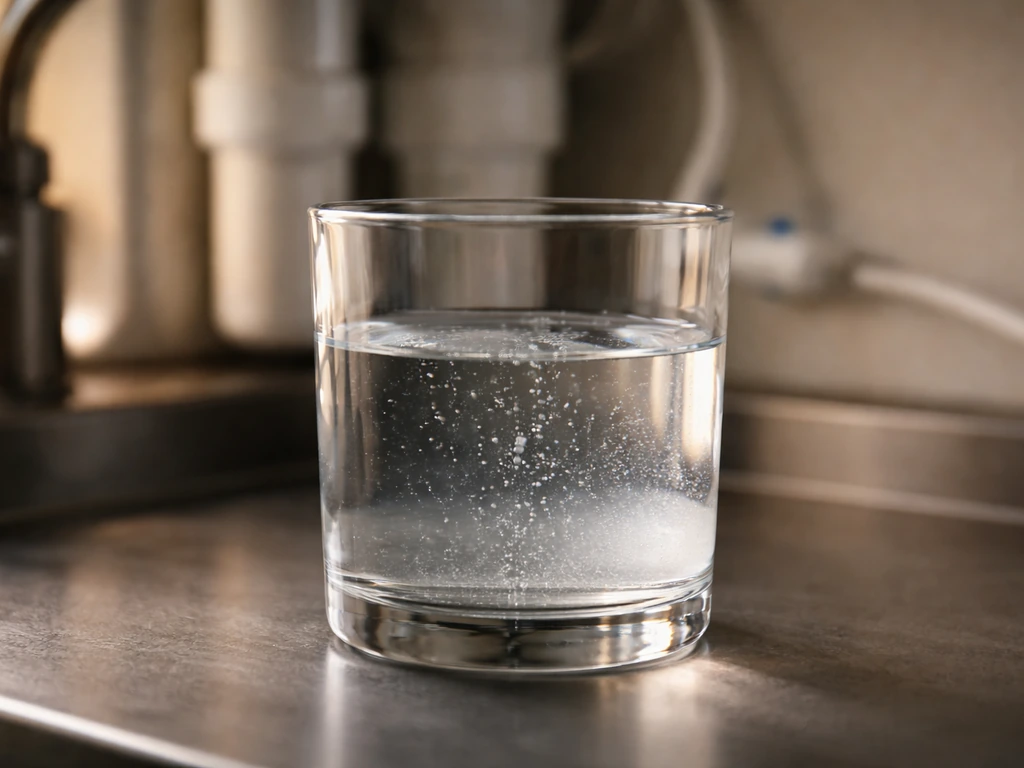
Even in a low-nutrient environment like RO product water, several factors determine whether bacteria stay dormant or start multiplying. In other words, bacteria can also grow when dry conditions do not actually eliminate nutrients and when enough time and contact surfaces are available bacterial growth. None of these work in isolation, and your system's specific configuration affects every one of them.
Nutrients
RO water contains trace dissolved organic carbon (DOC), even after membrane filtration. Carbon filter beds upstream or downstream of the membrane can leach organics. Tank liners, tubing plasticizers, and adhesives contribute small amounts of bioavailable carbon over time. That is often enough for oligotrophic bacteria to sustain growth, especially in biofilm form.
Temperature
Warm water speeds up bacterial metabolism and growth. RO systems in ambient-temperature rooms, especially in warm climates or in warm seasons, produce water that readily supports faster growth. Systems with storage tanks that heat up in the afternoon are particularly at risk. Cold water does not stop bacteria, but it does slow them significantly.
Oxygen
Most bacteria that grow in RO water systems are aerobic or facultatively anaerobic. Oxygen is usually present in stored RO water unless the system is sealed and depleted. Open storage tanks are continuously re-oxygenated, which supports aerobic species. Sealed tanks can shift the microbial ecology over time but do not guarantee sterility.
pH
RO product water is typically slightly acidic, often in the 5.5 to 7.0 range, because the membrane removes buffering minerals like bicarbonates. Most common waterborne bacteria still grow comfortably across this pH range. The lower pH of RO water is not acidic enough to meaningfully inhibit bacterial growth.
Time (water age)
Water age is one of the most underrated risk factors. The longer RO product water sits in a tank or distribution loop without turnover or residual disinfection, the more time bacteria have to establish biofilms and multiply. A hemodialysis water quality review summarizing blank" rel="noopener noreferrer">AAMI guidance notes that acceptable total viable count and heterotrophic bacteria levels for dialysis water must be kept low, with action-level concepts used to prevent regrowth. Some bacteria that can grow in high salt concentration can still become a problem in poorly managed, stagnant RO distribution systems. Even a starting count of just a few CFU per mL can climb dramatically over 24 to 72 hours in stagnant warm water.
Where contamination and regrowth actually come from
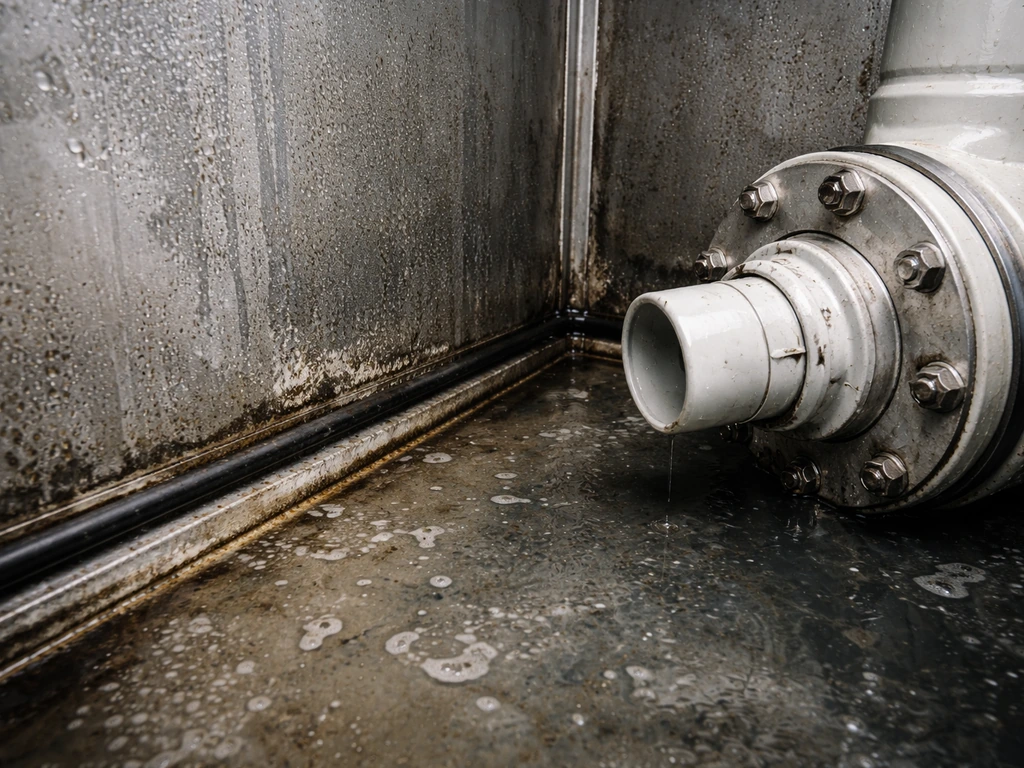
Most RO-related microbial problems do not come from the membrane itself failing. They come from everything downstream of the membrane.
- Storage tanks: Tanks are the single biggest regrowth risk. Surface area inside the tank supports biofilm, and stagnant water at the bottom can accumulate sediment and organic matter. If a tank is not sized correctly for your usage rate, water sits too long.
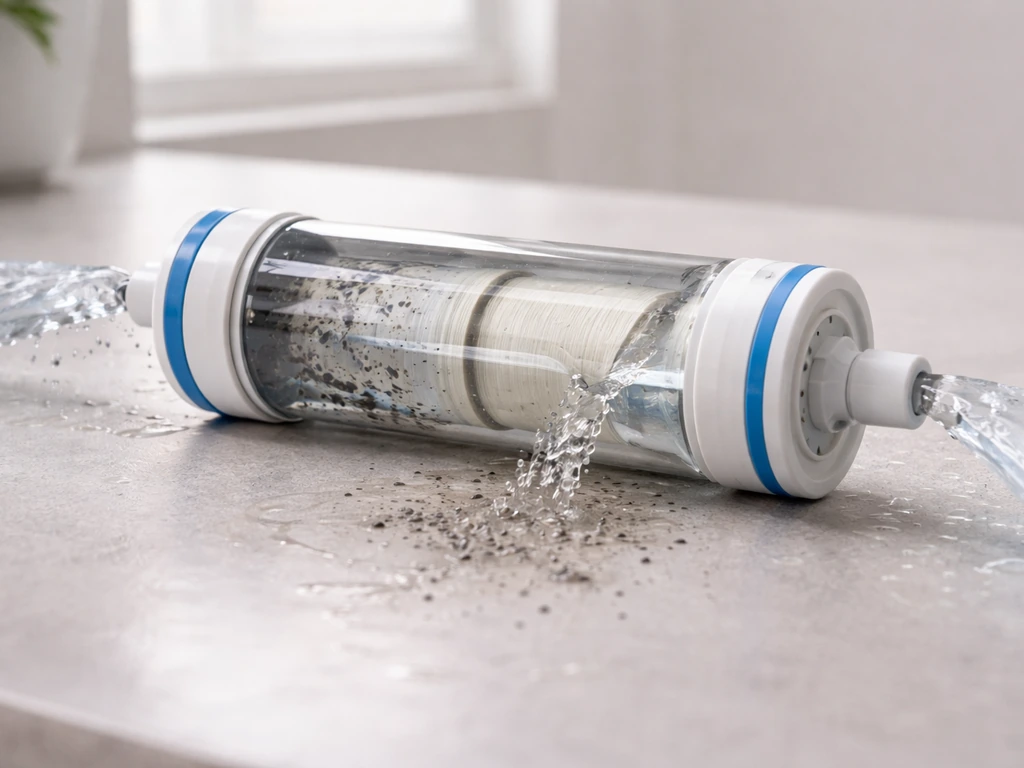
- Post-RO carbon filters: Activated carbon is an excellent biofilm substrate. If a post-RO carbon filter is not changed on schedule, it can become a source rather than a polishing step, actively shedding bacteria into otherwise clean product water.
- Distribution tubing and fittings: Long runs of flexible tubing, dead legs (unused branch lines), and improperly flushed lines all create stagnation zones. Plasticizers in certain tubing materials leach small amounts of carbon that feed biofilm.
- Recirculation loops: Systems without recirculation allow water to sit. Systems with recirculation keep water moving, which reduces stagnation, but only if flow rates and loop sanitation are maintained properly.
- UV and ozone stages: UV disinfection and ozonation are post-RO treatments designed to reduce bacterial counts. A UV lamp that is past its rated life (typically 9,000 to 12,000 hours) loses effectiveness. Ozone residuals must be managed carefully or they decay before reaching the point of use.
- Membrane integrity issues: Cracks, O-ring failures, and loose fittings allow feed water to bypass the membrane. This is less common in well-maintained systems but can introduce a sudden influx of organisms from the feed.
Biofilms: how bacteria actually multiply inside an RO system
Biofilm is the real mechanism behind chronic bacterial problems in RO systems. When planktonic (free-floating) bacteria in the water attach to a surface, they begin secreting a matrix of extracellular polymeric substances (EPS) that anchors them and protects them from disinfection, flushing, and even some chemical treatments. Once a biofilm is established, it continuously sheds planktonic cells back into the water, causing persistent contamination even if you periodically disinfect the bulk water.
Research in hemodialysis settings, where RO water quality is regulated tightly, has documented biofilm communities on RO membranes and distribution surfaces. Sphingomonas spp. consistently appear as dominant early colonizers on RO membranes. These organisms thrive precisely because they are adapted to ultra-low nutrient conditions.
The CDC notes that biofilms can develop under both stagnant and flowing conditions and that an increase in heterotrophic plate count (HPC) in water samples is an indicator of greater biofilm activity in the system. So a rising HPC trend in your monitoring data is not just a contamination snapshot; it is evidence that a biofilm community has established itself somewhere in the system.
Storage tanks and long pipe runs are especially vulnerable, as the CDC specifically identifies these as biofilm-prone locations. This is consistent with what the FDA notes: stagnant downstream water is a primary driver of bacterial and endotoxin problems in product water systems.
How to test RO water for bacterial contamination
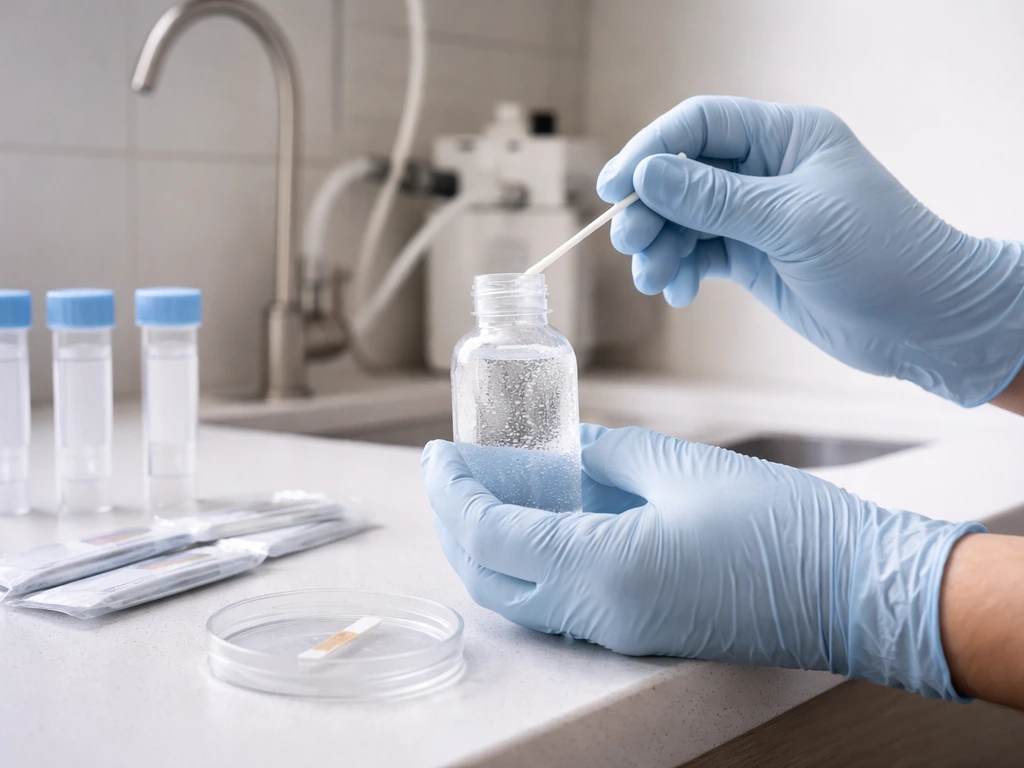
If you suspect a problem, or if you are managing an RO system for any regulated or sensitive application, testing is not optional. Here is what the main methods tell you and when to use each.
| Test Method | What It Detects | Typical Use Case | Interpretation Notes |
|---|---|---|---|
| Heterotrophic Plate Count (HPC) | Total culturable aerobic bacteria (CFU/mL) | Drinking water, lab water, food production monitoring | WHO and EPA use HPC as a regrowth indicator; rising trends matter as much as single results |
| Total Viable Count (TVC) | Similar to HPC; counts culturable bacteria on broad media | Pharmaceutical, dialysis, and lab-grade water QC | AAMI standard for dialysis water targets <100 CFU/mL; action level typically at 50 CFU/mL |
| ATP Bioluminescence | All living microbial biomass (ATP = energy molecule in live cells) | Rapid screening, point-of-use checks, biofilm swab testing | Fast result (minutes); does not distinguish species; useful for trend monitoring and biofilm surface swabs |
| Specific Pathogen Testing | Targeted organisms (e.g., Pseudomonas aeruginosa, coliforms, Legionella) | Food safety, healthcare water, post-incident investigation | Needed when a specific organism is suspected; paired with HPC for full picture |
| Endotoxin (LAL) Testing | Gram-negative bacterial endotoxins (lipopolysaccharides) | Dialysis water, pharmaceutical manufacturing, injectable-grade water | Detects byproducts of Gram-negative bacteria even after cells are killed; required for medical-grade systems |
For a home or small commercial RO system, a simple HPC test from a certified water testing lab is a practical starting point. Send samples from the point of use, not just from the pre-storage tap, to capture what the tank and distribution lines are contributing. For regulated applications, your quality standard will specify the test method, sampling frequency, and acceptance criteria.
Interpreting a single test result in isolation can be misleading. What matters more in most practical settings is the trend: if HPC counts are rising from one sampling period to the next, something in the system is supporting growth, even if you are still within an acceptable limit today. React to trends, not just thresholds.
How to fix and prevent bacterial growth in your RO system
If you are dealing with a contamination problem right now, the immediate goal is to interrupt the biofilm cycle, not just treat the bulk water. Here is a practical sequence.
Immediate steps when you have a confirmed or suspected problem
- Flush the entire system from membrane to point of use with high flow to remove stagnant water and loose biofilm material.
- Sanitize with an appropriate disinfectant approved for your system type (typically sodium hypochlorite solution for most residential and commercial RO systems, or hydrogen peroxide for systems where chlorine residuals are problematic). Follow manufacturer contact time and concentration guidelines, then flush thoroughly.
- Drain and clean the storage tank manually if accessible. Scrub interior surfaces, sanitize, and rinse before refilling.
- Replace post-RO carbon filters and any polishing cartridges. Do not just sanitize a spent carbon filter; the biofilm embedded in it will return.
- Check the UV lamp output if your system has one. Replace lamps that are past their rated hours even if they still emit visible light. Output degrades before the lamp fails completely.
- Test the water at the point of use after sanitizing and flushing, before returning to full use.
Ongoing prevention
- Replace filters on schedule, not just when flow drops. Carbon filters in particular should be changed based on time or volume, whichever comes first.
- Match tank size to actual usage so water does not sit for more than 24 hours. If usage drops, drain and refill the tank more frequently.
- Eliminate dead legs in your distribution lines. Any branch that is not regularly flushed is a biofilm incubator.
- Keep RO product water cool where possible. Water stored at room temperature in a warm environment grows bacteria faster than water stored below 15 degrees Celsius.
- Run the system on a regular schedule. Systems that sit unused for days without flushing accumulate biofilm quickly.
- Inspect O-rings, fittings, and membrane housings periodically for signs of wear, cracking, or poor seal. Feed water bypassing the membrane changes the entire risk profile.
- Implement a routine monitoring program appropriate to the application. Even a quarterly HPC test gives you trend data that can catch a problem before it becomes a serious one.
The core principle behind all of these steps is the same: RO removes bacteria at the membrane, but it does not maintain sterility downstream. Sterility maintenance requires an active, ongoing effort at every stage after the membrane. Systems that treat RO water as permanently clean after the membrane fails this test every time.
If you are exploring related questions about how water composition affects microbial growth, the same principles of nutrient availability, surface area, and stagnation apply broadly. Whether looking at water softeners, municipal distribution, or storage containers, the pattern is consistent: low-nutrient water slows bacterial growth but does not stop it when conditions eventually favor colonization.
FAQ
Can bacteria grow in RO water in a brand-new system right after installation?
Yes, growth can start quickly once water reaches a storage tank, tubing, or any post-RO filter, even if the membrane is working well. The first colonization often comes from low-level organics already present in the system materials, so “new” does not mean “sterile.”
If my RO permeate tests have low TDS, does that guarantee bacteria will not multiply?
No. Low TDS limits some nutrients, but trace dissolved organic carbon and bioavailable organics from carbon filters, tank liners, and tubing can still support growth, especially for oligotrophic bacteria that are adapted to low-nutrient water.
Does bacteria growth require warm temperatures?
Warmth speeds up growth, but it is not a strict requirement. In cool conditions bacteria may grow more slowly, yet with enough stagnation time and available surfaces they can still shift from dormant to multiplying.
What is the biggest risk factor, growth in the tank or leakage/bypass through the membrane?
For most real-world issues, post-membrane conditions and storage or distribution stagnation are the dominant drivers. Membrane cracks or bypass leaks can also allow microbial passage, but if the membrane is intact, biofilm formation downstream is usually what creates persistent contamination.
Is RO water safe for drinking if bacteria are present but at low counts?
It depends on the context and organism. Low heterotrophic plate counts do not guarantee safety from pathogens or endotoxin, and biofilms can seed new spikes over time. For drinking water, treat rising trends as a warning and consider using a full drinking-water monitoring plan rather than HPC alone.
Should I sample from the pre-tank tap or from the point of use?
Sample at the point where people or equipment actually consume the water. Pre-storage samples can look acceptable while tanks, loops, and post-RO filters contribute most of the microbial load, which is why sampling location changes how the results reflect reality.
How often should I test an RO system for bacterial regrowth?
A good rule is to test on a schedule tied to your turnover and risk level, then increase frequency if you see upward trends. Systems with larger tanks, infrequent use, or warm storage typically need more frequent sampling because water age strongly affects regrowth.
Can disinfection temporarily reduce contamination but still leave the problem untreated?
Yes. If biofilm is established on tank walls, fittings, or internal tubing, disinfecting the bulk water may not remove the protective matrix. You need a plan that targets the surfaces and breaks the cycle, not just a one-time treatment of stored water.
Will a sealed storage tank completely prevent bacterial growth?
It reduces re-oxygenation and can slow some aerobic growth, but it does not prevent colonization. Stagnant sealed tanks still accumulate trace organics over time, and bacteria can persist in dormant forms and re-grow when conditions support it.
Does RO water become more bacterial over time even if I do not add any nutrients?
Yes. Even without added nutrients, water age lets trace dissolved organics accumulate from system materials and allows biofilm communities to shed cells back into the water, so counts can rise measurably over 24 to 72 hours in stagnant warm conditions.
What should I do if my heterotrophic plate count trend is increasing?
Treat the trend as evidence of system support for growth. Review sampling location and water age first, then check tank conditions, post-RO carbon filter handling, tubing cleanliness, and the possibility of stagnant loops or dead legs before deciding on any disinfection or replacement actions.
Next Article
Can Bacteria Grow in a Water Softener? Fix and Prevention
Learn if bacteria can grow in a water softener, where biofilms form, and step-by-step cleaning and prevention.