Yes, bacteria can grow in salt and saltwater under the right conditions. That might surprise you if you think of salt as a universal preservative, but the full answer is more nuanced: salt slows or stops most bacteria by pulling moisture out of their environment, but some bacteria are specifically adapted to thrive in salty conditions, and even ordinary bacteria can survive in salt without actually multiplying. Whether you are dealing with a food brine, a saline solution, or just questioning whether your salty liquid is truly safe, the answer comes down to salt concentration, water activity, temperature, and a few other variables this guide will walk you through.
Can Bacteria Grow on Salt? Growth vs Survival and Risks

Marcus Reeves
11 Apr 2026
Can bacteria grow in salt, saltwater, or saline? The direct answer
Salt inhibits most common bacteria, but it does not kill or stop all bacteria. At low salt concentrations (think lightly seasoned food or a weak saline rinse), many pathogens including Salmonella, Listeria, and Staphylococcus aureus can still grow. At higher concentrations, growth slows and eventually stops, but the exact cutoff varies widely by species. Some bacteria are not just tolerant of salt, they require it. So the short answer is: yes, bacteria can grow in salt and saltwater, but whether they actually do depends on how much salt is present, what organism you are dealing with, and what other conditions are in play.
For practical purposes, saltwater and saline solutions are the same problem as solid or dissolved salt: it is the concentration of dissolved salt and the resulting water availability that matters, not the physical form. Throughout this article, salt, saltwater, and saline all refer to the same underlying question about whether enough free water exists for microbial growth.
Growth vs survival: these are not the same thing
When someone asks whether bacteria can grow on salt, they usually want to know if bacteria are multiplying, meaning the population is increasing and a contamination risk is building. That is growth. Survival is different: a bacterium can be present and metabolically active at low levels without dividing. It is alive but not spreading.
This distinction matters enormously for food safety. A pathogen that merely survives in your brine is concerning but manageable with proper handling. A pathogen that is actively growing in your brine is a genuine hazard that compounds over time. Salt's main job as a preservative is to prevent growth, not necessarily to kill. Even in heavily salted environments, some cells will persist in a dormant or slow state. If conditions shift, such as the brine becoming diluted, the temperature rising, or additional nutrients washing in, those surviving cells can resume growing.
Just as bacteria can persist without water in a dormant state and then reactivate when moisture returns, bacteria surviving in high-salt conditions can reactivate when salinity drops. Never assume that past survival means no future growth risk.
Salt concentration and water activity: the real controlling factor
The mechanism behind salt's preservative power is water activity (aw). Water activity is a measure of how much free, available water is in a solution or food, expressed on a scale from 0 to 1. Pure water has an aw of 1.0. As you dissolve salt in water, you tie up water molecules and lower the aw. Bacteria need free water to carry out metabolism, and when aw drops below a species-specific threshold, growth stops.
The FDA has established that Clostridium botulinum, the organism responsible for botulism, requires a minimum aw of approximately 0.93 to grow. That single data point illustrates the principle: it is not just about whether salt is present, it is about how far salt has pushed aw below the organism's minimum threshold. Different pathogens have different minimums, so a concentration that stops one organism may still allow another to multiply.
| Organism | Approximate minimum aw for growth | Salt tolerance category |
|---|---|---|
| Clostridium botulinum | 0.93 | Salt-sensitive |
| Salmonella spp. | 0.94–0.95 | Salt-sensitive |
| Listeria monocytogenes | 0.92 | Halotolerant |
| Staphylococcus aureus | 0.83 (toxin production ~0.86) | Halotolerant |
| Halophilic bacteria (moderate) | 0.75–0.90 optimal | Halophile |
| Extreme halophiles (e.g., Halobacterium) | Below 0.75 optimal | Obligate halophile |
A 3.5% salt solution (roughly the salinity of seawater) still has an aw close to 0.98, which is high enough to support growth of most foodborne pathogens. You typically need 10% or higher NaCl concentrations to meaningfully suppress common bacteria, and you need concentrations approaching saturation (around 26% NaCl) to approach the range where only true halophiles survive.
The relationship between bacteria that can grow in high salt concentration and water activity is well-studied: halophilic organisms are actually plotted on growth curves against aw rather than raw salt percentage, because aw is the true controlling variable regardless of which solute is lowering it.
Salt is not the only lever: temperature, nutrients, and oxygen all matter
One of the most common mistakes in food preservation is relying on salt alone. Salt concentration and aw set a ceiling on what can grow, but other conditions determine whether growth actually happens within that ceiling.
Temperature is the most important co-factor. A brine that is marginally safe at refrigerator temperatures (around 4°C / 39°F) can become unsafe quickly if left at room temperature, because many bacteria have broader growth ranges at higher temperatures. Refrigeration slows growth dramatically even in relatively dilute brines. The FDA notes that Listeria monocytogenes can still multiply at refrigerator temperatures (at or near 0°C), so controlling growth conditions is important even in cold storage Refrigeration slows growth dramatically even in relatively dilute brines.. If your salt concentration is borderline, temperature control is not optional.
Nutrient availability also matters. A sterile saline solution with no organic carbon is a much less hospitable environment than a brine that contains meat juices, sugars, or protein residues. The more nutritionally rich the salty liquid, the more likely it is to support growth even at moderate salt concentrations.
Oxygen availability determines which organisms have a chance. Anaerobic bacteria like Clostridium botulinum do not need oxygen to grow, which is why improperly sealed, lightly salted fermented or cured products can still carry a botulism risk even with no air exposure. Aerobic organisms, on the other hand, are limited by oxygen in submerged brines, but the surface of a brine is exposed to air and can support aerobic contaminants. This is the same logic that applies when asking whether bacteria can grow in water generally: the dissolved oxygen content and available nutrients shape which organisms dominate.
pH adds another layer. Acidic environments (pH below 4.6) combined with adequate salt can push aw and acidity together to a point where almost no pathogens survive. This is why properly made fermented pickles (low pH, moderate salt) are more reliably safe than a simple brine at the same salt concentration alone.
Halophiles, halotolerant bacteria, and salt-sensitive species: who you are dealing with
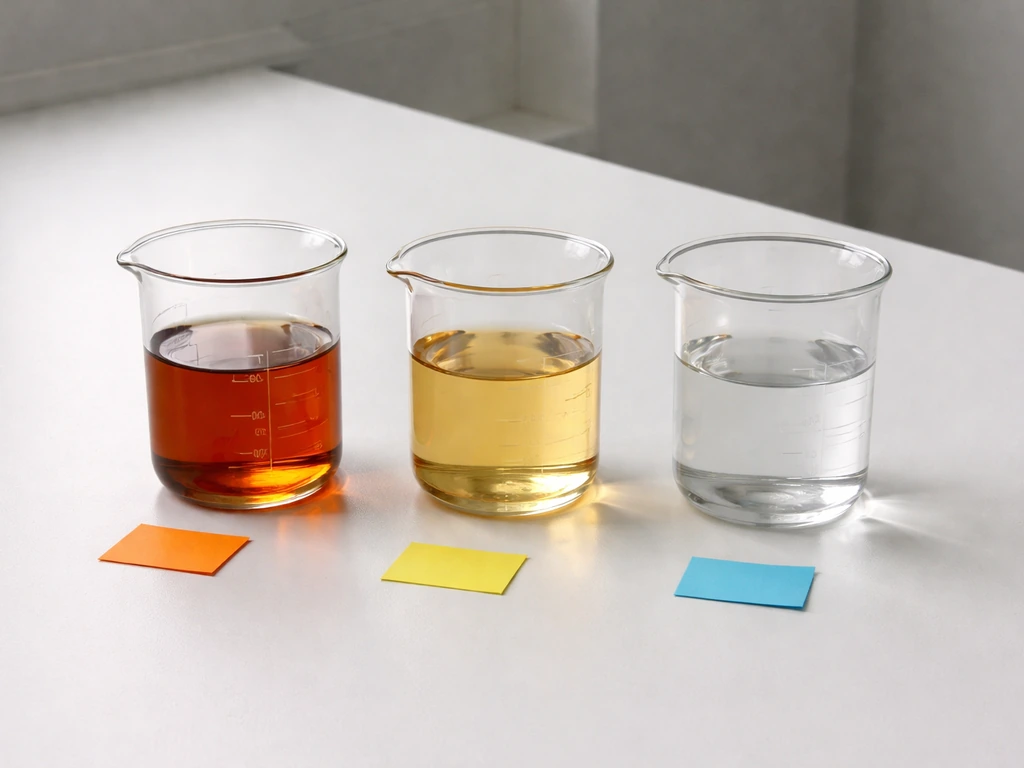
Not all bacteria respond to salt the same way. There are three broad categories worth knowing.
- Salt-sensitive (non-halophilic) bacteria: Most common foodborne pathogens fall here. They grow best in low-salt or salt-free conditions and are inhibited or killed at moderate-to-high salt concentrations. Examples include Salmonella and E. coli.
- Halotolerant bacteria: These organisms do not require salt but can tolerate relatively high concentrations. Staphylococcus aureus and Listeria monocytogenes are practical examples. They will grow in brines up to roughly 10–15% NaCl depending on other conditions, which is why improperly brined cheeses and cured meats still carry Listeria and Staph risks.
- Halophiles: These bacteria actually require elevated salt concentrations to grow and cannot survive in salt-free media. Moderate halophiles grow optimally at 3–15% NaCl; extreme halophiles thrive at concentrations from 15% up to near saturation. Most are not human pathogens, but they can cause spoilage of heavily salted foods like salt cod, salt-cured meats, and fermented fish.
From a food safety standpoint, halotolerant organisms are your biggest concern in practical brining and curing scenarios, because they bridge the gap between the conditions we commonly use and the conditions we assume are safe. If you are wondering about the behavior of microbes in very low-mineral, purified water systems, the same spectrum applies: bacteria can grow in RO water when nutrients are present, and removing ions does not make water sterile.
Real-world guidance for brines, cured foods, and home preservation
Getting salt concentrations right
For wet brines used in food preservation, a minimum of 10% NaCl by weight (approximately a 10-gram-per-100-mL solution) is commonly cited as the lower end of meaningful inhibition for most non-halotolerant bacteria. For reliable suppression of Listeria and Staph, you need higher concentrations or must combine salt with refrigeration and/or pH control. Salt-cured fish and meat traditionally use concentrations at or near saturation (roughly 26% NaCl), which keeps aw low enough to stop most growth but does not prevent halophilic spoilage organisms entirely.
Industry best practices for dairy brines, for example, require active microbiological monitoring programs rather than simply assuming a target salt concentration is protective. Salt concentration must be verified regularly because dilution from wet food surfaces, temperature fluctuations, and contamination from equipment or handling can shift conditions enough to allow unexpected growth. This is true whether you are running a commercial cheese brine or a home pickling operation.
Practical steps that actually reduce risk
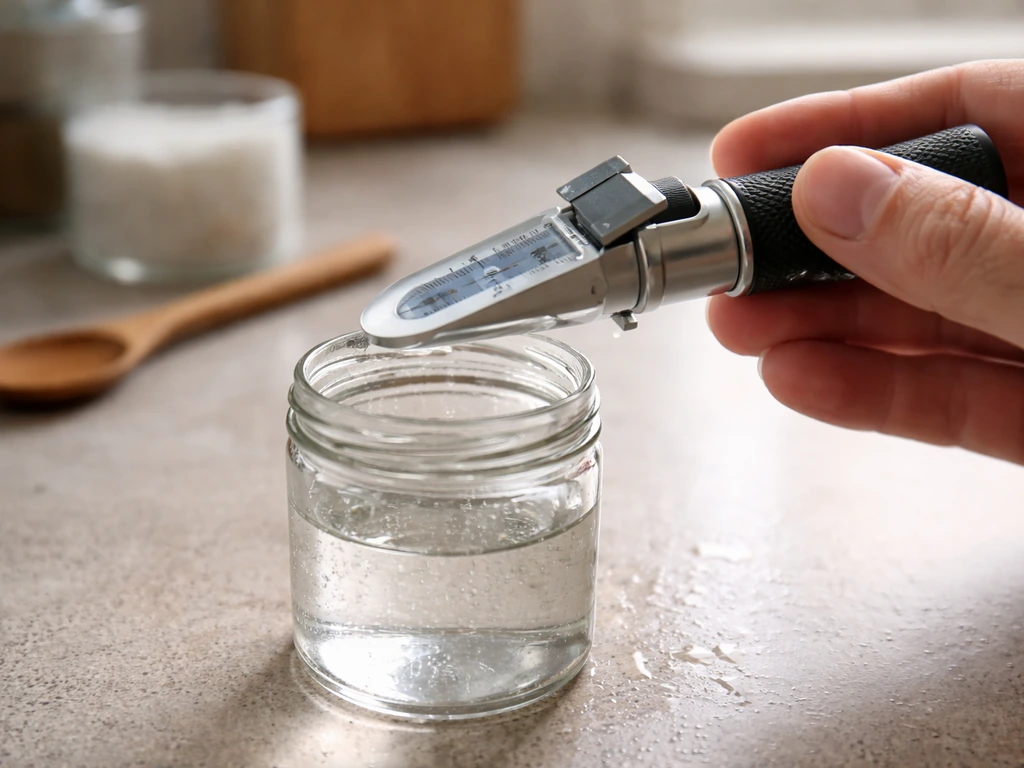
- Measure your salt concentration accurately using a brine salometer or refractometer rather than estimating by taste or volume. Eyeballing brine strength is one of the most common sources of preservation failures.
- Combine salt with refrigeration. Even a well-saturated brine is safer stored cold. If your brine will sit at room temperature, tighter salt control and pH acidification become essential.
- Use pH as a second barrier. Adding an acid (vinegar or lactic acid from fermentation) to lower pH below 4.6 dramatically expands your safety margin. The combination of low aw and low pH is far more effective than either alone.
- Keep containers and utensils clean. Contamination introduced via dirty equipment can add new organisms at concentrations high enough to survive long enough for conditions to shift in their favor.
- Replace or replenish brines regularly. Used brines accumulate organic matter (proteins, sugars from the food being brined) that raises the nutrient load and can support growth even when salt concentration is maintained.
- Do not reuse brine from raw meat or poultry without pasteurization. The pathogen load introduced by raw protein is too high to rely on salt alone.
It is also worth keeping in mind that dry salt environments present different challenges than liquid brines. Bacteria growing in dry conditions are constrained by the same water activity principles, but solid salt can absorb ambient humidity over time and create microenvironments at the surface where aw is locally higher than expected.
Troubleshooting contamination in a salty solution
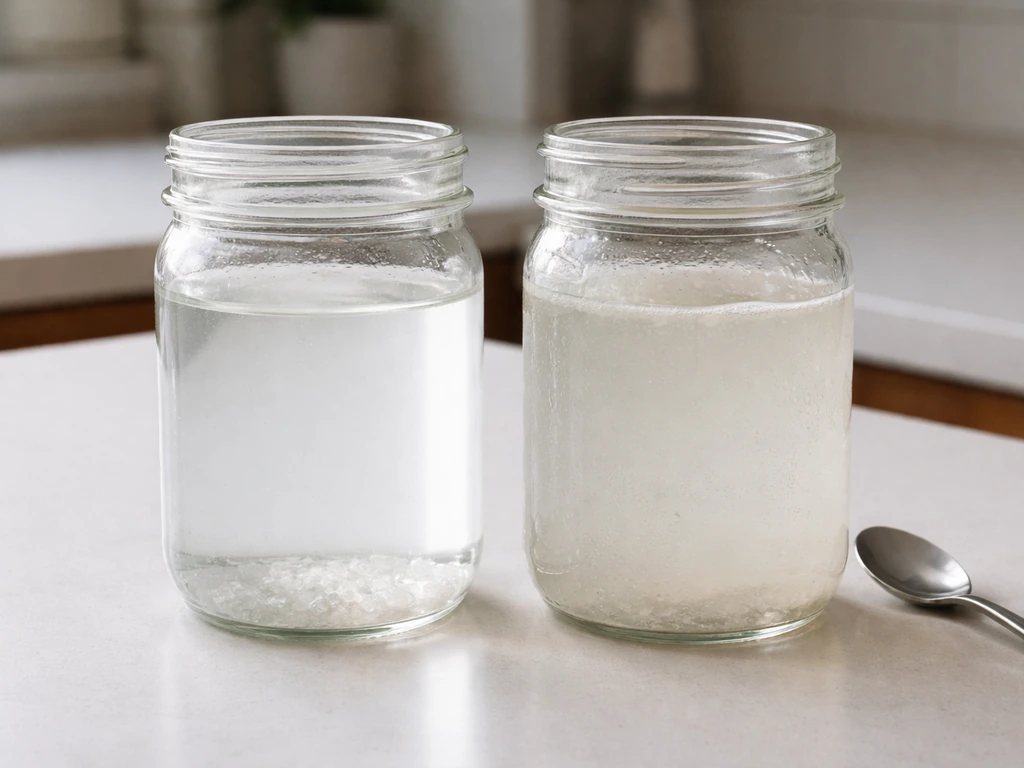
If you suspect something is growing in your brine or salt solution, the first question to ask is whether the conditions have drifted from where they should be. Brines can fail in several specific ways.
- Visible cloudiness, sliminess, or off-odor in a brine that was previously clear: these are signs of active microbial growth, likely bacterial or yeast. The brine should be discarded, not adjusted.
- Surface film or pellicle: a thin film forming on the surface of a brine is typically yeast or halotolerant aerobic bacteria. This is common in fermentation but can also indicate inadequate salt concentration or contamination.
- Unexpected softening of brined vegetables or cheeses: pectinolytic bacteria can degrade texture even in relatively salty environments, indicating that salt concentration may be insufficient for the product.
- Gas production in a sealed jar: anaerobic fermentation is occurring, which may be intentional (lacto-fermentation) or may indicate Clostridium activity if the brine pH is not appropriately low.
When contamination is suspected, measuring current brine salinity and pH is your first diagnostic step. If either has drifted significantly from the target, discard and restart rather than trying to correct in place. For food safety professionals, plating samples on selective halophilic media can identify whether a halotolerant or halophilic organism is involved, which shapes the corrective action.
If the issue is in a water-based system rather than a food brine, such as a salt-treated water softener tank or a saline storage vessel, the analysis is similar. Bacteria can grow in a water softener when stagnant conditions, organic buildup, and intermittent salinity provide the right mix for halotolerant organisms. Regular sanitization of the tank is the corrective action, not just adjusting salt dosage.
What salt cannot do on its own
Salt is a powerful preservation tool but not a complete one. It works best as part of a multi-hurdle approach where multiple conditions each contribute to suppressing microbial growth. On its own, even high concentrations of salt leave gaps: it does not destroy bacterial endospores, does not prevent all halotolerant and halophilic growth, and its effectiveness erodes whenever the brine is diluted or contaminated with organic matter.
Temperature control (refrigeration or heat treatment) remains the most reliable co-intervention. Pasteurization destroys vegetative cells even in salt solutions. Acidification closes the gap that salt leaves for halotolerant organisms like Listeria. Together, these create overlapping barriers that individually modest concentrations of salt cannot provide alone.
Understanding how these factors interact is the same analytical framework used to evaluate any water-based microbial risk: free water, nutrients, temperature, and organism type all determine the outcome. For anyone working through a related question about microbes and water availability more broadly, the principles governing whether bacteria can grow in water are directly applicable here, just with salt as the variable pulling aw down from the baseline.
The bottom line: treat salt as a critical control point that needs to be measured, maintained, and combined with other barriers, not as a set-and-forget safeguard. When concentration, temperature, pH, and sanitation are all managed together, salt-based preservation is highly effective. When any of those slip, bacteria, especially the halotolerant ones, will find a way.
FAQ
If bacteria can survive in salted liquid, does that mean my salty solution is always unsafe?
Not necessarily. Survival without growth is usually a lower risk, but it depends on whether the environment still has the right conditions for division. If temperature is warm, nutrients are present (for example, food residues), and salinity has drifted downward, surviving cells can reactivate. For safety decisions, treat any sign of contamination (odor, cloudiness, visible particles) as a trigger to measure salinity and pH and consider discarding rather than assuming salt alone prevents growth.
How can I tell whether a brine is likely losing its protective salt concentration?
The most common causes are dilution and salt creep from the food or container surfaces, plus evaporation that changes concentration in unpredictable ways. Practically, measure salt concentration with a tool that gives actual readings (not taste), and check it after adding each batch of food, after temperature equilibrates, and periodically during storage. Also confirm that the brine is fully covering the product, because exposed portions can accumulate contaminants at the surface where oxygen and nutrients are higher.
Does dissolving salt into tap water make it sterile or safer than plain water?
No. Adding salt can inhibit growth and reduce some activity, but it does not sterilize water, and bacteria already present can persist. The risk is determined by water activity, nutrients, and temperature, not by the salt being present at all. If the water is used for something food-related like fermentation, sanitation and starting with microbiologically safe ingredients still matter.
Can bacteria grow on dry salt or on salted surfaces?
Yes, but it is usually limited to microenvironments where humidity condenses and locally raises water activity. A dry salt layer can still absorb moisture from air (or from the surface being salted), creating wet spots where halotolerant or opportunistic bacteria can persist or slowly grow. This is why maintaining dryness and preventing rehydration matters when you rely on salt as a surface preservative.
Is tasting salt brine a reliable way to confirm safety?
No. Taste does not accurately tell you salt concentration, and small concentration shifts can change which organisms can grow. Use a measurement approach (for example, conductivity or a refractometer or a lab-style salinity measurement) and verify pH as well. If you are anywhere near the lower inhibition range for your target food, rely on measurement plus multi-hurdle controls, not taste.
What happens if I accidentally use too little salt in a fermentation or curing recipe?
Too little salt often means insufficient water activity reduction, so halotolerant pathogens can compete, and fermentation may fail to drop pH quickly enough to compensate. If the pH does not fall as expected or the brine becomes cloudy or foul, the safest approach is usually to discard and restart with a correctly measured salt level and clean equipment. Correcting in place by adding more salt can sometimes help, but it does not undo contamination that may have already occurred.
Does salt prevent botulism risk in lightly salted, sealed foods?
Not reliably. Salt primarily suppresses growth, it does not guarantee prevention of organisms that can tolerate salty conditions, and botulinum growth depends strongly on water activity plus anaerobic conditions. If you are using low-salt, anaerobic curing or fermentation, you need additional hurdles such as strict temperature control and appropriate acidification, and you should follow proven, tested processes rather than assuming salt is enough.
Why can bacteria grow in seawater-like salinity even though salt is high?
Because “high salt” by percentage does not automatically mean water activity is low enough for the specific organisms you are worried about. Around seawater salinity, water activity can still be high enough for many foodborne bacteria to grow, especially when temperature and nutrients are favorable. That is why formulas based only on salt percentage without considering water activity, pH, oxygen, and temperature can be misleading.
If I disinfect or pasteurize salted food, will spores and surviving cells matter later?
They can. Pasteurization mainly targets vegetative cells, some resistant forms like endospores are not necessarily destroyed, and surviving cells may resume growth if the brine conditions later shift. That is why maintaining concentration, sanitation, and the intended temperature and pH over the full storage period matters, not just at the start.
What should I do if I notice contamination in my brine, but salt and pH seem okay?
Check other variables that can change which organisms win, even when salinity and pH are within target. Verify temperature history, ensure the brine fully covers the food, and assess nutrient input (for example, organic debris washing in from utensils or food surfaces). If the system is commercial or you are seeing repeated failures, culture-based identification and trend monitoring can help determine whether halotolerant organisms are involved and why they are getting introduced.
Next Article
Can Bacteria Grow in Lemon Juice? Growth Risk Explained
Learn if bacteria can grow in lemon juice, how acidity affects survival vs multiplication, and safe storage steps.