Yes, bacteria can absolutely grow in water. Water is not a sterile, bacteria-free environment by default. Given the right conditions, bacteria can multiply in drinking water, stored water, and water used in food preparation. The key word is "conditions" because plain water with no nutrients, no warmth, and a solid disinfectant residual is a tough place for bacteria to thrive. But change even one of those variables, and growth becomes very possible.
Can Bacteria Grow in Water? Conditions and How to Reduce Risk

Marcus Reeves
15 Apr 2026
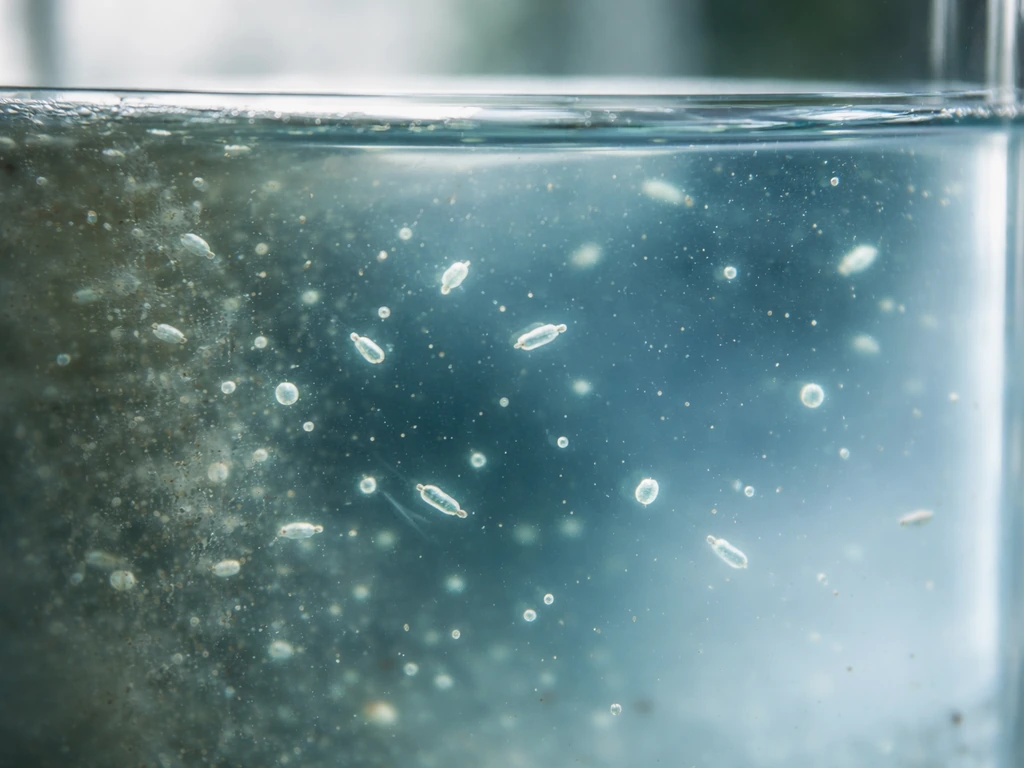
The conditions that actually drive bacterial growth in water
Bacteria don't grow just because water is present. They need a combination of factors to multiply, and understanding those factors is the most useful thing you can take away from this article.
Temperature
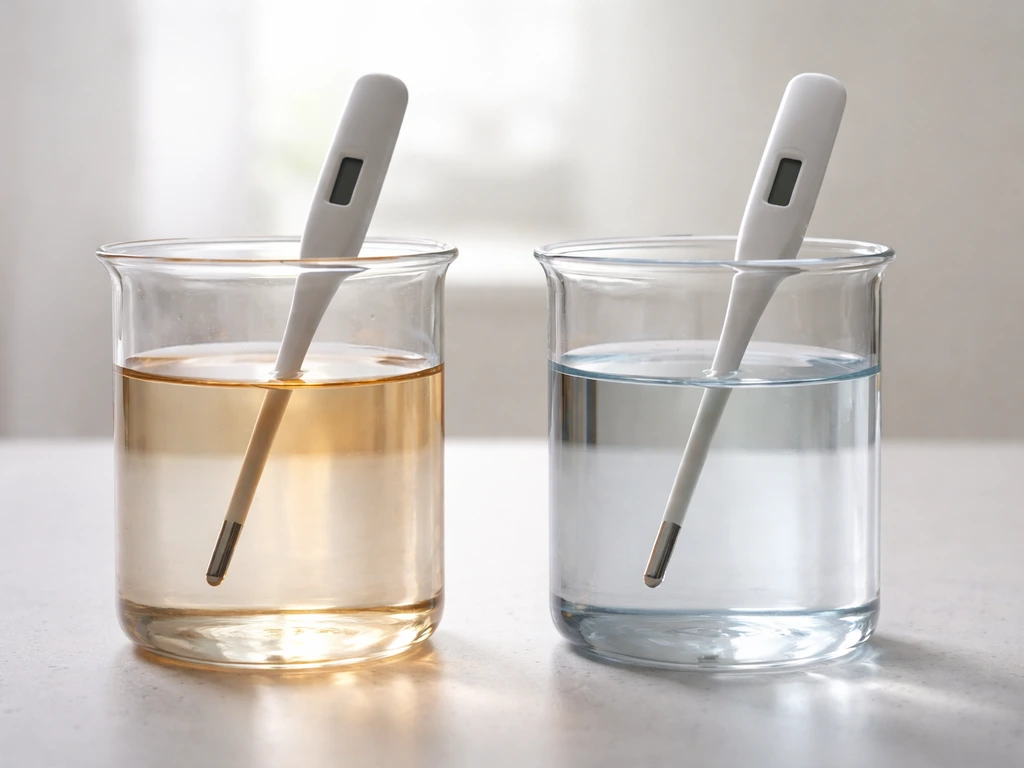
Temperature is the single biggest lever. Most pathogenic bacteria grow fastest in the range between roughly 68°F and 113°F (20°C to 45°C). CDC notes that Legionella grows best within about 77°F, 113°F (25°C, 45°C) Legionella grows best within about 77°F–113°F (25°C–45°C). The CDC specifically recommends keeping potable water below 77°F (25°C) to reduce Legionella growth risk in water systems. Legionella, the bacterium behind Legionnaires' disease, thrives in warm stagnant water, which is why hospital and building water systems get so much scrutiny. If your water sits in a warm environment, whether it's a garden hose baking in the sun or a water tank in a heated storage room, you're in a temperature range that bacteria appreciate.
Nutrients and organic matter
Pure, deionized water with zero organic matter is hostile to most bacteria. But real-world water almost always contains traces of organic carbon, sediment, minerals, and other material that bacteria can feed on. The more organic matter present, the more fuel for growth. This is why stagnant water in a container that hasn't been cleaned, or water running through old corroded pipes, often harbors far more bacterial activity than freshly treated tap water.
It's worth noting that some non-fastidious gram-negative water bacteria have such minimal nutritional requirements that they can grow even in distilled water given enough time. This is a good reminder that "survival" and "growth" are not the same thing, and we'll come back to that distinction shortly.
pH
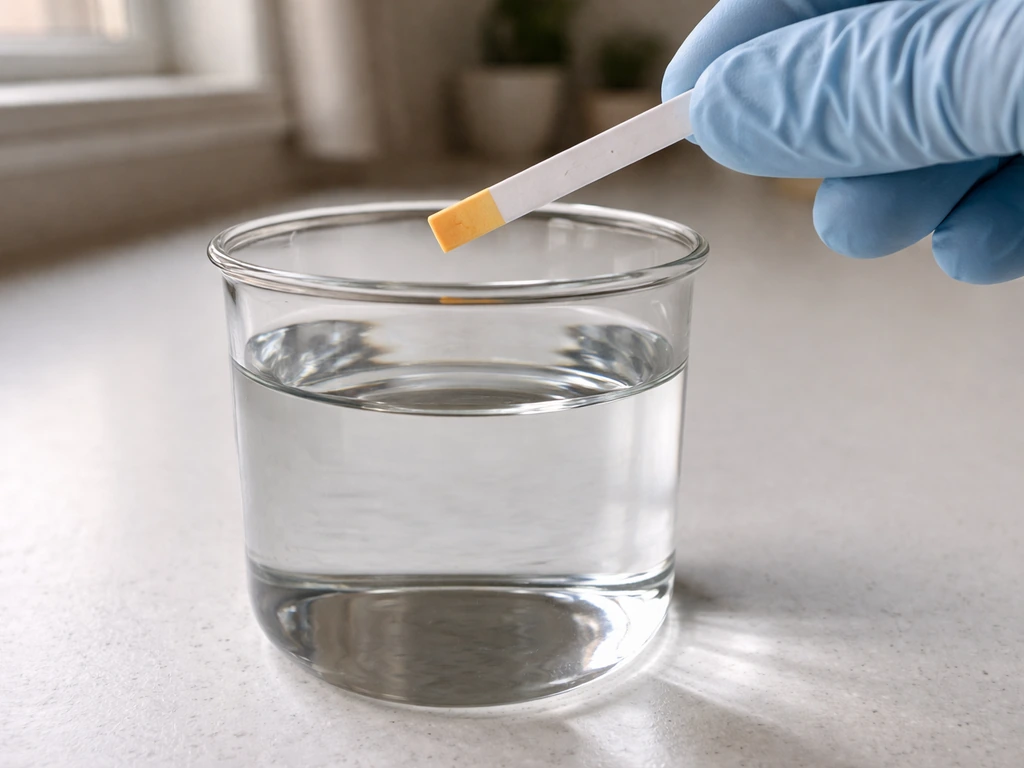
Most bacteria that pose a risk in drinking water prefer a pH range of roughly 6 to 8, which is close to neutral. Standard tap water sits right in that comfortable zone. Highly acidic or highly alkaline water is generally less hospitable to bacterial growth, but the pH shift required to significantly suppress growth is usually impractical for everyday drinking water.
Oxygen, water type, and what "clean water" really means
Oxygen availability splits bacteria into two camps: aerobic bacteria need oxygen to grow, while anaerobic bacteria grow in its absence. Water can support both. Surface water exposed to air tends to have dissolved oxygen and favors aerobic species. Deep, stagnant, or sealed water containers can become oxygen-depleted over time, allowing anaerobic bacteria to take over. Neither environment is automatically safe from bacterial growth.
The type of water matters a lot in practice. Freshly chlorinated municipal tap water is treated specifically to suppress microbial growth. Municipal utilities maintain a chlorine residual throughout distribution systems for exactly this reason. But that residual decays. The further water travels through a distribution network, or the longer it sits in a home's pipes or a stored container, the less disinfectant protection remains. Once chlorine drops below an effective level, bacteria that entered the system anywhere along the line can start to multiply.
If you're curious how treated water compares to other types, bacteria in reverse osmosis water behaves differently because RO filtration removes most dissolved solids, which changes the nutrient landscape considerably.
Stagnant water is in a different category altogether. Water sitting in an uncleaned container, a clogged drain, or a section of pipe that rarely gets flushed creates an environment where bacteria can form biofilms. Biofilms are structured microbial communities that cling to surfaces and are significantly harder to eliminate than free-floating bacteria. Research on drinking water distribution systems shows that higher chlorine residual concentrations measurably reduce biofilm concentrations at both growth and re-growth stages. Once biofilm establishes itself and chlorine residual drops, regrowth happens quickly.
You might also wonder about water that's been softened or chemically treated in other ways. bacterial growth in a water softener is a real concern because softener tanks can create warm, nutrient-available environments if not properly maintained.
What people mean when they ask "how to grow bacteria in water"
Some people searching this topic are curious in a microbiological sense: what are the conditions that allow bacteria to multiply in water? That's the conceptual question this article addresses. If you're a student, educator, or food safety professional trying to understand the mechanics, the answer is that you're essentially recreating the conditions listed above: warmth, available nutrients, neutral pH, appropriate oxygen levels, and absence of disinfectant.
What this article won't do is provide step-by-step instructions for culturing specific pathogens. That requires controlled laboratory conditions and training. But understanding what makes growth possible is genuinely useful for the flip side of the question: how to prevent it. And prevention is where most readers actually need to focus.
It's also worth keeping a clear line between growth and survival. Bacteria can survive in water under conditions where they can't actively multiply. bacteria surviving without water is a related but distinct topic, and the same logic applies in reverse: surviving in water doesn't always mean growing in it. A pathogen that enters cold, chlorinated tap water might survive for hours or days without actually multiplying.
How to reduce bacterial growth in water at home and in food settings
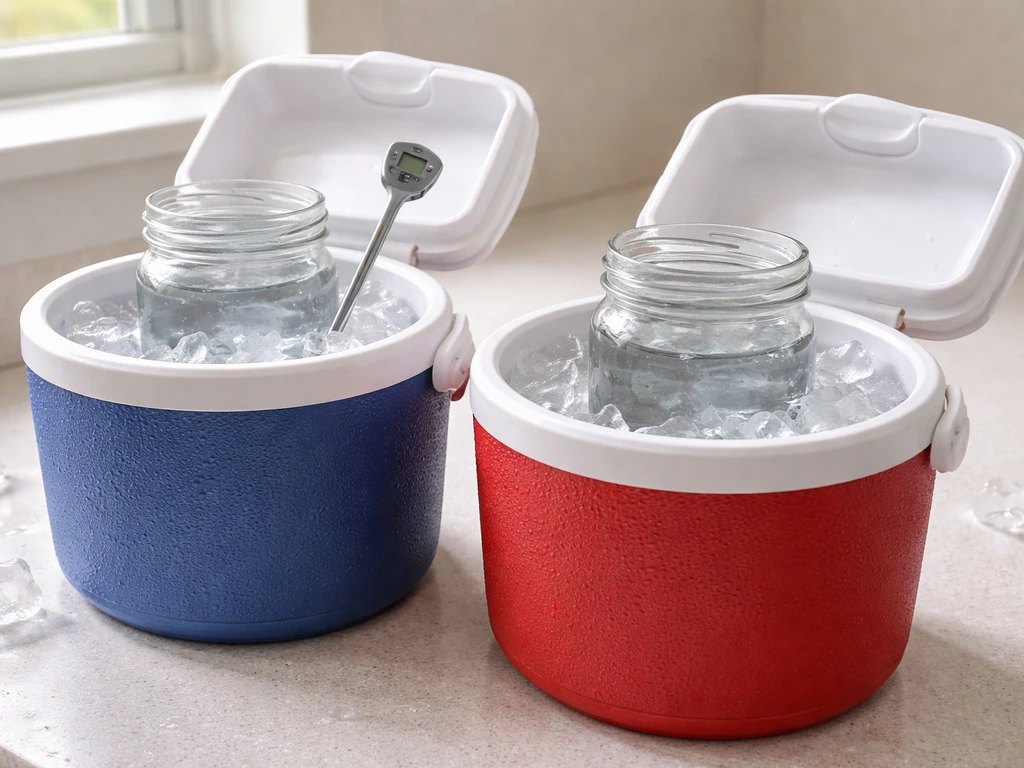
Here's where the practical guidance lives. Whether you're managing water for a home kitchen, a food service operation, or just trying to store drinking water safely, the same principles apply.
- Keep stored water cold. Below 50°F (10°C) is ideal. If refrigeration isn't an option, keep water in the coolest space available and turn it over frequently rather than letting it sit.
- Use clean, sanitized containers. Biofilm forms on container walls. Wash water storage containers regularly with soap and hot water, and sanitize them before refilling.
- Don't let water sit stagnant. Flush lines, hoses, or containers that haven't been used for extended periods before trusting the water for drinking or food prep.
- Maintain disinfectant where appropriate. If you're treating stored water (for emergency preparedness, for example), the CDC notes that maintaining a chlorine residual is the primary tool municipal systems use to suppress microbial growth. For home use, food-grade water treatment drops are available.
- Avoid introducing organic matter. Don't backwash food prep equipment or utensils into water storage containers. Organic residue provides the nutrients bacteria need.
- Monitor temperature in food service water systems. Water holding lines, steamers, and other equipment that keeps water warm need regular cleaning and temperature monitoring to prevent bacterial buildup, particularly for Legionella-prone systems.
If you're working in food safety and managing high-salt or brine-based water environments, the rules shift somewhat. bacterial growth on salt is limited for most pathogens, but not all. Some organisms are halotolerant or even halophilic, meaning they've adapted to survive and grow in salty conditions. You can read more about bacteria that thrive at high salt concentrations if that's relevant to your preservation or storage setup.
Survival vs. growth: why the distinction matters for food safety
Not every bacterium in water is actively growing. This distinction matters practically. A pathogen that enters your water supply through contamination might survive without multiplying if conditions aren't favorable for growth. Cold temperatures, adequate disinfectant, and low organic content all push bacteria toward survival mode rather than active multiplication.
But survival alone is still a food safety risk. If contaminated water is used to wash produce, prepare food, or make ice, surviving pathogens can transfer to food and then find much more hospitable conditions to multiply once they're in a nutrient-rich environment like a warm kitchen or improperly stored food. This is why water quality isn't just a drinking water issue, it's a food safety issue at every stage of handling.
The dry conditions comparison is useful here too. bacterial growth in dry conditions is heavily restricted because water activity is the primary driver of microbial life. Water enables metabolism, reproduction, and toxin production. This is why drying and dehydration are preservation methods. But it also underscores why water that looks clean is not automatically safe: the presence of water is essentially an open invitation for bacteria, and only the other factors (temperature, nutrients, pH, disinfectant) determine whether they accept it.
| Condition | Effect on bacterial growth in water | Practical implication |
|---|---|---|
| Temperature below 50°F (10°C) | Significantly slows most pathogen growth | Refrigerate stored water and water-based preparations |
| Temperature 68–113°F (20–45°C) | Optimal range for most pathogens including Legionella | Avoid leaving water in warm environments; flush warm lines |
| Adequate chlorine residual | Suppresses free-floating bacteria and biofilm formation | Use treated municipal water; maintain disinfectant in stored water |
| High organic matter content | Provides nutrients that fuel bacterial multiplication | Keep containers clean; avoid contaminating water with food residue |
| Stagnant, low-oxygen conditions | Favors anaerobic bacteria and biofilm development | Flush lines regularly; avoid long-term stagnant storage |
| Neutral pH (6–8) | Comfortable range for most waterborne pathogens | Adjust pH only where practically feasible in industrial settings |
What to check today
If you're reading this because you're concerned about water safety in your home or food operation, here's what to act on right now. Check the temperature of any stored water. If it's been sitting somewhere warm, treat it as suspect. Look at your containers and ask when they were last cleaned. Inspect any water lines or hoses that don't see regular use and flush them before relying on that water for food preparation. If you're on municipal water, check whether your building has any known issues with chlorine residual decay, particularly in older plumbing.
Bacteria can grow in water. But they need the right conditions to do it, and most of those conditions are things you can actually control. Temperature, cleanliness, organic load, and disinfectant presence are your practical tools. Get those right, and water goes from a bacterial growth medium back to what it's supposed to be: a safe resource.
FAQ
Can bacteria grow in my hot tap water?
Yes, bacteria can grow in hot water, but the risk depends on how hot it is and how long it stays there. Many bacteria grow best in the mid-warm range, so very hot water (like typical hot water heater temperatures) is less supportive than lukewarm water that sits for hours. The biggest practical danger spots are warm, low-flow areas (like rarely used taps) and water heater “dead legs,” where heat gradients and time promote growth.
If my water comes from a municipal system, why is there still bacteria risk at my faucet?
Splashing and contamination from sinks, hoses, showerheads, and faucet aerators can introduce organisms even when the source water is treated. Also, biofilms can form on plumbing surfaces, so bacteria can “re-seed” the water stream each time water is used. That means the first draw after long disuse is often more concerning than water that runs continuously for a short period.
How long does chlorine “keep bacteria from growing” once water is delivered?
Chlorine effectiveness depends on residual level and contact time, not just whether chlorine is present at treatment. If your water sits in pipes or a container long enough for disinfectant to dissipate, bacteria that entered earlier can start multiplying. This is why temperature control plus minimizing storage time, especially in warm conditions, matters even with chlorinated water.
Can bacteria grow in wash water I reuse during food prep?
Rinse water can be a hidden risk when it remains warm or becomes stagnant (for example, in a bucket, produce sink, or mop-water system). Even if bacteria do not multiply much initially, they can increase quickly once they’re exposed to nutrients from organic debris. For produce and food prep, using cool, fresh water and changing it frequently reduces the chance of growth and transfer.
How safe is storing drinking water at home, and can bacteria grow in it over time?
Yes, but the storage approach matters. If you store drinking water in a clean, food-grade container and keep it cool, growth slows dramatically. If the container is not cleaned regularly or the water warms up, biofilm can form on the container walls and the bacteria can regrow rapidly after disinfectant protection fades.
Does “survival” in water mean the risk is gone?
Not necessarily. A water can contain surviving bacteria without active growth, but the risk can shift when that water is used on food. Pathogens that survive can end up on produce or in ice and then find better conditions to multiply later in a warm, nutrient-rich setting.
What are the most effective practical steps to reduce bacterial growth in home water?
To reduce the chance of growth, target the biggest levers: keep stored water cool, prevent stagnation, and maintain disinfectant where available. For plumbing, flushing rarely used outlets helps remove water that sat long enough for disinfectant to drop. For containers, regular cleaning reduces the surface area where biofilms form.
If I use reverse osmosis water, can bacteria still grow in my system or storage tank?
A reverse osmosis system can change nutrient availability by removing many dissolved solids, which can reduce growth potential, but it does not guarantee sterility. If the system has storage tanks, plumbing, or biofilm-prone components, organisms can persist and multiply within those downstream surfaces over time. Regular maintenance and sanitization practices are still important.
Can bacteria grow in a water softener or in softened water?
Yes, softener setups can contribute to higher risk when maintenance is poor. Salt brine, warmth, and biofilm formation in equipment can create conditions that support certain organisms. The key mitigation is proper operation and routine service, because the presence of softening and brine does not automatically prevent microbial persistence.
How can I tell if chlorine residual is decaying in my building’s plumbing?
If a water system is experiencing disinfectant decay, older piping and low-flow sections often show higher risk. Clues include more frequent “stale water” complaints, odors or discoloration, and evidence that chlorine residual drops quickly after letting water sit. The most direct way to verify is measuring disinfectant residual at the relevant points, not relying on taste alone.
Next Article
Can Bacteria Grow on Salt? Growth vs Survival and Risks
Explains when bacteria can grow or only survive in salt and brines, key factors, risks, and food safety prevention steps