Listeria monocytogenes can absolutely grow in refrigerated foods. The idea that refrigeration stops Listeria is one of the most persistent misconceptions in food safety, and it's genuinely dangerous. The FDA is explicit about this: Listeria can multiply at typical fridge temperatures, and the only way to actually stop growth (not just slow it) is either freezing, a low enough pH, low enough water activity, or the right combination of preservative hurdles built into the food itself.
Listeria monocytogenes Can Grow in Refrigerated Foods

Marcus Reeves
29 May 2026
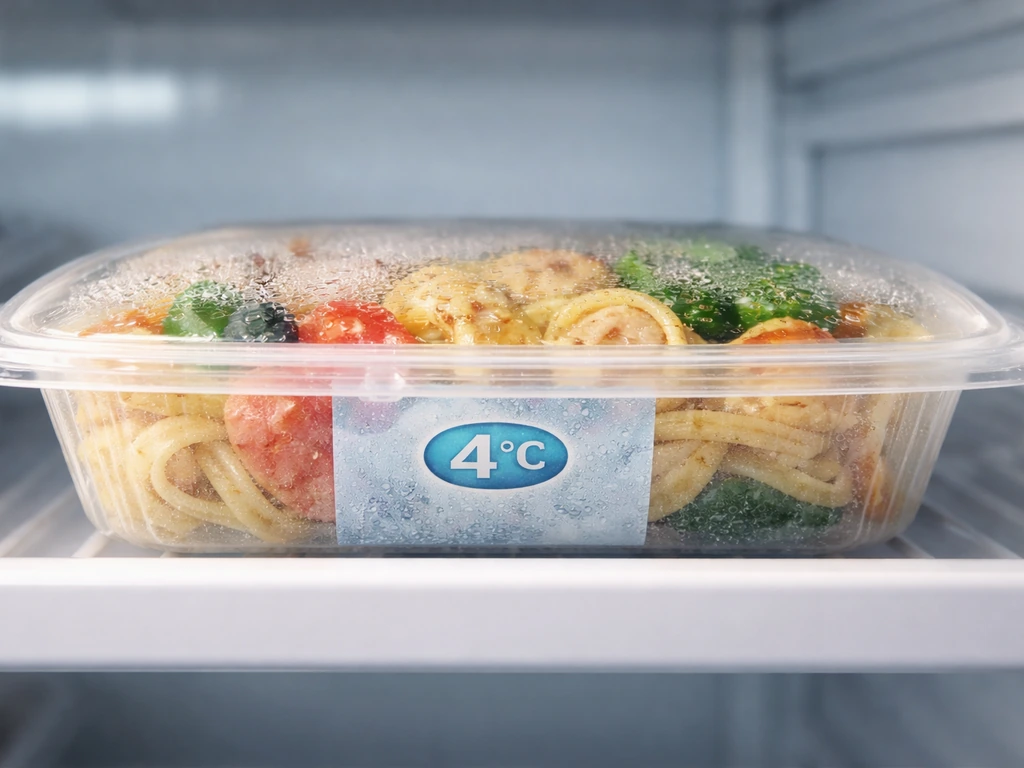
Reality check: does refrigeration stop Listeria?
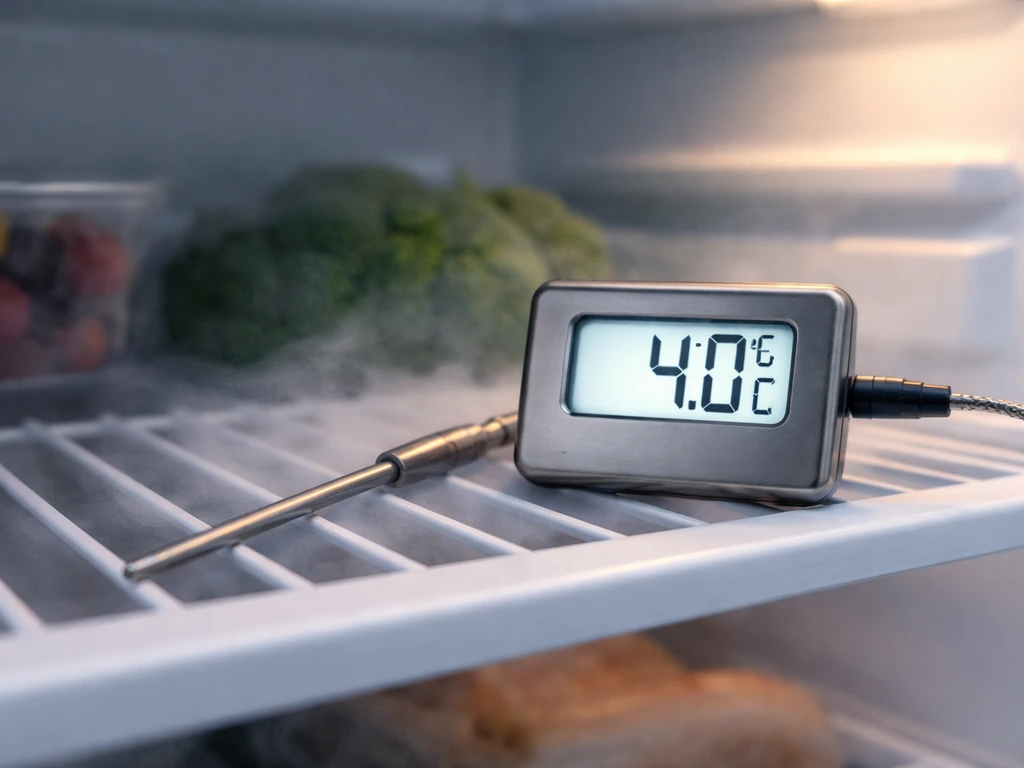
No. Keeping your refrigerator at or below 40°F (4°C) slows Listeria growth significantly, but it does not stop it. Listeria monocytogenes is what microbiologists call psychrotrophic, meaning it's adapted to grow at cold temperatures. Experimental studies have measured growth of multiple L. monocytogenes strains at temperatures as low as -0.1 to -0.4°C. That's essentially at the freezing point of water. Most home and commercial refrigerators run between 35°F and 40°F (about 2°C to 4°C), which is well within the organism's growth range.
EFSA puts the practical lower end of meaningful growth at around 2°C to 4°C. So a fridge running at a perfectly normal 38°F is not a safe zone, it's a slow-growth zone. The misconception that "refrigerated foods don't support Listeria growth" likely comes from older food safety frameworks or from confusion with other pathogens that genuinely cannot grow at cold temperatures. Listeria is the exception that makes cold storage a risk management tool rather than a kill step.
Freezing is a different story. At -12°C and below, growth will not occur. But freezing doesn't eliminate Listeria either. The FDA is clear: freezing will not reduce the bacterial load. When food thaws, any Listeria that survived is still present and ready to grow again.
What actually enables Listeria to grow in the fridge
Temperature alone doesn't determine whether Listeria grows. What happens in a refrigerated food is the result of several interacting factors, and understanding this is key to knowing which foods are actually risky.
Temperature is just one variable
The FDA classifies temperature as an extrinsic factor, something external to the food itself. Intrinsic factors built into the food, such as pH and water activity (aw), are often more decisive. The growth-limiting thresholds the FDA and ICMSF have established are worth knowing:
- pH at or below 4.4: growth does not occur regardless of temperature
- Water activity at or below 0.92: growth does not occur
- Frozen storage below -12°C: growth does not occur (but survival does)
- pH at or below 5.0 combined with water activity at or below 0.94: growth does not occur (a combined hurdle approach)
When a food doesn't meet any of those thresholds and is stored at refrigeration temperatures, Listeria can grow. The growth will be slow, but over enough time, it can reach levels sufficient to cause illness, especially in vulnerable populations.
The hurdle concept in practice
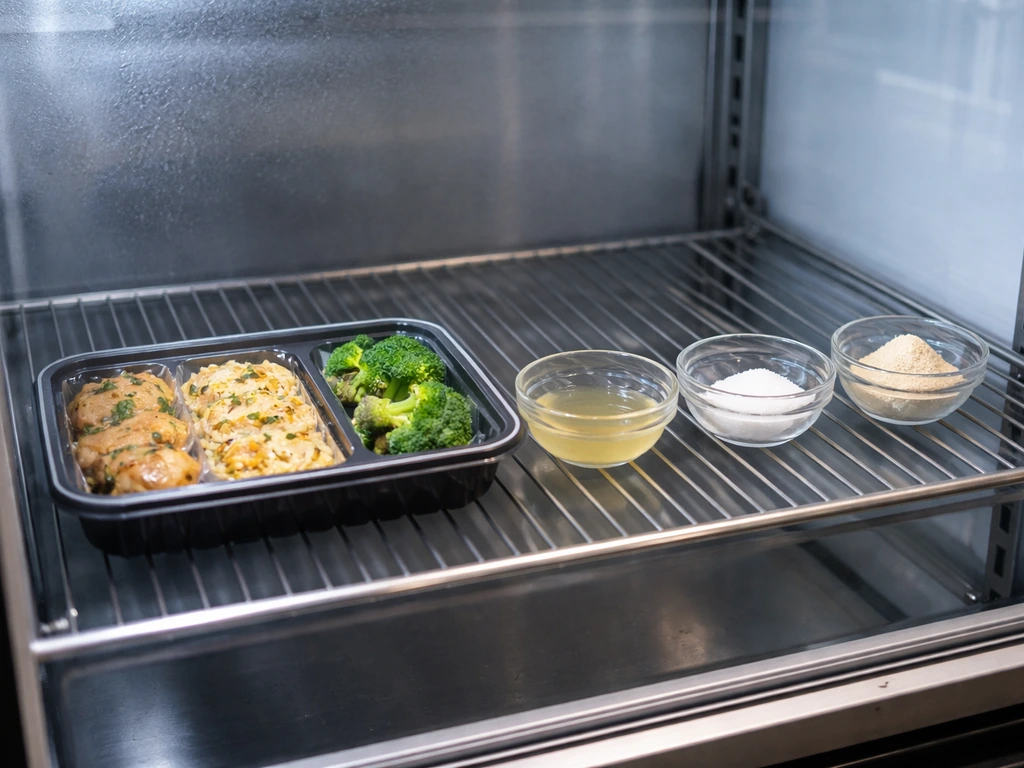
Commercial ready-to-eat (RTE) foods often use multiple hurdles together: a mild acidification to bring pH down, added salt or reduced water activity, organic acid preservatives like lactate or diacetate, and cold storage. No single hurdle is expected to carry the full load. Studies modeling L. monocytogenes growth limits show the combined effect of temperature, water activity, pH, NaCl, and lactic acid creates multidimensional boundaries that the organism cannot cross. When any of those hurdles is weakened, for example a refrigerator running too warm or a food with higher pH than intended, the safety margin shrinks.
How Listeria actually behaves in real refrigerated foods
Not all refrigerated foods carry the same risk. Similarly, people often ask what temperature does Legionella grow, since different pathogens have different growth ranges. The key distinction is between foods where Listeria can grow and foods where it can only survive (or neither). Here's how that plays out across common food categories.
Deli meats and cured products
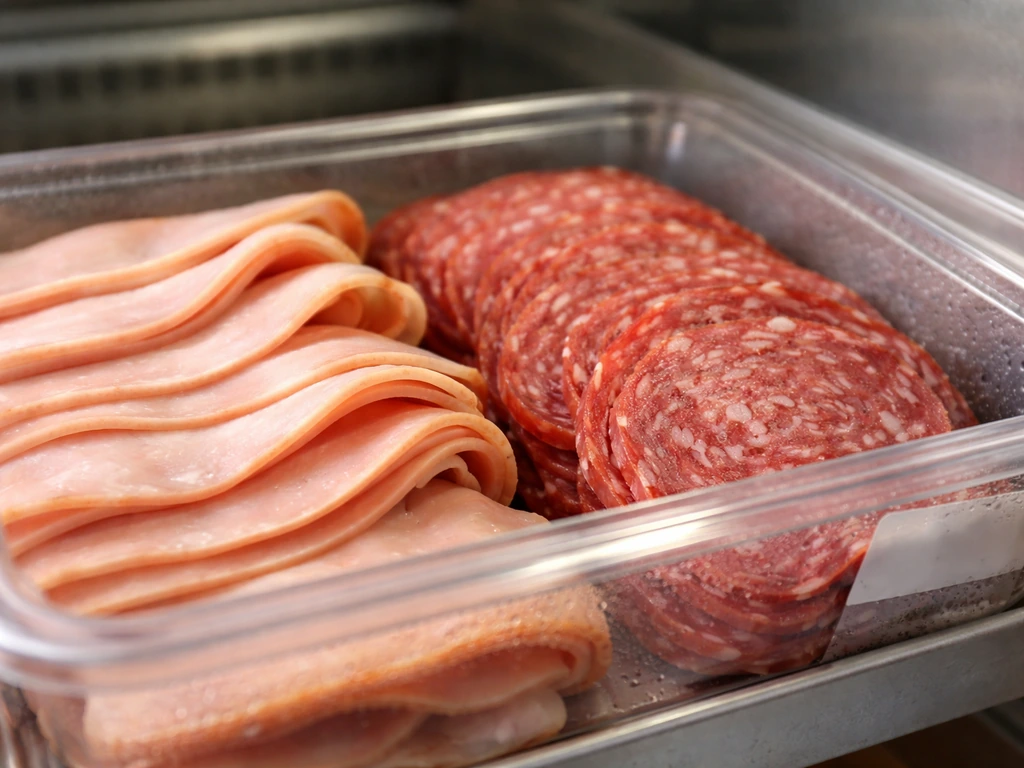
Deli meats are one of the most studied and highest-risk categories. A simulated home-storage study of retail deli meats found that at 4°C, the lag phase before growth begins can be roughly 7 to 9 days depending on whether Listeria-inhibiting formulations (like added lactate/diacetate) were present. After that lag phase, the organism starts multiplying. Generation times at 4°C were measured at around 1.5 to 1.6 hours, meaning the population can double roughly every hour and a half once growth kicks in. At 10°C (a slightly abused fridge temperature), lag phases dropped to just 2 to 5 days and generation times shortened significantly.
A separate ham study found a generation time of about 43 hours at 4°C, reflecting how much strain, food matrix, and formulation affect growth rate. The key takeaway is that extended refrigerated storage of deli meats, especially past their sell-by dates or in warmer-than-recommended fridges, creates real growth opportunities.
Processed meats: a mixed picture
A classic refrigerated-storage study tracked Listeria in ham, bologna, wieners, sliced chicken and turkey, fermented semidried sausage, bratwurst, and cooked roast beef for up to 12 weeks. The outcomes were not uniform. Some products supported growth; others supported only survival or even showed decline. The food matrix, including water activity, pH, salt content, and the presence of competing microflora or added inhibitors, determined the outcome more than temperature alone.
Fresh-cut produce
Fresh-cut produce is a category that often surprises people. Holding fresh-cut fruits and vegetables at refrigeration temperatures (5 to 10°C) may not prevent Listeria growth. You may also be wondering whether Legionella can grow in cold water, since some bacteria can still persist or multiply under cooler conditions can legionella grow in cold water.
Bottled water can also support Legionella growth if it is contaminated and left standing, so the key issue is proper handling and storage rather than the word “bottled” alone can legionella grow in bottled water. Listeria can grow on a range of refrigerated foods, especially those with high moisture and near-neutral pH may not prevent Listeria growth.
The high water activity and near-neutral pH of many produce items make them suitable growth substrates, and the physical damage from cutting or slicing can release nutrients and moisture that further support growth. These are the kinds of conditions that help answer what Listeria grows on in refrigerated foods growth substrates.
Soft cheeses and dairy
Soft cheeses, particularly those made from unpasteurized milk or with high moisture content, are well-established high-risk items. Hard cheeses with lower water activity are significantly less hospitable. The FDA's interagency risk assessment for cheeses reflects this: different cheese matrices show "Low Growth" or "No Growth" at 4°C depending on their specific pH and water activity parameters, sometimes in combination with listed inhibitors.
Where survival matters even without growth
Some refrigerated foods (low pH acidified products, very low water activity items) won't support growth but will allow Listeria to survive for extended periods. This matters because the food can still be a contamination source and can transfer Listeria to other foods, surfaces, or hands. Survival without growth is a lower risk than growth but is not a zero risk.
What this means for food safety control
Whether you're managing a commercial food operation or just trying to protect your household, the practical implications of Listeria's cold-growth capability point to the same set of priorities.
Temperature control
Keep refrigerators at 40°F (4°C) or below. This doesn't eliminate risk, but it meaningfully extends lag phases and slows growth rate. FSIS's compliance framing distinguishes between storage at 38 to 40°F as more protective versus 45°F or above as significantly less protective. A refrigerator that consistently runs at 45°F is operating in a range where Listeria growth is substantially faster. Use an actual thermometer to verify this; most built-in dials are not precision instruments.
Time management
Because growth is slow at refrigeration temperatures, time is the amplifying variable. The FDA is explicit that risk increases with prolonged refrigerated storage. For high-risk RTE foods like deli meats, soft cheeses, and smoked seafood, respecting use-by dates matters more than it does for most other foods. A few extra days at 4°C may push a deli meat from a lag phase into active growth. In practice, the timing depends on the food and temperature, so it's reasonable to ask how long it takes for Listeria to grow in your specific product.
Preventing cross-contamination
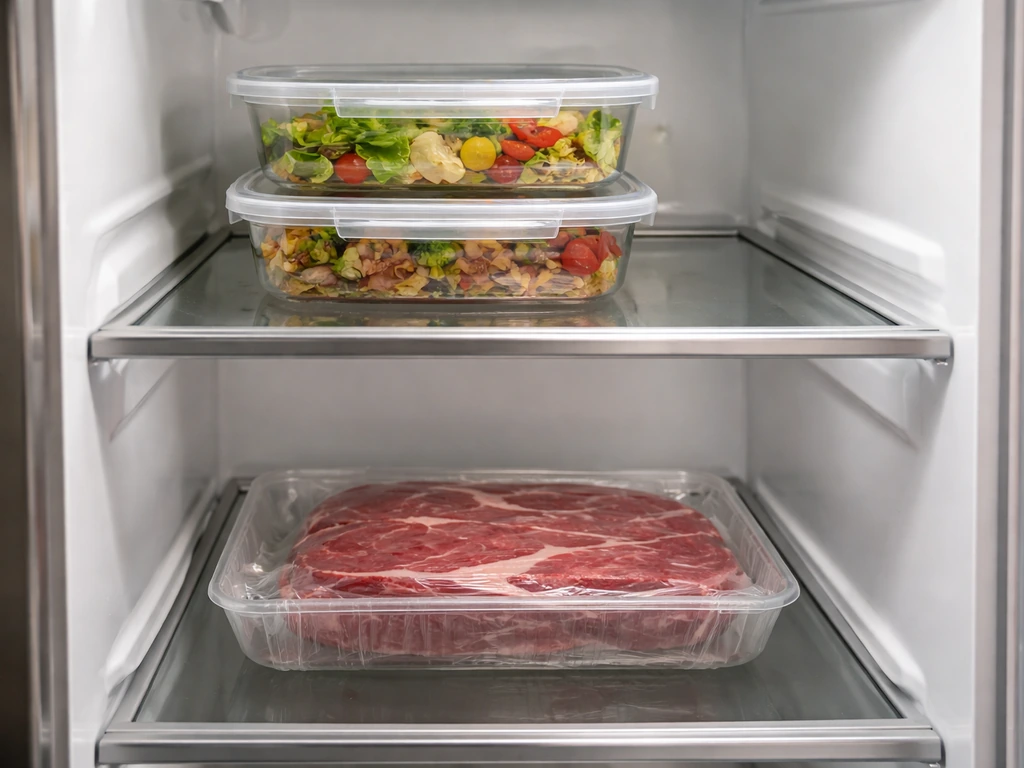
Post-processing contamination is the primary driver of Listeria risk in RTE foods. Processing and cooking steps that eliminate Listeria (the lethality steps) are undermined if the food is then recontaminated on the way to packaging, at the deli counter, or in your kitchen. The FDA specifically highlights spills and drips from raw foods as contamination vectors. Practical steps:
- Store raw meats on the bottom shelf in sealed containers so drips don't fall onto RTE foods
- Keep RTE foods (deli meats, cheeses, leftovers) covered and separated
- Clean and sanitize refrigerator surfaces regularly, including shelves, drawers, and door seals
- Use separate cutting boards for raw proteins and RTE foods
- Wash hands thoroughly before handling RTE foods, especially after handling raw proteins or produce
Cleaning and sanitizing in food facilities
For food processing and retail environments, Listeria's ability to form persistent biofilms is a serious concern. CDC notes that Listeria can spread in food processing facilities and is hard to fully remove. Biofilm formation in refrigerated equipment and on surfaces like drains, floor cracks, and conveyor belts creates persistent niches where the organism can survive repeated cleaning events and serve as an ongoing contamination source. Effective sanitation programs need validated procedures that address biofilm, not just surface-level cleaning.
Higher-risk populations
The FDA identifies specific higher-risk groups: pregnant people, older adults, and immunocompromised individuals. For these groups, foods that are most likely to support Listeria growth during refrigerated storage (deli meats, soft cheeses, smoked seafood, unpasteurized milk products, refrigerated pates) carry disproportionate risk and are often recommended to avoid entirely.
How to verify risk and investigate suspected Listeria in your facility or food
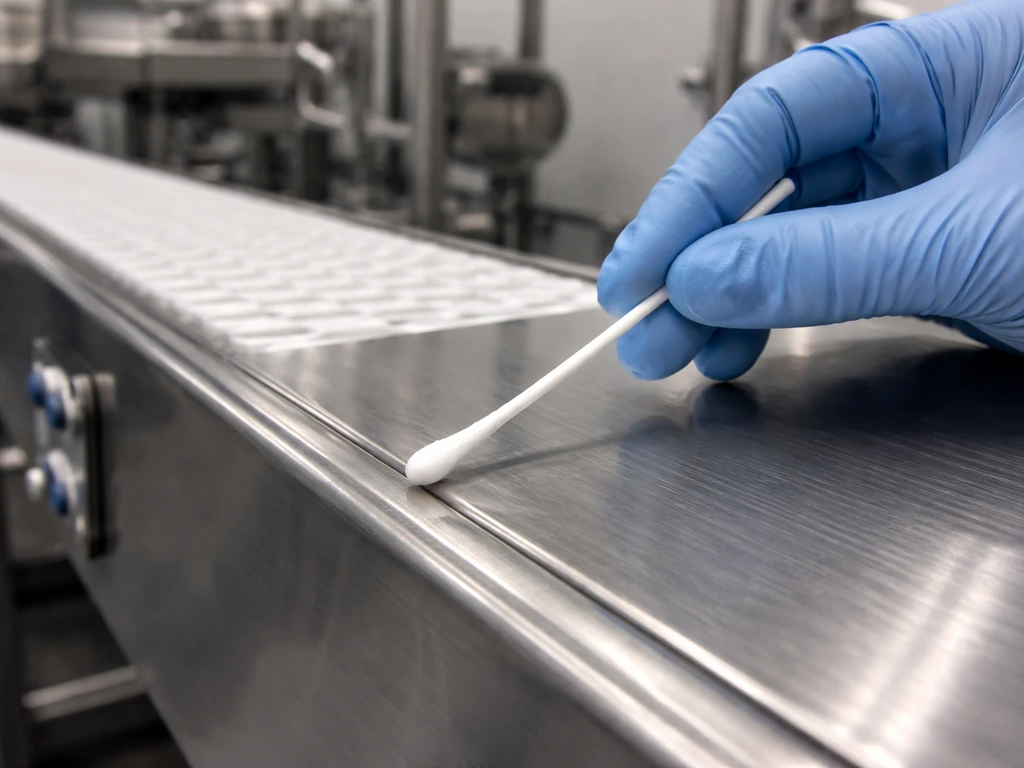
If you're a food safety professional investigating a potential Listeria issue, or a consumer who suspects a product may be contaminated, here's how verification and investigation actually work.
Environmental monitoring in food facilities
Environmental monitoring programs (EMPs) are the standard tool for detecting Listeria in food processing and retail environments before it reaches product. The approach involves swabbing surfaces, equipment, drains, and high-moisture areas, then testing using enrichment-based culture methods. FDA's Bacteriological Analytical Manual (BAM) Chapter 10 provides the standard detection and enumeration protocol for Listeria monocytogenes in both food and environmental samples. Enrichment uses Buffered Listeria Enrichment Broth (BLEB), followed by selective plating and confirmation steps.
Real-time PCR confirmation, also described in FDA's BAM protocols, can be used to confirm Listeria species and specifically identify L. monocytogenes from cultured isolates. PCR is faster than full culture confirmation but is typically used as a confirmation step following initial enrichment culture, not as a standalone first-line method.
Risk assessment considerations
When assessing whether a specific food poses a Listeria growth risk during refrigerated storage, the relevant questions to work through are:
- What is the pH of the food? At or below 4.4, growth is not expected. Above 5.0, cold storage is the primary control and must be taken seriously.
- What is the water activity? At or below 0.92, growth is not expected. Between 0.92 and 0.94, combined hurdles (like pH also being lower) can still prevent growth.
- Are preservatives present? Lactate, diacetate, nitrite, and organic acids all interact with temperature to extend lag phases or limit maximum population density.
- What is the expected storage duration? A product stored for 2 days at 4°C is a very different risk profile than the same product stored for 14 days.
- What is the realistic storage temperature? Not the intended temperature, but the actual temperature range the product will experience in distribution, retail, and consumer storage.
- Is this a post-lethality exposed RTE product? If yes, FSIS guidance specifically addresses control strategies including growth inhibitors and temperature controls as alternatives or complements to antimicrobials.
Interpreting results in context
A positive environmental swab for Listeria monocytogenes doesn't automatically mean product is contaminated or that growth-level contamination has occurred. The regulatory interpretation under FDA's CPG 555.320 depends on whether the food in question actually supports growth under the conditions it's stored and sold. If the food meets growth-limiting criteria (pH, aw, frozen, or combined hurdles), a regulatory outcome may differ from a food where those hurdles are absent. That said, any positive environmental finding should trigger investigation into the contamination source, biofilm niches, and sanitation procedures, because persistence in processing environments is a documented pattern in Listeria outbreaks.
For consumers, if you're concerned about a specific product (perhaps a recalled item or a food you've had in your fridge longer than recommended), the practical step is to discard it rather than test it. Home testing is not a realistic option, and the cost-benefit calculation is clear: discard and clean the fridge versus the risk of listeriosis, which carries serious consequences particularly in high-risk groups.
Cleaning the fridge after a potential exposure
If you've had a recalled product in your refrigerator or suspect Listeria contamination, clean the interior thoroughly. Remove all food, wash shelves and drawers with hot water and dish soap, rinse, then sanitize with a solution of one tablespoon of bleach per gallon of water. Rinse again with clean water and dry. Don't forget the door gaskets and seals where moisture and debris accumulate. After cleaning, verify the refrigerator temperature with a thermometer and adjust if it's running above 40°F.
FAQ
If my refrigerator is at 40°F (4°C), does that mean listeria monocytogenes growth is unlikely enough to be safe for everyone?
Not necessarily. 4°C slows growth, but it does not prevent it, so risk still depends on how long the product stays cold and whether the food formulation includes effective hurdles (lower pH, reduced water activity, or preservatives). For higher-risk people, the safest choice is often to avoid high-growth foods even if the fridge setting looks correct.
How can I tell whether a “refrigerated” food will let listeria monocytogenes grow or only survive?
Look for clues about intrinsic hurdles. Foods that are near-neutral pH and high in moisture are more likely to support growth, while strongly acidified products, very salty foods, or foods with approved preservative systems are more likely to limit growth. If you can identify the product’s pH, salt, or preservative type from labels or spec sheets (common in commercial settings), that is more informative than the word “refrigerated.”
Does moving food to the coldest part of the fridge lower the risk enough?
It can help a little but is not a reliable control. Cold spots vary, and many fridges have airflow patterns that make some areas warmer than others by several degrees. The practical step is to measure actual temperatures where the food sits, then reduce refrigerated holding time for any high-risk ready-to-eat items.
What’s the biggest mistake people make with listeria monocytogenes and cold storage?
Assuming refrigeration is a kill step. For Listeria, the key failure mode is extended storage that crosses the lag phase, especially when products are past their recommended use-by dates or when the fridge temperature drifts upward.
If listeria monocytogenes is found on surfaces at a facility, does that mean product will definitely be contaminated?
No. A positive environmental result indicates risk and points to a contamination source or biofilm niche, but regulatory interpretation depends on whether the specific food conditions support Listeria growth during refrigerated storage. Still, facilities should treat positives as actionable findings, because persistent contamination patterns often precede product issues.
Can freezing make listeria monocytogenes disappear from food?
No. Freezing prevents growth, but it does not reduce the bacterial load, so surviving cells can regrow after thawing if the food is held at refrigeration temperatures for long enough. That is why thawed ready-to-eat foods should be treated like fresh refrigerated items with strict time limits.
How quickly can listeria monocytogenes contaminate a food after recontamination in a kitchen or deli?
Growth can begin after a lag period that depends on the product and temperature. In practice, even slow refrigerated growth can reach illness-relevant levels with long storage, so the safest approach is to prevent recontamination immediately and discard leftovers that have been kept too long, especially for high-risk individuals.
Is it safer to eat refrigerated leftovers if I reheat them?
Reheating can reduce risk from viable cells if the food is heated thoroughly, but it does not address contamination that may have already occurred and spread to other foods or surfaces during preparation. Also, not all ready-to-eat items are practical to reheat safely, and vulnerable people may still be better served by avoiding high-risk leftovers.
Should high-risk people (pregnant, older adults, immunocompromised) avoid all refrigerated foods?
No, but they should be more selective. The higher risk foods are typically ready-to-eat items that can support growth under refrigeration, such as soft cheeses made from unpasteurized milk, deli meats, refrigerated pâtés, and smoked seafood, particularly when they are stored too long.
If a recalled product was stored in my fridge, do I only throw it away or do I need to clean too?
Clean too. Even if you discard the product, residues and handling can contaminate nearby shelves and surfaces. Removing all items, washing and sanitizing interior surfaces (including door seals and hard-to-reach corners), and verifying the fridge temperature are practical steps to reduce ongoing risk.
Does “use-by” date versus “sell-by” date change listeria monocytogenes risk?
Yes. “Sell-by” is mainly for retail rotation, while “use-by” is closer to the consumer safety intent, particularly for ready-to-eat foods that can support growth at refrigeration temperatures. For high-risk foods, adhering to the use-by date matters more than trying to interpret sell-by labeling.
Next Article
What Temperature Does Legionella Grow Rapidly?
Learn Legionella rapid growth temperatures, survival at cooler temps, and safe hot-water targets to reduce risk.