Resident flora grows wherever the local conditions allow it to establish and persist: specific body sites like the skin surface, gut lining, and mucous membranes, as well as food-contact surfaces, drains, sponges, and other moist kitchen niches. The key word is 'resident', these microorganisms do not just pass through. They find a spot where temperature, moisture, pH, oxygen, and nutrients line up in their favor, and they stay there, often as biofilms that are genuinely hard to remove.
Where Does Resident Flora Grow and How to Control It

Marcus Reeves
30 May 2026
Resident flora vs. transient flora: why the distinction matters
Resident flora (also called normal microbiota) are microorganisms that colonize a particular site and establish themselves there long-term. Transient flora, by contrast, colonizes only for hours to weeks and never puts down roots. That difference is practically important: you can wash transient organisms off a surface or skin relatively easily, but resident communities are embedded deeper and bounce back quickly after cleaning.
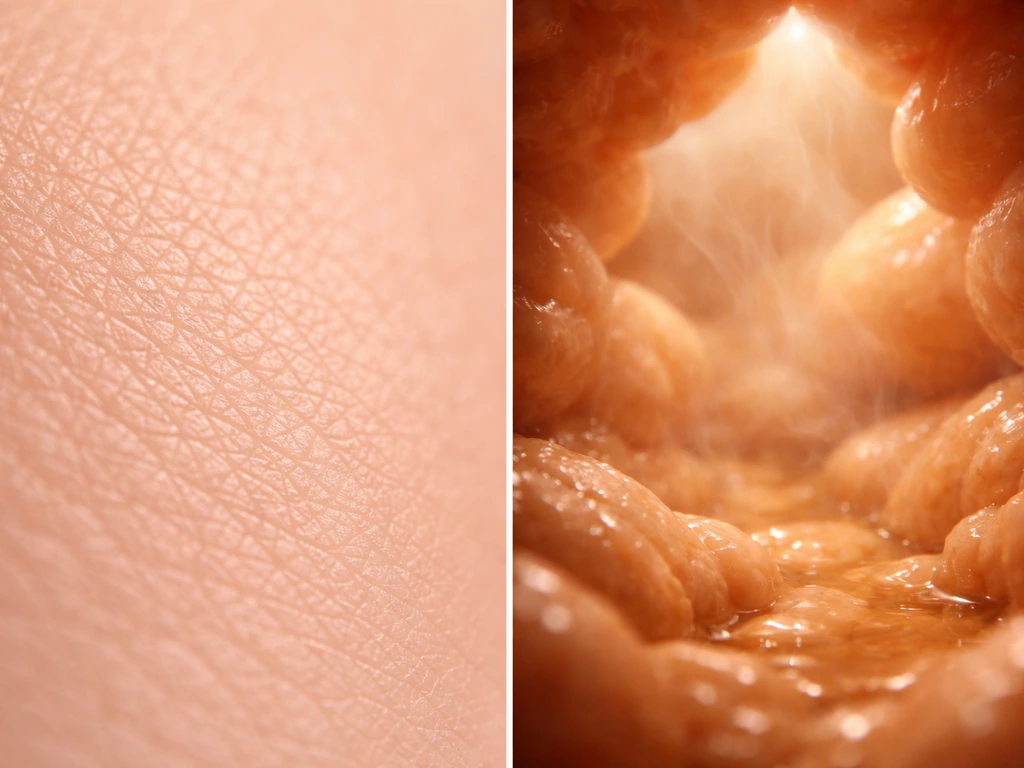
On skin, for example, resident flora lives beneath the superficial cells of the stratum corneum, not just on the outermost layer. Transient organisms sit on top and are much more amenable to removal by routine hand washing. Resident skin microbiota, including species like Staphylococcus epidermidis, persists because it is physically protected and adapted to that specific microenvironment. Understanding this difference stops you from assuming that a quick wipe or rinse has solved your problem when it has only removed the easy layer.
The main 'home' environments: where resident flora actually lives

Skin
Skin is one of the most studied resident flora sites, and the bacterial load is surprisingly variable by location. Aerobic bacterial counts range from roughly 4×10^4 CFU/cm² on the abdomen to about 1×10^4 CFU/cm² on the forearm. Moist, occluded areas like the axilla, perineum, and toe webs carry denser and more diverse communities than drier areas like the upper arms and legs. That pattern is driven entirely by local conditions: more moisture, higher pH, and limited airflow create a more hospitable niche.
Gut and urogenital tract
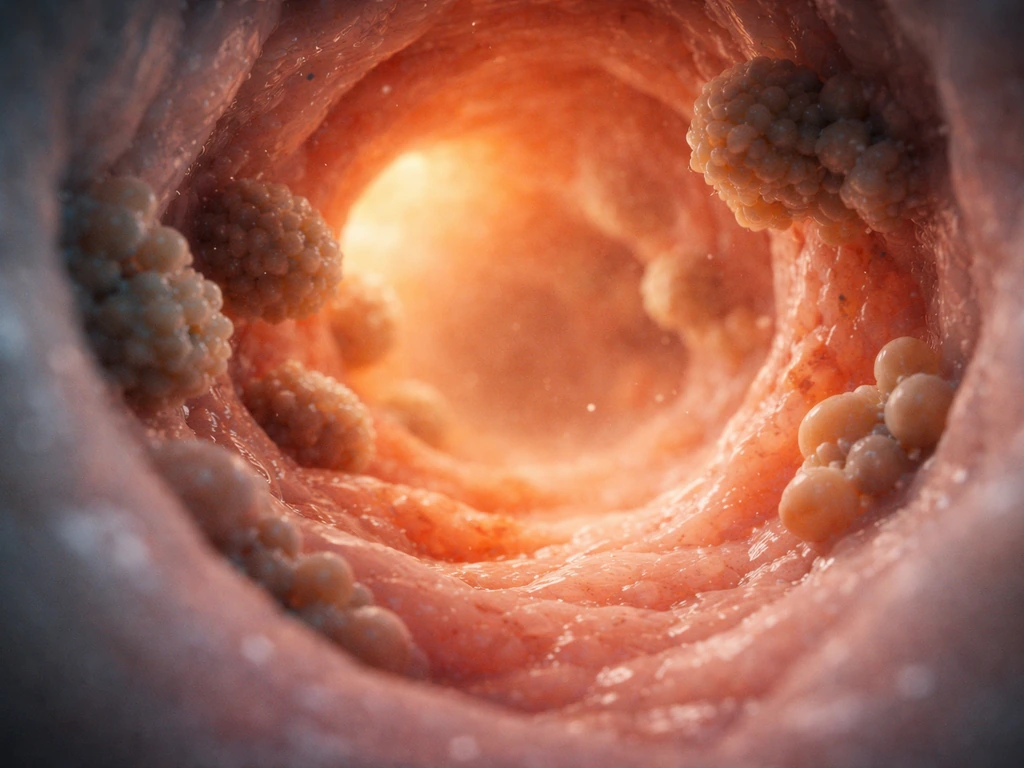
The gut hosts the most densely populated resident microbial community in the human body. The colon in particular is anaerobic, warm (around 37°C), nutrient-rich, and protected from desiccation, essentially an ideal growth chamber. The urogenital tract has resident flora in specific zones: the lower urethra and vaginal canal, for instance, host established communities while the kidneys remain sterile. Vaginal microbiota is dominated by Lactobacillus species that maintain a low-pH environment (roughly pH 3.8 to 4.5), which actively suppresses unwanted colonizers.
Oral cavity
The mouth looks oxygen-rich from the outside, but oral biofilms create strong oxygen and redox gradients internally. Anaerobic and oxygen-tolerant species like Veillonella persist in biofilm microenvironments where oxygen is locally depleted, even though the surrounding air is about 20% O2. Anaerobic Veillonellae can persist in oral biofilm microenvironments by coping with oxygen stress, which helps explain their persistence across oxygen-variable niches Anaerobic and oxygen-tolerant species like Veillonella persist in biofilm microenvironments. This is a good example of how a macro-environment can be misleading: what matters is the micro-condition at the actual colonization site.
Food-associated and kitchen niches
In food and kitchen settings, resident-like microbial communities establish wherever moisture, organic material, and moderate temperatures combine. Sink drains, cutting boards, sponges, refrigerator condensate trays, and HVAC filter surfaces are the most consistent hotspots. These are not casual contamination events, the microorganisms in these locations have established stable biofilm communities that behave much like resident flora does on a body site.
The growth conditions that decide where resident flora settles
No single factor determines where resident flora establishes, it is always a combination. Temperature sets the growth rate. Moisture (measured as water activity, or aw) determines whether growth is even possible. pH selects which organisms can compete. Oxygen availability shapes community composition. Nutrients keep the community fed. Understanding these factors together tells you exactly which spots in your environment are at risk.
| Factor | Typical threshold for concern | Practical example |
|---|---|---|
| Temperature | 10–45°C for most bacteria; psychrotrophs grow below 7°C | Refrigerator drain pans, warm corners of storage rooms |
| Water activity (a_w) | >0.86 for low-acid foods; >0.90–0.91 for most spoilage bacteria | Bread (a_w ~0.95), fresh meat, wet sponges |
| pH | Most bacteria prefer 4.5–7.5; Lactobacillus thrives at 3.5–4.5 | Acidic yogurt inhibits pathogens; neutral cutting boards do not |
| Oxygen | Ranges from aerobic (surface biofilms) to anaerobic (deep biofilm layers, gut) | Sink drain interior vs. top surface of a cutting board |
| Nutrients/organics | Carbon sources from food residue, skin cells, organic dust | Drain slime, sponge food particles, HVAC filter dust |
Oxygen and nutrients: how biofilms create their own perfect environment
One of the most important things to understand about resident microbial communities is that they do not just tolerate their environment, they modify it. Bacteria in a biofilm consume oxygen as it diffuses in, creating steep oxygen gradients across just microns of thickness. The outermost layer may be aerobic while the interior is fully anaerobic. This means a single biofilm can shelter both aerobic and anaerobic species simultaneously, making the community far more resilient than a pure culture of either type would be on its own.
Nutrients work the same way. Organic material from food residue, skin cells, or dust provides carbon and nitrogen. Once a biofilm is established, it is much harder to kill than planktonic (free-floating) bacteria, because the matrix physically protects cells from sanitizers and desiccation. In some molds, the hyphae are able to grow and penetrate deeper into materials, which is why effective control often requires both moisture reduction and proper mechanical disruption. This is why sink drains can recolonize to substantial proportions of their pre-cleaning levels within as little as 24 hours after disinfection, the structural community is still there even if surface cells were removed.
This biofilm dynamic is directly comparable to how oral microbiota persists despite repeated exposure to antimicrobial rinses, and to why pour-plate methods in a lab can reveal microaerophilic growth deep in agar, the embedded location changes the local oxygen environment. The principle is the same: the physical location within a surface or matrix, not just the surface itself, determines the growth niche. Pour-plate methods can create blank" rel="noopener noreferrer">oxygen-deficient conditions within agar, allowing microaerophiles to be detected or enumerated in contrast to surface versus embedded growth environments.
Resident flora hotspots in kitchens and food facilities
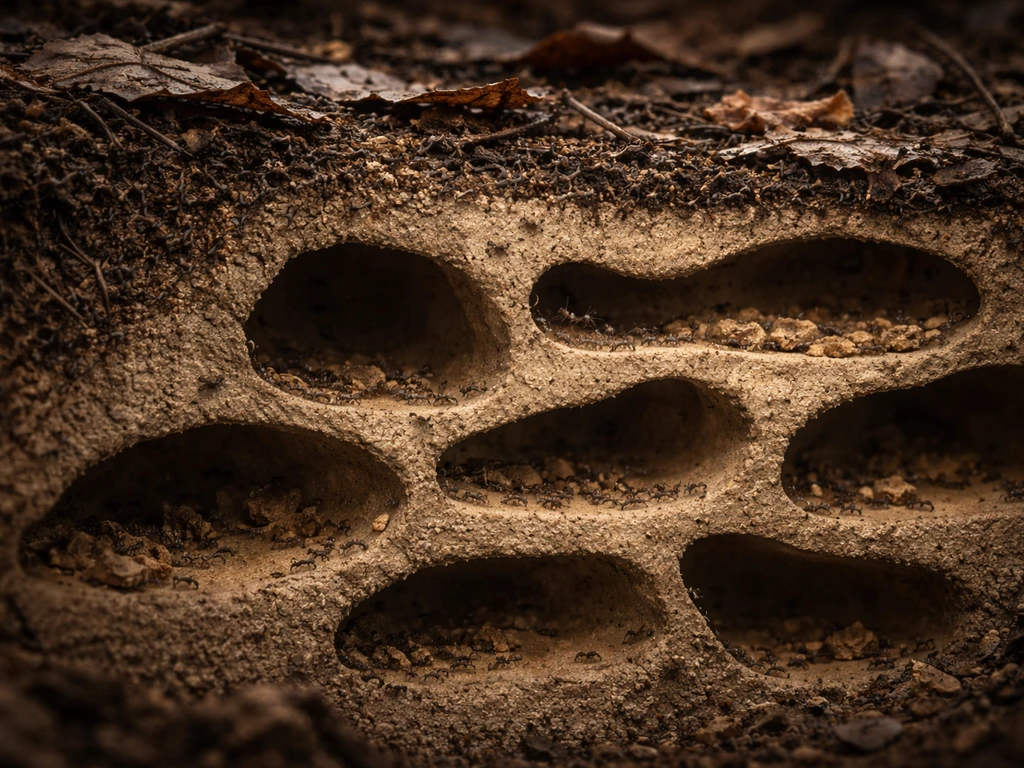
In a food-handling context, the following locations consistently support resident-like microbial communities. It can help to compare this with the broader idea behind why does the fungus not grow inside the ant colony, where the surrounding conditions and life-cycle niche prevent colonization. They share the same characteristics: persistent moisture, organic load, moderate temperature, and surfaces that are either hard to clean mechanically or that dry slowly.
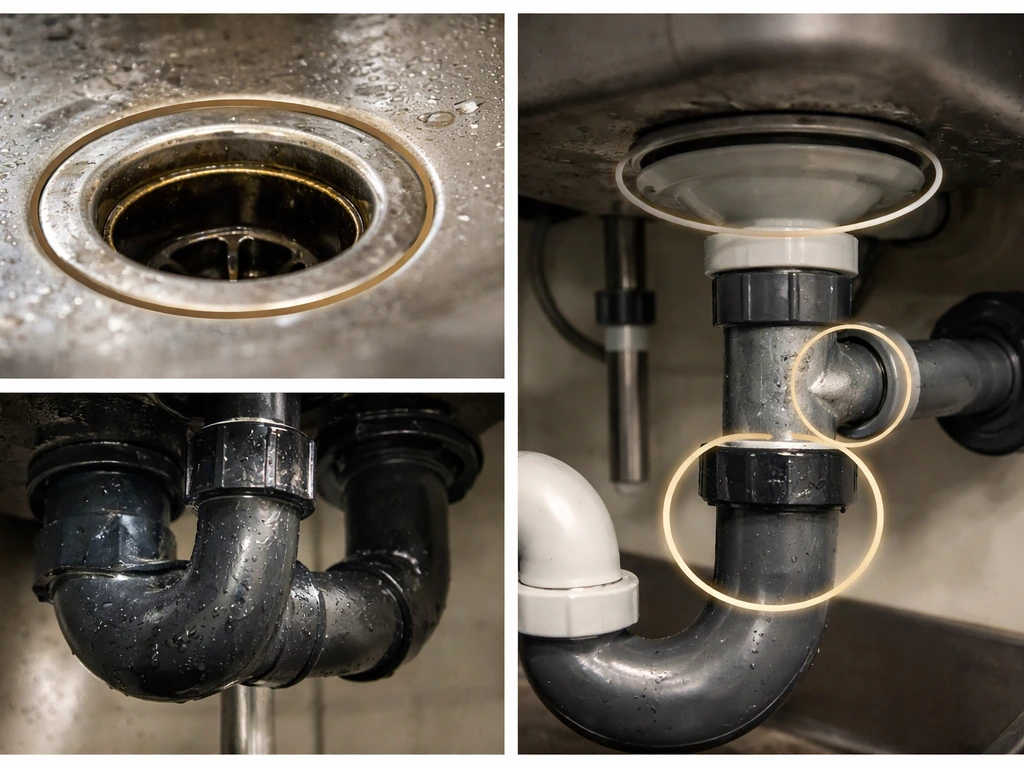
- Sink drains and drain components: Among the highest-risk spots. Drain biofilms harbor diverse genera including potentially pathogenic bacteria, act as stable reservoirs, and rapidly recolonize after disinfection. Sink drain systems are positioned directly adjacent to food-prep areas, making them a direct cross-contamination risk.
- Kitchen sponges and microfiber towels: Bacteria including E. coli, Salmonella, and Staphylococcus aureus can survive on kitchen sponges for up to 16 days and on microfiber towels for up to 13 days under study conditions. The porous, moist, nutrient-rich structure is essentially a biofilm scaffold.
- Cutting boards: Aerobic plate counts on plastic cutting boards before sanitation have been measured at around 10^4 CFU per 25 cm². Both wood and plastic boards can harbor bacteria in surface grooves and scratches, and boards used for raw meat or produce without thorough sanitization become persistent reservoirs.
- Refrigerator condensate trays and interior surfaces: Even at or below 40°F (4°C), psychrotrophic bacteria can grow. The FDA and USDA both set 40°F as the safe refrigeration threshold, but the condensate tray, door seals, and bottom shelf are consistently wetter and can support slower-growing cold-adapted communities.
- HVAC filters and air-handling components: HVAC filters become contaminated when relative humidity exceeds roughly 60% or after humidification system events. Temperatures of 10–35°C and organic dust provide the nutrients. This matters in food facilities where air handling is a cross-contamination vector.
- Food surfaces with high water activity: Fresh meat, dairy, produce, and bread (aw around 0.95) all have free water available above the 0.86 aw threshold for bacterial growth in low-acid foods. Without temperature or pH controls, resident-level microbial communities establish quickly on these substrates.
How to identify your specific growth hotspots right now
You do not need laboratory equipment to do a useful first-pass inspection. The goal is to identify spots in your kitchen or facility where the conditions for resident flora are being met simultaneously: warmth, moisture, organic material, and a surface that stays wet long enough for biofilm to establish. Work through the following checklist systematically.
- Check refrigerator temperature with a standalone thermometer (not just the dial). Both the FDA and USDA recommend 40°F (4°C) or below throughout the unit. If any zone — especially the door or the bottom shelf near the drain — reads higher, that is a growth zone.
- Inspect the sink drain. Look for visible slime, discoloration, or biofilm on the drain rim, trap, and any standing water. If you smell sulfur or organic odor after rinsing, biofilm is already established.
- Evaluate your sponge and towels. If your sponge is more than a week old or smells even slightly, it is a bacterial reservoir. Microfiber towels that stay damp between uses are in the same category.
- Look at your cutting boards under good lighting. Visible grooves, scratches, or discoloration in the surface mean bacteria can establish in microhabitats that sanitizers do not reach adequately.
- Check for condensation points: refrigerator gaskets, undersides of prep tables, and areas near dishwashers or steam equipment. Anywhere moisture condenses regularly and is not actively dried is a candidate hotspot.
- In a facility, assess HVAC filter condition and the humidification system. Filters should be dry between uses; visible discoloration or organic buildup signals microbial activity.
- Measure or estimate the water activity of high-risk foods in storage. Any moist food stored above 40°F without an acidification step (pH below 4.5) or a water-activity reduction below 0.86 a_w is in the growth-permissive zone.
- Note your sanitizer use: check that concentration matches label instructions and that you are giving sanitizers adequate wet contact time. Halving the sanitizer concentration requires roughly doubling contact time to maintain efficacy — shortcuts here are where control fails.
Practical controls: how to limit growth where resident flora wants to settle
The goal is not to achieve sterility, that is neither realistic nor necessary in most kitchen and food-safety contexts. The goal is to manage the environmental conditions that allow resident-level communities to establish and persist. Each control below targets one or more of the growth factors that make a hotspot viable.
Temperature control
Keep cold storage at or below 40°F (4°C) throughout the unit. This does not eliminate psychrotrophs entirely, but it slows their growth rate substantially. For long storage of high-risk foods, aim for lower temperatures (closer to 34–36°F) and use a thermometer to verify multiple zones, not just the centermost shelf. Temperature mapping matters in larger facilities where warm spots near compressors or doors can quietly support growth.
Water activity and drying
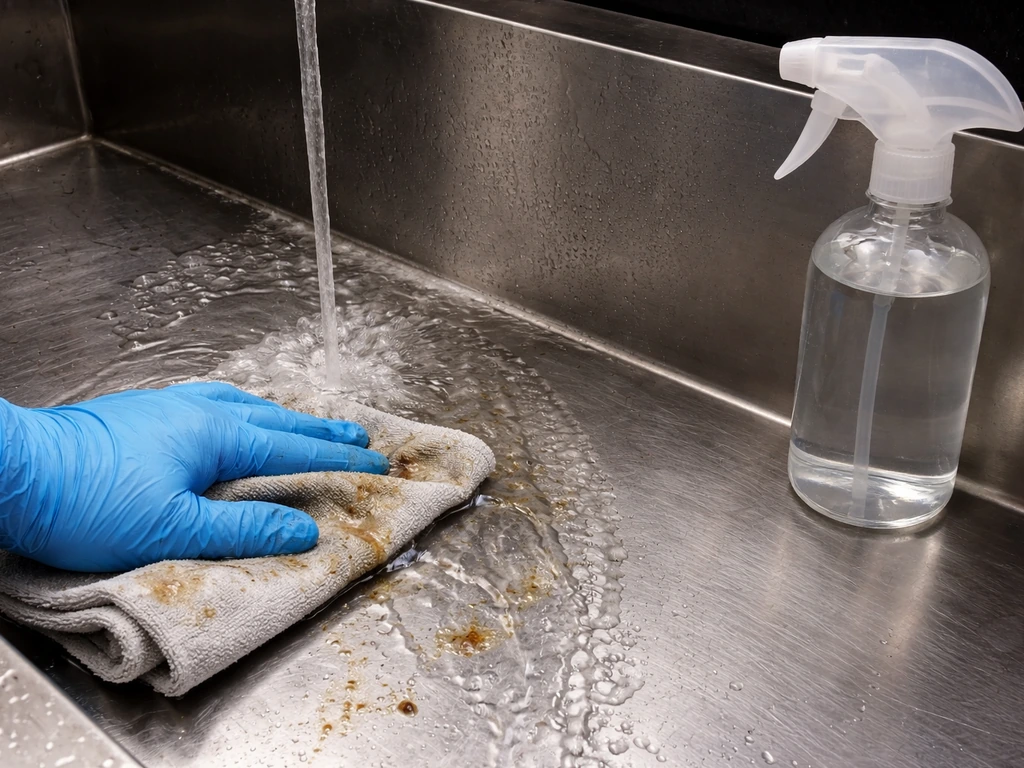
Drying is one of the most underused controls. Most spoilage bacteria cannot grow below aw 0.91, and pathogens like C. botulinum have a minimum aw around 0.93. For surfaces and utensils, this means actively air-drying or towel-drying after washing rather than leaving them wet. For foods, it means understanding that reducing free water through formulation, drying, or salting directly limits growth potential. A wet sponge left on a damp counter is providing maximum a_w, which is why sponges harbor so much microbial activity.
Biofilm disruption and cleaning sequence
Sanitizers alone do not remove biofilm, you have to physically disrupt it first. The correct sequence is clean (remove organic material mechanically), rinse, then sanitize. Applying a quaternary ammonium compound to a biofilm-coated drain without scrubbing first reduces efficacy dramatically, and some sink-drain-associated bacteria show lower susceptibility to quaternary ammonium products even under ideal conditions. For drains specifically, mechanical scrubbing followed by sanitizer application at the correct concentration and contact time is the minimum effective approach.
Moisture management in the facility
In a food facility, keep relative humidity below 60% in storage and dry processing areas where possible. HVAC filters should be inspected on a schedule that accounts for seasonal humidity variation, humid months are when filter contamination is most likely. Any humidification system malfunction should trigger immediate filter inspection, because wet filters combined with organic dust are essentially a biofilm incubator.
High-frequency replacement of porous items
For kitchen sponges, a weekly replacement schedule is the most realistic control. Microwaving or bleaching a sponge reduces counts temporarily but does not eliminate the biofilm matrix, and the sponge recolonizes quickly. Microfiber towels should be laundered after each day of use and fully dried before reuse. Cutting boards with deep grooves or scratches should be replaced rather than repaired, sanitizers cannot consistently reach bacteria embedded in surface defects.
Hand hygiene for person-to-surface transfer
Resident skin flora, especially from moist body sites, transfers easily to food-contact surfaces. While resident flora on hands is harder to remove than transient organisms, routine handwashing with soap before food handling significantly reduces transfer risk. Alcohol-based handrubs are effective against many transient organisms but are less effective against certain resident species and non-enveloped viruses, so handwashing with soap and water remains the recommended practice when hands are visibly soiled or before food preparation.
The consistent theme across all these controls is that resident flora persists not because it is unstoppable, but because conditions in its niche remain favorable. Change the conditions, reduce moisture, lower temperature, disrupt biofilm structure, maintain sanitizer concentration and contact time, and you break the persistence cycle. That is the practical takeaway: manage the environment, not just the organisms.
FAQ
If resident flora is “embedded,” does that mean disinfection never works on it?
Disinfection can reduce viable cells, but resident communities often rebound because the biofilm matrix and deeper microcolonies remain. The most reliable results come from combining mechanical removal (scrubbing, cleaning to remove organic load) with a sanitizer that stays at the correct concentration for the required contact time.
Why do sink drains seem to “come back” so fast after cleaning?
Drains often keep a hidden structural biofilm in crevices and porous material. Even if surface cells are killed, surviving embedded cells plus ongoing nutrient supply from grease and organics can allow substantial recolonization quickly, sometimes within about a day. Extending mechanical disruption and reducing the nutrients that feed the biofilm are key.
Does it matter which sanitizer I use if I already rinse and sanitize?
It matters because many sanitizers have reduced performance on intact biofilm and because some organisms show lower susceptibility depending on the product. The article’s sequence matters too, clean then rinse then sanitize, since applying sanitizer without removing the organic film can leave biofilm largely intact.
Can I rely on air-drying alone to control resident-like microbes on utensils and surfaces?
Air-drying helps because lowering water activity limits growth, but it works best after proper cleaning removes visible organic residue. A utensil can look “dry” while still having a thin, biofilm-supporting film in joints or textured areas, so periodic mechanical checks in hard-to-clean spots are still important.
How often should kitchen sponges or scrubbers be replaced if I’m trying to control resident communities?
A weekly replacement schedule is a practical baseline because sponges repeatedly regain moisture and get loaded with organics. Heat treatments like microwaving or bleaching may temporarily reduce counts, but the biofilm matrix tends to survive and recolonize quickly once the sponge is reused.
Is there a specific spot on skin I should focus on to reduce resident flora transfer?
Focus on moist, occluded areas and situations where residue is likely, for example after handling after body areas with higher moisture like toe webs or after using tissues. Resident organisms also sit deeper than the outer surface, so routine handwashing with soap and water is more dependable than quick wiping, especially before food preparation.
Why can alcohol hand rub be less effective in some cases even when it kills many germs?
Alcohol-based rubs can be less effective against certain resident organisms and against non-enveloped viruses. Soap and water are especially important when hands are visibly soiled, because grime and biofilm-like residue can shield microbes from the disinfectant action.
For temperature control, do I need to map the entire fridge or just set it colder?
Setting temperature helps, but temperature mapping matters because warm zones can persist near doors, compressors, or poorly sealed sections. Using a thermometer to verify multiple zones ensures you are actually keeping the whole unit at the target range that slows growth.
How low does water activity or humidity need to be to stop most resident-like growth in a facility?
The article gives practical thresholds: many spoilage bacteria struggle below about a_w 0.91, and C. botulinum has a minimum around a_w 0.93. For relative humidity, keeping it under about 60% in storage and dry processing areas reduces the chance that biofilm-supporting moisture will persist on surfaces.
What’s the most common control mistake when dealing with resident flora on surfaces?
Skipping mechanical disruption. Sanitizers alone often reduce the easy-to-reach surface cells, while leaving biofilm protected. The most common failure pattern is using sanitizer on a biofilm-coated surface without cleaning first, which lowers real-world efficacy.
Do resident flora risks apply to all foods equally?
No. Risk depends on whether the food environment supports growth, such as nutrient availability and moisture. Reducing free water through formulation, drying, salting, or proper storage conditions lowers the growth potential, so the same cleaning approach may not be enough for high-moisture, high-nutrient items.
If oral microbiota persists as biofilms, should mouth rinses be treated like kitchen sanitizers?
They should be thought of similarly in one key way, biofilm location changes the micro-environment. Rinses may reduce surface organisms, but established biofilms can protect cells. That means consistent mechanical or targeted biofilm disruption may be needed for meaningful long-term change, not just repeated rinsing.
Next Article
Why Does Fungus Not Grow Inside Ant Colonies? Key Limits
Learn how ants block fungal growth: moisture, temperature, pH, antimicrobials, oxygen limits, and social immunity, with