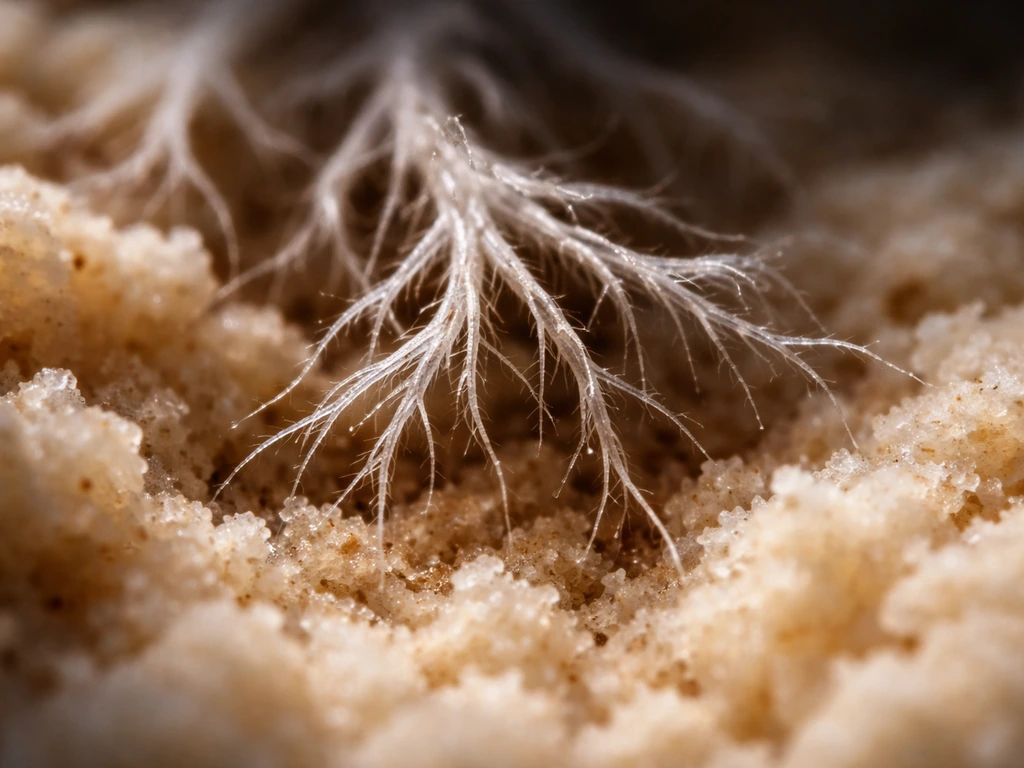
Yeast naturally grows almost anywhere that offers a little moisture, some organic material to feed on, and a tolerable temperature. That means soil, plant surfaces, fruit skins, drains, damp kitchen sponges, the human body, fermented foods, and even concentrated sugar syrups are all legitimate real-world yeast habitats. Understanding the specific conditions that make a location viable is the fastest way to figure out why yeast is showing up somewhere in your home or food supply, and what you can actually do about it.
Locations Where Yeast Might Naturally Grow and Why

Marcus Reeves
13 Jun 2026
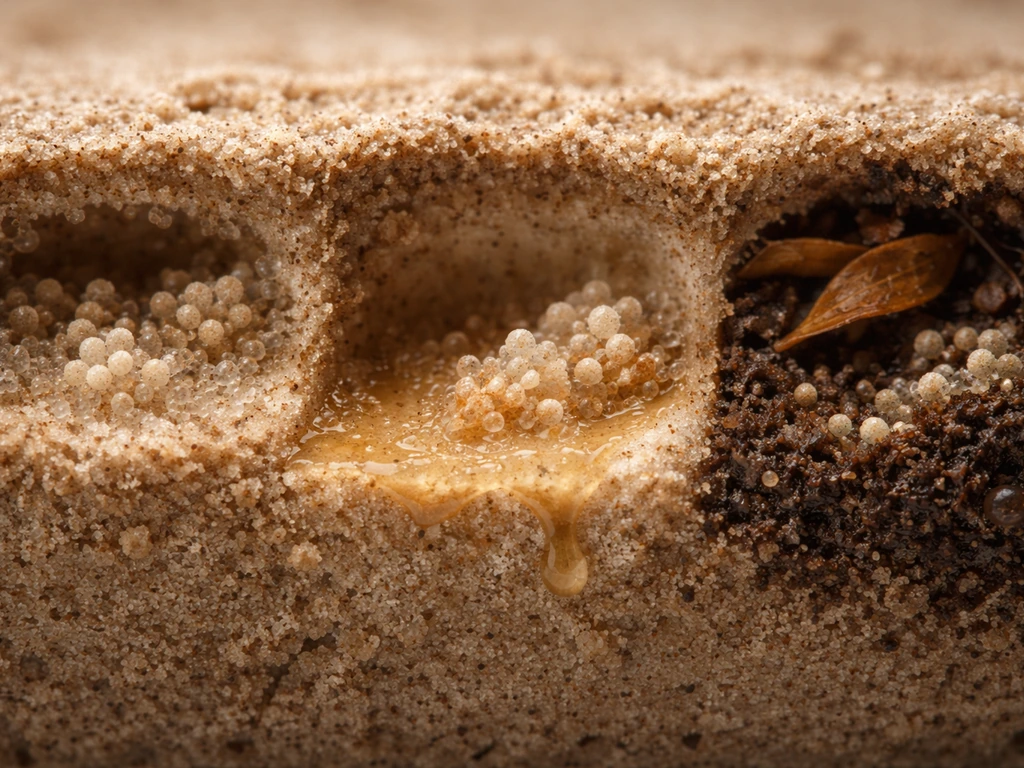
What yeast actually needs to grow
Before looking at specific locations, it helps to know the four conditions yeast checks before setting up shop. Hit all four and yeast will grow. Remove even one and growth slows or stops entirely.
| Condition | Yeast's Requirement | Practical Threshold to Know |
|---|---|---|
| Temperature | Broadly tolerant; most grow actively from about 10°C to 37°C (50–99°F) | Refrigeration (below ~4°C / 40°F) slows but does not always stop growth |
| Water activity (a_w) | Most species need at least ~0.88 a_w; osmophilic yeasts can grow down to ~0.65 a_w | Most bacteria need ~0.90 a_w, so yeast can survive in drier conditions than bacteria |
| pH | Wide tolerance from roughly pH 2 to above pH 9; optimum around pH 4.5–6 | Yeast is harder to block with acid alone than most bacteria are |
| Oxygen | Most yeasts are aerobic or facultatively anaerobic; some fermentation yeasts tolerate low oxygen | Sealed, oxygen-limited environments slow many species but do not eliminate all of them |
Water activity is usually the most practical lever. Because it describes how much water is actually available for microbial use (rather than total moisture content), it explains why a dry-looking fruit syrup or a seemingly 'tight' jar lid can still support yeast growth. Temperature, pH, oxygen, and nutrient availability all modify the picture, but available moisture is often the deciding factor in both indoor environments and food storage. FAO notes that yeasts are obligate aerobes, meaning they require free oxygen for growth, and that their growth pH range can be broad, roughly from pH 2 to above pH 9 yeasts require oxygen for growth.
Indoor locations where yeast tends to show up
Indoors, yeast follows moisture. The same humid microenvironments that allow mold to colonize surfaces are perfectly welcoming to yeast, and the two often co-exist in the same damp niche. The main difference is that yeast does not produce visible hyphae, so it can go unnoticed longer.
- Kitchen and bathroom drains: constant organic material, moisture, and moderate warmth make biofilms in drain pipes a reliable yeast habitat
- Kitchen sponges and dishcloths: high surface area, organic residue from food, and repeated wetting create near-ideal conditions
- Refrigerator drip pans: condensate collects in the drip pan beneath the unit and, if left uncleaned, supports cold-tolerant microbial growth in the 0–10°C range
- Window seals, grout lines, and caulking: persistent condensation on glass in winter, or shower steam in bathrooms, keeps these surfaces wet enough for colonization
- Air conditioner and dehumidifier drip pans: same principle as refrigerator drip pans; standing water in the pan is an open invitation
- Bread boxes and cutting boards: residual starches and sugars plus intermittent moisture from food prep
- Under-sink cabinets: slow pipe leaks or high ambient humidity keep wood and particleboard damp for extended periods
A useful rule borrowed from mold remediation research: if a wet or damp surface is dried thoroughly within 24 to 48 hours of getting wet, fungal growth (including yeast) is unlikely to establish. Once you exceed that window, you are dealing with removal rather than prevention.
Indoor humidity matters a lot here. Keeping relative humidity below 60% (and ideally between 30 and 50%) removes the ambient moisture that allows passive surface colonization. If you notice condensation regularly forming on walls, windows, or pipes, that is a direct signal that conditions are favorable for yeast and mold indoors.
Outdoor locations where yeast naturally lives
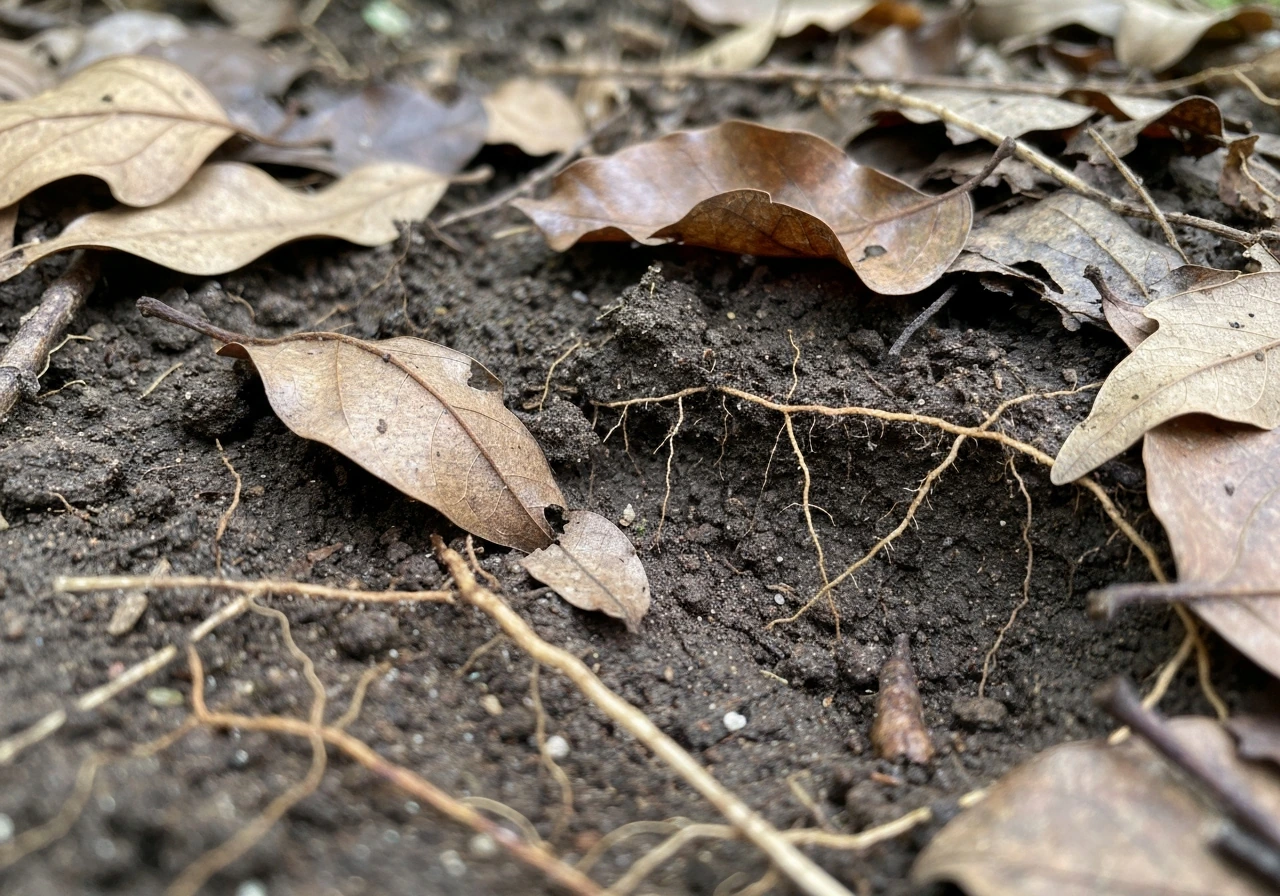
Outdoors, yeast is genuinely ubiquitous. It is part of the normal microbial community in a wide range of natural environments.
- Soil: yeast species are common soil organisms, especially in soils rich in decaying organic matter, leaf litter, and plant roots
- Fruit and plant surfaces: the waxy bloom on grape skins, plums, and apples carries naturally occurring wild yeast, which is exactly why fruit left on the vine can begin fermenting
- Flower nectar: nectar is a sugar-rich substrate with water activity in a range compatible with yeast, and several yeast species are routinely isolated from flowers
- Tree bark and sap: wounds in tree bark that exude sugary sap attract and support yeast populations
- Air: yeast spores and cells are present in outdoor air and get deposited on surfaces through wind and rain, which is how they arrive on uncovered food or damp indoor surfaces after windows are opened
- Compost and decomposing vegetation: actively decomposing organic matter with moisture and warmth is a concentrated yeast habitat
The outdoor reservoir is essentially impossible to eliminate, which is why indoor control strategies focus on conditions rather than trying to exclude yeast entirely. Yeast will always be brought in on produce, via air, and on people, so the goal is making the indoor environment inhospitable for it to grow.
Yeast in foods and drinks
Food is one of the richest yeast habitats available, and not just in the obvious cases like bread dough or beer. Yeast grows wherever sugars or digestible starches exist alongside sufficient moisture, which covers a surprisingly wide range of products.
Sugar-rich and high-carb environments
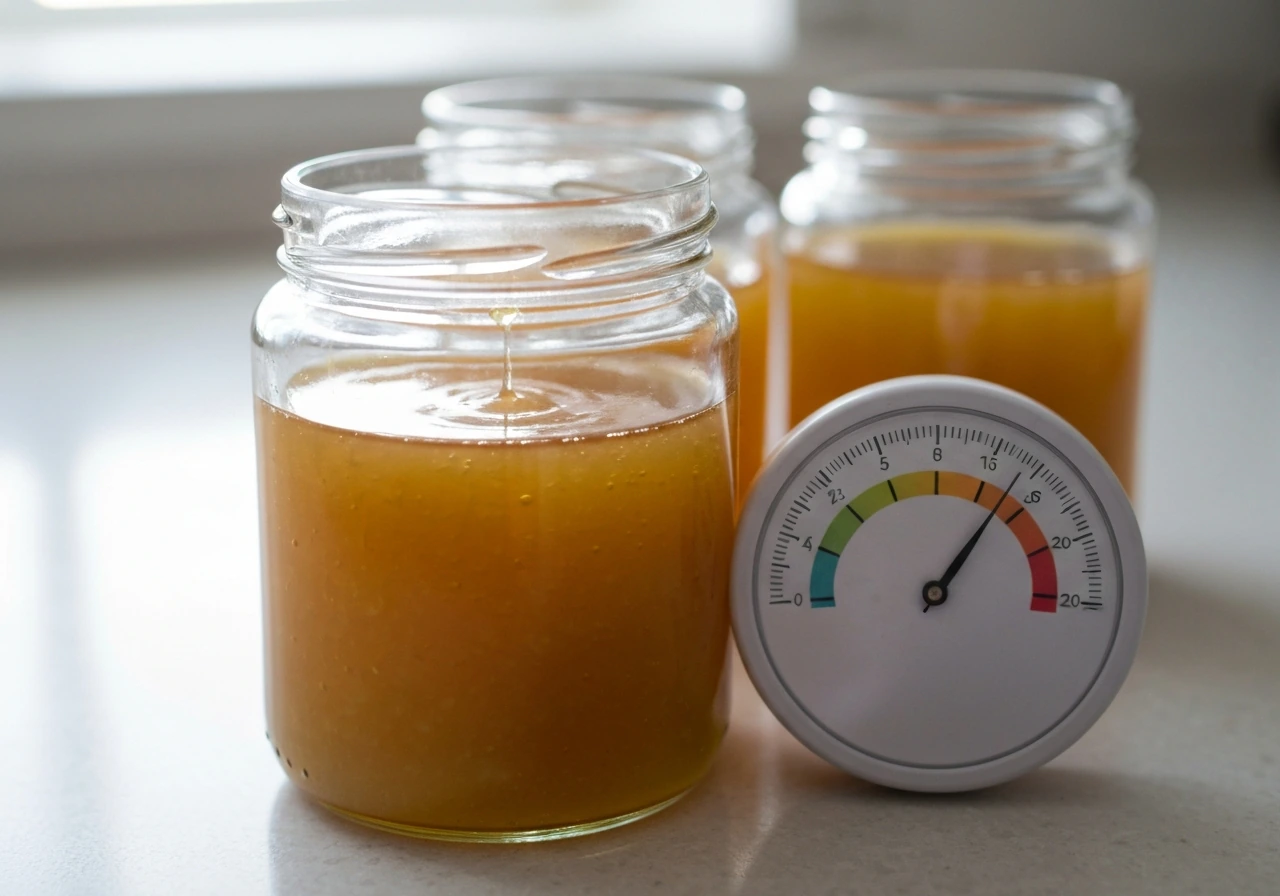
Fruit juices, fruit concentrates, and syrups sit in a water activity range of roughly 0. 80 to 0. 85, which is below what most bacteria can tolerate but well within the range where standard yeasts grow. Confections and marzipan drop lower still, to around 0.
70 to 0. 75, but osmophilic yeasts (species specifically adapted to low water activity) can still spoil these products. These osmophilic yeasts are associated with spoilage of honey, fruit juices and concentrates, liquid sugars, and sometimes marzipan [osmophilic yeasts are associated with spoilage of honey, fruit juices/concentrates, liquid sugars, and sometimes marzipan](https://en. wikipedia.
org/wiki/Osmophile). Honey provides one of the extreme examples: obligate osmophilic yeasts have been isolated from raw honey, which has a water activity well below 0. 80. If honey is diluted even slightly during storage, its water activity rises enough for fermentation to begin.
Soft drinks and preserved fruit products face a related problem. Zygosaccharomyces bailii, a well-known spoilage yeast, is highly resistant to common weak-acid preservatives like sorbic and benzoic acid, which makes it a persistent headache in acidic, sugary beverages even when those beverages appear properly preserved.
Fermented foods and beverages
Bread dough, wine, beer, kombucha, and sourdough starter all use intentionally cultivated yeast. In these environments, yeast is the desired organism, but the same conditions that support the intended strain also welcome wild or spoilage yeasts if hygiene lapses. In these environments, yeast is the desired organism, but the same conditions that support the intended strain also welcome wild or spoilage yeasts if hygiene lapses why yeast grows in other living environments rather than inside an ant colony.
In brewing, barrel and cask storage increases oxygen ingress compared to sealed tanks, which can allow spoilage yeasts and bacteria to grow alongside or after the primary fermentation yeast. Vinegar, fermented pickles, and some cheeses present similar scenarios where the fermentation conditions suppress some microbes but remain permissive for acid-tolerant and osmotolerant yeasts.
Refrigerated and intermediate-moisture foods
Cold temperatures slow yeast growth but do not reliably stop it. Refrigerator-tolerant species are active in the 0 to 10°C (32 to 50°F) range, which is why jams, fruit salads, dairy products, and opened condiments can still show yeast spoilage in the fridge. Intermediate-moisture foods like dried fruit, jerky, and some baked goods sit at water activity levels where osmophilic yeasts can still find enough available water to grow slowly over time.
Yeast and the human body
Yeast, particularly Candida species, is part of the normal resident flora of the human body. It typically lives harmlessly on skin and mucous membranes, including the mouth, gut, and vaginal tract, where it competes with bacteria and is kept in check by the immune system and the surrounding microbial community. This is routine colonization, not infection.
The concern arises when that balance shifts. Antibiotic use, corticosteroid use, diabetes, pregnancy, and immune suppression (from conditions like HIV or cancer treatment) are established risk factors for Candida overgrowth. Antibiotics are a particularly common trigger because they reduce bacterial competition in the gut and on mucosal surfaces, allowing Candida to occupy the vacated niche. Similarly, elevated blood sugar in people with poorly controlled diabetes creates a more nutrient-rich environment that favors yeast growth on skin and mucous membranes.
For context relevant to food safety: skin-associated Candida and environmental yeasts can transfer to food during handling, which is why hand hygiene and surface sanitation matter in food preparation, especially in people who are already at higher risk for colonization imbalances.
How to tell yeast apart from mold and bacteria
You will not always have a lab available, so knowing what to look for visually and contextually is practical information worth having.
| Feature | Yeast | Mold | Bacteria |
|---|---|---|---|
| Colony appearance | Smooth, creamy, or slightly wrinkled; no fuzzy texture | Fluffy, powdery, or hairy; visible aerial filaments (hyphae) | Slimy or flat; often translucent or off-white; no dry or fuzzy texture |
| Color | Cream, white, or pale yellow typically | Green, black, white, gray, or orange depending on species | White, yellow, or colorless typically; some produce colored pigments |
| Texture | Moist and pasty, similar to toothpaste consistency on a surface | Dry and filamentous; leaves a powdery residue | Wet and mucoid; often produces a slimy film |
| Smell | Yeasty or slightly fermented; sometimes fruity | Musty or earthy | Sour, putrid, or neutral depending on species |
| Preferred water activity | ~0.88 minimum (osmophilic species lower) | ~0.80 minimum | ~0.90 minimum for most spoilage bacteria |
| Growth speed (visible) | Moderate; days to a week on food | Fast; visible in 24–72 hours under good conditions | Very fast; hours under optimal conditions |
Mold colonies produce visible hyphae that give them that distinctive fuzzy or filamentous appearance. Yeast colonies lack aerial hyphae entirely, which is why they look smooth and moist instead. If you see something creamy and spreadable growing on a surface or food that does not look hairy or powdery, yeast is a reasonable first guess. If it is fluffy or has clearly defined color zones, mold is more likely. These distinctions become especially relevant when assessing whether a contaminated surface or food needs fungal-specific remediation.
Practical steps to control yeast growth right now
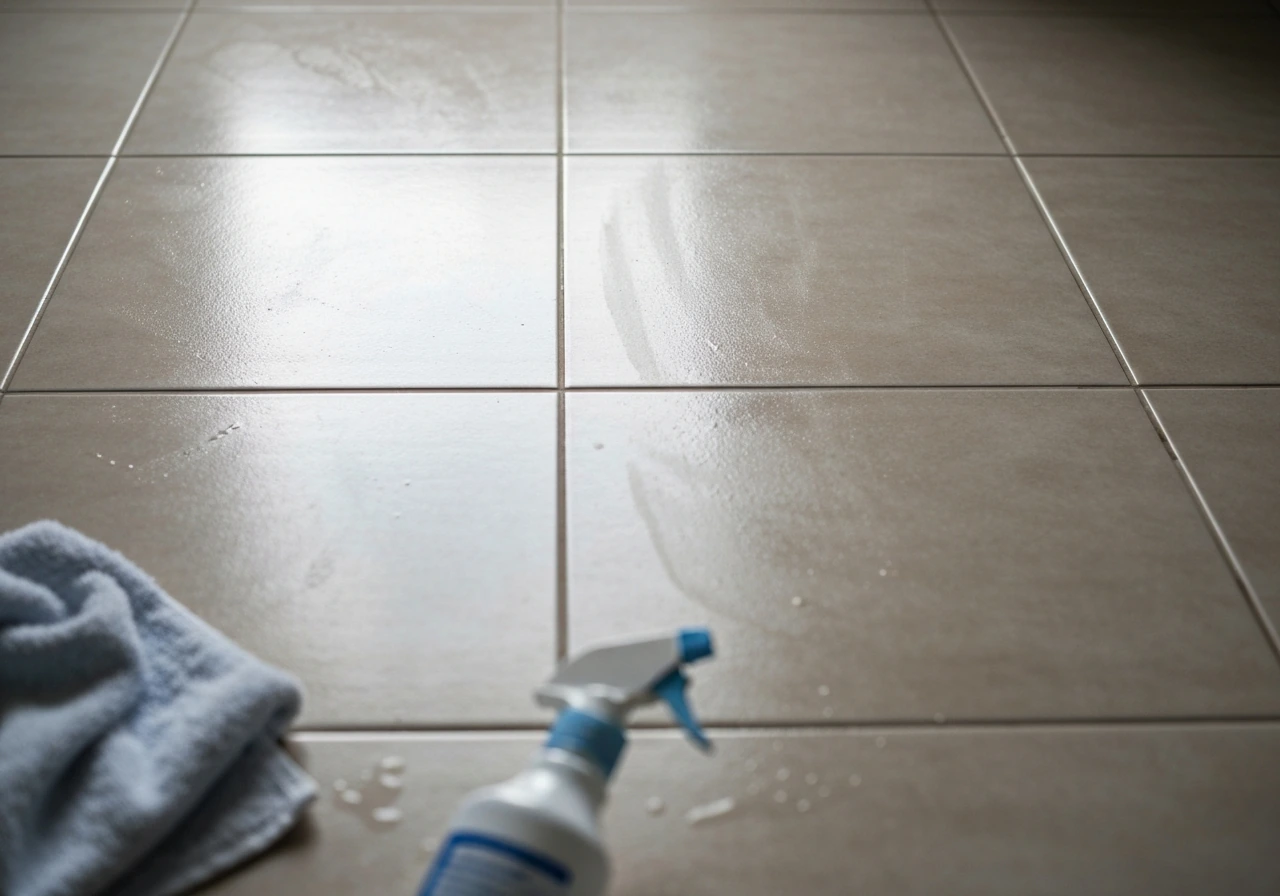
The good news is that yeast control and mold control rely on the same core principles: reduce moisture, manage temperature, clean organic material away, and use appropriate sanitizers where needed. Here is what to actually do.
Control moisture first
- Fix leaks and dry wet materials within 24 to 48 hours. That window is the practical cutoff before colonization becomes likely.
- Keep indoor relative humidity between 30 and 50%. Use a hygrometer (inexpensive at most hardware stores) to check. Above 60% RH, conditions are actively favorable for yeast and mold.
- Clean and dry refrigerator and air conditioner drip pans on a regular schedule. These are easy to forget and become persistent microbial reservoirs.
- Replace kitchen sponges every one to two weeks, or sanitize them daily if you prefer to reuse them. Wringing them dry after each use slows growth between uses.
Clean organic material off surfaces
Yeast needs something to feed on. Removing food residue, sugary spills, and organic debris from surfaces eliminates the nutrient base even when you cannot fully eliminate moisture. Pay particular attention to grout lines, drain rims, under-appliance surfaces, and the inside of containers used for sugary foods or drinks.
Disinfect after cleaning
Cleaning removes visible contamination; disinfecting kills organisms that remain. Use an EPA-registered disinfectant or a dilute bleach solution on non-porous surfaces after cleaning. Do not mix bleach with ammonia-containing cleaners because that produces toxic fumes. For food-contact surfaces, follow label directions for contact time and rinsing. HEPA vacuuming before disinfecting is useful on surfaces where dry residue may be present.
Adjust food storage conditions
- Store opened jams, syrups, fruit juices, and condiments in the refrigerator and use them within recommended timeframes. Even low-pH, high-sugar products are not immune to osmophilic yeasts at room temperature.
- Keep honey containers sealed tightly. If you add even a small amount of water (from a wet spoon), you raise its water activity enough for fermentation to start.
- Use airtight containers for intermediate-moisture foods like dried fruit or baked goods to prevent them from absorbing ambient humidity.
- Consider water activity measurements for food safety professionals managing high-risk products: keeping a_w below 0.88 excludes most yeasts, and below 0.65 excludes even osmophilic species.
Improve ventilation in humidity-prone areas
Bathrooms, kitchens, and basements need active ventilation or dehumidification to stay below the 60% RH threshold. Run exhaust fans during and after cooking and showering, and leave them running for at least 10 to 15 minutes after you are done. In basements, a properly sized dehumidifier combined with good air circulation will drop ambient humidity enough to make a real difference in fungal colonization of surfaces and stored goods.
If you are dealing with yeast specifically in a food production or food service context, the combination of water activity management, temperature control, pH adjustment where feasible, and preservative use (where allowed and effective against the specific strains involved) gives you multiple independent barriers. No single intervention is foolproof, especially given the preservative resistance of spoilage yeasts like Z. bailii, but stacking these controls is the standard approach in food safety.
FAQ
Why do I keep seeing yeast-like growth even after I clean, especially in kitchens or near drains?
Yes, but you need to treat the cause, not just the symptom. Yeast often comes from high water availability plus residue (sugary or starchy films), so focus on removing the sticky film and then drying the area to below 60% RH. If condensation keeps recurring, passive “spot cleaning” usually fails because the microenvironment keeps re-wetting surfaces.
Is the 24 to 48 hour drying window always reliable for deciding prevention versus removal?
In most households, the 24 to 48 hour drying rule is a practical indicator, but use it as a decision aid rather than a guarantee. If you cannot confirm how quickly the area dried, or if the area repeatedly gets wet (leaky plumbing, recurring condensation), assume prevention has not occurred and plan for removal plus longer-term moisture control.
Can I identify yeast with certainty just by what it looks like?
Usually not. The visual “creamy or smooth” look can suggest yeast, but some molds also appear non-fuzzy at first or can look powdery rather than filamentous. A safer approach is to identify the most likely habitat (damp syrup, slime in a drain, fruit products) and then apply the same moisture-removal, cleaning, and targeted sanitization steps for fungal growth, because misidentification often leads to under-cleaning.
How can yeast grow in a sealed jar or a “dry-looking” product?
Water activity is the key driver, so a jar that looks sealed can still be vulnerable if the product or lid area has enough accessible moisture. Gaps in seals, condensation under lids, and water migrating from surrounding humid air can raise local availability even when the bulk seems dry. If spoilage is recurring, check lid condition, storage temperature swings, and whether the product is in a high-humidity area.
Why can yeast spoil food even in the fridge?
Refrigeration slows many species but does not sterilize them. To reduce risk, keep refrigerator-stored high-sugar items covered, limit time at room temperature, and discard products that show active spoilage rather than trying to “save” them by scraping. Yeast can keep growing in cool, moderately moist zones such as opened condiments.
What is the best sequence, vacuuming, cleaning, or disinfecting, and does it differ for porous surfaces?
For many indoor surfaces, HEPA vacuuming helps with loose dry residue, then you clean and sanitize. If the surface is non-porous and is not heavily degraded, use a disinfectant after cleaning and ensure appropriate contact time and rinsing for food-contact areas. On porous materials (some fabrics, unsealed wood, drywall), removal is often the more practical step because residue can remain even after disinfection.
If I only see yeast, could bacteria still be involved in the same problem area?
Bacteria can contribute to slime and odor, but they are not necessary for yeast to grow. Yeast can establish in nutrient films and accessible water even when bacterial growth is limited, for example on sugary syrups or acid-tolerant beverages. If you see persistent biofilm-like residue (slick, persistent smell), treat it as a mixed-microbe problem and focus on stripping the biofilm and reducing water availability.
How do the risk factors for Candida overgrowth change practical prevention steps at home?
Yes, particularly for people on antibiotics or with diabetes or immune suppression. The more relevant prevention steps are hygiene and reducing opportunities for re-colonization: keep skin folds dry, manage blood sugar, and clean and dry reusable items (like moisturizers or makeup applicators) that may trap moisture. If symptoms are persistent, painful, or recurrent, medical evaluation matters because risk is not “just yeast on the skin.”
What should I do if I’m not sure whether something is spoiled yeast versus something else?
If you are dealing with food spoilage, don’t rely on smelling alone. Yeast spoilage can be subtle early, and other microbes can produce similar off-notes. The practical rule is context-based: any visible growth, swelling, abnormal texture (strings, bubbles, film), or leaking container means discard, then clean and dry the storage area to remove residue that could seed future spoilage.
What barrier approach works best in food production or food service when preservatives might not stop yeast?
Stack barriers. Even though preservatives may suppress many bacteria, some spoilage yeasts can be resistant to certain weak acids, so you may need multiple independent levers such as lowering water activity (concentration), controlling temperature, adjusting pH if formulation allows, and improving sanitation and packaging integrity. If Z. bailii is suspected, don’t assume “acid present equals safe,” you still need process controls targeted at yeast.
Next Article
The Hyphae Are Able to Grow and Penetrate: How to Prevent It
How hyphae grow and penetrate. Identify moisture, temp, nutrients and porosity drivers and stop fungal invasion in food