
Obligate anaerobes can grow only in environments where oxygen is absent or effectively zero. That means sealed spaces, oxygen-depleted pockets, deep tissues, buried sediments, and certain food environments where oxygen has been removed or consumed. If oxygen is present, these organisms don't just slow down, they stop growing entirely and many are killed outright. The Merck Manual Professional Edition notes that obligate anaerobes do not grow when oxygen is present because oxygen blocks their growth and they cannot perform aerobic metabolism blank" rel="noopener noreferrer">If oxygen is present, these organisms stop growing entirely.
Obligate Anaerobes Can Grow in Oxygen-Free Environments

Marcus Reeves
4 Jul 2026

What obligate anaerobes are and why oxygen stops them

An obligate anaerobe is a microorganism that cannot perform aerobic metabolism and cannot tolerate oxygen in its environment. The reason comes down to chemistry: when exposed to oxygen, these bacteria generate reactive oxygen species (ROS) like superoxide and hydrogen peroxide inside their cells. Unlike aerobes, obligate anaerobes produce little or none of the defensive enzymes, such as catalase and superoxide dismutase, needed to neutralize those molecules. This oxygen sensitivity is linked to obligate anaerobes lacking defense enzymes like catalase and superoxide dismutase, making them unable to detoxify oxygen-derived reactive oxygen species, and oxygen also damages iron-sulfur clusters required for anaerobic metabolism oxygen-derived reactive oxygen species and iron-sulfur cluster disruption.
The damage is fast and specific. Superoxide attacks iron-sulfur (FeS) clusters in the enzymes obligate anaerobes depend on for energy metabolism. Once those clusters are disrupted, the organism can't generate energy or run the redox chemistry it relies on. Research on Bacteroides thetaiotaomicron, one of the most studied obligate anaerobes, has confirmed that endogenous superoxide is the key effector behind oxygen sensitivity. It isn't just a matter of lacking oxygen-based energy pathways; the organism is actively damaged by the molecule itself.
This is what separates obligate anaerobes from facultative anaerobes, which can switch between aerobic and anaerobic metabolism, and from microaerophiles, which actually require a small amount of oxygen to grow. Obligate anaerobes need oxygen to be absent, not just reduced.
The growth conditions obligate anaerobes actually need
Removing oxygen is the non-negotiable requirement, but that alone doesn't guarantee growth. Obligate anaerobes also require the right combination of redox potential, moisture, and available nutrients.
The oxidation-reduction potential (Eh) of an environment matters enormously. The Merck Manual specifically notes that obligate anaerobes replicate at sites with low oxidation-reduction potential, such as necrotic or devascularized tissue. In practical terms, low Eh means the environment is chemically reducing, the kind of condition you find in dead or oxygen-starved tissue, deep in organic sediments, or inside a sealed package from which oxygen has been displaced or consumed by other microbial activity. Because obligate anaerobes require very specific oxygen-free and reducing conditions, you often find that microbes cannot grow in environments that stay strongly oxygenated or chemically oxidizing where can microbes not grow.
On top of redox, obligate anaerobes still need adequate water activity and available carbon and nitrogen sources. An anaerobic environment that is too dry or nutrient-poor won't support growth regardless of how little oxygen is present. This is relevant in food safety contexts where manipulating moisture (drying, curing) can be a secondary control even in situations where oxygen content is already low.
Real-world places where obligate anaerobes grow
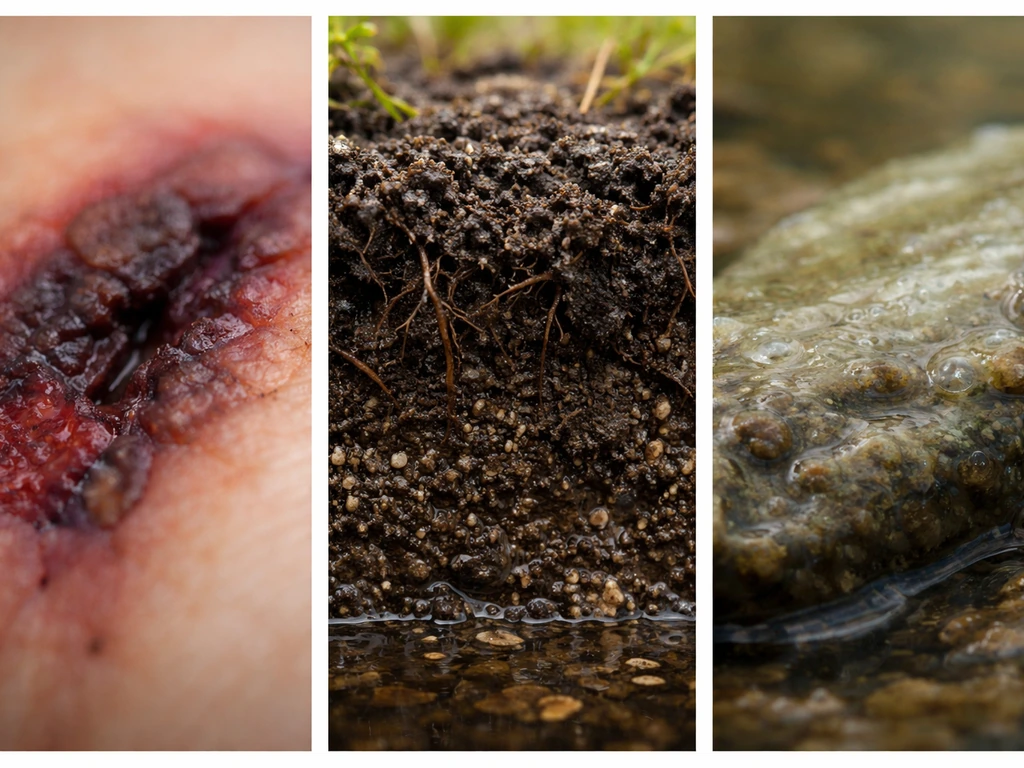
Understanding the theory is useful, but being able to recognize the real environments where these organisms can thrive is where it becomes practical.
- Necrotic and devascularized tissue: Wounds with dead tissue, deep puncture wounds, or poorly vascularized areas create naturally low-oxygen, low-redox pockets. This is the environment where Clostridium species responsible for gas gangrene and tetanus become dangerous.
- Deep soil and sediments: Buried soil layers below the surface aerobic zone, anaerobic lake sediments, and waterlogged soils are classic habitats. Clostridium botulinum spores, for example, are commonly found in soil and can germinate when the right anaerobic conditions develop.
- Intestinal tract: The large intestine is one of the most oxygen-depleted environments in the human body. The gut microbiome is dominated by obligate anaerobes, including Bacteroides and Fusobacterium species, which thrive there precisely because luminal oxygen levels are extremely low.
- Vacuum-packaged and modified-atmosphere foods: Vacuum packaging removes oxygen directly. Modified atmosphere packaging that uses CO2 and nitrogen without oxygen creates anaerobic conditions. Both create environments where obligate anaerobes, if introduced, can potentially grow without the competition or inhibition from aerobic organisms.
- Fermentation vessels and sludge: Anaerobic digesters, silage, and certain fermentation environments are deliberately engineered to exclude oxygen, which is why they support dense populations of obligate anaerobes.
- Interior of large food masses: Deep inside a large piece of meat, at the center of a dense food product, or under a heavy brine layer, oxygen can be depleted by surface microbial activity or simply by limited diffusion, creating a microenvironment where anaerobic growth is possible.
Clearing up common misconceptions
One of the most common mistakes is treating all "anaerobic" organisms as the same category. They aren't, and mixing them up leads to bad risk assessments.
| Organism Type | Oxygen Requirement | Can Grow With Oxygen? | Can Grow Without Oxygen? |
|---|---|---|---|
| Obligate anaerobe | Zero oxygen required, oxygen is toxic | No | Yes, only in anaerobic conditions |
| Facultative anaerobe | Prefers oxygen but doesn't need it | Yes | Yes |
| Microaerophile | Needs a small amount of oxygen (2-10%) | Only at low concentrations | No, needs trace oxygen |
| Obligate aerobe | Requires oxygen for growth | Yes | No |
Facultative anaerobes, the subject of a related topic on this site, are fundamentally different from obligate anaerobes because they carry the enzymatic machinery to handle oxygen. They just don't require it. Microaerophiles like Campylobacter need very low but non-zero oxygen levels, which means they actually cannot grow in a fully anaerobic environment either. Calling something "anaerobic" without specifying which type leads to incorrect assumptions about where it can or cannot grow.
Another misconception is that refrigeration alone prevents obligate anaerobe growth in vacuum-packed foods. Temperature does slow growth, but psychrotrophic strains of Clostridium botulinum (type E and non-proteolytic type B and F) can grow and produce toxin at temperatures as low as 3°C under anaerobic conditions. Refrigeration is a supporting control, not a standalone solution when oxygen is absent.
It's also worth distinguishing between growth and survival. Some obligate anaerobes produce heat-resistant spores (most notably Clostridium species) that can survive in the presence of oxygen even though the vegetative cells cannot grow there. The spores lie dormant until conditions become anaerobic again, at which point they germinate and the organism resumes normal activity. Oxygen exposure doesn't eliminate the risk if spore-formers are involved.
What this means for food safety and contamination control
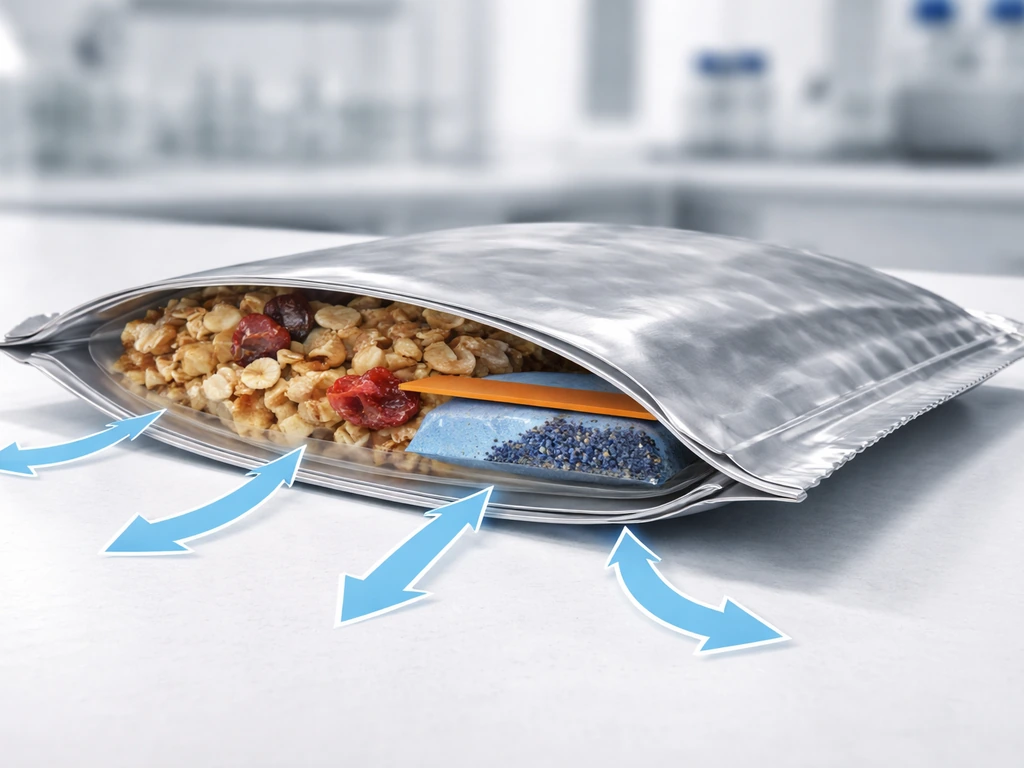
For food safety professionals, the core takeaway is straightforward: anaerobic packaging creates a selective advantage for obligate anaerobes by removing the oxygen that would otherwise inhibit or kill them. Every time you remove oxygen from a food environment, you need to think about what else is controlling growth, because you've just made the environment more hospitable to this specific group of organisms.
Here are the practical controls that matter most when oxygen isn't available to do the work for you. In many test questions, this is reflected by asking which of the following pathogens will grow primarily without oxygen, which points to obligate anaerobes when oxygen isn't available.
- Temperature control: Keep vacuum-packed and modified-atmosphere products at or below the recommended storage temperature consistently. For non-proteolytic Clostridium botulinum, that means staying below 3°C if you want to be conservative, or using additional hurdles.
- pH reduction: Obligate anaerobes including Clostridium botulinum are inhibited at pH below 4.6. Acidification (through fermentation, vinegar, or other acidulants) is one of the most reliable secondary controls in low-oxygen food systems.
- Water activity control: Reducing available moisture through drying, curing with salt, or adding humectants limits microbial growth including obligate anaerobes. A water activity below 0.93 inhibits non-proteolytic C. botulinum.
- Heat processing: For shelf-stable low-acid anaerobic foods (canned vegetables, retorted products), a validated botulinum cook of 121°C for at least 3 minutes equivalent is the standard for destroying spores. Under-processing is the primary failure mode in commercial canning outbreaks.
- Avoid creating inadvertent anaerobic pockets: Be cautious about storing foods under oil, deep in dense preparations, or in improperly sealed containers without a validated preservation system. Garlic-in-oil is the classic example of a food that has caused botulism because it creates the perfect low-redox, oxygen-free, nutrient-rich environment.
- Sanitation to reduce initial contamination load: Because Clostridium spores are environmental contaminants, good agricultural practices and sanitation reduce the probability that spores enter the food supply in the first place.
The broader point is that oxygen is doing quiet but important work in most open food storage environments, keeping obligate anaerobes in check. When you seal, vacuum-pack, ferment, or create any oxygen-depleted zone, you're handing over that control function to other parameters. These obligate anaerobes also do not need sunlight to grow because they rely on low-oxygen, chemistry-driven conditions rather than photosynthesis does not need sunlight to grow because. Knowing which obligate anaerobes are realistic risks in your specific food matrix, and what their specific growth thresholds are for temperature, pH, and water activity, is how you design a safe product rather than discovering the gap after a problem occurs.
FAQ
If an obligate anaerobe can’t tolerate oxygen, does that mean any oxygen exposure instantly kills it?
Not always. Many obligate anaerobes rapidly stop growing when oxygen is present, but some can persist longer depending on the strain and the oxygen level. If spores are involved, the population may survive oxygen exposure, then resume growth after conditions become anaerobic again.
Do obligate anaerobes require perfectly oxygen-free conditions, or can very low oxygen still allow growth?
They generally require oxygen to be absent or effectively zero. Tiny residual oxygen may be enough to halt growth for many species, even if growth is slower rather than completely stopped. For risk assessment, treat “near-anaerobic” packaging as not the same as truly oxygen-free.
Can obligate anaerobes grow in fermentations that are anaerobic, or are they only relevant to spoiled meats?
They can grow in any environment that becomes oxygen-depleted and chemically reducing with sufficient nutrients and water activity, including some fermentation matrices. The key is the combination of low redox potential and appropriate substrate availability, not the food category alone.
Why does “anaerobic packaging” not automatically mean obligate anaerobes will grow?
Because removing oxygen only fixes the oxygen constraint. Growth also depends on redox potential, moisture (water activity), pH, temperature, and the presence of usable carbon and nitrogen sources. A package can be oxygen-free yet still be too dry, too acidic, or too nutrient-limited for growth.
What’s the practical difference between redox potential (Eh) and simply “not having oxygen” in a container?
Eh reflects the overall reducing or oxidizing chemistry, including how electrons are transferred by other compounds and microbial activity. An environment can be low in oxygen but still not sufficiently reducing, which can prevent obligate anaerobe replication. Testing Eh or using validated product studies is more informative than assuming low oxygen automatically equals low Eh.
How should I interpret “anaerobic” test questions that ask which pathogen will grow without oxygen?
Treat “without oxygen” as the trigger for obligate anaerobes, but still consider the scenario details. Many questions implicitly assume growth-permitting temperature, pH, and water activity. If the scenario includes drying, acidity, or refrigeration conditions, that can override oxygen absence.
Are obligate anaerobes a concern at refrigerator temperatures in vacuum-packed foods?
Yes, temperature reduction slows growth but may not prevent it. Some psychrotrophic clostridial strains can grow and produce toxin at low temperatures under anaerobic conditions. Refrigeration is therefore a supporting hurdle, not a guarantee when oxygen is absent.
Does the presence of spores mean the oxygen-free environment is always dangerous?
It increases risk, but you still need the right germination and growth conditions. Spores may persist through oxygen exposure, then germinate when oxygen becomes absent and when temperature, pH, and water activity meet growth thresholds. The danger is worst when an anaerobic, permissive environment follows.
Can obligate anaerobes grow without sunlight, or is that factor important?
Sunlight is not required for obligate anaerobes because they do not rely on photosynthesis. Their growth is driven by chemistry-driven metabolism under oxygen-free, reducing conditions. In practice, focus on anaerobiosis and redox rather than lighting conditions.
What common mistake leads to underestimating risk in oxygen-depleted foods?
Assuming oxygen content is the only constraint. Many analyses miss that redox potential and moisture also determine whether obligate anaerobes can actually replicate. Another frequent error is labeling any “anaerobic” organism as obligate anaerobe, which can distort predictions about growth in oxygen-depleted versus microaerobic conditions.
Next Article
Bacteria Do Not Need Sunlight to Grow Because They Use Chemistry
Most bacteria grow using chemical energy, not sunlight; control temperature, oxygen, pH, moisture, and nutrients to prev