Bacteria don't need sunlight to grow because the vast majority of them are not photosynthetic. They get their energy from chemical reactions, not from light. As long as they have the right temperature, moisture, nutrients, and oxygen conditions, they can multiply just fine in complete darkness, which is exactly what's happening inside your refrigerator, a sealed vacuum pack, or a damp kitchen sponge right now.
Bacteria Do Not Need Sunlight to Grow Because They Use Chemistry

Marcus Reeves
10 Jun 2026
How bacteria actually get their energy
All living things need energy to grow and reproduce. Plants and algae capture that energy from sunlight through photosynthesis. Most bacteria take a completely different route: they extract energy by breaking down chemical compounds through oxidation reactions. This is called chemoorganotrophy, and it's by far the most common metabolic strategy in the bacterial world.
In practice, this means a chemoorganotrophic (or chemoheterotrophic) bacterium oxidizes organic compounds like glucose or amino acids, generating ATP to power its cellular machinery and producing simpler compounds it then uses for biosynthesis. No light-harvesting pigments required. The organic carbon in food, water, and soil is all the fuel these organisms need.
There's also a smaller group called chemoautotrophs, or chemolithotrophs, that get energy from oxidizing inorganic compounds like hydrogen sulfide or ammonia while using carbon dioxide as their carbon source. These organisms are mostly found in extreme environments like deep-sea vents or soil. They also grow without light. The photosynthetic bacteria, called phototrophs, are a genuinely separate group with specialized pigments like bacteriochlorophyll that capture light energy. They're real, but they're the exception, not the rule.
Why light specifically isn't in the picture for most bacteria
Photosynthesis in bacteria requires chlorophyll-based photochemical reaction centers to capture light energy and drive the reactions that fix carbon dioxide into organic molecules. Most bacteria simply don't have these pigments or reaction centers. They've never needed them, because oxidizing organic or inorganic chemicals works just as well to generate ATP.
This is the core reason that food safety measures focused on light exposure, like UV sterilization or sun-drying, have to be applied deliberately as interventions rather than relied on passively. UV light can damage bacterial DNA and kill cells when applied at the right intensity and duration, but normal ambient light or even direct sunlight on a countertop does essentially nothing to slow bacterial growth. The bacteria living in your food don't register the difference between a lit kitchen and a dark one.
Oxygen conditions: who needs it and who doesn't
If light isn't the controlling variable for bacterial growth, what is? One of the most important factors is oxygen availability, because different bacteria have radically different relationships with it. OpenStax explains that bacteria can be obligate aerobes, obligate anaerobes, facultative anaerobes, aerotolerant anaerobes, or microaerophiles depending on their oxygen requirements different bacteria have radically different relationships with it. Facultative anaerobes and obligate anaerobes are examples of bacteria that can grow without oxygen, depending on their specific metabolism bacteria have radically different relationships with oxygen.
| Category | Oxygen relationship | Example relevant to food |
|---|---|---|
| Obligate aerobe | Must have oxygen to grow; uses it as the terminal electron acceptor | Pseudomonas spp. (aerobic meat spoilage) |
| Obligate anaerobe | Killed by normal atmospheric O2 (~21%); grows only without oxygen | Clostridium botulinum (canned food toxin risk) |
| Facultative anaerobe | Prefers aerobic respiration but can switch to fermentation when O2 is absent | Listeria monocytogenes, E. coli, Salmonella |
| Aerotolerant anaerobe | Cannot use oxygen for energy but tolerates its presence | Some Lactobacillus spp. |
| Microaerophile | Needs oxygen but only at concentrations below atmospheric (~21%) | Campylobacter jejuni |
The practical takeaway here is that reducing oxygen, such as through vacuum packaging or modified atmosphere packaging, doesn't eliminate bacterial risk. It just shifts which bacteria thrive. Aerobic spoilage organisms like Pseudomonas are suppressed in vacuum packs, but psychrotrophic facultative anaerobes can still grow at refrigeration temperatures and cause spoilage and safety issues. Facultative anaerobes can grow without oxygen by switching to the oxygen-free energy pathways they use when oxygen is limited. Listeria monocytogenes is a prime example: it's a facultative anaerobe that can grow at temperatures as low as -0.4°C and is perfectly comfortable in a low-oxygen sealed package.
What bacteria actually do need to grow
Since light is irrelevant, the real growth-control levers are temperature, water activity, pH, and nutrient availability. Understanding each one is the foundation of practical food safety.
Temperature
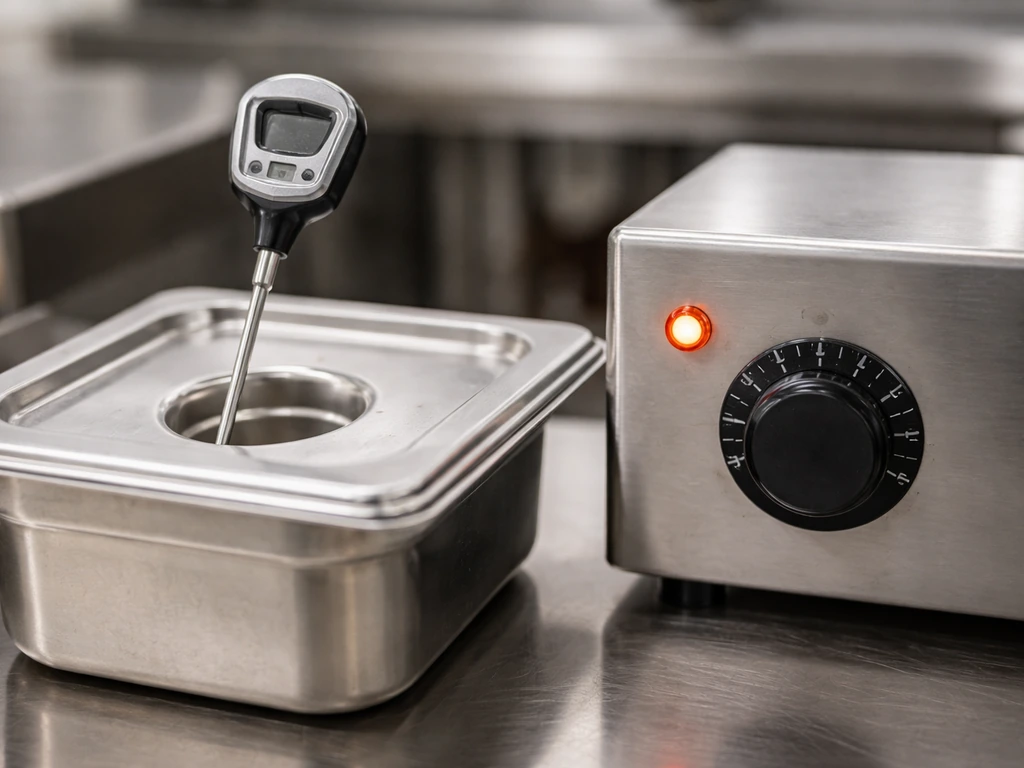
Temperature is arguably the most important practical control. The USDA defines the bacterial danger zone as 40°F to 140°F (roughly 4°C to 60°C), and within that range, bacterial populations can double rapidly. The FDA Food Code sets cold holding at or below 41°F (5°C) and hot holding at or above 135°F (57°C). If food sits in the danger zone for more than two hours total (one hour if ambient temperature is above 90°F), you should discard it. Refrigeration doesn't stop all bacteria, though. Psychrotrophic pathogens like L. monocytogenes can still grow slowly at standard refrigerator temperatures, which is why time in the fridge still matters.
Water activity (moisture)
Water activity (aw) measures how much of the water in a food is actually available for microbial use, on a scale of 0 to 1.0. Fresh meat, dairy, and most cooked foods sit near 0.99, which is ideal for bacterial growth. Most spoilage and pathogenic bacteria need a minimum water activity of about 0.90 to grow at all. Drop below that threshold through drying, salting, or adding sugar, and you remove the moisture bacteria need to function. Jerky, hard cheeses, dry pasta, and honey are shelf-stable largely for this reason.
pH
Most bacteria grow best near neutral pH (around 6.5 to 7.5) and have a practical growth range between roughly pH 4 and pH 9. Below pH 4.6, most pathogenic bacteria, including Clostridium botulinum, cannot grow or produce toxin. This is why FDA regulations for acidified foods (21 CFR §114.80) require finished equilibrium pH of 4.6 or lower. Vinegar-based pickles, properly acidified salsas, and fermented products stay safe partly because the acid keeps pH below that threshold.
Nutrients
Bacteria are heterotrophs that need organic carbon, nitrogen, minerals, and sometimes vitamins to build cells and generate energy. Protein-rich and carbohydrate-rich foods like meat, poultry, dairy, cooked starches, and cut produce provide everything a bacterium could want. Highly processed or chemically simple foods with low nutrient density support less growth, but given enough moisture and the right temperature, almost any food surface can support bacterial multiplication.
Where bacteria grow in real kitchens and food facilities
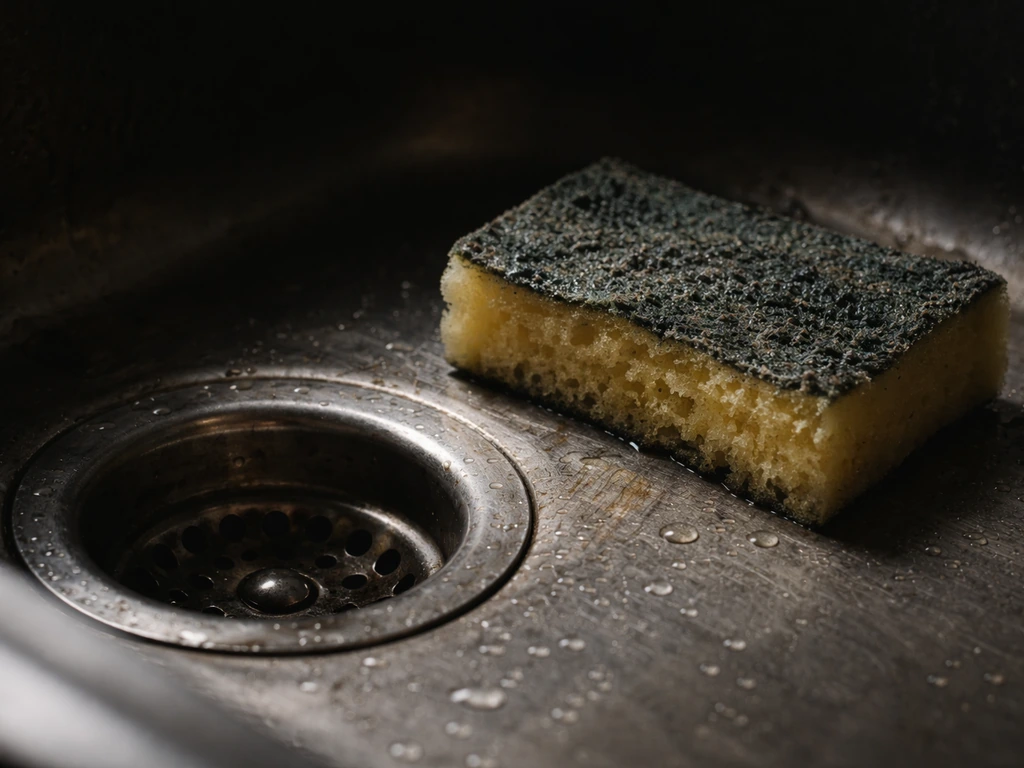
Bacteria are everywhere, and most of the environments they colonize are completely dark. A few real-world examples worth keeping in mind:
- Kitchen sponges are one of the most contaminated surfaces in a home. Studies have detected Campylobacter, E. coli, and Salmonella in sponges with poor sanitization practices. Using a contaminated sponge to wipe a surface transfers pathogens directly onto food-contact areas.
- Vacuum-packed chilled meat can support growth of psychrotrophic facultative anaerobes and strict anaerobes even at 2°C. Reduced oxygen extends aerobic shelf life, but it doesn't protect against all spoilage or pathogen risk.
- Refrigerator shelves, cutting boards, drains, and floor drains in food facilities are persistent microbial niches. Listeria, in particular, is known to colonize food processing environments and survive cleaning if sanitation is inadequate.
- Cooked foods left at room temperature are high-risk: the nutrients are bioavailable, the protein structure is already broken down, and any natural antimicrobial barriers in the raw food have been removed by heat.
- Fresh-cut produce like salad greens has damaged cell surfaces that release nutrients and moisture, making it more susceptible to rapid bacterial growth than intact whole vegetables.
Practical food safety steps that actually work
Because light has no meaningful role in controlling bacterial growth, every practical food safety measure targets the real variables: temperature, moisture, pH, oxygen, and contamination pathways. Many aerobic bacteria can grow when oxygen levels are extremely low or intermittent, and some can switch to alternative metabolic pathways. Here's how to apply this directly.
- Control time and temperature first. Keep cold foods at or below 41°F (5°C) and hot foods at or above 135°F (57°C). Track how long food spends in the danger zone (40°F to 140°F) and discard anything that's been there for more than two cumulative hours.
- Use refrigeration and freezing as primary barriers, not guarantees. Refrigeration slows most bacterial growth significantly, but psychrotrophic organisms like Listeria still grow slowly. Rotate stock, label storage dates, and don't rely on cold storage to make spoiled food safe.
- Lower water activity to inhibit growth in preserved foods. Salt, sugar, and drying all reduce available moisture. Curing, pickling brine, and dehydration are time-tested methods that work independently of temperature.
- Acidify to drop pH below 4.6 for shelf-stable acidified products. For home canning, use tested recipes. For commercial acidified foods, follow 21 CFR §114.80 requirements. Fermentation (like lacto-fermentation) lowers pH over time and can also be protective.
- Clean and sanitize food-contact surfaces separately. Cleaning removes physical debris and some bacteria mechanically. Sanitizing kills residual organisms on cleaned surfaces. Both steps are necessary; cleaning alone doesn't eliminate pathogens. Replace sponges frequently or sanitize them regularly.
- Prevent cross-contamination by keeping raw proteins away from ready-to-eat foods. Raw meat, poultry, and seafood carry pathogens that can transfer to cooked food, produce, and surfaces. Use separate cutting boards, store raw proteins on the lowest refrigerator shelf, and wash hands between handling different food categories.
- Consider oxygen environment when evaluating packaged food risk. Vacuum packs suppress aerobic spoilage but don't eliminate anaerobic pathogens. For sealed, low-acid, low-oxygen products, temperature control is especially critical because C. botulinum can produce toxin without any visible spoilage signs.
Knowing that bacteria don't need light also reinforces why dark, enclosed spaces like the back of a refrigerator drawer, the inside of a drain, or the interior of a vacuum pack are not inherently safer. If the temperature, moisture, and nutrients are right, bacterial growth will happen regardless of whether the lights are on.
Connecting oxygen flexibility to specific pathogens
One reason oxygen requirements matter so much in practical food safety is that the most dangerous pathogens tend to be the most flexible. Listeria monocytogenes is a facultative anaerobe, meaning it grows whether or not oxygen is present, and it does so at refrigerator temperatures. Salmonella and E. Yeast cells can grow under either aerobic or anaerobic conditions. coli are also facultative anaerobes, comfortable in both aerobic environments like a cutting board surface and anaerobic ones like the interior of a stuffed food product. Campylobacter, as a microaerophile, actually needs reduced oxygen, which is why it thrives in poultry tissue where atmospheric oxygen levels are low.
Understanding where a specific pathogen falls on the oxygen spectrum helps explain why particular foods and storage methods carry specific risks. The sibling questions of whether aerobic bacteria can grow without oxygen, which pathogens grow primarily without oxygen, and how facultative anaerobes behave are all part of the same framework: bacteria adapt their energy metabolism to whatever oxygen conditions they encounter, and light never enters the equation.
Listeria monocytogenes is a facultative anaerobe, meaning it grows whether or not oxygen is present, but obligate anaerobes can grow in oxygen-free conditions too. For example, obligate anaerobes will grow in very low-oxygen conditions and can be inhibited by oxygen exposure which pathogens grow primarily without oxygen. Aerobic bacteria, however, generally cannot grow without O2 because they rely on oxygen to complete their energy production aerobic bacteria can grow without oxygen.
The bottom line for food safety is simple: focus your controls on temperature, water activity, pH, and sanitation. The USDA FSIS notes that washing physically removes dirt and debris and some bacteria, but it does not kill germs, so handling should also prevent cross-contamination from raw meat and poultry juices [washing physically removes dirt and debris and some bacteria but does not kill germs](https://www. fsis. usda.
gov/food-safety/safe-food-handling-and-preparation/food-safety-basics/washing-food-does-it-promote-food). Those are the variables bacteria actually respond to. Sunlight is not a food safety tool in any practical sense, and any environment that's warm, moist, and nutrient-rich will support bacterial growth whether it's brightly lit or completely dark. Even so, there are still places where microbes cannot grow, such as extremely low or high temperatures, very dry conditions, or highly acidic environments.
FAQ
If sunlight does not stop bacteria, is it ever useful at all for food safety?
Sunlight mainly contributes indirect effects like drying or mild heating, and UV from the sun can damage some cells. However, normal indoor lighting and short countertop exposure are not consistent enough to be treated as a reliable control, especially because bacteria can remain protected in food, packaging, or biofilms.
Can bacteria grow in the refrigerator if they do not need sunlight?
Yes. Refrigeration slows growth, it does not stop it. Psychrotrophic bacteria such as Listeria monocytogenes can multiply at cold temperatures, so the key factor is still time, even when the fridge is cold and dark.
Does vacuum packaging guarantee food is safe because there is no oxygen and no light?
No. Removing oxygen suppresses some aerobic spoilage organisms but can allow facultative anaerobes to keep growing. Vacuum-packed foods still need temperature control, and shelf life should be treated as limited even if the package is sealed and dark.
What about UV sterilizers or “sun-drying” for killing bacteria, do they work reliably?
They can reduce microbes when the dose is high enough, but effectiveness depends on wavelength, exposure time, distance, and whether microbes are shaded or embedded in food. For food safety, sanitation and validated preservation methods are usually more predictable than relying on ambient light exposure.
If bacteria do not need light, why do kitchen tips sometimes mention leaving food out in the sun or keeping it covered?
Those tips are usually about temperature and contamination prevention, not light. Sun can warm food and move it into the danger zone, and leaving food uncovered increases exposure to airborne or surface contaminants, both of which drive growth.
Are “dark” environments like fridge drawers or drains always safer for not-growing bacteria?
No. Darkness does not block bacterial metabolism. These areas can still be warm enough, moist enough, and contaminated with nutrients, so bacteria can persist or even grow in biofilms regardless of whether lights are on.
Does lower oxygen always mean fewer bacteria?
Not always. Different bacteria switch between oxygen-dependent and oxygen-independent energy pathways. That is why reducing oxygen can change which organisms dominate, and why you can still see spoilage or risk from anaerobe-tolerant species.
If I change only one factor, like pH or water content, will it fully prevent bacterial growth?
Often it reduces risk, but it rarely makes food sterile. For example, lowering pH below about 4.6 helps prevent growth and toxin production for many pathogens, but some microbes may still persist depending on the specific organism, temperature, and time. The safer approach is combining controls.
Can bacteria grow without “nutrients,” like on plain water or an empty surface?
Sometimes bacteria can persist by using trace organic material, residues, or films rather than abundant food nutrients. Growth still depends on available moisture, temperature, and the presence of any usable carbon sources, even if the surface looks clean.
What is the most common mistake people make because they think light matters?
Assuming that being in a lit room or near a window is either safe or unsafe. The practical mistake is ignoring time and temperature. If food spends enough time in the danger zone, bacteria can multiply regardless of illumination.
If bacteria need chemical energy, does that mean they always need food?
They need usable carbon sources, not necessarily “food” as humans define it. Organic compounds can come from leftovers, sauces, oils, cut produce residues, and even certain contamination films, which is why cleaning and preventing recontamination matter as much as storage conditions.
Next Article
Where Can Microbes Not Grow: Conditions That Prevent Growth
Learn where microbes cannot grow by limiting temperature, pH, water, oxygen, and nutrients, plus practical food safety s