
True obligate aerobic bacteria cannot grow in the absence of oxygen. Growth stops without O2 because these organisms depend entirely on aerobic respiration to generate energy. However, 'aerobic bacteria' is not a single category. Facultative anaerobes, which are often grouped loosely with aerobes, can switch metabolic gears and grow just fine without oxygen. Microaerophiles need some oxygen but not the full 21% found in air. So whether a specific aerobic organism can grow without O2 depends entirely on which type of aerobe you're dealing with.
Can Aerobic Bacteria Grow Without O2? Growth, Tests, and Safety

Marcus Reeves
15 May 2026
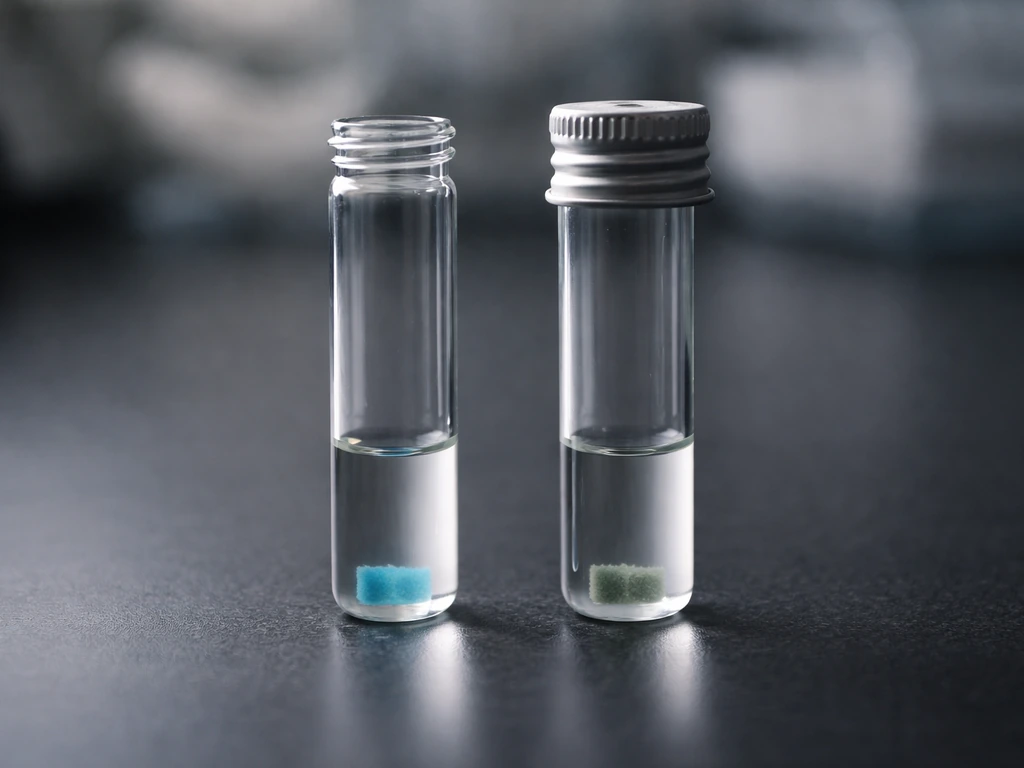
What 'aerobic' actually means (and why the label isn't enough)

When someone says a bacterium is 'aerobic,' they usually mean it grows in the presence of oxygen. But that description covers several distinct groups with very different oxygen tolerances and metabolic strategies.
| Category | Oxygen Requirement | Growth Without O2? | Energy Pathway |
|---|---|---|---|
| Obligate aerobe | Requires O2 | No | Aerobic respiration only |
| Facultative anaerobe | Can use O2, doesn't need it | Yes | Aerobic respiration or fermentation |
| Microaerophile | Needs reduced O2 (roughly 2–10%) | No (zero O2 stops growth) | Aerobic respiration at low O2 |
| Aerotolerant anaerobe | Does not use O2 at all | Yes (ignores O2) | Fermentation only |
| Obligate anaerobe | Cannot tolerate O2 | Yes (dies with O2 present) | Anaerobic respiration or fermentation |
The practical takeaway: if you are trying to control growth by removing oxygen, you will stop obligate aerobes and microaerophiles, but you will not stop facultative anaerobes or aerotolerant anaerobes. They adapt and keep growing. This is why oxygen management alone is not a complete food safety strategy.
What happens inside the cell when oxygen disappears
There is an important difference between survival and growth. An obligate aerobe that suddenly finds itself in an oxygen-free environment does not instantly die. Its cells can persist for a period, sometimes hours or even days, depending on temperature, available nutrients, and the organism involved. But it cannot replicate. Without O2, it cannot run the electron transport chain that generates ATP through aerobic respiration, and without sufficient ATP, the cell machinery needed for DNA replication and cell division simply shuts down.
Facultative anaerobes handle this differently. Facultative anaerobes can grow either with or without free oxygen, using aerobic respiration when oxygen is present and switching to fermentation when oxygen is absent blank" rel="noopener noreferrer">Facultative anaerobes handle this differently.. Yeast cells can grow under either aerobic or anaerobic conditions. When oxygen disappears, they shift from aerobic respiration to fermentation. This switch costs them energy efficiency: aerobic respiration can yield roughly 30–38 ATP per glucose molecule, while fermentation yields only 2. So they grow more slowly and less robustly without oxygen, but they still grow.
Microaerophiles occupy a narrower niche. They need some oxygen to run their respiration pathways, but too much oxygen is actually toxic or inhibitory to them. At zero oxygen they stop growing, just like obligate aerobes, but for slightly different mechanistic reasons.
Real-world environments where oxygen is absent or very low
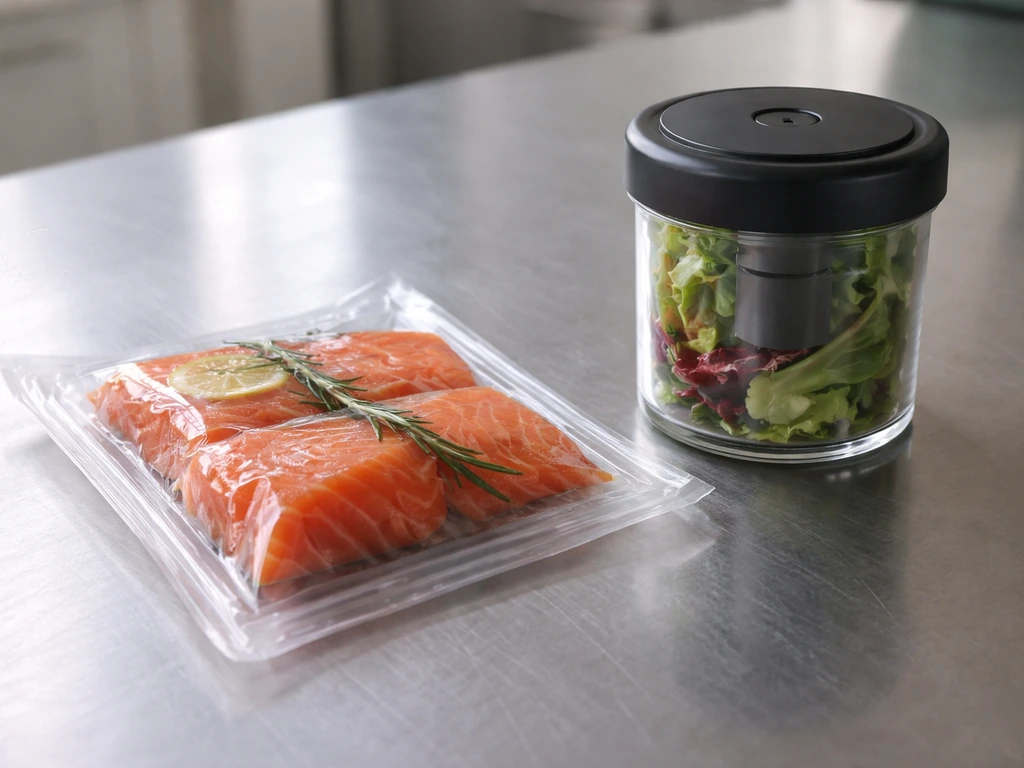
Knowing the theory matters less if you cannot picture where true anaerobic or microaerobic conditions actually occur. Here are the practical niches that matter most in food safety and microbiology work.
- Vacuum-sealed and modified atmosphere packaging: oxygen is actively removed or displaced by CO2 and nitrogen, creating conditions that inhibit obligate aerobes but allow facultative anaerobes to thrive
- Dense or thick foods: the interior of a large cut of meat, a block of cheese, or a dense casserole can be effectively anaerobic even without sealing, because oxygen diffuses slowly through food matrices
- Biofilms: bacterial communities embedded in a matrix can have steep oxygen gradients, with the outermost layers aerobic and the inner layers completely anaerobic
- Canned and hermetically sealed foods: classic low-oxygen environments where Clostridium botulinum (an obligate anaerobe) is the concern, not obligate aerobes
- Sediments and soils: deeper layers have very low redox potential and near-zero dissolved oxygen
- Deep tissue infections: areas of necrotic tissue or abscess cavities in clinical settings can have very low or zero oxygen, relevant to pathogens like Bacteroides and Clostridium species
In these environments, oxygen is just one of several conditions that determine whether growth happens. Redox potential, pH, temperature, water activity, and available carbon sources all interact. A vacuum-sealed product at refrigeration temperature with low water activity may inhibit most bacteria regardless of oxygen level. But a vacuum-sealed product stored warm with high moisture and plenty of nutrients is a growth opportunity for any facultative or anaerobic organism present.
How to confirm oxygen dependence in the lab
If you need to determine whether a specific isolate is an obligate aerobe, a facultative anaerobe, or something else, the process is straightforward. You do not need to sequence the genome. Phenotypic oxygen tolerance tests give you a clear answer.
- Thioglycolate broth tubes: inoculate the organism into fluid thioglycolate medium, which creates an oxygen gradient from the surface (aerobic) down to the bottom (anaerobic). After incubation, look at where growth occurs. Obligate aerobes grow near the surface. Obligate anaerobes grow at the bottom. Facultative anaerobes grow throughout, often more densely near the surface. Microaerophiles cluster just below the surface.
- Anaerobic atmosphere incubation: use an anaerobic chamber or GasPak system to eliminate oxygen completely, then incubate duplicate plates in anaerobic versus aerobic conditions. If growth occurs on both, the organism is facultative. If only the aerobic plate shows growth, it is an obligate aerobe.
- Microaerophilic incubation: use a Campylobacter-type gas pack or a CO2 incubator set to roughly 5–10% O2. Microaerophiles like Campylobacter jejuni grow under these conditions but not at full atmospheric O2 or at zero O2.
- Redox indicator media: resazurin is a common dye used in anaerobic media. It turns pink then colorless as oxygen is depleted. This gives you a real-time visual confirmation that anaerobic conditions have actually been achieved in the medium.
- Controls: always include a known obligate aerobe (such as Pseudomonas aeruginosa) and a known facultative anaerobe (such as Escherichia coli) as controls in any oxygen tolerance experiment. This confirms your anaerobic system is actually working.
The most common mistake in these tests is assuming the anaerobic conditions were actually achieved. A GasPak system that was not sealed properly, or a chamber with a leak, can give false positives that make a facultative organism look like an obligate aerobe. Always verify with your redox indicator.
What this means for food safety and contamination control
The practical implication for food safety is this: removing oxygen controls some organisms but shifts the risk toward others. Intestinal bacteria can grow in the presence of low oxygen, which is why redox conditions also matter in contamination control. Vacuum packaging or modified atmosphere packaging effectively suppresses molds and obligate aerobic spoilage bacteria. But it creates favorable conditions for facultative anaerobes including Salmonella, Listeria monocytogenes, and many strains of E. coli, all of which grow whether or not oxygen is present.
The real danger in low-oxygen packaged foods is not that the aerobic organisms adapted. It is that removing oxygen also removes the visible signs of spoilage. Obligate aerobes and molds cause the off-odors, sliminess, and discoloration that alert consumers. When you eliminate oxygen and those spoilage organisms, the food can look and smell perfectly fine while a pathogen like Listeria is actively growing.
Effective oxygen-based preservation strategies layer multiple barriers. Vacuum packaging combined with refrigeration below 4 degrees Celsius, controlled water activity below 0.91, and pH below 4.6 creates conditions where even facultative anaerobes struggle. Any single barrier alone is rarely sufficient.
- Vacuum and MAP packaging: effective against obligate aerobes and molds; does not stop facultative anaerobes or anaerobes
- Refrigeration combined with low oxygen: slows facultative anaerobe growth significantly but does not eliminate it
- High-acid environments (pH below 4.6): inhibits Clostridium botulinum toxin production in low-oxygen canned foods
- Low water activity (below 0.85): limits growth even in sealed, low-oxygen environments
- Modified atmosphere with CO2: CO2 at concentrations above 20% has direct antimicrobial effects on many organisms beyond just oxygen displacement
Edge cases and situations that trip people up
Trace oxygen in 'sealed' systems is a real issue. Most vacuum-packaged foods retain some residual oxygen, and packaging materials are not perfectly impermeable. Over time, especially in refrigerated storage measured in weeks, trace oxygen can support slow growth of microaerophiles and even some obligate aerobes at the surface of the package. This is why shelf-life studies need to measure actual oxygen levels in the headspace, not just assume zero.
Some organisms that are conventionally described as aerobes can perform anaerobic respiration using alternative electron acceptors other than oxygen. Certain Pseudomonas species, for example, can use nitrate as a terminal electron acceptor when oxygen is limited. This is not fermentation and it is not the same efficiency as aerobic respiration, but it means the organism can generate some energy and potentially survive longer in low-oxygen conditions than you might expect from its classification alone.
Biofilms also complicate the picture. In a biofilm on a food processing surface, the outer layers may be aerobic while the inner layers are effectively anaerobic. The overall community can include both obligate aerobes living near the surface and facultative or even anaerobic organisms in the inner layers. Standard surface swabs sample the outer layers and may miss what is happening deeper in the biofilm matrix.
Finally, contamination in food or clinical samples is often mixed. A sample containing obligate aerobes also frequently contains facultative anaerobes picked up from the same environment. If you seal that sample or move it into a low-oxygen environment, you are not eliminating microbial risk, you are selecting for the facultative and anaerobic fraction of whatever was already there. This connects directly to why pathogens that can grow without oxygen (including many that primarily grow without oxygen) remain a priority concern even when oxygen is controlled.
FAQ
If a product is vacuum-sealed, can it still support growth of organisms described as aerobic?
Not automatically. Many “aerobic” labels describe an organism’s behavior in air, but growth can still occur with reduced oxygen, residual headspace oxygen, or micro-niches with higher oxygen levels (for example, the surface of a food or a biofilm interface). To know for a specific organism, verify oxygen tolerance and the actual oxygen conditions in the container, not just that it is “sealed.”
Do obligate aerobic bacteria die immediately when oxygen is removed?
Yes. An obligate aerobe may persist for a time without oxygen, even though it cannot replicate. Survival time depends on temperature, nutrient availability, and the organism, so a “no growth” conclusion should not be treated as “no cells present.” For safety decisions, focus on whether replication can resume when oxygen becomes available.
How much residual oxygen is usually present in vacuum or modified atmosphere packaged foods?
Sealed systems rarely have zero oxygen. Packaging headspace, dissolved oxygen in liquid foods, and oxygen permeation through film over weeks can create enough oxygen for microaerophiles at the surface and slower growth of some aerobes. That is why oxygen-based shelf-life claims should be supported by measured oxygen over time in the real product format.
What is the most common reason oxygen-tolerance tests give misleading results?
Look for redox or oxygen measurements, not only the packaging method. A GasPak or anaerobic chamber can be compromised by leaks, poor sealing, or insufficient indicator performance, producing misleading results. Confirm with a redox indicator and, when possible, an oxygen/ORP reading to ensure the intended environment was actually achieved.
Why does controlling oxygen not fully prevent foodborne illness?
If oxygen is removed but nutrients and water activity remain favorable, facultative anaerobes and other oxygen-tolerant organisms can still grow. This is especially true for pathogens that do not require oxygen and for spoilage scenarios where visual cues are muted by lack of off-odor producers. Oxygen control should be treated as one barrier, not the primary kill step.
How can bacteria grow in low-oxygen conditions when they are on food processing surfaces?
Yes, especially with surface exposure and biofilms. The outer biofilm layers can be oxygenated while interior layers become oxygen-limited, creating simultaneous aerobic and anaerobic microenvironments. Standard swabs sample mostly the top layers, so they may miss growth occurring deeper in the biofilm matrix.
Can bacteria that seem “aerobic” still grow when oxygen is limited due to alternative respiration?
Because some bacteria categorized as aerobes can use alternative electron acceptors such as nitrate under oxygen-limited conditions. This can allow energy generation via pathways other than classic aerobic respiration. In practice, that means oxygen removal alone may not fully stop growth if alternative acceptors and the right chemistry are present.
What happens to mixed microbial communities when you move them into low-oxygen environments?
Yes, and it matters for interpretation. Many real samples contain mixtures, so moving a mixed community into low-oxygen conditions can selectively enrich organisms that grow without oxygen or with low oxygen. If you only assess aerobic growth, you might miss the fraction that will expand after packaging or transport changes.
What barrier combination is most reliable when oxygen control alone is insufficient?
Yes. Conditions like low temperature, low pH, and reduced water activity can suppress growth even for facultative organisms, but the effectiveness depends on how much each barrier is applied and whether the organism can tolerate them. In shelf-life planning, the safest approach is to combine barriers to reduce the chance that any single adaptation strategy (like switching metabolism) will be enough.
Do microaerophiles always stop growing when oxygen drops to near zero?
Yes. Microaerophiles may stop at very low oxygen but can grow at low oxygen levels, not full atmospheric oxygen. This creates a “narrow window” where growth can occur even if oxygen is reduced, so you need to know the organism’s specific oxygen preference rather than assuming “less oxygen always means less growth.”
Next Article
Can Facultative Anaerobes Grow Without Oxygen? How and Why
Yes, facultative anaerobes grow without oxygen via fermentation or anaerobic respiration; growth varies by species and o