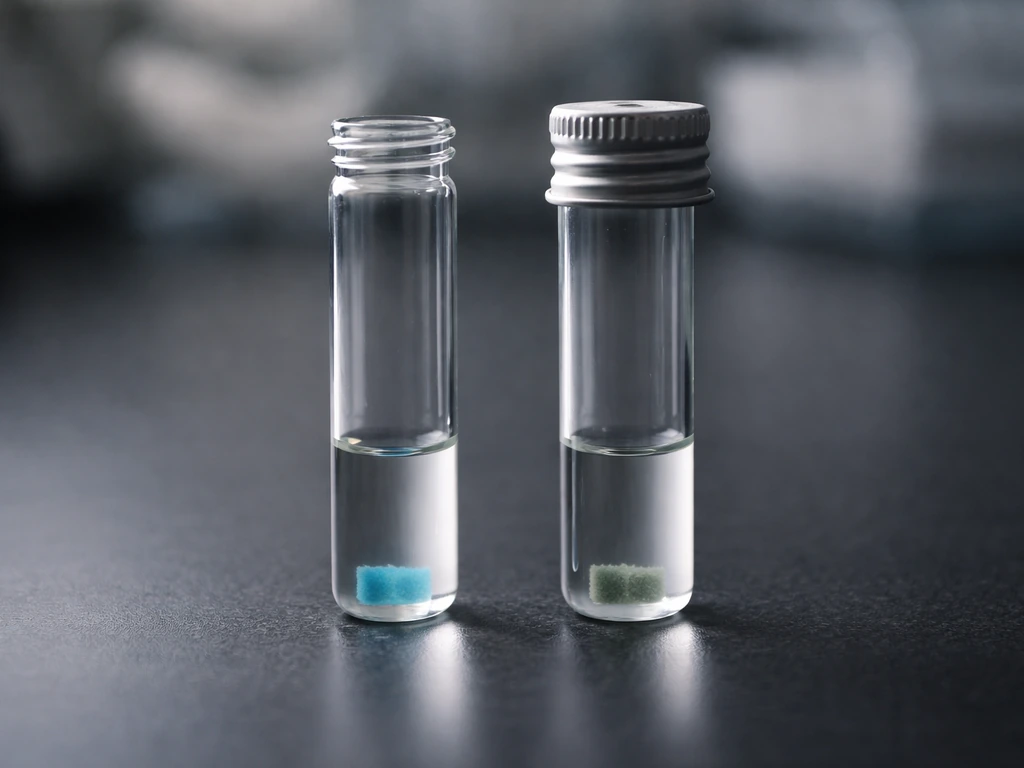
Yes, yeast cells can grow under either aerobic or anaerobic conditions. Low-oxygen chemostat experiments show that Saccharomyces cerevisiae can shift its metabolism from respiratory to respirofermentative or fermentative modes to grow in both the presence and complete absence of oxygen [grow under either aerobic or anaerobic conditions](https://link. springer. com/article/10.
Yeast Cells Can Grow Under Aerobic or Anaerobic Conditions

Marcus Reeves
19 May 2026
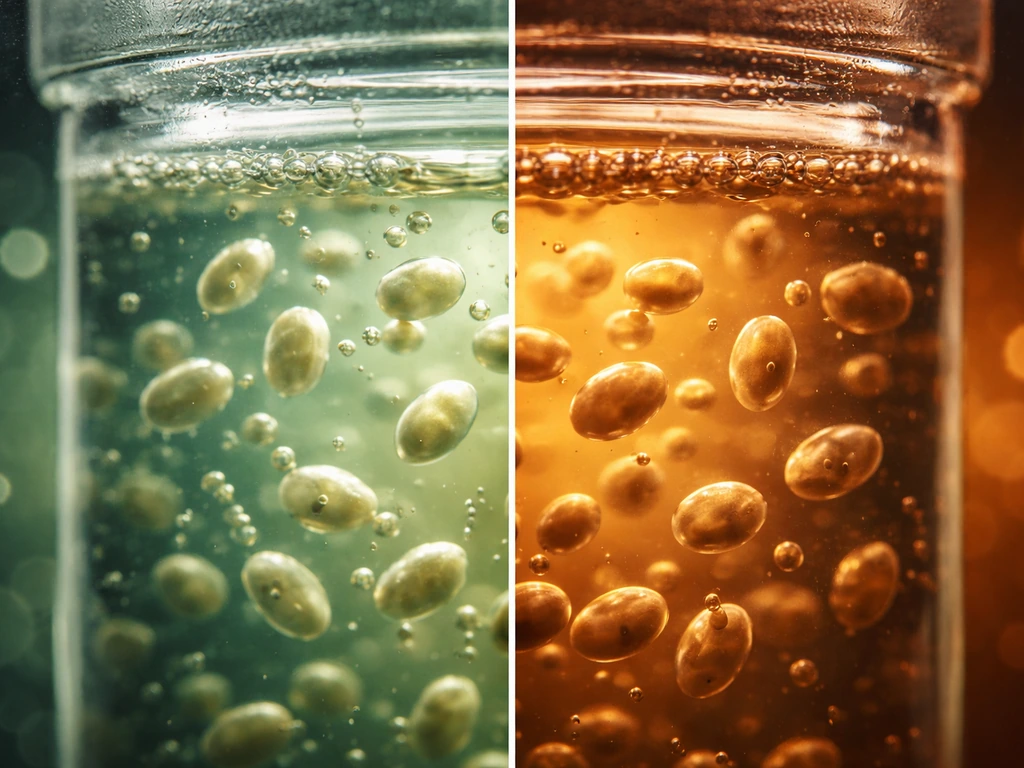
1186/1471-2164-10-461). That makes yeast facultative anaerobes: they switch metabolic strategies depending on how much oxygen is available, rather than being locked into one mode. With oxygen, they respire and produce more biomass. Without it, they ferment, producing ethanol and CO2 instead.
Knowing exactly how that switch works, and what it changes about growth rate, yield, and byproducts, is genuinely useful whether you're running a fermentation, assessing spoilage risk, or designing packaging for a food product.
What yeast actually needs from oxygen
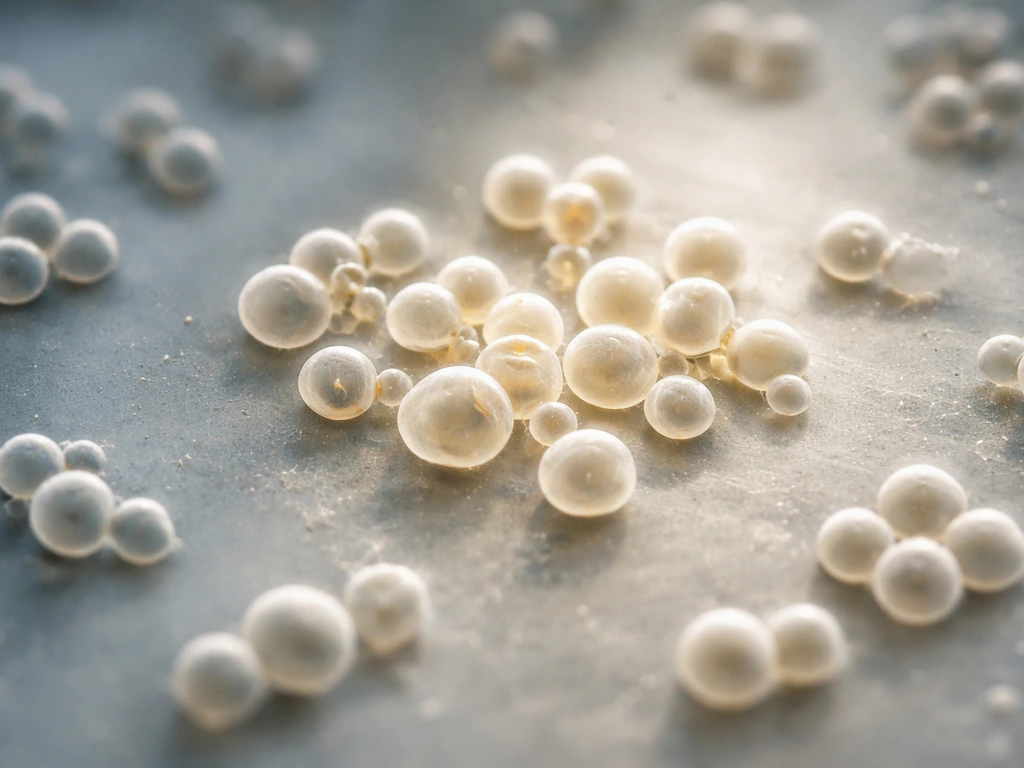
Saccharomyces cerevisiae, the most studied yeast species and the one behind bread, beer, and wine, is the textbook example of oxygen flexibility. It can grow in the full presence of oxygen, at severely limited oxygen levels, and in the complete absence of oxygen. But calling it truly oxygen-independent is an oversimplification. Even during anaerobic fermentation, yeast benefits from at least a small, brief exposure to oxygen early on.
The reason is membrane biology: yeast needs molecular oxygen to synthesize sterols and unsaturated fatty acids (UFAs), which are essential building blocks for healthy cell membranes. Without them, cell membranes become less fluid and more permeable, and fermentation performance suffers. Brewers and winemakers account for this by [aerating or oxygenating wort or must at the start of fermentation](https://www. morebeer.
com/articles/WortOxygenationAeration), giving yeast the oxygen it needs for membrane synthesis before sealing the tank and letting anaerobic fermentation take over.
Under hypoxic conditions, yeast also derepress the gene OLE1, which encodes a fatty acid desaturase that uses molecular oxygen as an electron acceptor to generate UFAs. This is yeast adapting at the gene level to squeeze more efficiency out of whatever little oxygen is available. Gene regulation responses to oxygen can kick in within about 10 minutes of oxygen exposure in yeast that has been growing anaerobically, which shows just how tightly and rapidly oxygen status is monitored by the cell.
Respiration vs. fermentation: what's actually happening inside the cell
When oxygen is plentiful, yeast runs aerobic respiration through the mitochondria. Glucose is fully oxidized, and the cell extracts roughly 18 ATP molecules per glucose. That energy supports robust cell growth and biomass production. When oxygen disappears or drops below a usable threshold, yeast switches to fermentation: glucose is converted to pyruvate, then to ethanol and CO2, yielding only about 2 ATP per glucose. That's roughly a ninefold drop in energy efficiency. The cell compensates by consuming more glucose faster, which is why fermentation tanks exhaust sugar supplies so quickly.
At intermediate oxygen levels, yeast runs a mixed mode sometimes called respirofermentative metabolism. Even at 0.5% oxygen in the feed gas, respiratory enzyme complexes remain active and contribute meaningfully to ATP production, with respiration still accounting for roughly 25% of ATP demand. But carbon flux increasingly spills into fermentation products as oxygen drops. In fully aerobic conditions, net ethanol production is essentially zero. As oxygen falls, ethanol and glycerol accumulate. Under fully anaerobic batch conditions after a shift from aerobic culture, specific ethanol production rates can reach around 19.6 mmol per gram of cells per hour, with CO2, ethanol, and glycerol together accounting for about 90% of total carbon output.
There's also a quirk in yeast called the Crabtree effect: even with plenty of oxygen present, if glucose concentration is high enough, S. cerevisiae will ferment and produce ethanol instead of fully respiring. This means oxygen availability alone doesn't determine metabolic mode. Sugar concentration matters too, which is directly relevant when you're thinking about yeast behavior in high-sugar foods or fermentation substrates.
Growth rate and yield under limited oxygen
Aerobic growth is faster and more productive in terms of biomass. Under anaerobic or severely oxygen-limited conditions, biomass yield drops substantially, often to roughly a quarter of aerobic yields when you're comparing like-for-like glucose consumption. Which of the following pathogens will grow primarily without oxygen is especially relevant when evaluating food spoilage under anaerobic or oxygen-limited storage anaerobic or severely oxygen-limited conditions. That means anaerobic yeast has to consume far more sugar to produce the same number of cells. The tradeoff is that it does keep growing, just more slowly and with less biomass per unit of carbon consumed.
Stress tolerance also shifts. Yeast under oxygen limitation tends to produce more glycerol, which serves as an osmoprotectant, helping cells cope with osmotic stress from high sugar concentrations. So anaerobically grown yeast in a high-sugar environment is not entirely helpless. But without sufficient membrane sterols and UFAs (which require at least trace oxygen), cell membranes weaken, and yeast becomes more vulnerable to ethanol toxicity and other stressors. This is exactly why stuck fermentations often trace back to inadequate oxygenation at pitch.
How to observe yeast growth under aerobic vs. anaerobic conditions
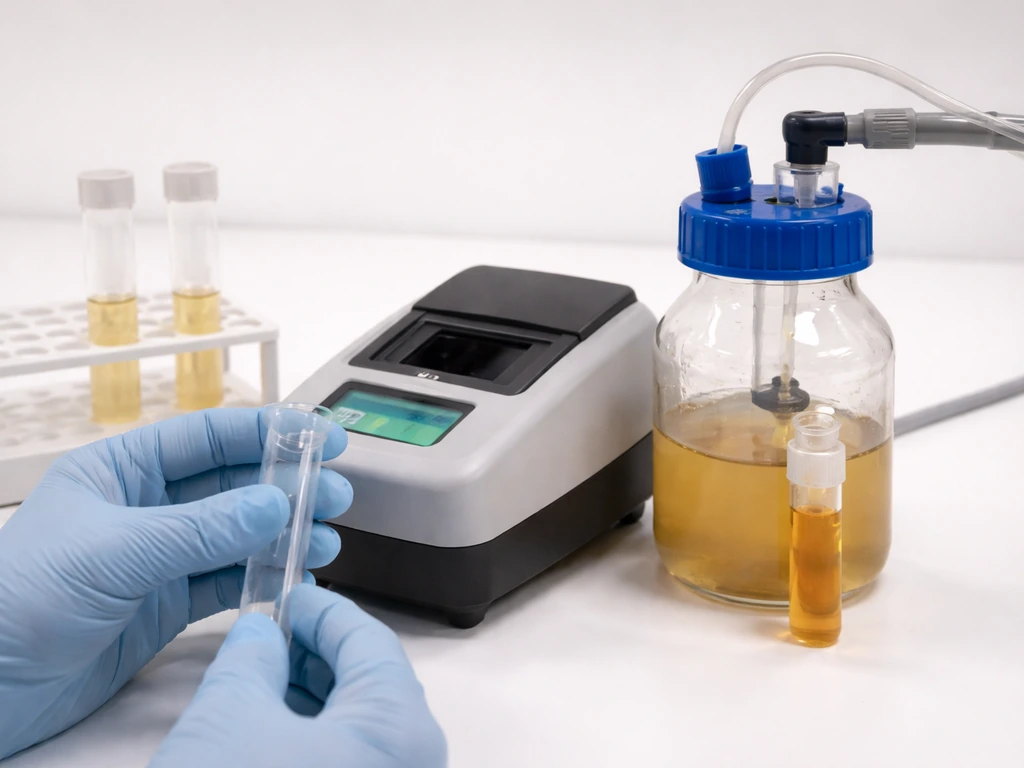
You don't need a sophisticated lab to compare yeast growth under the two conditions. A straightforward setup using common lab materials can give you meaningful, interpretable results.
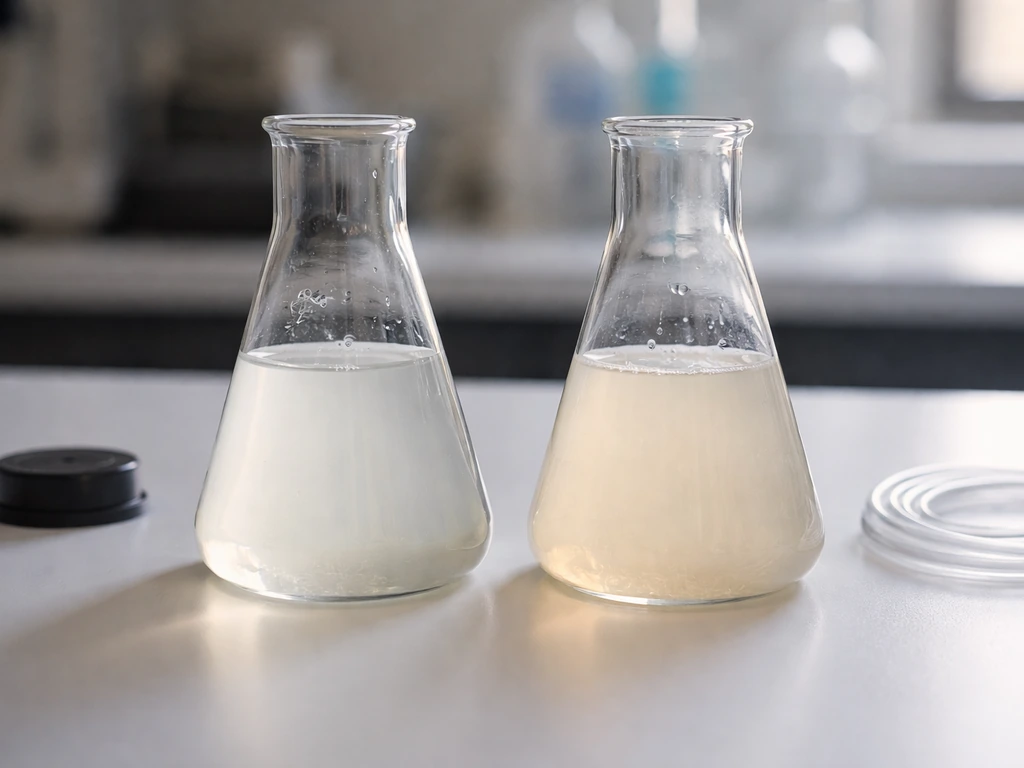
- Set up two identical flasks or tubes with the same volume of growth medium (a simple glucose-yeast extract broth works well). Inoculate both with the same amount of yeast from the same stock culture.
- For the aerobic condition, leave one flask open to air or use a cotton stopper, and ideally place it on an orbital shaker to ensure oxygen transfer.
- For the anaerobic condition, seal the second flask with an airlock or rubber septum and flush the headspace with nitrogen gas. Adding a small oxygen scavenger packet can help drive oxygen lower.
- Keep both at the same temperature (30°C is standard for S. cerevisiae) and the same starting pH (around 5.0 to 5.5) to isolate oxygen as the variable.
- Measure turbidity (optical density at 600 nm) at regular intervals as a proxy for cell density. You can also watch for CO2 production using a bubble counter on the airlock, check for ethanol odor in the anaerobic flask, or use a handheld ethanol meter if available.
- After 24 to 48 hours, the aerobic flask should show higher turbidity (more biomass), while the anaerobic flask should show more CO2 bubbles, an ethanol odor, and lower cell density relative to sugar consumed.
- If you have access to a refractometer or titration setup, measuring residual sugar concentration gives you a clear picture of how much glucose each condition has consumed.
The most common confounders to control are temperature (even a few degrees changes growth rate significantly), sugar concentration (high glucose triggers fermentation even aerobically, due to the Crabtree effect), pH drift (fermentation acidifies the medium and can self-limit growth), and contamination (if you're seeing unexpected results, check for bacterial contamination with a microscope or streak plate). However, intestinal bacteria can also grow in the presence of oxygen, which is why oxygen level and handling conditions matter in health contexts bacterial contamination. Water activity matters too: if you're working with a food matrix rather than a liquid broth, yeast growth may be limited more by water activity than by oxygen.
What to measure and how to interpret it
| Measurement | Aerobic condition | Anaerobic condition |
|---|---|---|
| Turbidity / OD600 | Higher (more biomass per glucose consumed) | Lower (less biomass per glucose consumed) |
| Ethanol production | Minimal to none at low glucose; detectable at high glucose | Substantial; detectable by odor and measurement |
| CO2 production | Present but lower per glucose unit | High and sustained throughout growth |
| Glycerol production | Low | Higher (stress response and redox balance) |
| Glucose consumption rate | Moderate (efficient ATP extraction) | High (less efficient, needs more sugar) |
| Growth rate | Faster (higher ATP yield) | Slower (lower ATP yield per glucose) |
If you run this comparison and see ethanol in the aerobic flask, the most likely culprit is high glucose concentration triggering the Crabtree effect, not oxygen contamination. Drop the glucose concentration below about 0.5 g/L in continuous culture conditions to force purely respiratory metabolism, or simply accept that batch cultures with typical sugar levels will always show some fermentation, even with shaking.
What this means for food spoilage and fermentation
Because yeast can grow in both oxygen conditions, it shows up as a spoilage risk in a wider range of foods and packaging formats than obligate aerobes or obligate anaerobes do. Microbes that need oxygen will not grow where oxygen is completely absent. In aerobic environments like an unwrapped fruit salad or a jar of jam left open, yeast grows on the surface and produces visible films or pellicles. In sealed, reduced-oxygen environments like vacuum-packed products or the interior of a fermentation vessel, yeast simply switches to fermentation mode and keeps going, producing CO2 (which can cause package bloat), ethanol, and off-flavors.
In wine and beer, oxygen exposure during aging is a real spoilage driver. Some yeast strains form surface films called flor when oxygen is present, contributing to oxidized off-notes. Acetaldehyde, a compound that gives wine a bruised-apple smell, can form when ethanol is re-oxidized by oxygen during aging or when yeast encounters air. Ethyl acetate, which smells like nail polish remover, is another off-flavor associated with aerobic yeast activity. Controlling oxygen exposure during storage and aging is therefore as important as controlling it during fermentation.
For intentional fermentation (bread, beer, wine, kombucha, kvass), understanding the aerobic-to-anaerobic switch tells you when to aerate and when to seal. Aerating at the start gives yeast the oxygen it needs for sterol and UFA synthesis. Sealing early drives fermentation and ethanol production. Getting that timing wrong in either direction costs you fermentation health, flavor, or both.
Environmental factors that change how oxygen affects yeast
Oxygen is not the only dial. Several environmental variables interact with oxygen availability and can amplify or override its effects on yeast growth.
- Temperature: S. cerevisiae grows optimally around 30 to 37°C. At refrigeration temperatures (below 4°C), growth slows dramatically regardless of oxygen level. Freezing stops yeast growth entirely. If you're using cold storage as a spoilage control, it works, but yeast can resume growth once temperature rises.
- pH: Yeast tolerates a broad pH range but grows best between pH 4.0 and 6.5. Fermentation itself produces organic acids and lowers pH, which can eventually self-limit growth. Highly acidic or alkaline environments slow or stop yeast regardless of oxygen.
- Water activity: Yeast generally requires a water activity (aw) above 0.88 to grow. Foods with very low water activity, like dried fruits, hard candies, or honey, inhibit yeast growth more reliably than oxygen manipulation alone. This is why dry curing and drying are effective preservation strategies.
- Sugar concentration: High sugar (above about 5 to 10% by weight) initially supports yeast but eventually creates osmotic stress that slows growth. Very high sugar concentrations (above 60 to 70%) inhibit most yeasts, though osmotolerant yeasts can survive much higher concentrations.
- Salt: Salt lowers water activity and creates osmotic stress. At concentrations used in curing or pickling (typically 2 to 6% and above), salt can significantly limit yeast growth and shift microbial community dynamics toward more salt-tolerant organisms.
When you're troubleshooting unexpected yeast growth, check all of these variables together. A product stored at 10°C with 2% salt and low water activity might look risky on paper due to oxygen availability, but the combination of factors may be sufficient to suppress yeast in practice. Conversely, a vacuum-packaged product at ambient temperature with moderate water activity and high sugar is still at real risk from anaerobic yeast fermentation.
Food safety and contamination control: the practical takeaways
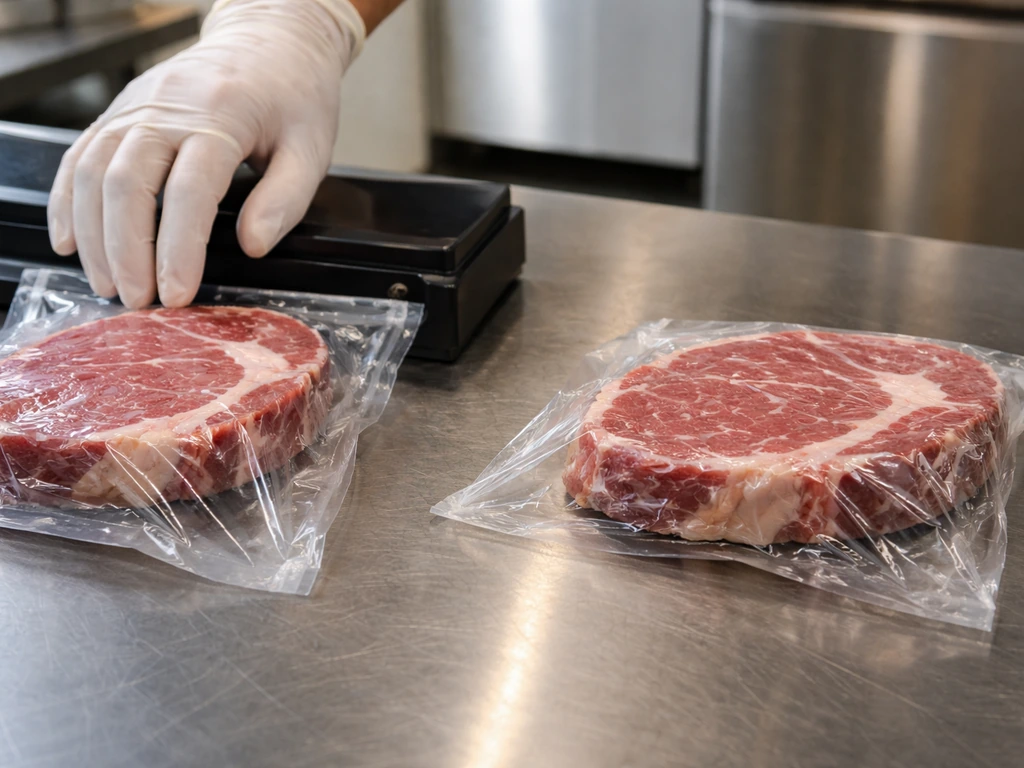
Because yeast is a facultative anaerobe, removing oxygen through vacuum packaging or modified atmosphere packaging (MAP) does not eliminate yeast as a spoilage risk. It changes what the yeast does and can slow growth, but yeast adapted to anaerobic conditions will still ferment available sugars, producing CO2 that bloats packages, ethanol that alters flavor, and other metabolites that accelerate spoilage. MAP and vacuum packaging shift the microbial ecology of a product, sometimes usefully (suppressing aerobic molds and bacteria) but not eliminating yeast concerns.
For food safety professionals, the key control points are the combination of oxygen, temperature, pH, water activity, and competing microorganisms rather than any single factor. Oxygen removal is most effective when paired with refrigeration and appropriate water activity control. For products where yeast spoilage is a primary concern, consider the oxygen transmission rate of your packaging film: even small amounts of oxygen ingress over time can support aerobic yeast activity at the surface of a product.
It's also worth keeping in mind how yeast growth under different oxygen conditions relates to the broader picture of microbial community dynamics. In an aerobic environment, aerobic bacteria and molds often outcompete yeast. In general, aerobic bacteria generally cannot grow well without O2, because they rely on oxygen to complete respiration. When oxygen drops, yeast's fermentative flexibility gives it an advantage over obligate aerobes.
When oxygen drops, yeast's fermentative flexibility gives it an advantage over obligate aerobes, and bacteria do not need sunlight to grow because they can rely on chemical energy sources instead. Some bacteria are obligate anaerobes, meaning they do not need oxygen to grow obligate anaerobic bacteria. This is why spoilage in sealed packages often shifts from bacterial or mold-driven to yeast-driven.
The same logic applies to fermented foods: managing oxygen is how brewers and winemakers steer which microorganisms dominate and what flavor outcomes result.
If you're evaluating a specific food product for yeast spoilage risk, a simple challenge study using the observation protocol above, adapted to the food matrix and storage conditions in question, gives you direct experimental evidence rather than relying solely on textbook predictions. Measure CO2 production (package distension or headspace analysis), ethanol content, and cell counts at intervals across your expected shelf life. That data will tell you far more than oxygen availability alone.
FAQ
If a product is vacuum-packed, will yeast stop growing?
Not always. Even if a container is effectively anaerobic, yeast can still ferment sugars that are present, but it may do so more slowly if the environment restricts nutrient diffusion or if cells were not pre-adapted to low-oxygen conditions.
If I increase aeration while fermenting, will the metabolism always become fully aerobic?
Yes, but it often changes the outcome from “more growth” to “more fermentation activity.” For example, increasing shaking or headspace oxygen can shift metabolism toward respiration, which reduces ethanol output and can increase biomass yield.
How can I tell whether ethanol formation is from low oxygen versus high glucose?
High sugar can trigger the Crabtree effect, so you can see ethanol even with ample oxygen. A common mistake is interpreting ethanol as proof of oxygen contamination, when it may be caused by substrate concentration or a high-glucose feed strategy.
Why does “aerate early then seal” make such a difference in fermentation performance?
Early oxygen exposure matters most for membrane building. If you fully exclude oxygen from the start, cells may start fermentation but often show reduced robustness, which can look like slower growth or a higher chance of a stuck fermentation rather than immediate growth shutdown.
What should I measure to confirm yeast is respiring versus fermenting in a real product?
Measure outcomes that reflect metabolism, not just oxygen presence. Package bloat (CO2), ethanol concentration, and yeast cell counts over time give a clearer picture than relying only on whether oxygen was theoretically available.
Do all yeast strains switch between aerobic and anaerobic metabolism in the same way?
Not all yeasts behave identically. Strain differences can change how strongly the yeast relies on oxygen for sterol/UFA formation and how readily it forms surface films, so using one species or one strain’s behavior to predict another’s performance can mislead.
Could pH drift make it look like oxygen is not working?
If pH drops during the run, yeast can appear to “stop responding to oxygen” even when oxygen is present, because acidification can self-limit growth. A practical fix is to monitor pH over time and consider buffering if your goal is to compare oxygen effects cleanly.
Why do my aerobic versus anaerobic comparisons look inconsistent between runs?
Temperature can mask oxygen effects because growth rate is highly temperature-dependent. For comparability, keep temperature tightly controlled and use matched sampling times, otherwise differences in metabolism can be confused with simple rate changes.
If my product has high salt or low water activity, does oxygen still matter?
Water activity and osmotic stress can shift which metabolite pathways dominate. High sugar or salt can increase osmoprotectant production and alter growth rate independently of oxygen, so you may need to treat those as co-factors in your experimental design.
How do I account for bacterial contamination when evaluating yeast growth under different oxygen levels?
Yes. If bacteria are present, they can also consume oxygen and change nutrient availability, which alters oxygen tension experienced by yeast. This can complicate interpretation, so confirm whether yeast alone is driving your results.
Why do I still detect fermentation products even when my culture is aerated?
In many practical setups, you should expect “some” fermentation under shaking if glucose levels are typical, because oxygen and glucose interact. If you specifically want purely respiratory metabolism, you often need to run with low enough glucose and confirm by metabolite readouts rather than oxygen alone.
How can packaging oxygen ingress change yeast spoilage risk even under “reduced oxygen” conditions?
Oxygen transmission rate (OTR) affects how much oxygen accumulates at surfaces over time. Even a product designed to be “low oxygen” can become oxygen-exposed at the interface, enabling yeast to form surface films or keep producing CO2 in a way that bloat reveals.
Next Article
Can Aerobic Bacteria Grow Without O2? Growth, Tests, and Safety
Learn if aerobic bacteria can grow without O2, how facultative and microaerophiles differ, and how to test oxygen depend