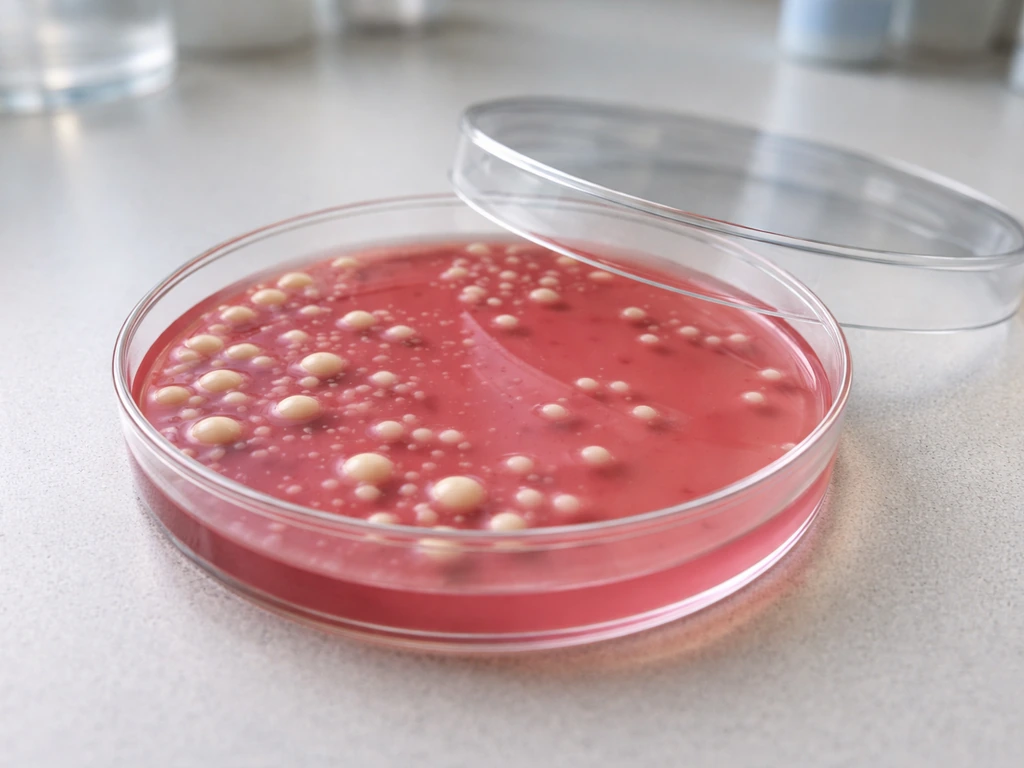
Yes, Proteus vulgaris grows on MacConkey agar. blank" rel="noopener noreferrer">It comes up as colorless to off-white colonies because it does not ferment lactose, which means there is no acid drop to trigger the neutral red indicator. The bile salts in the medium also tend to suppress the characteristic swarming you would normally see on plain nutrient agar or blood agar, so the colonies are more compact and easier to read than you might expect from a Proteus species. On mannitol salt agar, Proteus species would not be expected to grow like true salt-tolerant organisms, because the medium favors bacteria that can both tolerate high salt and ferment mannitol.
Does Proteus vulgaris grow on MacConkey agar?

Marcus Reeves
27 May 2026
What MacConkey agar is actually doing
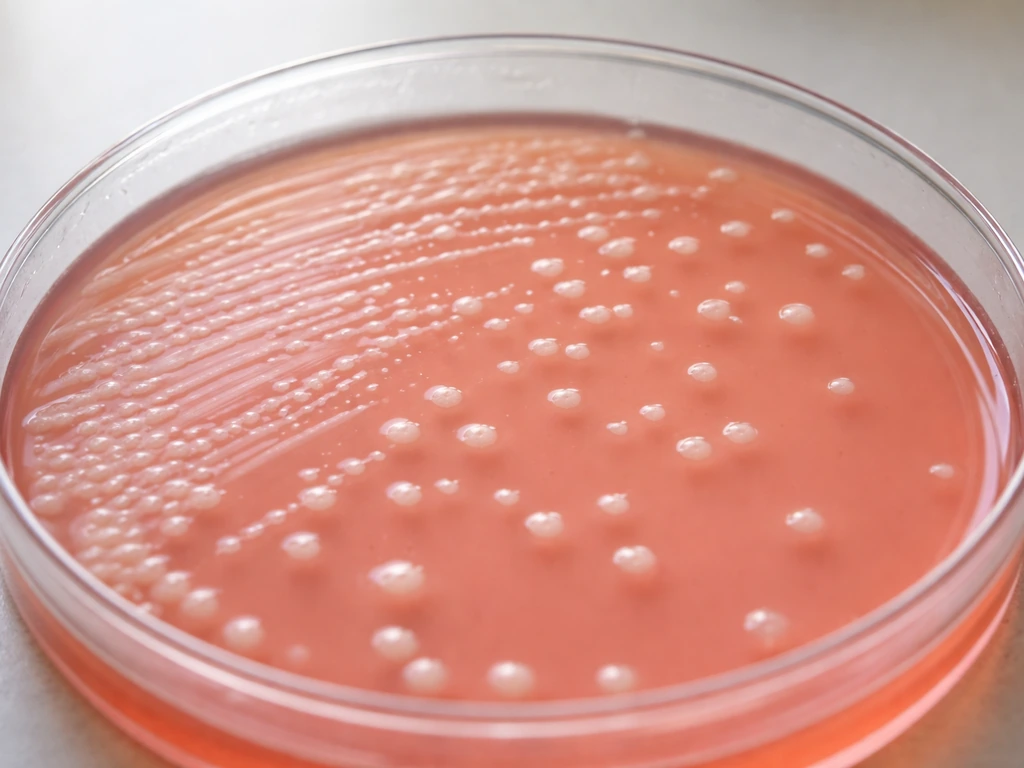
MacConkey is a selective and differential medium. The selectivity comes from crystal violet (0. 001 g/L) and bile salts (around 1. 5 g/L), which together inhibit most Gram-positive bacteria so only Gram-negatives establish colonies.
MacConkey agar suppresses most Gram-positive bacteria because of crystal violet and bile salts, so Gram-positive growth is generally not expected on this medium can gram-positive bacteria grow on MacConkey agar. The differentiation comes from lactose (10 g/L) and neutral red (0. 03 g/L). When a bacterium ferments lactose, it produces organic acids that lower the local pH, and neutral red turns pink to red at that lower pH.
Bacteria that ignore lactose produce no acids, so the neutral red stays its pale straw color and colonies appear colorless or translucent.
This setup makes MacConkey useful for sorting Gram-negative isolates quickly: you get a rough first split between lactose fermenters and non-fermenters on the same plate, which narrows down the identification considerably before you even run confirmatory tests.
Proteus vulgaris on MacConkey: what to expect
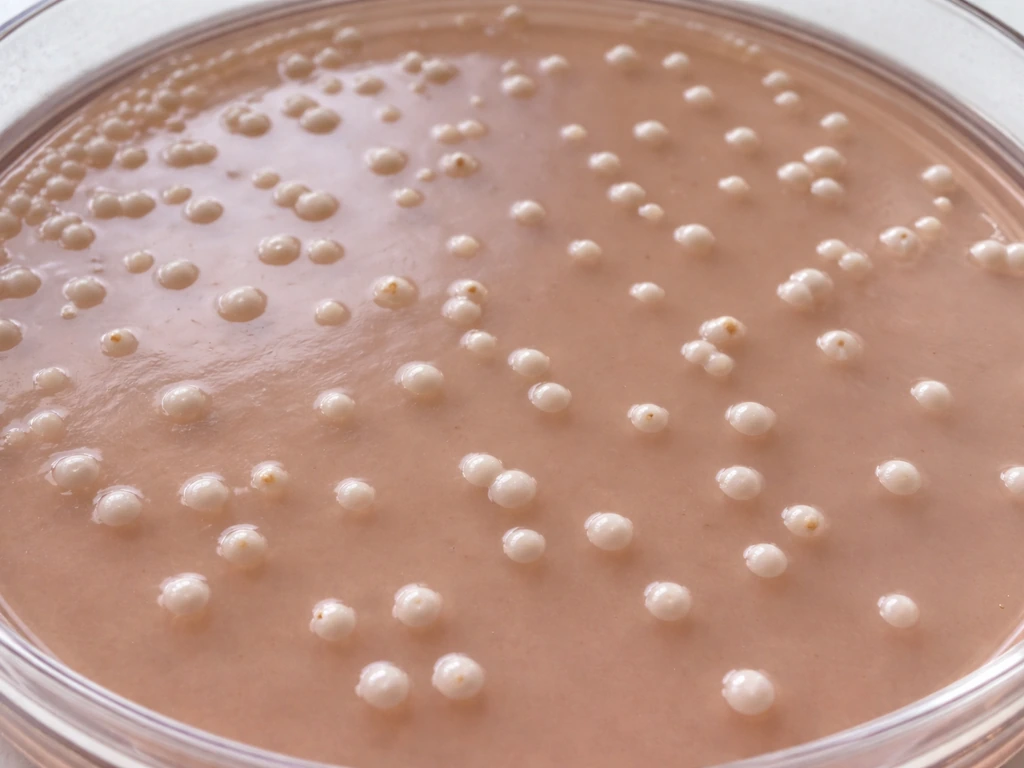
Proteus vulgaris is Gram-negative and grows well on MacConkey. Because it does not ferment lactose, expect colorless, translucent to slightly off-white colonies. The surrounding agar stays relatively clear without the pink haze or bile precipitate you see with strong lactose fermenters. Growth is typically rated good to excellent under standard conditions, so if you inoculate a healthy culture you should get visible colonies without much trouble.
The swarming behavior that makes Proteus species so recognizable on blood agar is largely suppressed on MacConkey. The bile salts and altered surface tension of the medium interfere with the flagella-driven motility that drives swarming. Some formulations go further: MacConkey variants marketed specifically for swarming control, such as MacConkey agar without salt, adjust composition to keep Proteus colonies discrete and readable. If you are using a standard MacConkey formulation and still see spreading, check whether your plates dried adequately before inoculation, since excess surface moisture can allow some motility even on inhibitory media.
Colony appearance summary
- Color: colorless to off-white or pale beige
- Transparency: translucent to slightly opaque
- Surrounding agar: clear, no pink haze
- Swarming: absent or greatly reduced compared to blood agar
- Size: moderate, discrete under standard formulations
How Proteus vulgaris compares to other Gram-negatives on the same plate
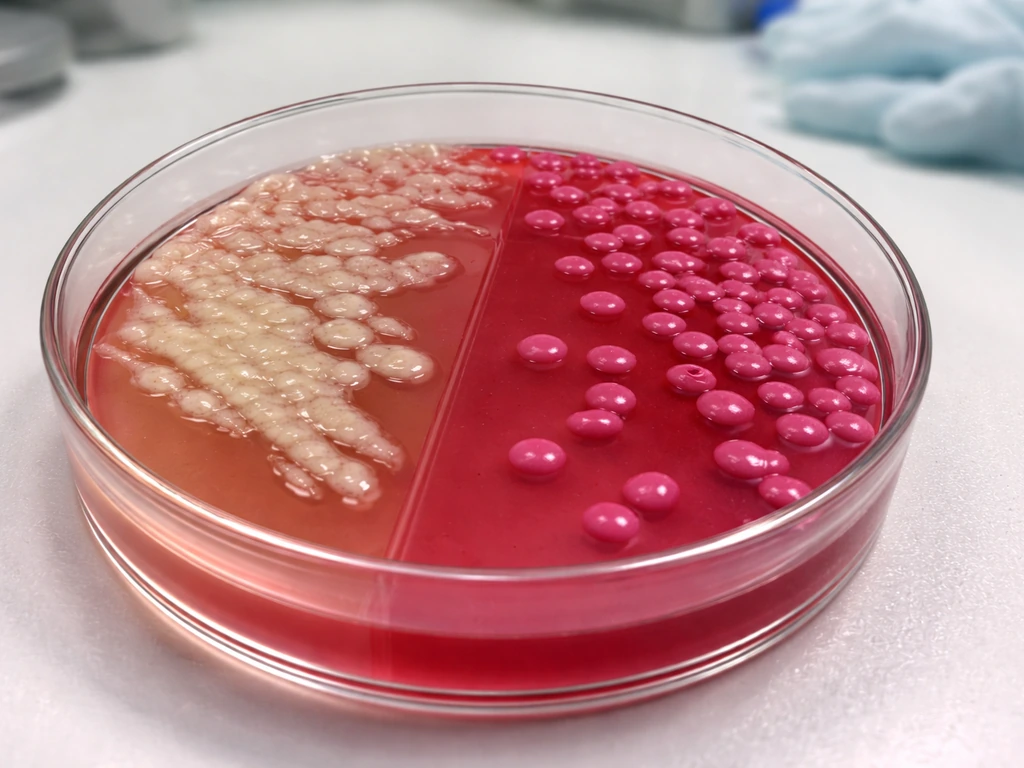
Putting Proteus vulgaris side by side with common Enterobacteriaceae on MacConkey makes interpretation much cleaner. The table below summarizes what you would typically see.
| Organism | Lactose fermentation | Colony color | Notable features |
|---|---|---|---|
| Proteus vulgaris | Non-fermenter | Colorless / off-white | Swarming suppressed; pale agar |
| Proteus mirabilis | Non-fermenter | Colorless / beige | Similar to P. vulgaris; same suppressed swarming |
| Escherichia coli | Strong fermenter | Pink to red | Often with bile precipitate; metallic sheen on EMB |
| Salmonella spp. | Non-fermenter | Colorless | No swarming; often needs further differentiation from Proteus |
| Klebsiella pneumoniae | Strong fermenter | Pink, mucoid | Mucoid texture distinguishes from E. coli |
| Pseudomonas aeruginosa | Non-fermenter | Colorless to pale | May produce pigment; distinctive odor |
The key practical point is that Proteus vulgaris falls into the non-lactose-fermenter (NLF) group along with Salmonella, Shigella, and Pseudomonas. Salmonella can grow on MacConkey agar, typically showing up as colorless, non-lactose-fermenting colonies that require further confirmation. Colorless colonies alone do not distinguish these organisms, so MacConkey gives you a starting point rather than a final ID.
Follow-up biochemical tests, such as urease (strongly positive for Proteus), indole, and H2S production, are what separate Proteus vulgaris from the other NLF organisms on the plate. For comparison, Pseudomonas also shows up as a colorless non-fermenter on MacConkey, and Salmonella similarly produces pale colonies that require further testing to confirm identity. Pseudomonas is also expected to grow on MacConkey agar as a colorless, non-lactose-fermenting isolate.
Incubation conditions that matter
Standard incubation for MacConkey agar is 33 to 37°C for 18 to 24 hours in ambient air (aerobic). Some protocols extend this to 48 hours at 35°C plus or minus 2°C when working with slower growers, but for Proteus vulgaris, 18 to 24 hours is generally enough to get readable colonies. Avoid going much beyond 48 hours without a specific reason because extended incubation can complicate interpretation as colony morphology shifts and secondary metabolites accumulate.
Temperature accuracy is worth checking if your results look off. A thermometer inside the incubator rather than trusting the dial reading will tell you whether you are actually hitting the target range. Proteus vulgaris is not a fragile organism, but consistent temperature control is basic quality practice for any culture work.
Troubleshooting when growth is absent or unexpected
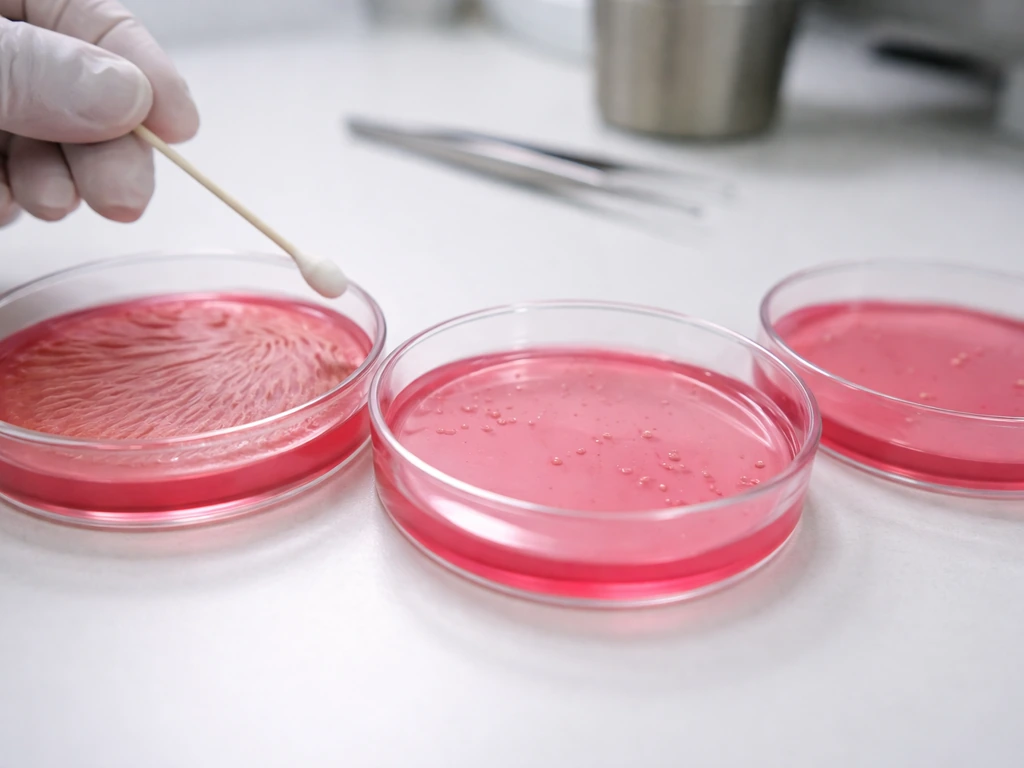
If you inoculate Proteus vulgaris on MacConkey and see no growth, or something that does not match expectations, work through these checks systematically. ATCC notes that if an alternative medium formulation or reagent is used, its warranty for viability may no longer apply blank" rel="noopener noreferrer">warranty for viability may not apply when an alternative medium formulation or reagent is used. Does Burkholderia cepacia grow on MacConkey agar, and what colony appearance would you expect if it does?
- Check organism viability: was the culture stored and revived correctly? A stock that has been frozen and thawed improperly, or a subculture that has been sitting on the bench too long, may have lost viability. Run a parallel positive control on a non-selective medium like tryptic soy agar to confirm the organism is alive.
- Check inoculum density: too light an inoculation can fail to produce visible colonies within the standard read window. Use a 0.5 McFarland standard as a reference point if you need a consistent starting density.
- Verify media preparation: MacConkey agar should be autoclaved for 15 minutes at 121°C, then cooled to 45 to 50°C before pouring approximately 20 mL per plate. Overheating can degrade the neutral red indicator and alter bile salt activity. Underheating can leave the agar incompletely sterilized or poorly dissolved.
- Check media age and storage: plates stored past their expiration date, exposed to light, or left in non-ideal temperature conditions may show reduced performance. Neutral red is photosensitive; store plates in the dark.
- Confirm you are using standard MacConkey and not a variant: sorbitol-MacConkey, MacConkey without salt, or MacConkey No. 3 have different selectivity and performance characteristics. If you substituted a variant formulation, the expected results change. ATCC quality control warranties, for instance, specifically note that using an alternative medium formulation can void growth expectations.
- Look at colony color carefully under good lighting: very pale or translucent colorless colonies can be missed if plates are read against a dark background or in poor light. Holding the plate up to indirect light and examining the agar clarity around colonies can reveal growth that looked like nothing at first glance.
Unexpected pink or red colonies from a known Proteus vulgaris culture are a flag worth investigating. True pink colonies would suggest lactose fermentation, which is not characteristic of P. vulgaris. Double-check that you are working with the correct organism and that there is no contamination on the plate.
Biosafety and lab handling
Proteus vulgaris is handled at Biosafety Level 2 (BSL-2), which applies to agents that pose moderate risk and require standard precautions. In practice that means wearing a lab coat, gloves, and eye protection whenever you are handling cultures or inoculating plates. For procedures that could generate aerosols or splashes, work inside a biological safety cabinet.
Decontaminate all culture materials before disposal. Plates, tubes, and liquid waste should be autoclaved or treated with an approved chemical disinfectant before going into the waste stream. Microbiological cultures are regulated medical waste and on-site decontamination is the preferred approach. Do not leave spent MacConkey plates sitting open on the bench or in a regular trash bin.
Standard Precautions apply: treat every culture as potentially infectious, wash hands after removing gloves, and never eat, drink, or apply cosmetics in the lab. These habits matter especially in clinical or food safety labs where the identity of an isolate may not be fully confirmed before initial culture work begins.
What to do after you confirm growth
Once you have confirmed colorless, non-swarming growth on MacConkey and suspect Proteus vulgaris, the next step is confirmatory biochemical testing. Urease production is a strong positive for Proteus species, and the indole test helps separate P. vulgaris (indole positive) from P. mirabilis (indole negative). H2S production and motility tests round out the profile. MacConkey gives you the Gram-negative, non-lactose-fermenter starting point; the biochemical panel gives you the species.
If you are working in a food safety context, finding Proteus vulgaris in a food sample or environmental swab on MacConkey is an indication of fecal contamination or poor sanitation, since Proteus species are associated with decomposing organic matter and are not part of normal food flora. The MacConkey result flags it as a Gram-negative NLF organism; confirmatory ID and any required reporting follow from there.
FAQ
If Proteus vulgaris grows on MacConkey agar, why might my plate show no colonies or very scant growth?
Common causes are using an overly old culture, inoculating too lightly, or plates that are too dry or too wet. Also verify the incubation range (about 33 to 37°C) with an internal thermometer, since substantial temperature drift can delay or reduce colony formation.
Do all Proteus species produce the same colony appearance on MacConkey agar?
They’re usually colorless to off-white because they are non-lactose fermenters, but colony size and edge regularity can differ between species. The article’s main reliable cue for Proteus vulgaris is the lack of lactose fermentation plus confirmatory biochemistry, not exact colony morphology.
Will swarming ever happen on MacConkey plates with Proteus vulgaris?
It is often reduced, but it can still occur if surface conditions allow motility, especially with excess moisture or very wet plates. If you see spreading, recheck plate dryness and confirm you used the standard formulation intended for routine Gram-negative work.
How can I tell Proteus vulgaris apart from other non-lactose fermenters that also grow on MacConkey?
Use confirmatory tests rather than colony color alone. For example, Proteus vulgaris is urease strongly positive, and indole helps separate it from close relatives like P. mirabilis (indole negative), while Salmonella and Pseudomonas require their own biochemical and selective follow-up.
If I see pink colonies on a plate inoculated with Proteus vulgaris, does that mean the organism changed?
Not usually. True lactose fermentation would suggest a different organism or contamination, because P. vulgaris is not expected to ferment lactose. Double-check strain identity (source and labeling), then examine whether the pink colonies match the colony type from the inoculum.
Can MacConkey results distinguish whether the isolate is Gram-negative without a Gram stain?
MacConkey is selective for Gram-negative growth, so Gram-positive bacteria are generally inhibited. However, you still cannot confirm Gram reaction solely from colony color, so if the result is unexpected you should perform a Gram stain as part of verification.
How long should I incubate MacConkey agar for Proteus vulgaris before deciding the test is negative?
Typical readability is achieved within 18 to 24 hours at 33 to 37°C. If you still see no growth after the standard window, that supports a true negative more than a delayed positive, but if your workflow uses extended incubation, avoid going far beyond 48 hours without a reason because colony appearance can change over time.
Is MacConkey agar suitable for presumptive screening in food or environmental samples, and what’s the next step?
It works as a presumptive screen for Gram-negative non-lactose fermenters, including Proteus-like profiles. The next step is confirmatory identification with biochemical testing before any reporting or regulatory actions, since multiple organisms can produce colorless colonies on the same medium.
Next Article
Does Pseudomonas Grow on MacConkey Agar? What to Check
Find out if Pseudomonas grows on MacConkey, what growth or non-growth means, and how to confirm with proper media.