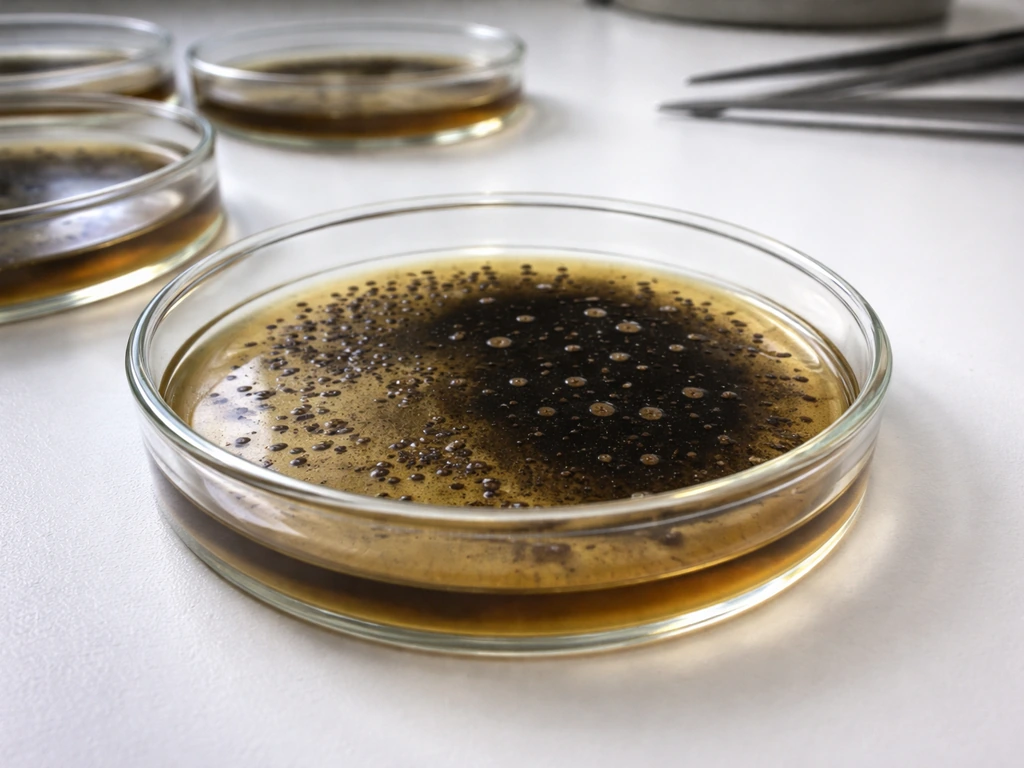
E. coli can survive in acidic environments but generally cannot grow below pH 4.4. Growth stops around pH 4.0 to 4.5 depending on the strain and conditions, but survival at much lower pH levels is well documented, including in foods and beverages you might assume are too acidic to be risky. That distinction between growth and survival is the most important thing to understand here.
Can E. coli Grow in an Acidic Environment? pH Guide

Marcus Reeves
27 Jun 2026
What 'acidic environment' actually means for bacteria
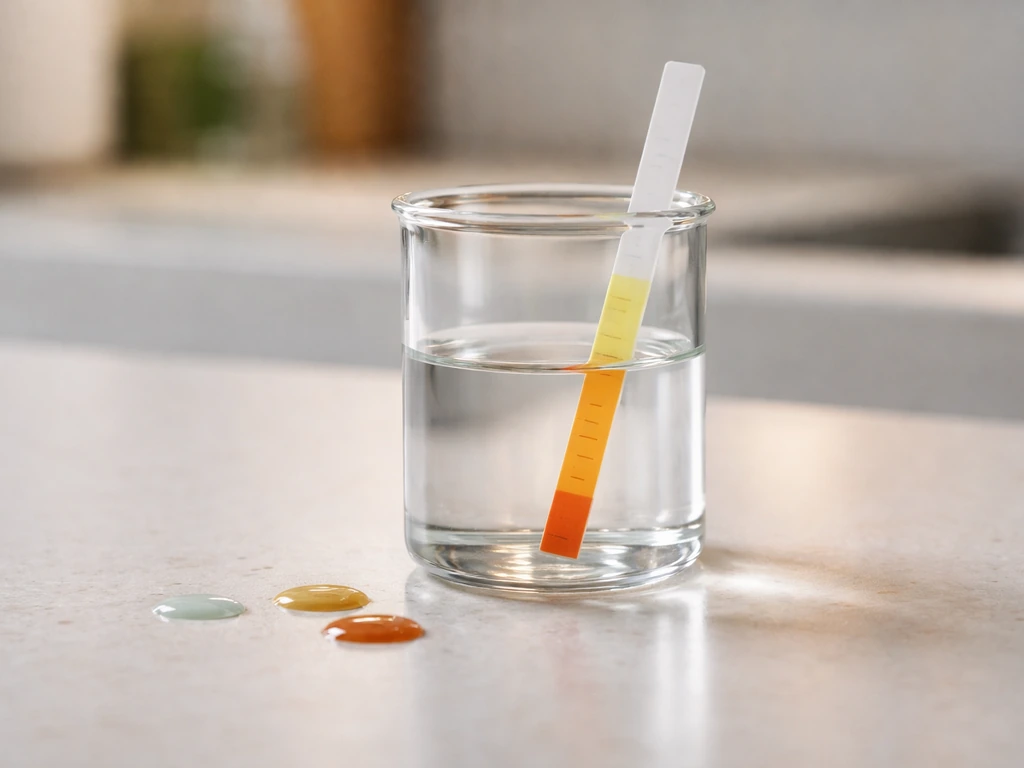
pH runs on a scale of 0 to 14, with 7 being neutral. Anything below 7 is acidic, but not all acidity is the same from a food safety standpoint. Pure water sits at pH 7. Milk is around pH 6.5. Orange juice is typically pH 3.5 to 4.0. Stomach acid is around pH 1.5 to 3.5.
The number that matters most in food regulation is pH 4.6. The FDA draws a hard regulatory line here: foods with a finished equilibrium pH at or below 4.6 are classified as 'acidified foods,' and this threshold is specifically chosen because it inhibits the growth of the most dangerous foodborne pathogens, including Clostridium botulinum. For E. coli, the relevant threshold is similar but slightly lower, as you will see.
One important detail: what matters is the 'finished equilibrium pH,' not just a surface measurement or the pH of the acid you added. If you mix a low-acid food with vinegar, the pH needs time to fully equalize throughout the product. FDA regulations for acidified foods specifically require that the finished equilibrium pH reach 4.6 or below, typically within 24 hours. A quick pH check right after mixing can give a misleading result.
There is also a difference between pH and titratable acidity (TA). pH tells you the concentration of free hydrogen ions in the solution, while TA tells you the total acid content, including acid that is bound or buffered. Foods with high buffering capacity can have more total acid even at the same pH reading, which affects how hard bacteria have to work to maintain their internal pH. In some contexts, TA is actually a better predictor of microbial stability than pH alone.
Growth vs survival: why this difference matters a lot
When people ask whether E. Because Ideonella sakaiensis is an acid-tolerant organism, its growth depends on how low the pH gets and how the cells are prepared for that stress E. coli can grow in an acidic environment. coli can grow in an acidic environment, they are usually asking the wrong question, or at least an incomplete one. There are two very different things that can happen when E. coli encounters acid: it can grow (reproduce, multiply, increase in numbers) or it can simply survive (stay alive without multiplying, or die off slowly). These have very different implications for food safety.
Growth means the bacterial population is increasing. Even a small starting contamination can become a dangerous dose if conditions allow growth. Survival without growth means the numbers stay roughly flat or decline slowly. The bacteria are still there and still infectious, but they are not multiplying. For acid environments, this survival-without-growth scenario is precisely what makes acidic foods like unpasteurized apple cider dangerous, despite being too acidic for E. coli to actually reproduce.
E. coli has evolved specific mechanisms to protect itself from acid. These include several amino acid-dependent decarboxylase systems (the glutamate, arginine, and lysine systems) that consume intracellular protons and help keep the cell's internal pH stable even when the external environment is very acidic. These are not growth mechanisms. They are survival mechanisms, allowing the cell to persist in conditions where it cannot grow.
The practical takeaway: acidity that is strong enough to stop E. coli from multiplying is not necessarily strong enough to kill it quickly. You can have a pH-safe product in the regulatory sense (below 4.6) that still harbors live E. coli capable of causing illness if consumed.
The pH thresholds: where E. coli stops growing and where it starts dying
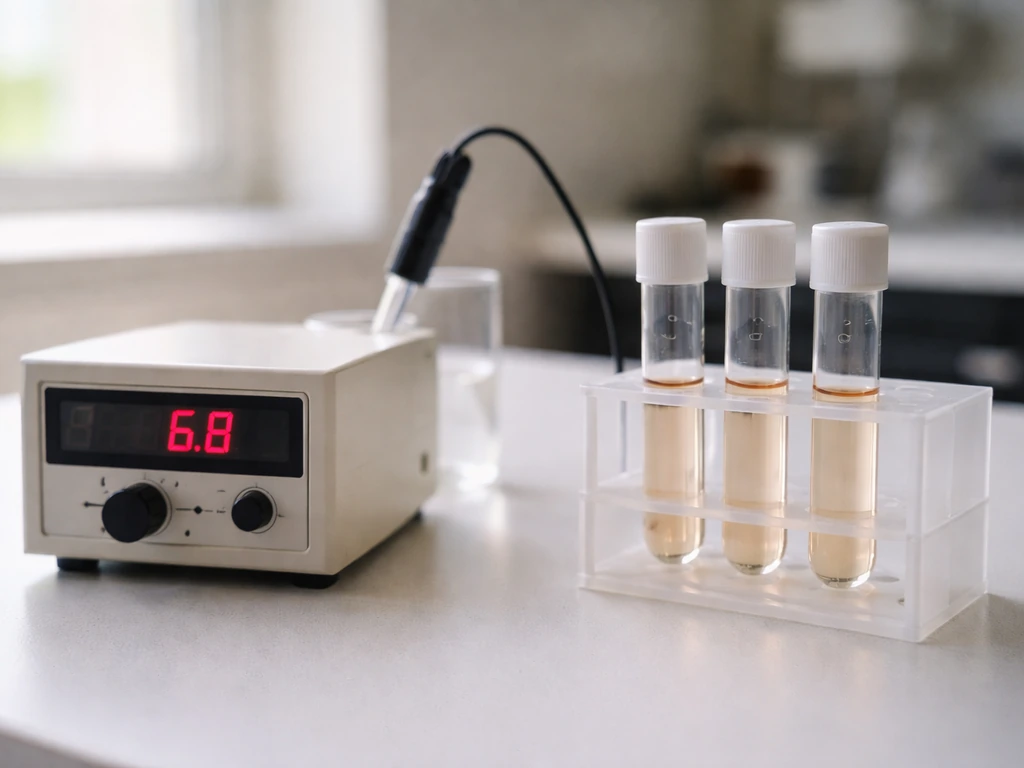
Research has mapped out these limits fairly well. Here is what the data shows for typical E. On bile esculin agar, E. coli is not the only organism you may detect, so interpreting growth on this medium helps distinguish bacteria based on their reactions to bile and esculin. coli strains under standard conditions:
| pH Range | What Happens to E. coli | Notes |
|---|---|---|
| Above 4.4–4.5 | Growth possible | Multiplication can occur; risk increases with temperature and time |
| 4.0–4.4 | Growth limited to inhibited | Some strains may still grow slowly; stressed cells persist |
| 3.6–4.0 | No growth; survival occurs | Growth/no-growth boundary; cells survive but do not multiply |
| 3.0–3.6 | Survival, declining population | Cells die off over time but can persist for days |
| Below 3.0 | Rapid death, some survivors | Acid-adapted or stationary-phase cells can survive hours; not indefinitely |
The growth/no-growth boundary sits roughly between pH 3.4 and 4.0 depending on temperature and the type of acid present. One modeling study found that without additional stressors, E. coli M23 grew at pH 4.0 but not at pH 3.7. At 20 to 30°C, the growth/no-growth interface lands around pH 3.4 to 3.6, but shifts upward when other stressors like lactic acid or low water activity are also present.
At the extreme end, stationary-phase E. coli K-12 cells have been shown to survive several hours at pH 2.0 to 3.0 under laboratory conditions. One study reported up to 50 to 90 percent survival at pH 2.5 under anaerobic conditions. This is extreme resistance, not growth, but it explains why E. coli can survive passage through the human stomach and cause infection.
The key regulatory number, pH 4.6, is set conservatively relative to E. coli's actual growth minimum. E. coli stops growing somewhat below pH 4.6, so that threshold is primarily aimed at Clostridium botulinum. For E. coli specifically, the relevant growth boundary is closer to pH 4.0 to 4.4 in most real-world food conditions.
Not all E. coli behaves the same: strains, adaptation, and why results vary
If you look at E. coli studies and find conflicting pH thresholds, strain differences and adaptation status are almost always the explanation. E. coli O157:H7, the strain most associated with serious foodborne outbreaks, is notably more acid-tolerant than many lab strains. This is not just a fixed genetic trait. It is also a dynamic response.
Acid adaptation happens when cells are pre-exposed to mildly acidic conditions before encountering more extreme acid. Research on E. coli O157:H7 showed that acid adaptation time and conditions both matter: adaptation increased tolerance most at pH 3.0, then at pH 4.0, then at pH 5.0. Experimental evolution studies have also produced E. coli K-12 clones with improved fitness at pH 4.5 to 4.8 through repeated selection, demonstrating that acid tolerance can shift even within a single strain over time.
Stationary-phase cells (those that have stopped actively growing due to nutrient limitation) are also more acid resistant than exponentially growing cells. A cell that has been sitting in a slightly acidic fermented food for days may have upregulated its acid resistance systems and become harder to kill than a freshly inoculated cell would be.
The growth phase of the bacteria at the time of acid exposure matters just as much as the pH itself. This is why challenge studies done with exponentially growing lab cultures can underestimate real-world survival in fermented or aged products.
Acid in real foods and drinks: where E. coli can and cannot grow
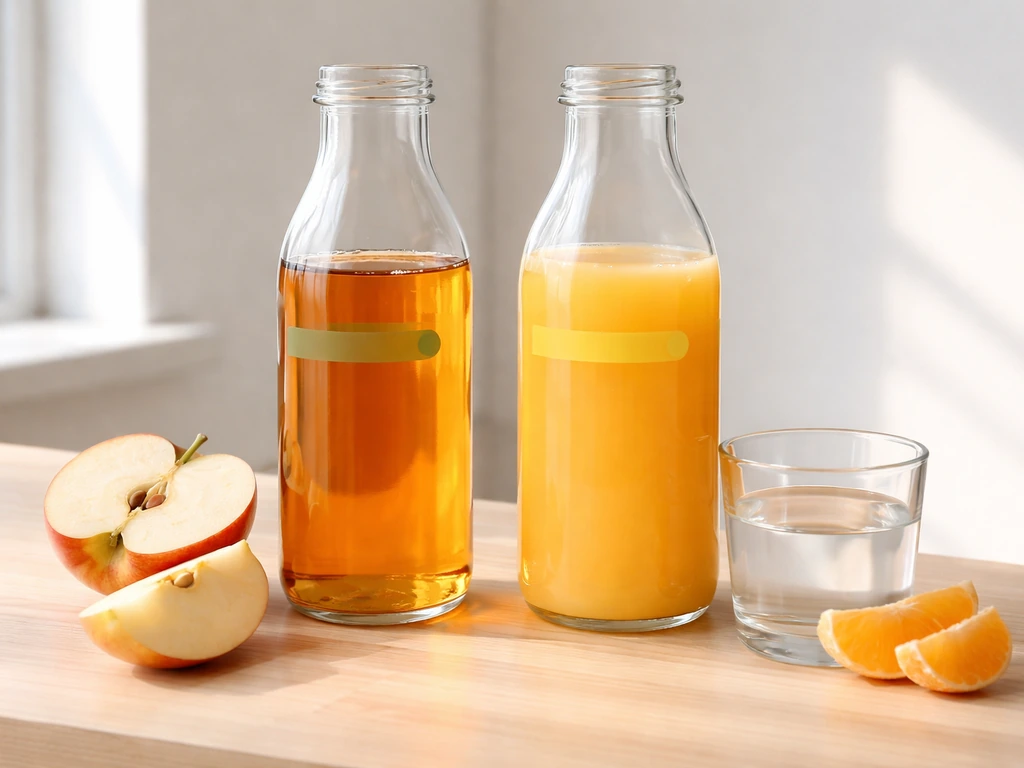
Apple cider is the classic example. Typical fresh-pressed apple cider has a pH of 3.3 to 4.1, which is below the growth threshold for E. For more context on where does E. coli grow across different acidity levels, see the detailed pH thresholds discussed in this section. coli. But multiple CDC-documented outbreaks, including ones involving E. coli O157:H7 from fresh-pressed cider, confirmed that survival without growth was more than enough to cause illness. The bacteria can persist in apple cider for up to four weeks. The acidity did not eliminate the risk; it just stopped the population from growing larger.
Orange juice sits in a similar range (pH 3.4 to 4.5 roughly), and studies have confirmed E. coli O157:H7 survival during refrigerated storage at those pH levels, particularly toward the higher end of that range.
Mayonnaise and acidic dressings fall around pH 3.6 to 4.8 depending on formulation. Commercial mayonnaise at pH 3.6 to 4.2 typically prevents E. coli growth, and one analysis found that E. coli is unable to grow below pH 4.4 with water activity below 0.95, which describes many commercial mayo products. However, when mayonnaise is diluted into a potato salad or used as a dressing base, the buffering effect of the other ingredients can raise the effective pH considerably, moving it back into the growth-permissive range.
Fermented foods like yogurt, kimchi, and sauerkraut typically reach pH 3.5 to 4.5 during fermentation. Well-fermented products at the lower end of this range are generally inhospitable to E. coli growth, but freshly made or partially fermented products still in the pH 4.5 to 5.0 range can support growth under the right temperature conditions.
Vinegar-based pickles and acidified vegetables regulated under FDA rules must achieve a finished equilibrium pH of 4.6 or below. This inhibits growth but, as noted above, does not guarantee rapid kill, especially for acid-adapted cells.
How to actually assess risk: pH is just one piece
pH alone does not tell the full story. The food safety concept of 'hurdle technology' is built on this: multiple stressors working together push bacteria past a threshold they cannot overcome, even if no single factor alone would be sufficient. Research modeling the growth/no-growth interface for E. coli explicitly accounts for temperature, pH, lactic acid concentration, and water activity together, not pH in isolation.
Here is how the key factors interact with pH:
- Temperature: E. coli grows fastest at 35 to 40°C. At refrigeration temperatures (below 4°C), growth is essentially halted even at pH levels where growth would otherwise be possible. Combining refrigeration with pH below 4.5 is a much stronger barrier than either alone.
- Type of acid: Organic acids like acetic acid (vinegar) and lactic acid are more effective at inhibiting E. coli than mineral acids like hydrochloric acid at the same pH, because the undissociated form of the organic acid can penetrate the cell membrane and disrupt intracellular pH directly. This is why a product acidified with vinegar can be safer than the same pH achieved with a different acid.
- Water activity (aw): Lower water activity (less free water) stresses bacteria independently of pH. Below aw 0.95, E. coli growth slows significantly. Below aw 0.85, growth stops entirely regardless of pH. Products like concentrated dressings or dry fermented sausages combine low aw with low pH for stronger protection.
- Salt: Sodium chloride raises osmotic stress and lowers aw, directly shifting the growth/no-growth interface. Research modeling survival of E. coli O157:H7 in acetic acid plus salt shows that salt increases the death rate under acid stress conditions.
- Time: At marginal pH levels (4.0 to 4.5), populations decline over time but not instantly. A product sitting at room temperature for several hours can have a different risk profile than the same product freshly made and immediately refrigerated.
- Preservatives: Chemical preservatives like potassium sorbate or sodium benzoate, often used in commercial dressings and beverages, add an additional hurdle on top of pH.
A practical way to think about this: each stressor you add to a product shifts the growth/no-growth boundary further against the bacteria. A food at pH 4. E. coli does not simply grow on mannitol salt agar just because the medium is selective, since growth still depends on the right conditions manittol salt agar. 2 stored at 5°C with 2 percent salt and a natural organic acid is far safer than a food at pH 4.2 stored at 20°C in plain water. The same pH number can describe very different risk situations.
Do not over-rely on a single pH reading
One specific caution worth flagging: for mixed or composite foods, the pH you measure immediately after preparation may not reflect the final equilibrium pH once the acid has fully distributed into all components. Salsa, pickled vegetables, and marinated proteins all need time for the acid to penetrate and equilibrate. FDA regulations address this explicitly: what matters is the finished equilibrium pH, not a spot measurement taken right after mixing. Home canners in particular are cautioned that pH meter readings can be misleading if taken before equilibration, and that process validation matters more than a single pH check.
Practical steps for safe handling and prevention
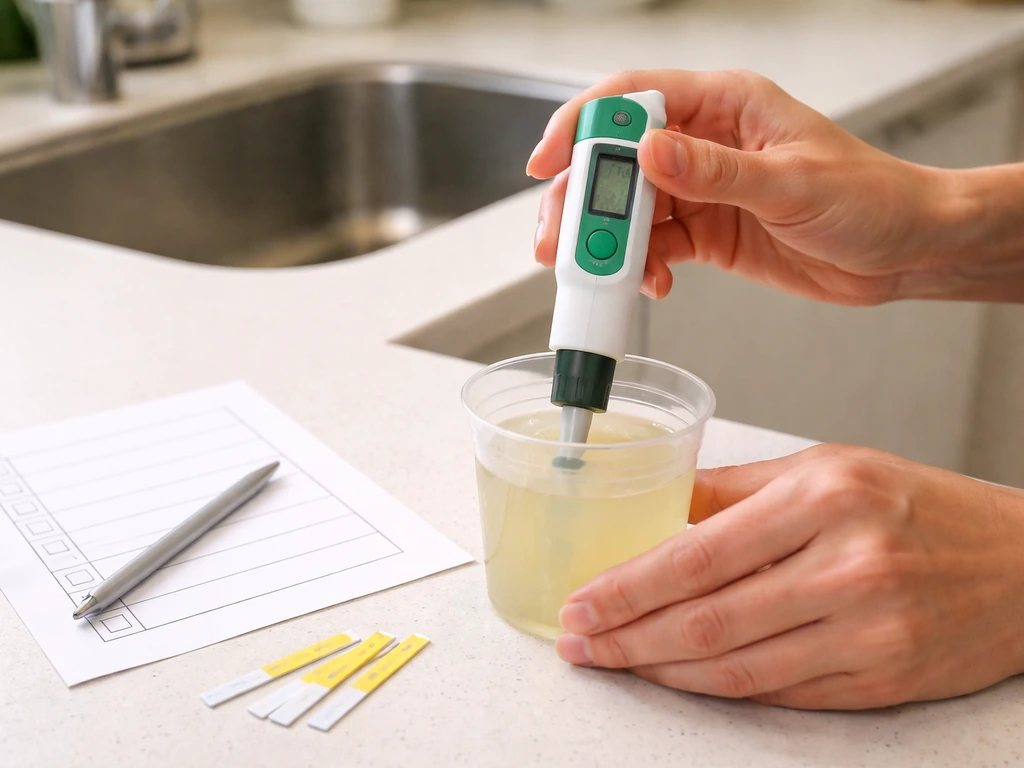
If you are working with acidified or naturally acidic foods and want to actually use this information, here is what it translates to in practice: On cetrimide agar, selective growth patterns depend on the organism present, so you can look for specific bacterial morphologies rather than assuming all environmental bacteria will grow.
- Use pH below 4.0 as your target for genuine growth inhibition of E. coli, not just 4.6. The 4.6 threshold is a regulatory line for overall pathogen control (particularly botulism), but E. coli growth inhibition requires somewhat lower pH depending on other conditions.
- Use organic acids when possible. Acetic acid (vinegar) and lactic acid (fermentation) are more effective against E. coli than inorganic acids at equivalent pH because the undissociated acid form directly attacks the cell.
- Combine pH control with refrigeration. Keeping acidified products below 4°C essentially eliminates growth risk even if pH is marginal. If a product is held at room temperature, pH control needs to be tighter.
- Measure finished equilibrium pH, not just initial pH. For pickles, salsas, marinades, or any product where an acid is being distributed into a food matrix, allow sufficient equilibration time before measuring and making safety decisions.
- Do not assume acidity kills quickly. A product at pH 3.5 to 4.0 may contain live E. coli that cannot grow but will survive long enough to cause illness. For products in this range, pasteurization, refrigeration, or short shelf-life are needed to manage actual pathogen load.
- For fresh juices and ciders, pasteurization or UV treatment is the reliable safety step. The apple cider outbreaks documented by CDC demonstrate clearly that the natural acidity of fruit juice is not a sufficient kill step for E. coli O157:H7.
- Validate your process, not just your recipe. If you are producing acidified foods commercially or for preservation, calibrated pH measurement and process validation according to FDA methodology (21 CFR 114.90) is required and practically essential.
Understanding where E. coli grows and where it merely survives is foundational to making good decisions about food storage and preservation. The bacteria's behavior in low-pH environments is also closely tied to how temperature affects its growth rate, which connects directly to refrigeration and cold-chain decisions for acidified products. If you are also wondering about temperature, E. coli grows best in the warmer range around the human body temperature, not in the cold temperature E. coli grows best. The bottom line is that acidity is a useful hurdle but rarely a complete solution on its own, and knowing the specific pH thresholds for growth versus survival is what allows you to design genuinely effective controls.
FAQ
If the pH of a food is below 4.6, does that mean E. coli is guaranteed to be killed?
No. Below the pH 4.6 regulatory line generally helps prevent growth, but it does not imply rapid death. E. coli can persist in a viable state, especially if the cells are acid-adapted or if the product conditions reduce the rate at which acids harm the cells.
How long after mixing an acidic ingredient should I wait before taking a pH reading?
For composite foods, you should allow time for the acid to fully distribute and reach the finished equilibrium pH throughout the product. A spot check right after mixing can be misleading, and the FDA acidified-food concept typically uses equilibration over a day-scale timeframe (often referenced as within about 24 hours).
Does E. coli grow in acidic foods at fridge temperatures?
It can, but temperature shifts the balance. Lower temperatures usually slow growth and can move the practical growth boundary, yet survival for extended periods is still possible, especially when the temperature is mild and the food contains buffering components or other protective factors.
What’s the difference between pH and titratable acidity (TA) in deciding risk for E. coli?
pH reflects free hydrogen ion concentration at the moment you measure it, while TA reflects total acid content, including acids bound by buffering systems. Two foods can share the same pH but differ in how stressful they are to bacteria because the buffered fraction still influences how difficult it is for cells to maintain internal pH.
Why do some E. coli strains tolerate lower pH than others?
Strain differences and physiological state matter. Some strains, such as outbreak-associated ones, tolerate acid better than common lab strains, and tolerance can change with prior exposure (acid adaptation) and with whether cells are in stationary phase versus actively growing.
If E. coli cannot grow, how can outbreaks still happen with very acidic foods like cider or juice?
Because viable cells can remain present without multiplying. That means an initially contaminated dose can still cause illness, and survival can last long enough (for certain products, weeks) for people to be exposed even if the population does not expand.
Does adding salt or sugar to an acidic product change the risk for E. coli?
Yes. Salt can lower water activity (a separate stressor from pH), and sugar can also affect water availability. When multiple hurdles are combined, the growth/no-growth boundary shifts, and pH alone becomes a less complete predictor.
Can mayonnaise or salad dressings support E. coli growth if the label pH seems safe?
Possibly. Many commercial formulations have pH values that limit E. coli growth, but dilution into other ingredients (like potato salad or thicker bases) can change the effective pH and buffering behavior. The practical pH experienced by bacteria after equilibration may be higher than what you expect from the single product.
Does acid adaptation mean E. coli becomes completely resistant to acidic foods?
No. Acid adaptation can increase survival and shift the effective limits, but it does not remove all constraints. It mainly changes how well the cells withstand low pH conditions, so products that are marginal on pH and other factors can be riskier than their single-number pH suggests.
Is stationary-phase E. coli harder to kill than actively growing cells?
Generally, yes. Stationary-phase cells are more acid resistant than exponentially growing cells, so challenge studies that use actively growing lab cultures can overestimate kill and underestimate real survival in aged or fermented foods where cells may experience nutrient limitation before acid stress.
When checking E. coli on selective media, does growth on a plate prove it grew in the acidic food?
Not necessarily. Selective media indicate what can grow under those lab conditions, but growth on agar does not directly measure growth in the original food. Also, some media are used to differentiate organisms by reactions, so interpretation depends on the specific medium and organism characteristics.
Next Article
What Bacteria Grow on Bile Esculin Agar and How to Read It
Learn which bacteria grow on bile esculin agar, how blackening occurs, and how to confirm bile-esculin positives.