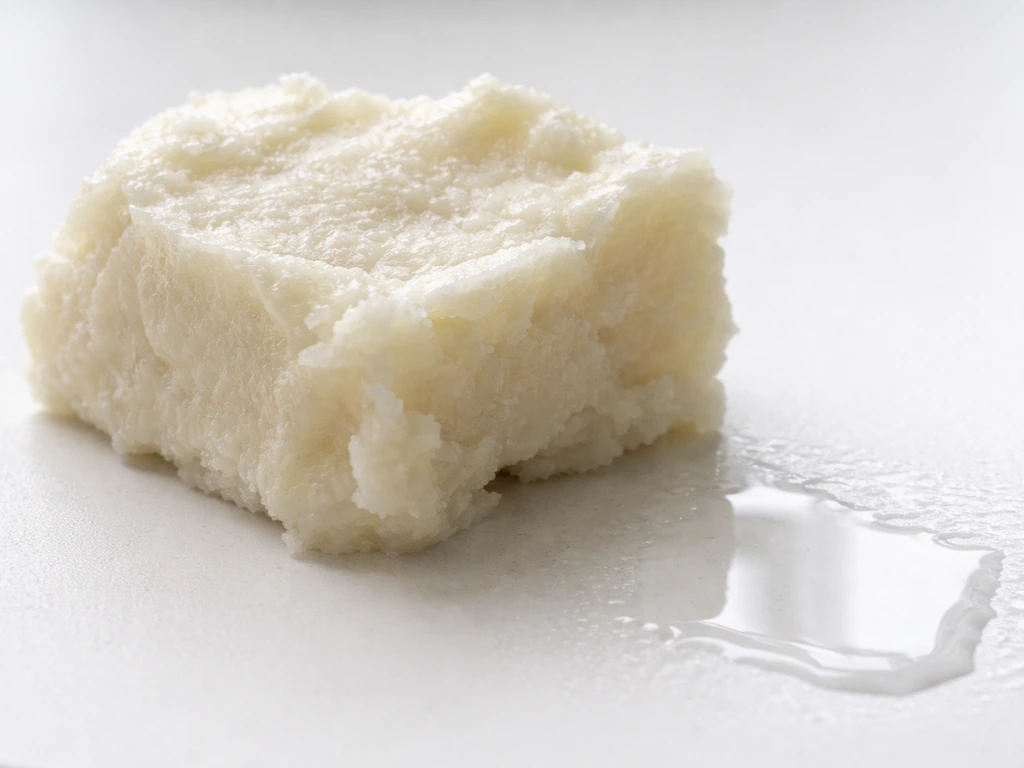
Bacteria can survive in peanut butter, but under normal storage conditions they almost certainly cannot grow there. In general, olive oil is also a low-water product, so bacteria usually cannot grow in it unless water is introduced. The key reason is water activity: standard commercial peanut butter has a water activity (aw) of roughly 0.22 to 0.35, and most bacteria need an a_w of at least 0.87 to actively multiply. That gap is large enough that peanut butter is considered microbiologically stable, not because it is sterile, but because it is too dry for bacterial growth. The risk shifts when moisture gets in, the product is modified, or something changes the water activity enough to cross microbial growth thresholds.
Can Bacteria Grow in Peanut Butter? Conditions and Safety Tips

Marcus Reeves
9 Jul 2026
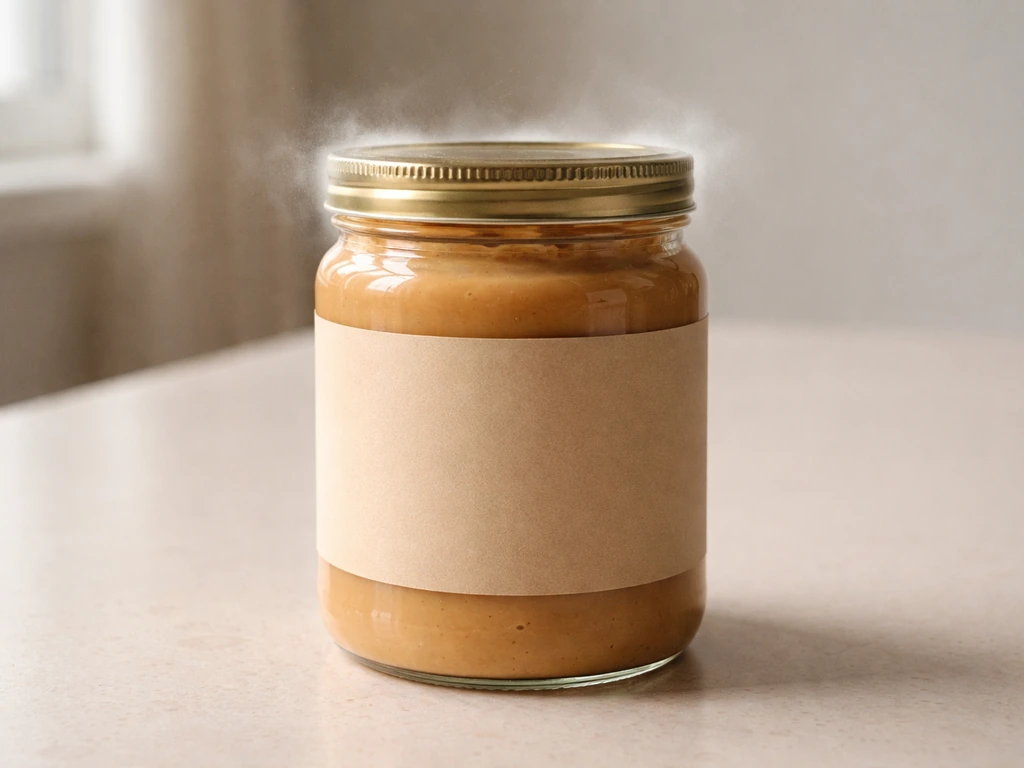
Survival vs actual growth: they are not the same thing
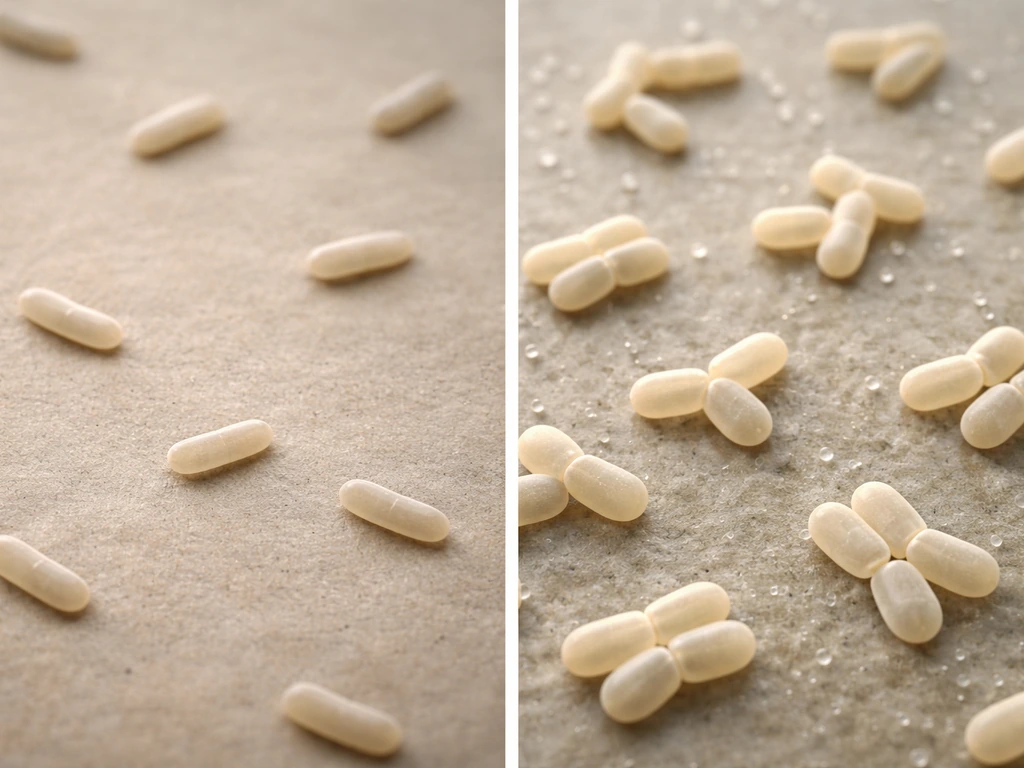
This distinction matters a lot. You can think of coconut oil the same way: bacterial survival depends on whether free water is present, not just whether a food contains oil bacteria survival depends on whether free water is present. Bacteria that land in peanut butter can persist for weeks or even months without actively multiplying. Salmonella is the most documented example: it does not grow in peanut butter under normal conditions, but it can survive desiccation and low water activity stress remarkably well. There have been real outbreak investigations where Salmonella was traced to commercially processed peanut butter, not because it grew there, but because it was introduced during processing and simply did not die.
Growth, on the other hand, requires bacteria to reproduce, which demands water, favorable temperature, sufficient nutrients, and time. Peanut butter consistently fails the water requirement for almost all relevant pathogens under standard conditions. So if someone asks whether peanut butter can make you sick, the honest answer is yes, but usually through survival of a contaminant introduced at the source, not through bacteria multiplying in the jar on your counter.
What peanut butter is actually made of, and why it resists microbial growth
Peanut butter is primarily fat, around 50% by weight, with protein, carbohydrates, and a relatively small amount of moisture. Can bacteria grow in shea butter? The same principles about water activity and moisture control apply to whether microbes can actually reproduce. Commercial versions typically contain about 1 to 2% salt and often added sugar. The fat content is significant because fat does not contribute to water activity at all. Water activity measures the availability of free water in a food, and most of peanut butter's mass is locked up in lipids and proteins where microorganisms cannot access it.
The pH of commercial peanut butter typically sits around 6.0 to 6.3, which is mildly acidic. That pH is not low enough on its own to stop bacterial growth, but it acts as one layer in a multi-hurdle system alongside low water activity and salt. Natural peanut butters (just peanuts, sometimes salt) tend to have lower water activity than conventional stabilized versions. One study measured natural peanut butter at a_w ~0.22 vs conventional at ~0.29, a small difference that still keeps both well below any bacterial growth threshold.
Compared to something like honey, which also inhibits microbial growth but largely through high sugar concentration and antimicrobial compounds, peanut butter relies almost entirely on low water activity. Honey can also resist microbes, but can bacteria actually grow in honey? That makes it more vulnerable to changes that introduce free moisture, since it lacks the chemical antimicrobial backup that honey provides.
When moisture changes the equation
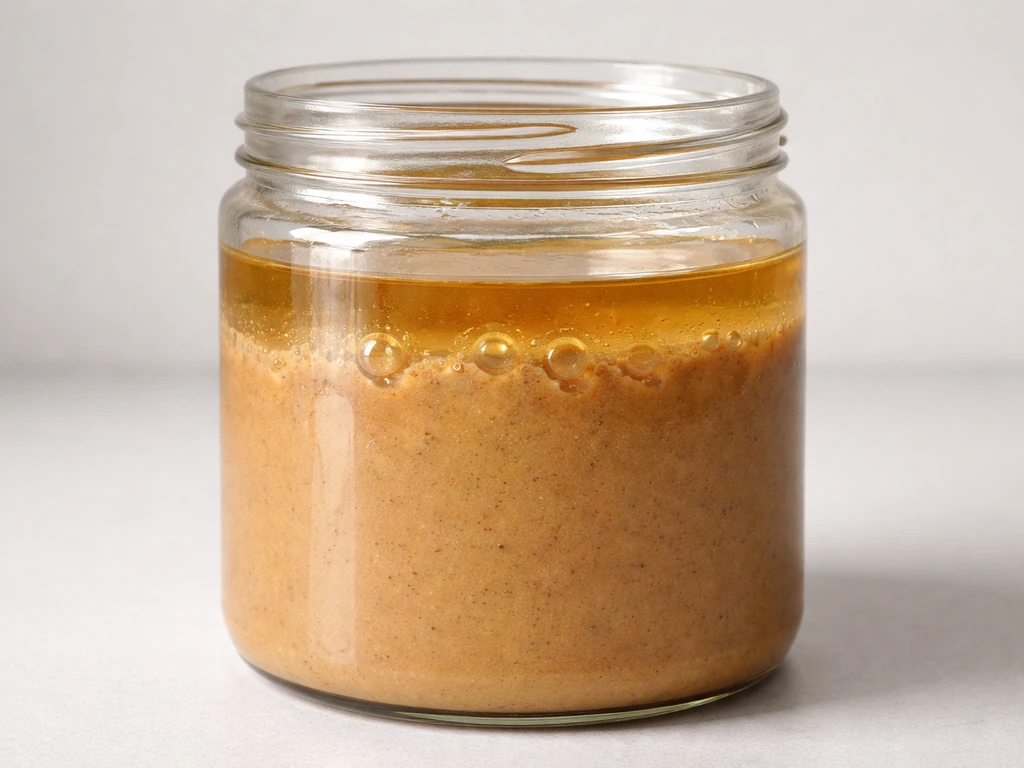
The most realistic pathway to bacterial growth in peanut butter is a local increase in water activity caused by moisture ingress. ScienceInsights explains that when peanut butter separates and moisture gets introduced, it can create localized water-activity pockets that raise real-world growth risk. This can happen in a few ways.
Oil separation and stirring
Natural peanut butter separates into an oil layer on top and a denser paste below. The paste layer at the bottom can become more concentrated and slightly higher in moisture relative to the oil on top. If you stir water droplets or condensation into that paste, or store the jar in a humid environment with the lid loosely closed, you can create microenvironments with locally elevated water activity. These pockets still may not reach the 0.87 threshold needed for most bacteria, but they change the product in ways that could matter for mold growth, which has a lower water activity threshold around 0.70 to 0.80.
Adding water-containing ingredients
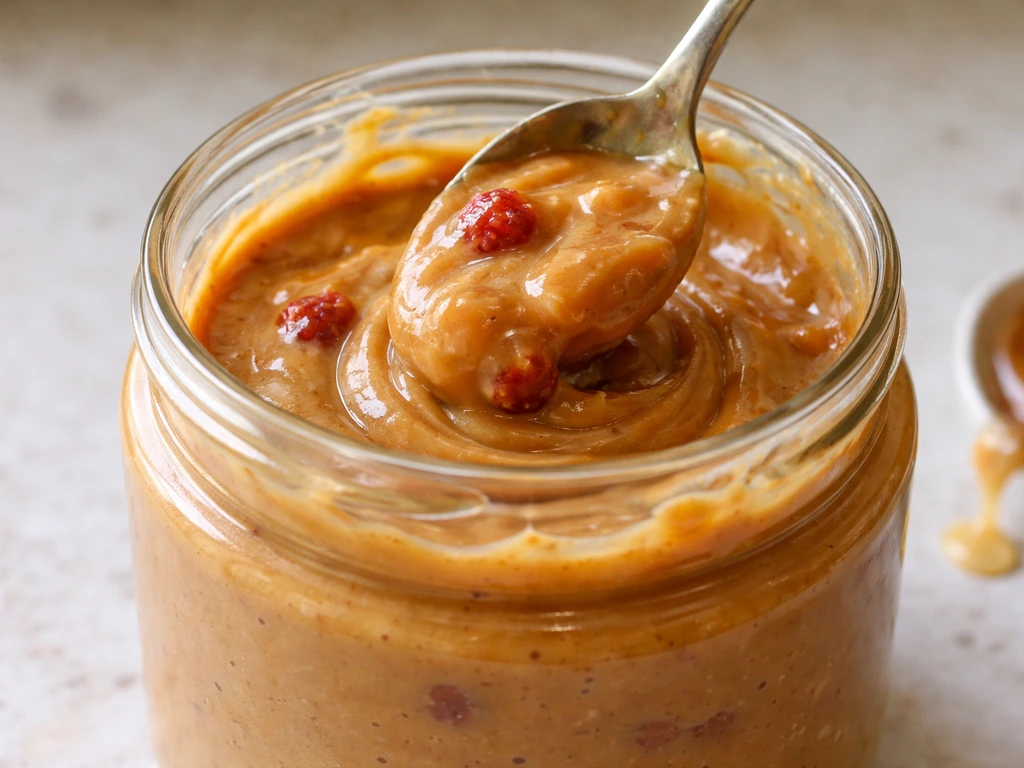
If you mix peanut butter with anything that contains free moisture, like fresh fruit, jelly, or honey directly in the jar, you are raising the effective water activity of that mixture. Dipping a wet knife or spoon into peanut butter does the same thing at a smaller scale. These additions do not instantly make the jar dangerous, but they progressively push the product toward conditions where growth becomes more plausible, especially over time.
Homemade vs commercial peanut butter
Homemade peanut butter made by grinding fresh peanuts without salt or stabilizers can have a higher water activity than commercial products, particularly if any moisture is introduced during preparation. It also lacks the salt that contributes to water-binding and the preservative effect of stabilizers. Homemade versions should be refrigerated and used within a few weeks, not stored at room temperature for months the way shelf-stable commercial jars are.
Temperature abuse: where the real risk comes from in practice
Temperature alone does not cause bacteria to grow in low water activity foods if the water activity remains too low. In contrast, PBS (phosphate-buffered saline) contains water, so it can provide the conditions bacteria need for growth if they are introduced. But temperature interacts with water activity in two important ways. First, higher storage temperatures (like 35°C/95°F) accelerate oxidative rancidity and can alter the product matrix in ways that affect moisture distribution. Second, if water activity has already been raised by contamination or moisture ingress, temperature becomes critical: the warmer it is, the faster bacteria grow once the water activity threshold is crossed.
A jar of conventional commercial peanut butter stored at room temperature (around 20 to 25°C) is not meaningfully at risk from temperature abuse on its own. The picture changes if the jar has been compromised: a contaminated utensil was used repeatedly, the jar was stored in a hot car or garage for days, or water-containing food was mixed in and the jar was left on the counter. Under those conditions, you have potentially raised the water activity and provided warm temperatures simultaneously, which is when growth transitions from unlikely to possible.
Refrigeration slows microbial activity even further and is genuinely protective for natural peanut butter and any peanut butter that has been opened and stored for more than a few months, particularly in warm climates. It is not strictly required for commercial shelf-stable peanut butter in the short term, but it extends safe storage life significantly once a jar is opened.
Which microorganisms are actually relevant
Not all microorganisms behave the same way in peanut butter, and it helps to know which ones are worth thinking about.
| Microorganism | Type | Minimum a_w for growth | Relevant in peanut butter? |
|---|---|---|---|
| Salmonella spp. | Pathogen | ~0.94 | Survival risk, not growth risk under normal a_w |
| Staphylococcus aureus | Pathogen | ~0.83–0.86 | Growth possible only if a_w is raised significantly |
| Listeria monocytogenes | Pathogen | ~0.92 | Survival possible; growth very unlikely at typical a_w |
| Clostridium botulinum (proteolytic) | Pathogen | ~0.93–0.95 | Growth effectively precluded at peanut butter a_w |
| Common spoilage bacteria | Spoilage | ~0.87+ | Growth precluded under normal peanut butter a_w |
| Xerophilic molds / Aspergillus | Mold/mycotoxin | ~0.70–0.80 | Most realistic growth concern at room temperature |
Salmonella is the historically significant concern because it has caused real outbreaks traced to peanut butter. It does not grow there, but it persists. Even in a dry, low water activity environment, viable Salmonella cells can remain infectious for extended periods. This is why good manufacturing practice and sanitation at the production level matter so much for peanut butter safety.
Staphylococcus aureus is worth noting because it tolerates low water activity better than most other pathogens. Its minimum aw for growth is around 0.83 to 0.86, and for toxin production it needs aw above roughly 0.86 to 0.89. Standard peanut butter is still well below that, but S. aureus becomes more relevant if moisture contamination raises the a_w substantially. Cross-contamination from hands is a realistic route for introducing S. aureus into a jar.
Mold is the most likely visible sign of spoilage you would actually see in peanut butter. Xerophilic (low-moisture-tolerant) molds can grow at water activities as low as 0.70, which is closer to what might develop in compromised peanut butter than bacterial growth thresholds. Some molds produce aflatoxins, which are toxic compounds that can persist even after the mold is removed. This is one reason visible mold in peanut butter warrants discarding the whole jar, not just scooping out the moldy area.
How to tell if peanut butter is unsafe, and what you cannot rely on
The honest answer here is that your senses have real limits when it comes to peanut butter safety. Food can be contaminated with pathogens like Salmonella and look, smell, and taste completely normal. This is not speculation: FDA explicitly warns that food can make people sick even when it shows no visible signs of spoilage. For pathogens that survive in peanut butter without growing, there is simply no sensory signal that tells you they are there.
For spoilage that you can detect, here is what to look for and what it means:
- Visible mold (fuzzy growth, dark or colored spots): discard the entire jar. Do not scoop around it. Mold can produce mycotoxins that penetrate beyond the visible growth, and you cannot tell by looking whether toxins are present.
- Rancid or off smell (sharp, chemical, crayon-like odor): this is oxidation of the fats, not bacterial spoilage. It means quality has declined, and the peanut butter may taste unpleasant, but rancidity itself is not a pathogen risk.
- Oil separation, color variation, or texture changes: these are normal for natural peanut butter and do not indicate microbial growth.
- Unusual dark discoloration that is not oil or fat crystallization: if unsure whether it is mold or fat separation, discard. The visual difference can be difficult to judge, and the downside of discarding a jar is minor compared to the risk of consuming mold.
The practical takeaway is that sensory evaluation is useful for catching obvious mold or rancidity but cannot tell you whether pathogen contamination is present. Storage conditions and how the jar has been handled are better proxies for safety than smell or appearance alone.
Practical steps to prevent microbial growth and contamination
Keep moisture out
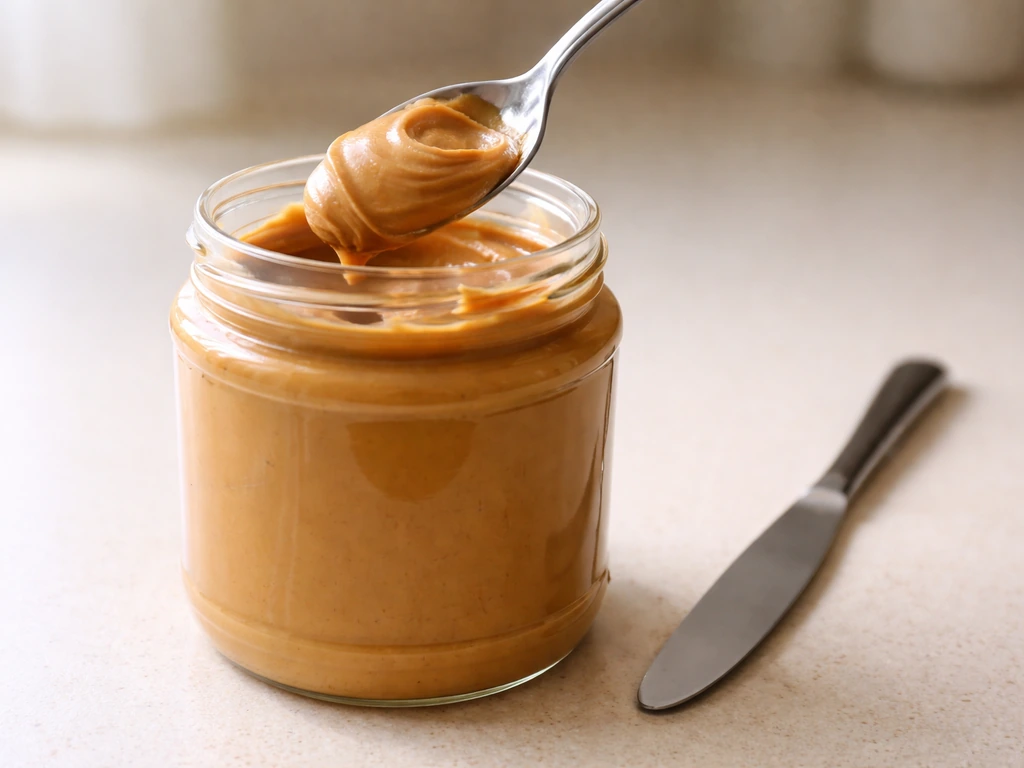
Always use a clean, dry utensil when scooping peanut butter. A wet knife or spoon that has touched bread, fruit, or other foods introduces moisture and potential microbial contamination into the jar. Do not pour liquids into a peanut butter jar or stir in wet ingredients without planning to use the mixture immediately.
Storage temperature and duration
Unopened commercial peanut butter stored in a cool, dry pantry is stable for roughly 6 to 9 months at peak quality, though some brands cite up to 18 months on their labels. Once opened, conventional commercial peanut butter can typically be kept in the pantry for about 2 to 3 months, while refrigeration can extend that to around 9 months. Natural peanut butter (no stabilizers) benefits more from refrigeration after opening and is generally best used within 1 to 3 months once opened, or up to 6 months if refrigerated. Homemade peanut butter should be refrigerated and used within 2 to 3 weeks.
Avoid cross-contamination
Double-dipping, where you use a utensil on food and then put it back in the jar, transfers bacteria from whatever you were eating into the peanut butter. S. aureus is a realistic concern here because it lives on hands and skin. Under normal peanut butter water activity this will not lead to growth, but it introduces organisms that could multiply if the water activity is ever raised by other means. One clean utensil per serving is a simple habit that eliminates this pathway.
When to discard
- Any visible mold, regardless of how small the patch looks.
- Peanut butter that has been past its best-by date by more than a few months, especially if stored in warm conditions.
- Natural or homemade peanut butter that has been open at room temperature for longer than a month in a warm environment.
- Any jar that had water, wet food, or a contaminated utensil introduced repeatedly over time.
- Anything with an unusual color, texture, or smell you cannot confidently attribute to normal oil separation or rancidity.
The bottom line is that peanut butter is one of the more microbiologically stable foods you will find in a kitchen, primarily because its water activity is far too low for bacteria to grow under normal conditions. The risk is not zero: pathogens can survive in it if they were introduced at some point, and moisture contamination can shift conditions toward growth over time. Understanding that distinction means you can store and handle it confidently while knowing exactly what situations should make you more cautious. This same idea applies beyond peanut butter too, including the question of whether can bacteria grow in paraffin wax.
FAQ
If bacteria cannot grow in peanut butter, can it still make me sick?
Yes. Even though bacteria usually cannot multiply in standard peanut butter, contaminated jars can still contain viable pathogens like Salmonella. The key safety question becomes how contamination could have been introduced (during processing or via wet utensils), not whether you see spoilage.
How can I tell if peanut butter is unsafe if it looks and smells normal?
Look for mold, clumping that seems to track with moisture, or a strong off odor from rancidity. However, normal smell and taste do not rule out contamination by pathogens that survive without growing, so use handling and storage history as your main guide.
Does leaving peanut butter in a hot car or warm room make it unsafe?
Storing in a hot car, near an oven, or in a warm pantry for days does not automatically make a sealed jar dangerous. The higher concern is what you did to the jar, like repeated use of a wet utensil, leaving it uncapped in humid air, or mixing in moist foods.
If I see a small amount of mold in peanut butter, can I just scoop it off?
Discarding only the moldy area is not a reliable strategy. Xerophilic molds can spread and some produce toxins that you cannot see or remove by scooping, so the safer choice is to throw out the entire jar.
Is it safe to store peanut butter after mixing it with jelly, fruit, or other moist foods?
If you mixed in a wet ingredient (fruit, jelly, honey, cream cheese, sauces) and then want to keep it, treat it like a perishable mixture. Refrigerate promptly and use within a short window rather than relying on shelf-stability rules for plain peanut butter.
Can I re-sanitize a utensil or jar after double-dipping to avoid risk?
You should not plan to double-dip, then “sanitize” the jar. Once a utensil touches bread, fruit, or your mouth, organisms can be transferred into the jar, and they may persist even if they do not multiply under normal conditions.
My peanut butter separates, is it still safe after I stir it back together?
If the peanut butter separates, stirring alone does not make it unsafe. What matters is whether you introduced moisture during the process. Use a clean, dry utensil to mix, and don’t add water to fix separation.
Should I refrigerate peanut butter after opening, even if the label says shelf-stable?
Refrigeration is especially useful once a jar is opened, and for natural peanut butter without stabilizers. It mainly helps prevent changes in moisture distribution and oxidative spoilage over time, which reduces the chance of conditions becoming more favorable to molds and other spoilage organisms.
Why does homemade peanut butter need more cautious storage than commercial jars?
Water activity is the driver for growth, not the presence of salt or oil alone. Homemade batches can vary widely in moisture content depending on peanut freshness, processing, and whether moisture is added, so the safest practice is to refrigerate and use quickly.
If bacteria are already present, does refrigeration prevent them from making toxins?
Yes, but only in the sense that a pathogen introduced earlier can remain infectious. Peanut butter is less likely to be the source of new growth, so improving handling (dry utensils, keeping lids closed) matters more than relying on refrigeration timing alone.
Next Article
Can Bacteria Grow in Shea Butter? Growth vs Survival
Can bacteria grow in shea butter? Learn when microbes survive vs multiply and how moisture and contamination affect risk