No, bacteria cannot actively grow and reproduce in normal, properly stored honey. The conditions inside honey are simply too hostile for bacterial multiplication. The water activity is far too low, the acidity is too high, and the chemical environment is stacked against microbial growth in multiple overlapping ways. That said, honey is not sterile, and there is an important difference between bacteria growing in honey and bacteria surviving in it. Understanding that distinction is what actually matters for food safety.
Can Bacteria Grow in Honey? Why It Usually Cannot

Marcus Reeves
2 Apr 2026
Why moisture is the biggest barrier to bacterial growth
The most important concept here is water activity, abbreviated as a_w. It is not the same as moisture content. Water activity measures the fraction of water in a food that is actually available for microbial use. Free water drives bacterial growth; water that is bound up by sugars or other solutes is essentially off-limits to microbes.
Most bacteria that cause illness need a water activity of roughly 0.90 or higher to grow. Some pathogenic species, like Listeria monocytogenes, have growth minima measured at around 0.90 to 0.92 depending on the medium. Research suggests that pathogenic bacterial growth stops below approximately 0.87 aw, and even osmotolerant spoilage organisms struggle at much lower levels. A review article reports that the blank" rel="noopener noreferrer">minimum water activity (aw) for growth of most bacteria is approximately 0.87, with halophiles able to grow at even lower aw.
Honey sits well below that danger zone. Its natural moisture content typically falls between about 13.2% and 17.6% by weight. At those moisture levels, the water activity in honey sits roughly in the range of 0.56 to 0.62 under normal conditions. Some studies have measured water activity in specific honey varieties climbing toward 0.73 to 0.80 after extended storage or maturation, but even those figures are still far below the minimum that bacteria need to multiply. For context, the FDA notes that most foods have a water activity above 0.95 that can support bacterial growth. Honey is nowhere near that threshold.
The chemistry stacking the odds against bacteria
Low water activity alone would be enough to stop bacterial growth, but honey brings several other mechanisms to the table as well. The combination makes it one of the most naturally antimicrobial foods known.
Acidity and pH
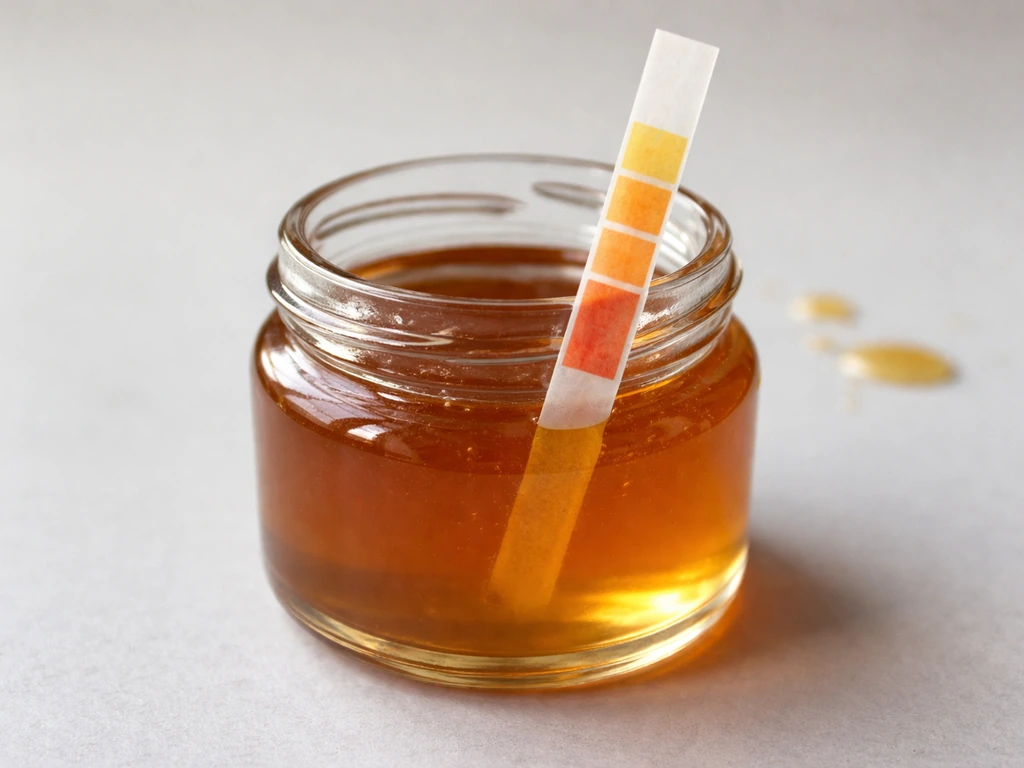
Honey is mildly acidic, with a pH generally falling between 3.2 and 4.5. Most pathogenic bacteria have an optimal growth range around neutral pH, roughly 6.5 to 7.5. Dropping the environment down to a pH of 3 to 4 is a significant mismatch that inhibits growth even before osmotic pressure enters the picture.
Osmotic stress
Honey is roughly 80% sugars by weight. That extreme sugar concentration creates intense osmotic pressure. When bacteria come into contact with honey, water is drawn out of the bacterial cells by osmosis rather than into them. Cells shrink, metabolic processes shut down, and the bacteria cannot reproduce. This is the same principle at work in other high-sugar preservatives.
Hydrogen peroxide and other antimicrobial compounds
Honey contains an enzyme called glucose oxidase, secreted by bees during honey production. This enzyme slowly converts glucose and oxygen into gluconic acid and hydrogen peroxide. Hydrogen peroxide is a well-established antimicrobial agent, and it has been identified as one of the major sources of antibacterial activity in honey. Research has confirmed this by showing that treating honey with catalase, an enzyme that neutralizes hydrogen peroxide, noticeably reduces its antibacterial potency. Treating honey with catalase, an enzyme that neutralizes hydrogen peroxide, noticeably reduces its antibacterial potency. Beyond hydrogen peroxide, honey also contains antimicrobial proteins and peptides that add further layers of protection. The antibacterial effect is genuinely multi-factorial: low pH, high sugar osmolarity, hydrogen peroxide, and antimicrobial proteins all contribute.
Survival is not the same as growth
Here is where things get more nuanced, and where a lot of common misconceptions live. Honey prevents bacterial growth, but it does not necessarily kill everything in it or keep everything out. Some microorganisms can survive in honey without growing.
The most important example is Clostridium botulinum. This bacterium produces spores that are extremely resistant to harsh conditions. Spores are not actively metabolizing or reproducing, and they can persist in honey without growing. The real danger is not that spores are growing inside the jar, but that a vulnerable person, specifically an infant under 12 months, can ingest those spores and allow them to germinate and produce toxin inside the intestinal tract. That is why health authorities including the UK Food Standards Agency and the California Department of Public Health specifically advise against feeding honey to infants under one year old. The concern is spores as passengers, not bacteria actively multiplying in the honey itself.
Another striking example of long-term spore survival comes from beekeeping: spores of Paenibacillus larvae, the bacterium responsible for American foulbrood disease in bees, have been documented as remaining viable for more than 40 years in stored honey and beekeeping equipment. That kind of persistence illustrates just how different survival and active growth really are.
This survival-versus-growth distinction comes up with many other dense or oil-based substances too. For instance, whether bacteria can grow in peanut butter follows a similar logic: very low water activity blocks growth, but the product is not sterile, and contamination events are still possible. The same question applies to fats and waxes, like whether bacteria can grow in paraffin wax, where water availability is again the controlling factor.
When honey can actually become a microbial risk
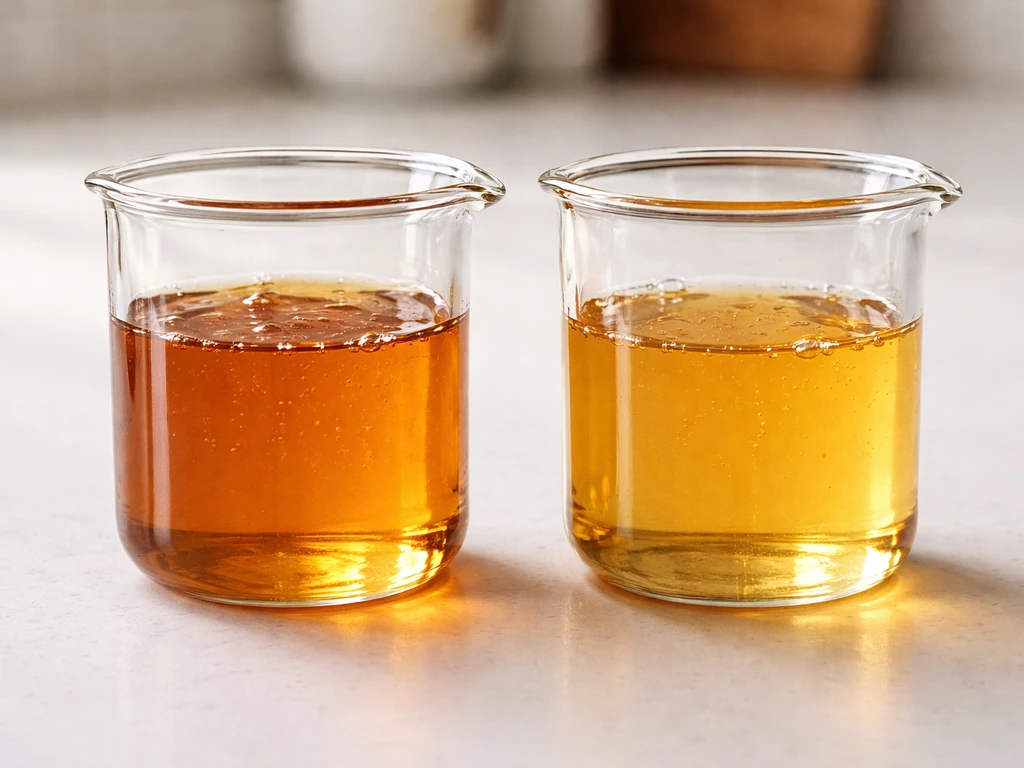
Honey's protective properties are real, but they are not unconditional. Two things can compromise those properties enough to allow microbial activity: adding water or absorbing it from the air.
Dilution breaks down the protection
Diluting honey with water raises the water activity and reduces osmotic pressure at the same time. Experimental work has shown that most pathogenic bacteria can still be inhibited at honey concentrations of about 40% or higher in solution, meaning the antibacterial properties partially persist even diluted. But as you add more water and drop below meaningful concentrations, those protections erode quickly. A honey-based sauce, a lightly sweetened drink, or a baked product is not operating under the same rules as pure honey in a sealed jar.
Moisture absorption from the environment
Honey is hygroscopic, meaning it actively draws moisture from surrounding air. If stored in an open or poorly sealed container in a humid environment, the moisture content will creep upward. Industry and food safety standards generally require honey to stay below 20% moisture (Codex standard), and some educational materials flag fermentation risk starting at moisture levels above roughly 17%. Once moisture climbs high enough, osmophilic yeasts that are naturally present can begin fermenting the sugars. This is the main spoilage pathway for honey, and it is driven entirely by moisture uptake.
This hygroscopic behavior is a meaningful real-world risk. If you store honey in a warm, humid kitchen with the lid left off or loosely closed, you are gradually raising the water activity and creating conditions that become progressively more hospitable to spoilage organisms.
How honey compares to other antimicrobial foods and substances
Honey is not alone in using water activity and chemistry as a defense against bacterial growth. Other foods and substances follow similar principles, though the specific mechanisms differ.
| Substance | Primary growth barrier | Water activity (approx.) | Bacteria grow? | Main microbial risk |
|---|---|---|---|---|
| Honey | Low a_w, osmotic stress, low pH, H2O2 | ~0.56–0.62 | No | Spore survival (e.g., C. botulinum); fermentation if moisture rises |
| Olive oil | Minimal water, no a_w support | Very low | No (in pure oil) | Contamination with water-containing ingredients |
| Coconut oil | Minimal water, low a_w | Very low | No (in pure oil) | Contamination; water inclusions |
| Peanut butter | Low a_w (~0.70) | ~0.70 | No (in normal product) | Contamination events; dilution with water |
| Shea butter | No free water | Very low | No | Contamination during processing |
| PBS (buffer solution) | None relevant | ~1.0 | Yes (survival) | Growth possible at appropriate temperature |
The pattern across these substances is consistent: wherever water activity drops well below 0.87, bacteria cannot grow. Bacterial growth in olive oil is blocked by the near-total absence of water, not by chemical toxicity. Coconut oil and bacterial growth follow the same water-free logic. Even shea butter's resistance to bacterial growth comes down to a lack of available water rather than any inherent antimicrobial chemistry. On the opposite end, bacteria in PBS (phosphate buffered saline) can survive indefinitely because a_w is essentially 1.0 and nutrients can be present, illustrating just how critical water availability is as a control point.
Practical storage and handling tips
Knowing why honey resists bacteria is only useful if you apply it practically. Here is what actually matters for keeping honey safe and stable.
- Keep the lid tight. Honey absorbs moisture from air, and every hour the jar sits open in a humid kitchen, the water activity edges up. Close it after every use.
- Store in a cool, dry place. Heat accelerates the glucose oxidase reaction and can degrade some antimicrobial compounds over time. A pantry or cupboard away from the stove is better than a shelf above the range.
- Never feed honey to infants under 12 months. This is not about bacteria growing in the jar; it is about Clostridium botulinum spores that may be present and can germinate in an infant's gut. Adults and older children process these spores without harm.
- Do not introduce wet utensils into a honey jar. Scooping honey with a wet spoon adds localized moisture, raising water activity in that spot and creating a potential site for fermentation.
- Watch for signs of fermentation: bubbling, a slightly alcoholic or off smell, and a watery layer on top. These indicate osmophilic yeast activity driven by elevated moisture.
- If using honey in cooked or mixed products (sauces, dressings, marinades), treat those products with standard food safety rules. The dilution eliminates most of honey's natural protection.
- Properly packaged commercial honey has a very long shelf life and does not require refrigeration when stored correctly. Refrigeration can cause crystallization, which is cosmetically undesirable but does not affect safety.
The bottom line is practical: pure honey in a sealed container at room temperature is one of the most shelf-stable foods you can keep in a kitchen. Its resistance to bacterial growth is real, chemically well-supported, and robust under normal conditions. The risks that do exist, spore survival and moisture-driven fermentation, are specific and avoidable with simple handling habits. Understanding the mechanism, that water activity and osmotic stress are doing the heavy lifting, helps you apply that knowledge correctly rather than assuming honey is either magically sterile or a hidden danger.
FAQ
If honey won’t grow bacteria, can it still go bad or ferment?
Honey that is pure and sealed typically resists bacterial growth, but it can still spoil if moisture rises enough for yeasts. If you see bubbling, sour or alcoholic odors, or a change in texture, that points to fermentation risk rather than bacteria multiplying. In those cases, do not rely on “no bacteria grows” logic, discard the product.
Does “bacteria cannot grow in honey” mean honey is sterile?
Yes, bacteria can survive in honey, including spore-formers. The key risk for infants is ingestion of spores that can germinate in the gut, not active growth in the jar. For adults and older children, the major concern is usually not growth in the honey itself, but general hygiene during handling.
Does temperature change whether bacteria can grow in honey?
Storage temperature mainly matters indirectly, by affecting how much moisture enters and how quickly the honey reaches conditions that favor fermentation. Warmer, humid environments and poor sealing increase moisture uptake, raising water activity and enabling yeast activity. In a cool, dry place with a tight lid, temperature swings generally matter less than seal quality.
How can I prevent moisture from getting into honey during storage?
Hygroscopic uptake from air is the main practical pathway. Keep honey in a tightly closed container, minimize time with the lid off, and store it away from steam sources like kettles, dishwashers, and bathrooms. If honey is stored in a humid kitchen for long periods, moisture can creep upward even if the honey was initially high quality.
Can I make honey safe for babies by heating it?
No, “boiling honey” is not a reliable safety strategy for infants. Heating can reduce some microbes, but honey’s spore risk is not removed simply by warming, and it can also degrade some antimicrobial components like hydrogen-peroxide generation pathways. The best practice remains, do not feed honey to infants under 12 months.
Is honey still protective against bacteria when it’s mixed with water or used in a recipe?
Diluted honey can become more hospitable as water activity increases. Honey-based drinks and sauces, especially those made with lots of added water, may lose antibacterial effectiveness, even if the product still has some inhibitory action at higher honey concentrations. If you are preparing a honey drink for storage, treat it like a perishable mixture (use promptly, refrigerate if keeping).
Does crystallization mean honey is contaminated or unsafe?
A crusty or crystallized appearance does not automatically mean the honey has changed moisture content or become unsafe. Crystallization is mainly sugar structure and is compatible with normal honey stability. The safer check is for fermentation signs like bubbling and off odors, which indicate moisture-driven spoilage.
What signs indicate honey has become unsafe due to moisture or fermentation?
If fermentation is occurring, the surface can develop foam or bubbles, and the smell may turn yeasty or alcoholic. That suggests conditions shifted due to moisture, not that bacteria have grown in the jar. Honey showing these signs should not be fed to infants, and generally should be discarded rather than “strained and used.”
Does using a dirty spoon make it easier for bacteria to grow in honey?
Using a clean spoon helps prevent introducing microorganisms into honey, but it does not eliminate spore content risk if the honey already contains spores. Good hygiene reduces the chance of adding other microbes and nutrients, which matters most if honey is diluted or if moisture has risen. For best practice, avoid double-dipping and keep the container sealed.
If bacteria can’t grow, what actually causes the main spoilage pathway in honey?
The pattern differs by organism. Most harmful bacteria need sufficiently high water activity to grow, while honey’s low water activity and acidity block growth. However, some yeasts can ferment sugars when moisture rises, which is why “no bacterial growth” does not guarantee “won’t spoil.”
Next Article
Can Bacteria Grow in Apple Cider Vinegar? Safety, Risks & Limits
Can bacteria grow in apple cider vinegar? Causes, acid-tolerant microbes, safety thresholds and storage tips.