Bacteria cannot meaningfully grow (multiply) in pure coconut oil. The reason is water activity: coconut oil is almost entirely fat, with essentially no available water for bacteria to use. Most bacteria need a water activity above 0. 90 to grow, and pure coconut oil sits far below that threshold. In PBS specifically, bacteria can grow if enough water activity and nutrients are present in the solution can bacteria grow in PBS.
Can Bacteria Grow in Coconut Oil? Growth vs Survival

Marcus Reeves
29 Apr 2026
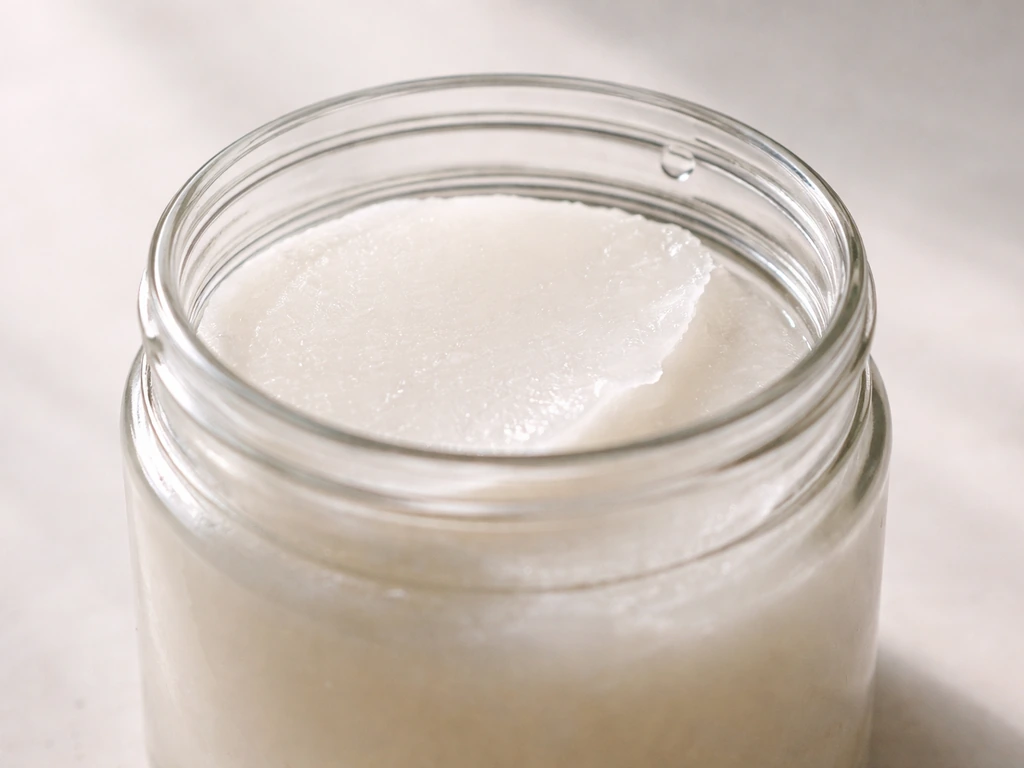
So if you're asking whether your jar of coconut oil is quietly culturing bacteria, the answer is no. In the same way, you might wonder can bacteria grow in paraffin wax, but the answer depends largely on whether any water or nutrients are available. But there's an important caveat: bacteria introduced into coconut oil can survive there for some time, and if water or food debris gets mixed in, the situation changes.
However, the same basic water-activity limits apply to shea butter, too, so pure shea butter generally does not allow bacterial growth bacteria grow in shea butter. PBS contains enough available water for bacteria to potentially grow if they have access to nutrients and suitable conditions.
Why coconut oil doesn't support bacterial growth
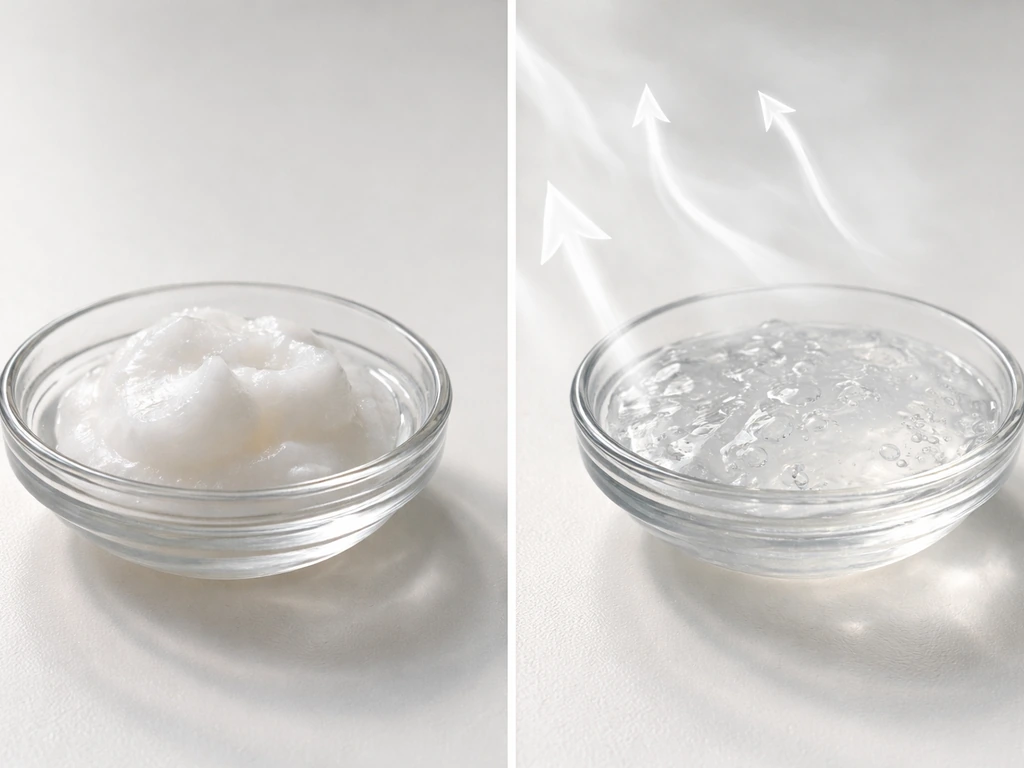
The key concept here is water activity (written as aw). Water activity measures how much 'available' water a substance contains, on a scale from 0 to 1. Pure water is 1.0. blank" rel="noopener noreferrer">The FDA notes that most foods have a water activity above 0.95, which is enough to support bacterial, yeast, and mold growth. Pure coconut oil, being almost entirely fat with negligible moisture, has an extremely low water activity, well below 0.60. The FAO identifies 0.60 as a threshold below which microbial growth is broadly inhibited.
Bacteria need water to carry out the metabolic processes that allow them to reproduce. Without accessible water, they simply can't divide. Fat molecules do not substitute for water in this role. So coconut oil's lipid composition isn't what protects it from bacterial growth: it's the absence of available water that does the work.
It's also worth noting that coconut oil has a naturally low pH and contains medium-chain fatty acids (like lauric acid) that have documented antimicrobial properties. These factors add a layer of resistance, but water activity is the primary reason bacteria don't grow there.
What bacteria actually need to grow
Understanding why coconut oil is resistant means understanding what bacteria actually require. Growth depends on several factors working together, not just one.
- Moisture (water activity): The single most critical factor. Most pathogens require a_w above 0.90, and many need it above 0.95. Below 0.60, growth is essentially off the table for almost all organisms.
- Nutrients: Bacteria need carbon sources, nitrogen, minerals, and sometimes vitamins. Pure fat is a poor nutrient environment for most bacteria.
- Temperature: Most pathogens thrive between 40°F and 140°F (4°C and 60°C), the classic 'danger zone.' Outside this range, growth slows or stops.
- pH: Neutral to slightly acidic conditions (pH 6.5 to 7.5) suit most pathogens. Highly acidic or alkaline environments are hostile.
- Oxygen: Some bacteria need it (aerobic), some are killed by it (anaerobic), and some tolerate either. This matters especially for sealed containers.
- Time: Given the right conditions, bacteria can double every 20 minutes. Without the other factors, time alone changes nothing.
Pure coconut oil fails on at least two of these fronts: water activity and available nutrients. That double barrier is why it's considered shelf-stable and low-risk from a microbial standpoint, assuming it stays pure.
Survival vs growth: an important distinction
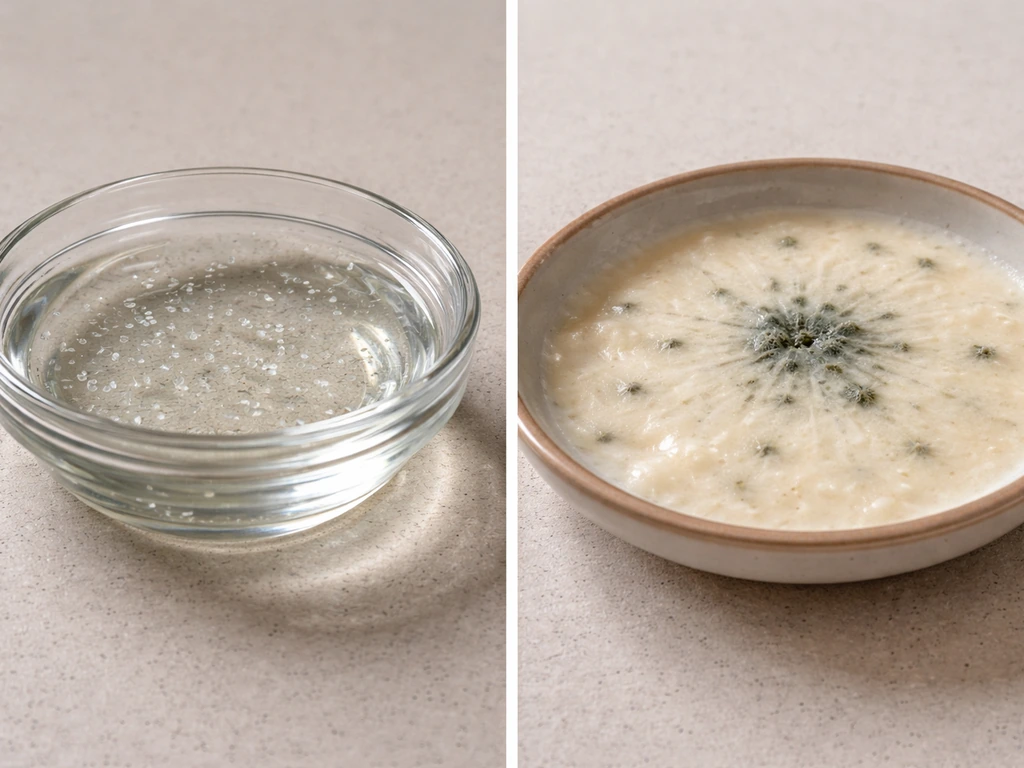
This is where the nuance matters. 'Bacteria can't grow in coconut oil' is not the same as 'coconut oil kills all bacteria instantly. USDA’s Pathogen Modeling Program (PMP) notes that foods with water activity below 0.6 will not support growth of osmophilic yeasts water or growth-inhibiting conditions. ' Research on oily, low water-activity foods consistently shows that pathogens can survive, sometimes for extended periods, even when they cannot multiply. Certain stress-tolerant organisms, including spore-forming bacteria like Bacillus and Clostridium species, are particularly good at persisting in harsh conditions.
What this means practically: if you introduce a contaminated utensil into your coconut oil, or if water splashes in, you may deposit bacteria that stay alive without multiplying. That's a very different risk profile from a food that actively grows bacteria, but it's not zero risk either, especially if the oil is then used in a way that provides water or warmth.
The garlic-in-oil case is the clearest real-world example of this line being crossed. Unacidified garlic submerged in oil creates a micro-environment where moisture from the garlic tissue becomes available. Clostridium botulinum, which is anaerobic and spore-forming, can then find the conditions it needs to grow and produce toxin in that aqueous phase, even though the surrounding oil itself isn't supporting growth. The lesson: it's never the oil doing the growing, it's the water-containing material mixed into it.
How temperature affects bacteria in coconut oil
Coconut oil is solid below about 76°F (24°C) and liquid above that. Temperature affects both the physical state of the oil and the potential for microbial activity, though the water-activity constraint still dominates.
When coconut oil is kept cool and solid, it's essentially inert microbially. Any bacteria present are in a dormant or slow-survival state. As temperature rises into the danger zone (above 40°F / 4°C for prolonged periods), bacteria that are present have more metabolic energy available, but they still can't multiply without water. However, if the oil is warm and also contains water or food debris, bacterial activity can increase rapidly.
Refrigerating coconut oil is not strictly necessary for microbial safety in a pure oil, but it does slow any degradation and reduces the metabolic potential of any bacteria that might have been introduced. If your oil has been mixed with any water-containing food during cooking or baking, then temperature management becomes genuinely important, and refrigeration makes sense.
Virgin vs refined, and commercial vs homemade
Not all coconut oil is identical from a microbial risk standpoint. The differences come down to residual moisture, processing method, and the potential for introduced contaminants.
| Oil Type | Processing | Residual Moisture | Practical Microbial Risk |
|---|---|---|---|
| Refined coconut oil (commercial) | High-heat processing, deodorizing, filtering | Very low; tightly controlled | Lowest risk; consistent low water activity |
| Virgin coconut oil (commercial) | Cold-pressed or expeller-pressed; minimal processing | Low but slightly higher than refined | Very low risk; still well below growth thresholds |
| Virgin coconut oil (wet process) | Coconut milk emulsion is separated, often by fermentation or centrifuge | Can retain more residual moisture if not carefully dried | Slightly elevated risk if moisture isn't well controlled |
| Homemade coconut oil | Variable; often involves simmering coconut milk or grating fresh coconut | Potentially higher residual water; process-dependent | Higher risk if water isn't fully driven off; sediment also possible |
Research on virgin coconut oil produced by wet and dry processes confirms that the method of extraction directly affects moisture content. Dry processing, which involves dehydrating the coconut kernel before extraction, tends to yield oil with lower residual moisture than wet methods. Homemade versions made by simmering coconut milk are the most variable: if the oil isn't heated long enough to drive off all the water, you can end up with a water-in-oil emulsion rather than pure oil, and that emulsion can support microbial activity.
The principle applies across similar products. Olive oil, like coconut oil, is mostly fat with low water activity and doesn't support bacterial growth in its pure state, but the risk profile shifts as soon as herbs, garlic, or other moist ingredients are added. If you're curious how this compares across different fats and oils, the behavior of bacteria in olive oil follows very similar logic.
Practical food-safety guidance for storing and using coconut oil
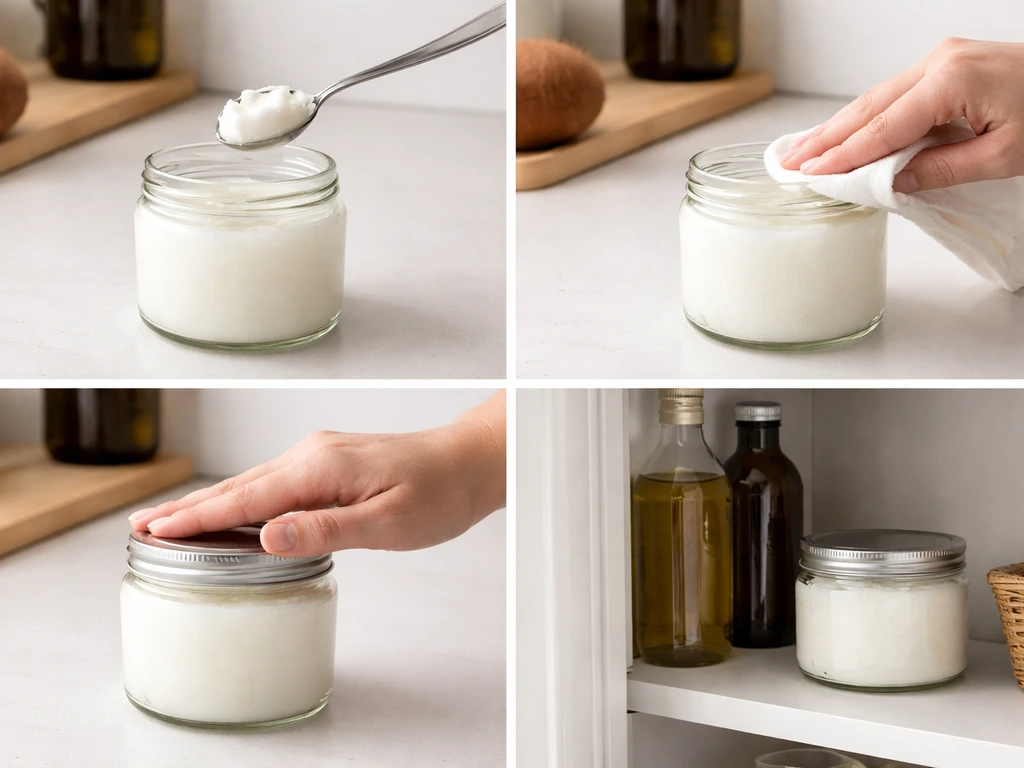
General storage rules
- Store coconut oil in a clean, dry, airtight container. Moisture is the main enemy.
- Keep it away from direct heat sources and sunlight, which can accelerate rancidity.
- Commercial coconut oil kept sealed has a shelf life of 1 to 2 years. Once opened, quality can decline faster, though microbial risk in pure oil remains low.
- Refrigeration extends shelf life and is worth doing if you use the oil slowly.
Handling practices that reduce contamination risk
- Always use a clean, dry utensil to scoop oil from the jar. Wet spoons are the most common way water gets introduced.
- Never scoop oil with a utensil that's been in contact with food, especially moist food like bread or vegetables.
- Don't pour water or water-containing liquids back into the oil jar after cooking.
- If you add herbs, garlic, or any fresh ingredients to coconut oil to make an infused oil, treat it like a perishable product: refrigerate it and use it within a week, or acidify it properly.
Shelf life after opening
Opened coconut oil that has been handled well (dry utensils, sealed between uses, no food debris) remains safe and low-risk for bacterial growth. The bigger practical concern is rancidity, which is a chemical change, not a microbial one. Rancid oil smells sour, waxy, or like old paint. It's unpleasant but not the same as bacterially contaminated oil. That said, the USDA advises discarding any cooking oil that becomes cloudy, foamy, or develops an off odor or taste. When in doubt, that's a sound rule to follow.
When to actually worry: signs of contamination and what to do
Most people using commercial coconut oil from a store will never encounter a genuine bacterial contamination scenario. But there are specific situations where concern is more warranted.
- You see visible water droplets, cloudiness, or an emulsion forming in the oil. This is the clearest sign that water has entered and conditions for microbial activity have changed. Discard it.
- There is visible sediment or food particles in the oil, especially if the oil has been sitting at room temperature for days. Moist sediment can harbor bacteria even when the surrounding oil can't.
- The oil smells sour, fermented, or otherwise off. This can indicate microbial activity in a water-containing phase, or just rancidity. Either way, discard it.
- You made a homemade infused oil (with garlic, herbs, or fresh ingredients) and left it unrefrigerated for more than a couple of hours. The risk of Clostridium botulinum outgrowth in the moist plant material is real. Discard it.
- You used coconut oil in cooking and returned some of it to the original jar. The used oil may contain food particles and water. Store the remainder separately and use it quickly, or discard it.
The FDA's disposal guidance is straightforward: once you suspect contamination or spoilage, don't consume the food. Coconut oil is inexpensive enough that the cost-benefit of discarding a questionable jar is obvious.
It's worth keeping this in context. Coconut oil sits at the low-risk end of the spectrum compared to high-water-activity foods. The same water-activity logic explains why honey is also highly resistant to bacterial growth, though through a different mechanism (extremely high sugar concentration rather than fat content). Peanut butter occupies a middle ground, where low moisture limits growth but the nutrient-rich matrix and higher water activity than pure oil create a different risk profile.
If you're wondering about that different risk profile, the key question is whether bacteria can grow in peanut butter under typical storage conditions can bacteria grow in peanut butter. Coconut oil, in its pure form, is genuinely one of the safer food items from a microbial standpoint. The practical risks are almost entirely about what you mix into it.
FAQ
If bacteria cannot grow in coconut oil, can they still contaminate it and make me sick?
In a sealed jar of pure coconut oil, bacteria generally cannot multiply, but survival is possible if organisms get in from utensils or the environment. The practical “at-home” risk rises mainly when water is added (for example, wet spoons, condensation, or mixing with watery ingredients) or when food debris creates a nutrient-rich, water-containing micro-zone.
What situations could allow bacterial growth after adding something to coconut oil?
Yes, if water gets into the oil, it can create localized conditions that allow some organisms to become active. Examples include oil used to store garlic, wet herbs, or foods that release moisture, and oils that become cloudy from an emulsion. Even then, the oil itself does not supply the needed available water, the added water-containing material does.
Should I refrigerate coconut oil to prevent bacterial problems?
Refrigerating does not “sterilize” oil, it mainly slows degradation and reduces any metabolic activity that might be possible. If your coconut oil was mixed with any water-containing ingredient, refrigeration becomes more important for slowing changes in that mixture, but you still should discard if you see off odors, foaming, or cloudiness.
How can I tell if coconut oil has absorbed water or become contaminated?
Cloudiness and foaming usually point to water or an unstable mixture, not just “old oil.” If coconut oil looks cloudy or develops bubbles when stored or used, treat it as a sign that water-in-oil conditions may exist and do not use it.
Is it unsafe to scoop coconut oil with the same spoon I used for food?
A wet spoon can be enough to create risk. Even small amounts of introduced moisture can act as the available water phase, especially if the oil is warm and left for extended periods. Use completely dry utensils and avoid dipping directly from a wet container back into the oil.
Does mixing hot food into coconut oil increase the chance of microbial activity?
Pouring hot food into oil is not automatically dangerous, but it can drive more moisture into the oil if the food contains water and fine droplets form. Cooler, intact oil with no water contact stays low-risk, while food that releases moisture and forms an emulsion shifts the risk profile.
Does “virgin” or homemade coconut oil have a different microbial risk than store-bought?
Wet-processed (and fresh, homemade) coconut oil can vary in residual moisture, which is why some home preparations are more likely to form an emulsion if water is not fully driven off. Commercial dry-processed oils are typically lower in residual moisture, so they’re generally less likely to support any water-associated microbial activity.
Are spore-forming bacteria a special concern for coconut oil?
Spore-formers are more about persistence than rapid growth. They can survive harsh conditions like low water activity and then pose a concern when conditions change, such as when water-rich food is mixed into the oil or if the oil is part of a water-containing preparation.
Does lauric acid or the oil’s low pH mean bacteria definitely can’t survive?
Low pH and natural fatty acids can reduce the likelihood of growth, but they do not replace the water-activity requirement. Think of them as extra barriers for survival and growth, while the dominant factor for multiplication remains whether sufficient available water is present.
When should I throw out coconut oil even if I’m unsure whether bacteria are involved?
If there is any suspicion of contamination from water-containing ingredients or poor handling, the safest action is to discard the oil used in that preparation. For pure, well-handled oil, the main reason to discard is chemical spoilage (rancidity), but if cloudiness, foaming, off odors, or off taste are present, discard rather than try to “test” it.
Next Article
Can Bacteria Grow in Olive Oil? Growth vs Survival
Learn if bacteria can grow in olive oil, when they only survive, and how water, handling, and storage affect contaminati