Bacteria generally cannot grow in PBS by itself. Standard phosphate-buffered saline is an inorganic salt solution (sodium chloride, potassium chloride, and phosphate salts) with no carbon source, no nitrogen source, and no usable energy. Without those, most bacteria can survive for a period of time, but they cannot replicate. The catch is that real-world PBS is rarely used in a perfectly closed system, and once contamination or nutrient carry-over enters the picture, the equation changes fast.
Can Bacteria Grow in PBS? Survival vs Growth and Tests

Marcus Reeves
9 Jun 2026
What PBS actually is (and what it isn't)
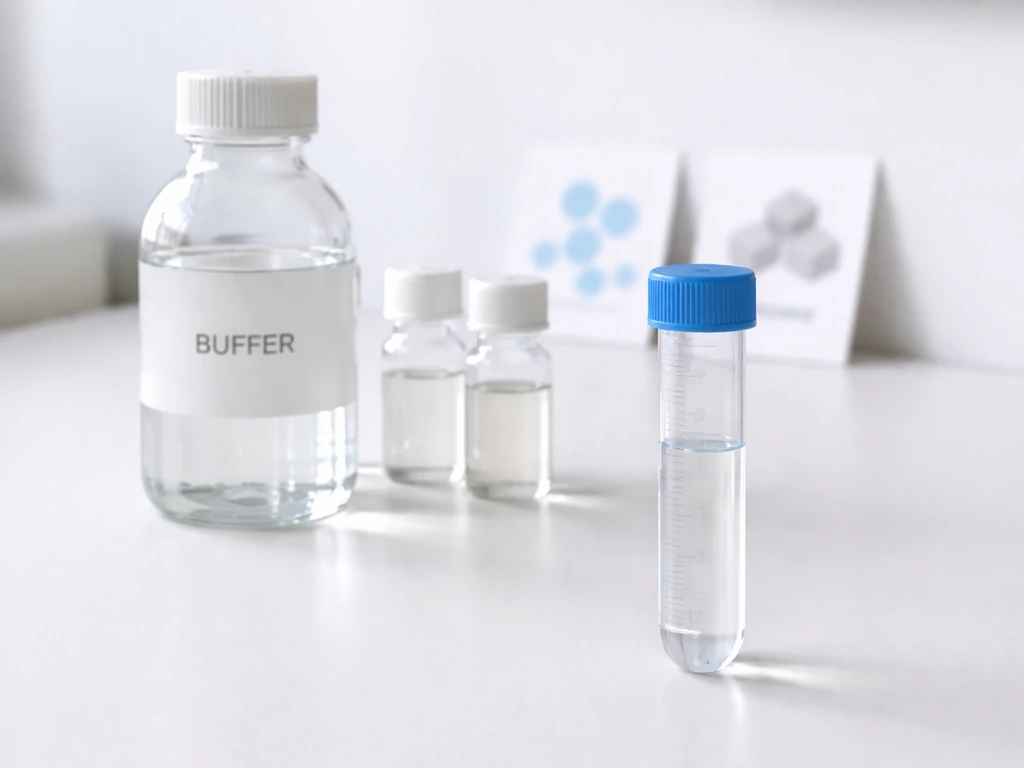
PBS is a buffered saline solution designed to mimic the osmolarity and pH of physiological fluids. A standard 1X formulation contains roughly 137 mM NaCl, 2.7 mM KCl, and phosphate salts (potassium dihydrogen phosphate and disodium hydrogen phosphate) at a pH of 7.0 to 7.4. That's it. There are no sugars, no amino acids, no proteins, no vitamins. Commercial sterile PBS from suppliers like Sigma-Aldrich is sterile-filtered and sold specifically because those inorganic components alone are not enough to support bacterial proliferation, making PBS a stable handling buffer rather than a growth medium.
The pH of 7.4 is not antimicrobial on its own. Most common bacteria actually prefer a neutral pH range close to 7.0. The reason PBS doesn't support growth isn't the pH or the salt concentration (which is physiological, not bactericidal), it's the complete absence of organic carbon and nitrogen that bacteria need to build new cells. Think of PBS as a parking lot: organisms can sit there for a while, but there's nothing to eat.
This is worth contrasting with nutrient-rich environments. Honey, for instance, inhibits bacterial growth through low water activity and high sugar concentration. Olive oil and coconut oil present physical barriers and lack free water. PBS is different: it has plenty of free water and a comfortable pH, so if nutrients were present, it would be a perfectly hospitable environment. The buffer is not itself protective.
Survival vs. growth: what bacteria actually do in PBS
There's an important distinction between survival and growth, and it matters a lot here. When E. coli O157:H7 is placed in autoclaved PBS and held at 4°C, viable cells are recoverable for a period of time, but the population does not increase. Numbers stay flat and then decline. Studies modeling starvation conditions in PBS consistently frame PBS as the starvation environment, not a growth-supporting one. When researchers want to show growth, they add a carbon source like glucose. The PBS-only arm in those experiments is always the control that goes nowhere.
Recovery rates for E. coli also drop sharply when PBS is used as a collection or holding fluid compared to nutrient-containing fluids. That's not a sign that PBS is toxic. It means bacteria aren't multiplying to replenish cells lost to natural decline, so the count trends downward over time. Starvation-condition research shows that culturability in PBS depends strongly on temperature and pH, with cooler temperatures slowing both decline and (crucially) any potential for growth if nutrients ever enter the system.
The bottom line: in clean, sterile PBS with no added nutrients, bacteria survive but don't proliferate. The population will gradually die off, not expand. That's the textbook answer. Now for the real-world complications.
When PBS stops being a dead end for bacteria
The conditions that enable actual bacterial growth in PBS all come down to nutrient introduction, surface attachment, or both. If you are wondering about something richer like fat-based products, check the related guidance on whether can bacteria grow in shea butter like nutrient introduction, surface attachment, or both. Here's where things go wrong in practice.
Contamination that carries nutrients in
The most common scenario is cross-contamination during use. If PBS is used to wash cells, resuspend a pellet, or dilute a sample, even trace amounts of cell culture media, serum, broth, or biological material can introduce organic compounds. Once carbon and nitrogen sources are present at even low concentrations, bacteria that were merely surviving now have something to work with. Serum is particularly problematic because it contains amino acids, lipids, and growth factors that bacteria can metabolize readily.
Biofilm formation on surfaces
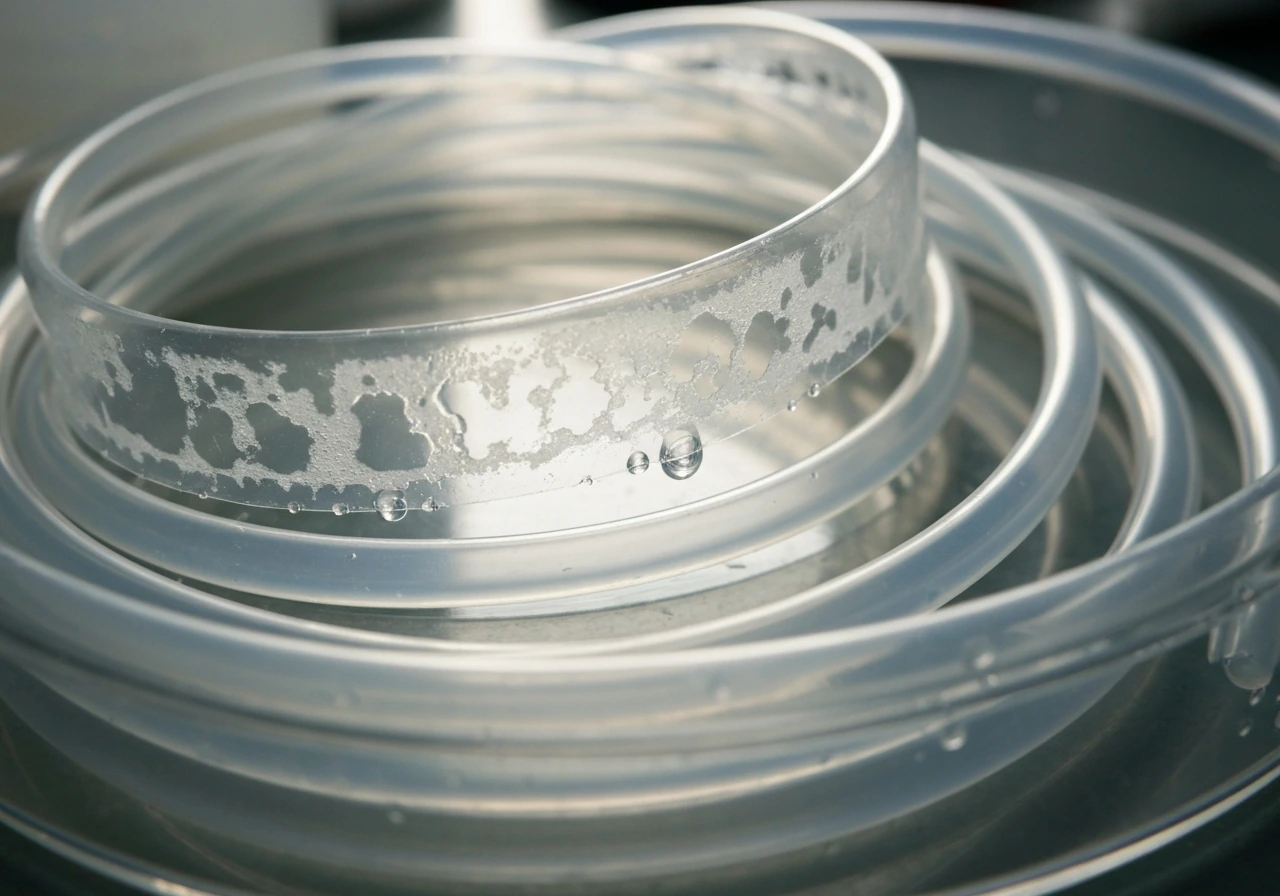
Biofilm is the other major mechanism. Bacteria in contact with surfaces (tubing, bottle walls, stoppers, pipettes) can attach and transition from planktonic to biofilm mode. Research on biofilm development in phosphate-containing systems shows that phosphate itself can influence biofilm matrix structure and viscoelasticity. More importantly, E. coli O157:H7 forms biofilms much more effectively when minimal salt solutions are supplemented with a carbon source like glucose or glycerol. If contamination introduces even a small organic load into a PBS bottle that then sits for days, biofilm formation on the container walls is a realistic outcome.
Biofilm is also harder to detect by eye than turbidity from planktonic growth. A bottle of PBS can look perfectly clear while harboring a biofilm community on the inner surface, stopper, or tubing.
Added components and formulation changes
Some PBS formulations are not pure inorganic buffer. Dulbecco's PBS (DPBS) can contain calcium and magnesium. PBS used in transport or storage applications is sometimes supplemented with polysaccharides, surfactants, or stabilizers. Studies have confirmed viable pathogen cells stored in PBS-plus-additive formulations at 4°C for 72 hours or more. Once you move away from straight inorganic PBS, all assumptions about non-growth need to be revisited for the specific formulation.
How temperature, oxygen, pH, and agitation shift outcomes
| Factor | Effect on bacterial behavior in PBS | Practical implication |
|---|---|---|
| Temperature | 4°C slows decline and any potential growth significantly; room temperature (20–25°C) allows faster decline in clean PBS but faster proliferation if nutrients are present; 37°C dramatically accelerates both survival and growth when organic carbon is available | Refrigerate PBS stocks; never leave contaminated PBS at room temperature |
| Oxygen availability | Aerobic species need oxygen; anaerobes grow without it; facultative anaerobes (like E. coli) adapt to both | Sealed containers with residual oxygen support aerobes initially; anaerobic conditions favor anaerobes if contamination is present |
| pH | PBS holds pH ~7.4, which is near-optimal for many pathogens including E. coli, Salmonella, and Listeria; this means pH provides no suppressive effect | Do not rely on PBS pH as a safeguard; it is actually favorable for common pathogens if nutrients arrive |
| Agitation/mixing | Agitation prevents concentration gradients and can disperse biofilms; it also distributes any introduced nutrients evenly, making the whole volume more hospitable | Avoid unnecessary agitation of PBS that may have been contaminated; biofilm disruption can resuspend cells |
| Contact time | Longer exposure time in warm conditions with even trace nutrients increases risk of proliferation | Use fresh aliquots for each experiment; do not store opened PBS at room temperature between uses |
Real-world scenarios where this actually matters
PBS as a diluent in food microbiology
FDA BAM protocols list PBS (pH 7.4) as a buffer used in specific microbiological methods, including for Vibrio species, purely as a handling and dilution buffer, not a growth medium. The same applies in standard plate count workflows where PBS or buffered peptone water is used to homogenize food samples before plating. In these applications, PBS exposure time is short (minutes), and the PBS is discarded. The risk is low as long as you're not holding samples in PBS for extended periods before plating.
Wash buffer in cell culture
This is where contamination risk climbs. PBS used to wash cell monolayers is in constant contact with growth media, serum, and cell debris. If the same bottle of PBS is repeatedly accessed with pipettes that have touched media, or if the bottle sits uncapped on the bench, nutrient carry-over accumulates over time. Even a small inoculum of bacteria in warm PBS with residual serum contamination can grow to problematic numbers within hours at room temperature.
Transport medium and sample storage
PBS is sometimes used to transport clinical or environmental samples, or to suspend organisms for downstream assays. Here, bacteria are deliberately placed in PBS, and the goal is usually to preserve them for a short period (not to encourage growth). Holding samples at 4°C in sterile PBS is a reasonable short-term strategy, but it is not indefinite. Culturability declines over time in PBS, especially at acidic pH or warmer temperatures, which matters if your downstream assay depends on recovering viable cells.
Reagent in standardized lab workflows
PBS appears in many standardized protocols, from ELISA washes to biofilm release assays, where it is explicitly used to dislodge biofilm from coupons for downstream enumeration. In these setups, PBS is the retrieval vehicle, not a growth environment. But the implication is clear: bacteria living in a system where PBS is present operationally (like a water line or a lab instrument) can form biofilms even if the PBS itself didn't feed them. They get nutrients from other sources and use PBS-wetted surfaces as their attachment substrate.
How to test sterility and spot contamination
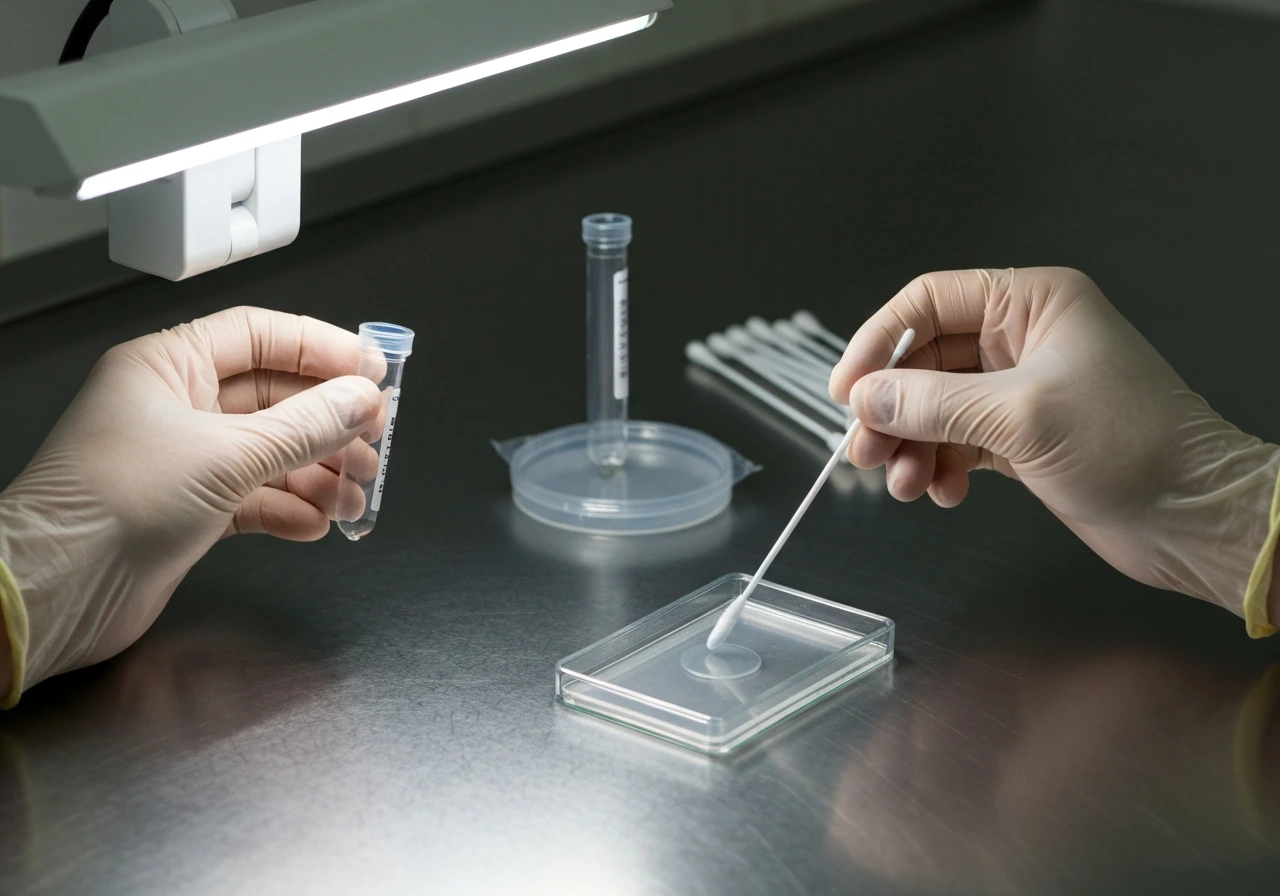
If you have any doubt about a PBS stock, especially one that has been opened, repeatedly accessed, or stored improperly, you need to test it rather than assume it's clean. Here's a practical workflow.
- Visual check first: hold the bottle against a light source and look for turbidity, particulates, or cloudiness. Clear does not mean sterile, but visible turbidity or color change is an immediate discard signal.
- Plate a sample on a general-purpose agar: transfer a small volume (0.1–0.5 mL) of the PBS in question onto tryptic soy agar (TSA) or R2A agar. Incubate at 30–35°C for at least 48–72 hours. Any visible colonies confirm contamination.
- Use liquid enrichment for low-level contamination: inoculate a volume of PBS (1–10 mL) into tryptic soy broth (TSB) and incubate at 30–35°C. Check for turbidity at 24 and 48 hours. For anaerobic detection, use fluid thioglycolate medium (FTM) at the same temperatures. USP sterility testing protocols call for 14 days of incubation to confirm sterility, which is appropriate for critical applications.
- Run a positive control: include a tube inoculated with a known organism (e.g., E. coli or Staphylococcus aureus) to confirm your detection media is actually capable of supporting growth. If your positive control doesn't grow, the test is invalid.
- Run a negative control: include uninoculated media to confirm that turbidity, if it appears, is from the PBS sample and not from the media itself.
- Check for biofilm if the PBS has been in contact with surfaces: swab the bottle walls, stopper, or tubing and plate or enrich the swab. This catches contamination that a liquid sample alone might miss.
For critical applications like cell culture or sterile product manufacturing, sterility testing should follow a validated method based on the volume and use case. In everyday lab work, the plate-on-TSA approach is a quick, practical filter before you use a questionable bottle.
Preventing contamination in the first place
Most PBS contamination is preventable. The principles here are the same aseptic technique fundamentals that apply to any sterile reagent, but they're worth spelling out because PBS gets treated casually precisely because people assume "it's just a buffer."
Storage
Store unopened sterile PBS at room temperature or refrigerated per the manufacturer's recommendation. Once opened, refrigerate at 2–8°C and use within the time frame stated on the label or within your lab's SOP. Do not store opened PBS at room temperature for extended periods, especially if it has been accessed repeatedly. Freezing is acceptable for long-term storage, but repeated freeze-thaw cycles degrade any trace organic components and can introduce contamination from condensation or improper sealing. Merck's guidance on serum handling makes this point explicitly: dispense into small aliquots under sterile conditions and refreeze rather than repeatedly thaw a large stock.
Aliquot everything
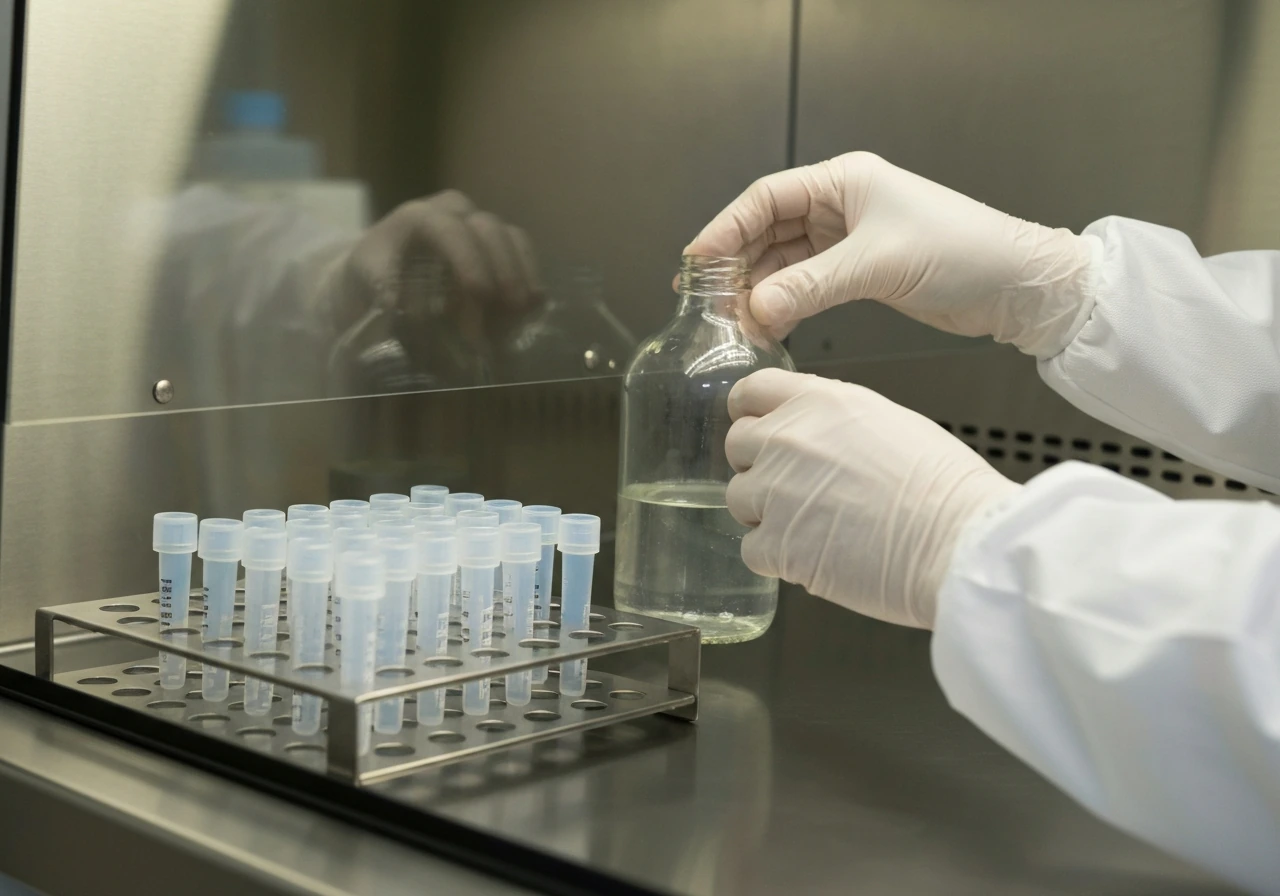
Split large bottles into single-use aliquots when you first open them. This is the single most effective contamination-control step. If one aliquot gets contaminated during a procedure, you discard that tube, not the entire stock. Label aliquots with the date opened and use them in order. This is the same logic behind CDC guidance on single-dose medication vials: don't re-enter a sterile container multiple times if you can avoid it.
Aseptic technique every time
- Work in a biological safety cabinet (BSC) when handling sterile PBS for cell culture or critical applications. A BSC provides ISO 5 airflow conditions that dramatically reduce environmental contamination.
- Never pour directly from a PBS bottle. Use sterile pipettes or syringes to remove volume, and never return unused PBS to the stock bottle.
- Do not touch the tip of a pipette to any non-sterile surface before introducing it to the PBS bottle.
- Flame or swab the bottle neck with 70% ethanol before accessing the cap if using a glass bottle with a screw cap.
- Decontaminate the work surface with 70% ethanol before and after handling PBS stocks.
- Work quickly and cap bottles immediately after use.
Disposal
PBS that has been in contact with biological samples, organisms, or cell culture materials should be treated as potentially contaminated and disposed of according to your institution's biosafety protocols, typically by autoclaving or adding appropriate disinfectant before drain disposal. Even PBS that looks clean after a wash step may carry a small biological load. Don't assume visual clarity equals sterility.
The core misconception to drop
The dangerous assumption is treating PBS as inherently safe because it's "just a buffer." PBS is not a bactericidal solution. It doesn't kill bacteria on contact. Its pH doesn't suppress pathogens. Its salt concentration is physiological, not inhibitory. The only reason clean PBS doesn't support bacterial growth is the absence of nutrients, and that condition can be broken easily by contamination during handling, nutrient carry-over from biological samples, or supplementation with any organic compound. Bacteria generally cannot grow in PBS by itself can bacteria grow in coconut oil. Because peanut butter contains nutrients and can carry contamination, bacteria can grow in it if conditions allow absence of nutrients. Once nutrients enter the picture, bacteria can sometimes grow in paraffin wax if the wax is contaminated and nutrients are available in trapped residues can bacteria grow in paraffin wax. Once nutrients enter the picture, warm, well-buffered PBS at neutral pH is actually a fairly comfortable environment for many pathogens.
Treat PBS the same way you'd treat any other sterile reagent: verify sterility when in doubt, use aliquots, practice proper aseptic technique, refrigerate opened stocks, and discard anything that's been handled improperly. The buffer doesn't protect you from contamination. Your handling does.
FAQ
Can bacteria grow in sterile PBS if I incubate it at 37°C for a long time?
In truly sterile, nutrient-free PBS, most bacteria will not replicate. However, higher temperatures speed up any decline in culturability and they also make any accidental nutrient carry-over (from aerosols, dirty pipette tips, or serum residues) act faster, so “no growth” assumes perfect sterility and no added organics.
How can there be bacterial “growth” in PBS if PBS has no nutrients?
Bacteria need carbon and nitrogen to make new cells. In practice, growth usually comes from introduced organics (cell culture media, serum, broth, tissue debris), or from biofilm on bottle walls or tubing where cells persist and can expand once a small organic load is present.
Does PBS ever contain components that could support growth (for example DPBS)?
Yes, some “PBS” products are not purely inorganic. DPBS can include calcium and magnesium, and some transport or assay buffers include polysaccharides, surfactants, or stabilizers. If a specific formulation includes extra organics or nutrients, you need to treat it as potentially growth-supporting rather than assuming it is starvation-only.
Is 1X PBS the same as “no growth” PBS? What about concentrated PBS?
Whether it is 1X or concentrated, the key determinant is still the absence of usable carbon and nitrogen. Concentrating phosphate and salt mainly changes osmolarity, not nutrient availability. Still, if concentrate is used alongside contaminated samples, higher osmolarity can select for more stress-tolerant survivors.
Can bacteria multiply in PBS if only a tiny amount of media touched the bottle?
Often, yes. Even trace residues of organic material can provide enough carbon and nitrogen for replication, especially at room temperature or 37°C. The risk is higher when the contamination source is serum or cell culture supernatant, because those contain readily metabolized biomolecules.
Will PBS look cloudy if bacteria are growing?
Not necessarily. Biofilms and attached communities can persist inside containers while the bulk fluid remains clear, so turbidity is not a reliable indicator. If you need assurance, rely on sterility testing or culture-based checks rather than visual inspection.
If bacteria survive in PBS at 4°C, how long can viable cells remain recoverable?
Survival time varies by organism, starting cell state, and the exact PBS formulation. Cooler temperatures generally slow decline, so viable recovery can persist for days, but it does not mean the population is increasing. Plan downstream recovery based on a time window validated for your organism and conditions.
Does pH of PBS affect survival and recovery from PBS?
Yes. PBS near neutral pH supports better recovery for many bacteria compared with more acidic conditions. If your downstream assay depends on viable counts, using the correct pH range and documenting exposure time matters for comparability.
Can bacteria form biofilms in PBS even if the PBS itself is not nutritious?
They can. Biofilm formation is driven by attachment and the presence of any available organics from the environment, prior sample carry-over, or system residues. Once a biofilm is established, cells can persist and later regain growth potential when nutrients become available.
What is the best way to verify whether an opened PBS bottle is still sterile?
Use a plate-on-TSA approach or a validated sterility test suited to your volume and risk level, rather than assuming cleanliness. If the bottle has been repeatedly accessed, changed pipette tips, or stored outside recommended conditions, test it before use for sensitive workflows like sterile manufacturing or cell culture.
Should I worry about PBS used briefly for washes or dilutions?
Risk is lower when exposure is short and PBS is discarded promptly, because there is less time for nutrient carry-over to translate into replication. The higher-risk scenarios are holding samples in PBS for hours to days, reusing PBS, or re-entering the bottle with non-sterile contacts.
What’s the safest practice if PBS must be used for multiple samples?
Aliquot first-use portions into single-use containers and avoid repeatedly dipping into the stock. If an aliquot is exposed to biological material, treat it as contaminated and discard per your biosafety procedures rather than trying to “save” the remainder.
Does freezing PBS after opening affect sterility or growth risk?
Freezing is generally acceptable for long-term storage, but repeated freeze-thaw cycles can increase contamination risk through improper sealing and condensation. Also, if there were trace organics present initially, repeated thawing can redistribute them, potentially increasing later recovery.
Next Article
Can Bacteria Grow in Coconut Oil? Growth vs Survival
Find out if bacteria can grow in coconut oil or only survive, plus storage and handling tips to prevent contamination.