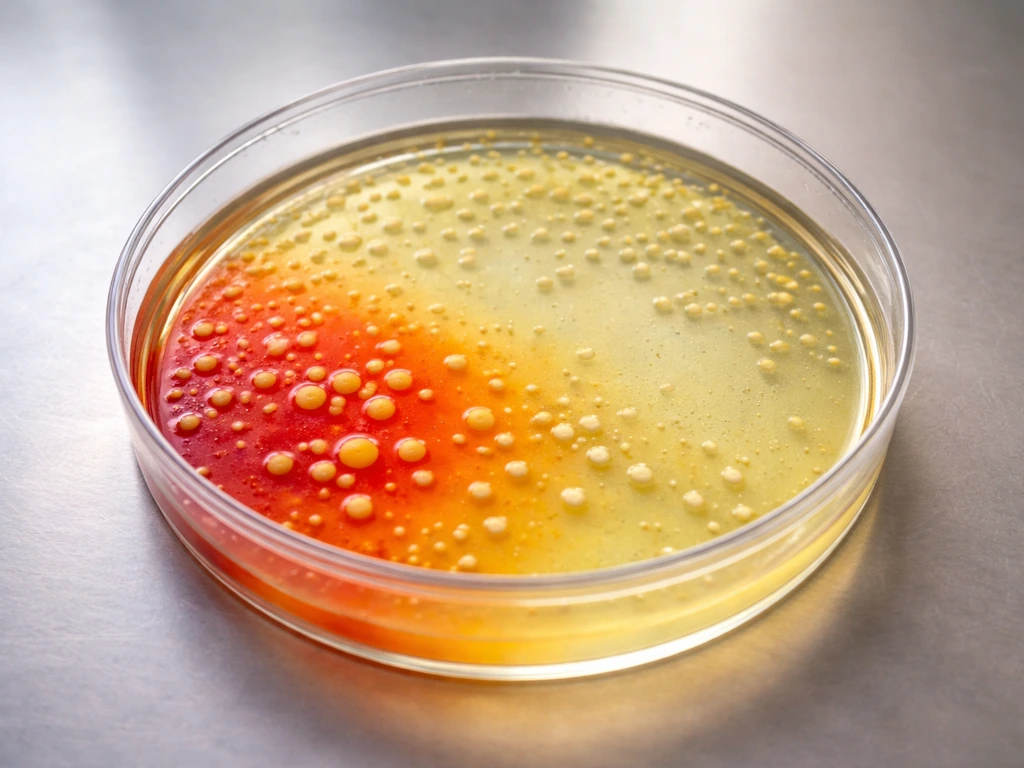
Staphylococcus aureus grows wherever it finds warmth, moisture, and nutrients. Its core habitats are the human nose and skin, but it actively multiplies in any food or surface held between about 7°C and 48°C (45°F to 118°F) with enough moisture. That wide range explains why it shows up everywhere from your kitchen counter to improperly stored deli meat to an infected wound.
Where Does Staphylococcus aureus Grow and Multiply

Marcus Reeves
26 Jun 2026

Where S. aureus actually lives on people and animals
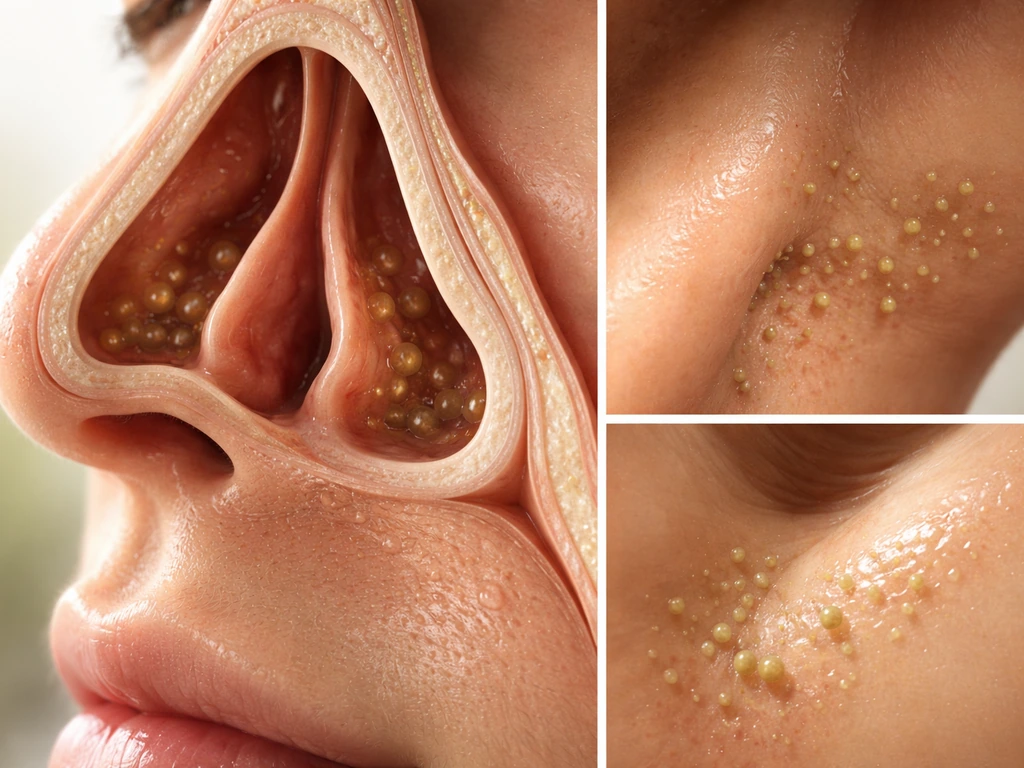
The anterior nares (the inside of your nose) is the primary reservoir. About 30 to 33% of people carry S. aureus there at any given time, and population surveys confirm colonization prevalence in the U.S. around 31.6%. It is not a sign of infection, just colonization. The organism sits there harmlessly in most people, but it creates a constant risk of transfer to hands, food, and surfaces.
Beyond the nose, S. aureus colonizes skin regularly, especially moist areas like the groin, armpits, and areas under bandages or wound dressings. Wounds, cuts, and skin breaches are high-risk sites because the bacteria can enter and multiply rapidly in damaged tissue. It also colonizes household pets: dogs have been found to carry it at roughly 14 to 25% prevalence, making them a secondary reservoir in home environments.
The practical implication is straightforward. Anyone handling food who carries S. aureus in their nose or on their skin can transfer it to food surfaces during sneezing, coughing, or direct contact. That transfer is the starting point for most staphylococcal food poisoning outbreaks.
The growth conditions: temperature, pH, and moisture
Temperature
S. aureus has one of the broader temperature ranges among foodborne pathogens. It can grow from as low as 7°C (45°F) up to about 48°C (118°F), with optimal growth between 35°C and 37°C (95°F to 99°F). On EMB agar specifically, S. aureus can grow depending on the incubation conditions and the medium's selectivity growth on EMB agar. Enterotoxin production, which is what actually makes you sick, happens in a slightly narrower window of about 10°C to 46°C, with the fastest toxin output around 34°C to 40°C (93°F to 104°F). Room temperature falls squarely in that range, which is why time-temperature abuse is the dominant risk factor in food safety.
pH
S. aureus tolerates a remarkably wide pH range for growth, roughly 4.0 to 10.0, with the optimum sitting around pH 6.0 to 7.0. Practically speaking, most foods fall within that range, so pH alone rarely stops it. If you are using selective media like MSA, you still need to confirm that the strain you are testing can grow under the required nutrient and water activity conditions. Even mildly acidic foods like certain cheeses and marinated meats can still support growth if temperature and moisture conditions are right.
Water activity (moisture)
Water activity (aw) is one of the more useful control levers for S. aureus. It can grow at a minimum aw of about 0. 83 to 0.
86 under optimal conditions, which is notably lower than most other foodborne bacteria. WHO’s discussion of water activity for Staphylococcus aureus indicates growth can occur around aw ~0. 83 in certain salt-related contexts, while toxin production is not expected at aw ~0. 86 or below [toxin production generally does not occur at aw of 0.
86 or below](https://www. who. int/iris/bitstream/10665/65992/1/WHO_). That means it survives in relatively dry or salt-cured environments where competitors cannot.
Optimal growth requires aw above 0. 99, and toxin production generally does not occur at aw of 0. 86 or below. Most fresh, minimally processed foods have aw above 0.
95, which puts them well within S. aureus's growth zone. Reduced-moisture products like dried meats and hard cheeses are safer, but intermediate-moisture foods (aw 0. 86 to 0.
93) sit in a gray zone where growth is possible but slow.
| Parameter | Minimum | Optimum | Maximum |
|---|---|---|---|
| Temperature | 7°C (45°F) | 35–37°C (95–99°F) | 48°C (118°F) |
| pH | 4.0 | 6.0–7.0 | 10.0 |
| Water activity (aw) | 0.83–0.86 | >0.99 | Not a limiting factor at high aw |
Oxygen: it grows with or without it
S. aureus is a facultative anaerobe, meaning it grows well in normal air but can also grow in low-oxygen or even near-anaerobic conditions. It does this by switching to fermentation and nitrate respiration when oxygen is scarce. This matters in practical food settings: vacuum-packed products, the interior of thick deli meats, and oxygen-reduced packaging do not stop it. It may grow more slowly under anaerobic conditions, but it will still multiply if temperature and aw allow. This is one reason why vacuum packaging alone is not a reliable control for S. aureus.
Oxygen availability also affects which genes S. aureus expresses, including some related to toxin production and persistence in different niches. In clinical settings, this contributes to its ability to colonize low-oxygen wound environments and survive inside abscesses.
Where it grows in food handling settings
In food environments, S. aureus growth is almost always a time-temperature abuse problem. The foods most commonly implicated in outbreaks are high-protein, handler-contact foods: sliced deli meats, egg salad, potato salad, cream-filled pastries, cooked poultry, and canned or processed ham. These foods get contaminated during handling (usually from a carrier's hands or nose), and then sit in the temperature danger zone long enough for the bacteria to reach dangerous levels.
To produce enough toxin to cause illness, S. aureus typically needs to reach about 100,000 organisms per gram (10^5 CFU/g). Getting there requires time at the right temperature. At 35°C to 37°C, that can happen in just a few hours. A food left out at room temperature for more than 2 hours, or at temperatures above 32°C (90°F) for more than 1 hour, is genuinely at risk.
Hydrated batter mixes, fermented and cured meats during processing, and foods going through multi-step production with recirculation or cooling delays are all documented risk contexts. FDA guidance specifically addresses toxin formation in hydrated batter mixes as a time/temperature abuse problem during refrigerated storage and recirculation steps Hydrated batter mixes, fermented and cured meats during processing, and foods going through multi-step production with recirculation or cooling delays are all documented risk contexts.. In these settings, even brief periods at abuse temperatures can allow S. aureus to grow and produce heat-stable enterotoxins before the product is cooked or further processed.
It is worth noting that growth behavior varies depending on the selective medium used in lab testing. For example, mannitol salt agar (MSA) is commonly used to isolate S. Mannitol salt agar is a selective medium, so asking whether Micrococcus luteus grows on it depends on its salt tolerance mannitol salt agar (MSA). aureus because it tolerates the high salt concentration, while many other organisms cannot. Related organisms like S. epidermidis also grow on MSA but behave differently, and gram-negative bacteria are typically inhibited on that medium. These distinctions matter when interpreting environmental or food testing results.
Surviving without growing: what persistence looks like
Survival and growth are not the same thing, and this distinction is genuinely important for food safety. S. aureus can persist on dry surfaces, countertops, and food contact equipment for hours to days without actively multiplying. Cold temperatures (below 5°C) stop growth but do not kill the organism. Freezing halts all growth entirely, but cells survive and resume growth when temperatures rise.
In food, this creates a specific risk: a food can test negative for active growth but still harbor enough S. aureus to cause illness if it was temperature-abused earlier in its history. The FDA's BAM guidance notes that in some contaminated foods, the organism count may actually be low at the time of testing because a larger population already grew, produced toxin, and then partially died off. The toxin, however, is heat-stable and remains dangerous even after the bacteria are destroyed by cooking or heating.
This is the core reason why reheating food that was improperly stored does not make it safe. You can kill S. aureus cells with heat, but the enterotoxin they already produced is not destroyed by normal cooking temperatures.
How to control it: storage, hygiene, and prevention
Temperature control
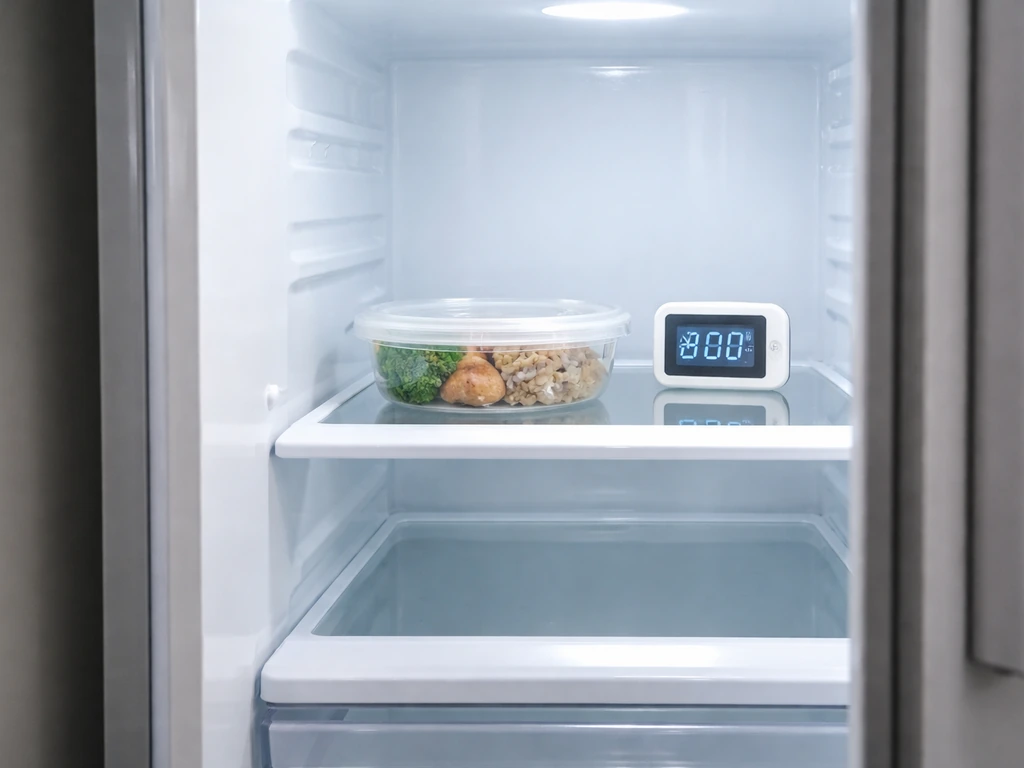
Keeping food below 5°C (41°F) stops S. aureus growth. Refrigerators should be set at or below 4°C (39°F). Ready-to-eat, high-protein foods should not sit at room temperature for more than 2 hours total (or 1 hour if ambient temperature is above 32°C/90°F). In commercial settings, date and time marking of ready-to-eat foods is required under FDA Food Code, and foods held beyond 4 hours must be discarded.
Hand hygiene and wound management
Because the nose and skin are the main reservoirs, hand hygiene is the most direct control for food handling. Wash hands thoroughly before and during food preparation, especially after touching your face or nose. Anyone with an open wound, cut, or skin infection on their hands should not handle ready-to-eat food without a waterproof glove, or ideally should not handle exposed food at all. Covering wounds in food service settings is not just a hygiene courtesy, it is a direct contamination control.
Sanitation and cross-contamination
S. aureus is effectively destroyed by heat and most standard sanitizing agents. Regular cleaning and sanitizing of food contact surfaces, cutting boards, and utensils removes the organism reliably. The problem arises when surfaces are contaminated after cooking or sanitizing, so preventing post-process cross-contamination matters more than pre-cooking sanitation in many kitchen workflows. Separate raw and ready-to-eat foods, and do not reuse utensils or surfaces between raw proteins and finished foods without sanitizing in between.
Water activity management in processing
In food manufacturing or commercial food production, reducing aw below 0.86 through drying, salting, or sugar concentration can stop growth entirely. For HACCP-designed processes, aw is a validated hurdle technology. However, intermediate-moisture products need to be carefully characterized, as partial rehydration during production or storage can push aw back into the growth range.
What to do if you suspect contamination
If someone develops sudden-onset nausea, vomiting, and abdominal cramps within 30 minutes to 8 hours of eating a specific food, staphylococcal food poisoning is a realistic possibility. The typical onset is 2 to 4 hours after eating. The illness is caused by preformed toxin, not active infection, so it is usually self-limiting but can be serious in vulnerable individuals.
Here is a practical checklist of steps to take: Does S. epidermidis grow on MSA plates, and how does it compare to S. aureus?
- Discard the suspected food immediately. Do not taste it to evaluate whether it is safe, and do not assume reheating will neutralize the toxin.
- Document time out of refrigeration for the food in question. If it was at room temperature for more than 2 hours (or 1 hour in a hot environment), treat it as suspect.
- Identify who handled the food. Anyone with a wound, skin infection, or who was sneezing or coughing while preparing food is a potential contamination source.
- Clean and sanitize all food contact surfaces, cutting boards, and utensils that touched the suspected food.
- If multiple people are ill, report the outbreak to your local health department. In commercial settings this is a legal requirement; in home settings it helps public health surveillance.
- If the food is from a commercial source, preserve packaging and lot information for potential trace-back.
- Seek medical attention for severe vomiting, dehydration, or illness in elderly, pregnant, immunocompromised, or very young individuals.
In food processing or commercial kitchen settings, the investigation should also look at the temperature log for the implicated product, check whether any workers reported skin infections or illness, review cold-chain records, and evaluate whether any time-temperature abuse windows occurred during production, transport, or display. Those are the variables that determine whether growth actually happened.
FAQ
If S. aureus needs moisture and nutrients, can it still grow on seemingly clean surfaces like countertops or cutting boards?
It can persist on dry surfaces for hours to days, but active growth needs both sufficient available moisture (for example, residues in food smears, condensation, or wet wiping cloths) and the right time-temperature conditions. In practice, most kitchen incidents happen when contaminated surfaces or hands transfer bacteria to a protein-rich, moist food rather than when the surface itself becomes a growth medium.
Does freezing stop S. aureus completely, or can it come back after thawing?
Freezing halts all growth but does not reliably kill the cells, so after thawing they can resume multiplying if the food spends time in the growth temperature range. If the food was already temperature abused before freezing, the earlier toxin can still be a hazard because the toxin is heat-stable.
How do I interpret a lab result where S. aureus is detected but levels are low or “below threshold”?
Low counts do not necessarily mean the food was safe, because toxin may already have formed earlier when the food sat warm enough for long enough. A better decision aid is to look at the product’s time-temperature history and whether the food is in the typical high-protein, handler-contact categories.
Why does vacuum packaging not make S. aureus safe, even though it reduces oxygen?
S. aureus is a facultative anaerobe, so it can still multiply under reduced-oxygen conditions, though sometimes more slowly. The limiting factors remain temperature, available moisture, and time, so vacuum-packed items can still reach dangerous levels if they spend time in the danger zone.
Can S. aureus grow in high-salt foods like cured meats and hard cheeses?
S. aureus is unusually tolerant of low water activity compared with many other bacteria, so it can survive or sometimes grow in reduced-moisture products. The key detail is where the product falls on the aw scale, intermediate-moisture foods can be a gray zone, and partial rehydration during production or storage can push aw back into the growth range.
If cooking kills S. aureus, is it always safe to eat food that was reheated after being left out?
Not always. Cooking can kill the bacteria, but enterotoxins produced earlier are heat-stable, so reheating does not reliably remove the risk. The practical takeaway is to treat time-temperature abuse as the main culprit, not the final cooking step.
What is the difference between being colonized with S. aureus and having an infection?
Colonization means the organism is present without causing tissue damage or symptoms, commonly in the nose or on skin. Infection involves invasion into damaged tissue (for example, a wound), which is why open cuts, abscesses, and certain low-oxygen wound environments are higher-risk for active disease.
Can S. aureus grow at refrigeration temperatures if a product is kept cold but not cold enough?
Active growth stops below about 5°C, but practical issues like frequent door opening, poorly calibrated refrigerators, and delayed cooling can let the product linger in the 7°C to 48°C growth range. Even short warm periods can matter when the food is protein-rich and the time-temperature record suggests abuse.
If a person has an open wound, what’s the most effective way to prevent contamination of ready-to-eat foods?
The most protective approach is to avoid handling exposed ready-to-eat food. If work must continue, use a waterproof cover (and typically gloves) to prevent direct transfer from the wound area to food contact surfaces, and prevent additional cross-contamination by changing gloves after any contamination event.
Are children or older adults at higher risk, and does that change where S. aureus grows?
The growth conditions do not change by age, but susceptibility to illness does. Preformed toxin can cause more severe or prolonged illness in vulnerable individuals even if bacterial growth was limited, so preventing time-temperature abuse remains important for everyone.
Next Article
Can Gram-Negative Grow on MSA? What to Expect and Why
Learn if gram-negative can grow on MSA, what colony and mannitol color mean, and lab troubleshooting steps.