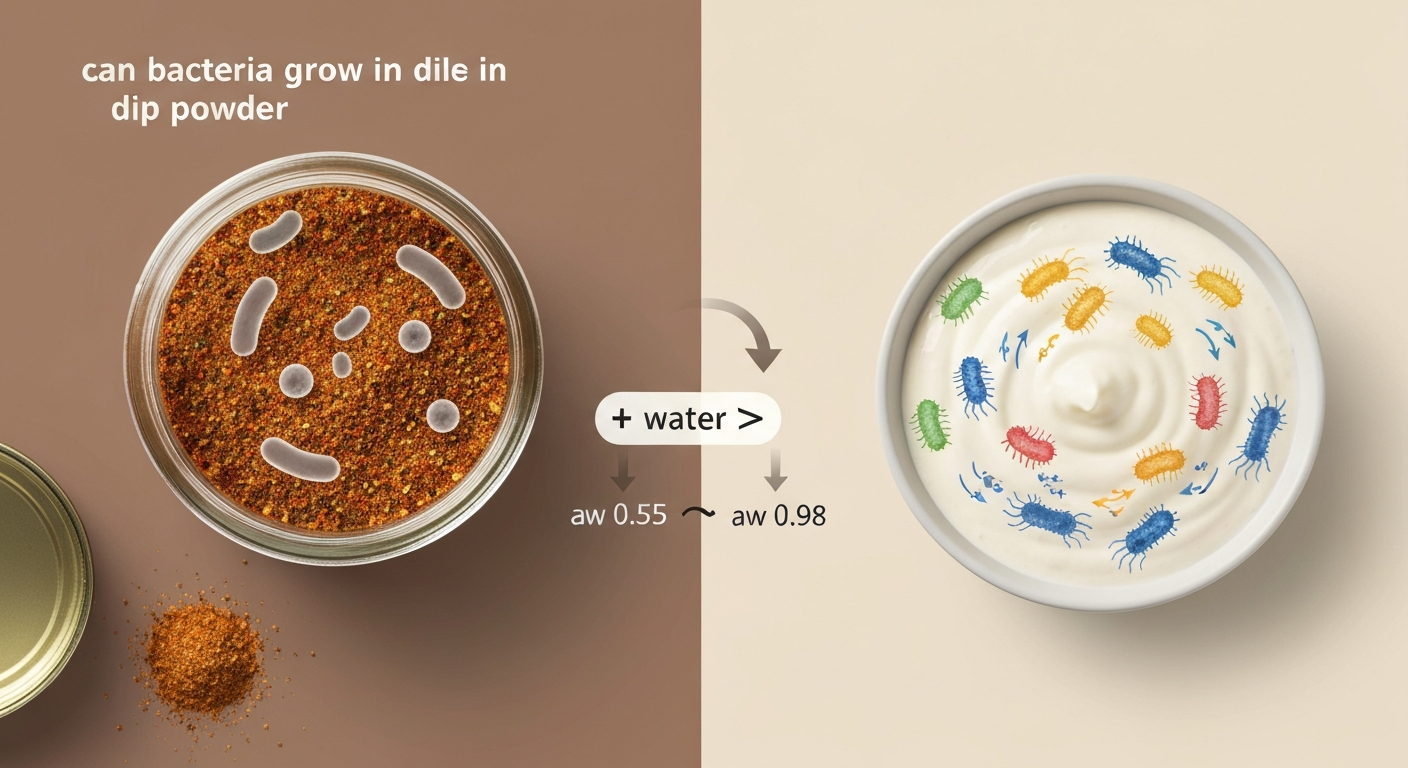
Botulism spores can absolutely exist in water, but the spores themselves won't make you sick. For actual toxin production to happen, Clostridium botulinum needs more than just water. It needs a near-zero oxygen environment, a non-acidic pH above 4. This means the spores grow best in an environment that stays near zero in oxygen, has a non-acidic pH above 4, includes nutrients, and remains within a warm temperature range ana near-zero oxygen environment. 6, nutrients to feed on, and a temperature somewhere between 37°F and 99°F (3°C to 37°C). Plain water, straight from a tap or bottle you're actively drinking from, almost never meets all those requirements at once. The real risk shows up when conditions inside a container start to shift: sealed headspace, organic residue, stagnant warmth, and time. That's when it gets worth thinking about.
Can Botulism Grow in Water Bottles? Conditions and Safety

Spores surviving in water vs. actually growing and making toxin
This is the most important distinction to understand. C. botulinum spores are found broadly in the environment, including in soil, river sediment, and seawater. Spores can be present in water without any harm resulting, because spores are dormant. They are not producing toxin. They're just sitting there, waiting for conditions to turn favorable.
For those spores to germinate, grow into vegetative cells, and start secreting botulinum neurotoxin, a specific set of conditions must all be met simultaneously. The WHO and CDC are both clear on this: it's the germination and growth stage, not spore presence alone, that creates the danger. A glass of tap water with spores in it is not the same threat as a sealed, low-oxygen container with organic material and spores in it.
Well water is worth a separate mention here. There are documented cases of infant botulism associated with untreated well water, and at least one case from Japan where contaminated water was linked to C. botulinum exposure. In those situations, the route wasn't toxin production in the water itself, it was spore ingestion followed by germination inside the infant's gut. Infants are uniquely vulnerable because their gut microbiome isn't yet established enough to compete with C. botulinum. Adults with a healthy gut aren't at the same risk from swallowing spores.
What C. botulinum actually needs to grow and produce toxin
Think of these as a checklist. All of the following need to be present at the same time for toxin production to occur.
| Condition | Requirement for Growth and Toxin Production | Plain Water Status |
|---|---|---|
| Oxygen level | Anaerobic (less than ~1% oxygen; ideally near zero) | Usually fails — open or partially open containers have oxygen present |
| Temperature | Between 37°F–99°F (3°C–37°C); optimum around 37°C | Depends on storage conditions |
| pH (acidity) | Above 4.6 (not acidic enough to inhibit growth) | Usually passes — plain water is close to neutral pH 7 |
| Water activity (aw) | Above 0.93 (high moisture) | Passes — water is aw 1.0 |
| Nutrients / organic substrate | Proteins, carbohydrates, or other organic material needed | Usually fails — pure water has no nutrients |
The two factors that kill most real-world botulism risk in plain water are the lack of nutrients and the presence of oxygen. Botulinum toxin production requires anaerobic conditions, with research showing outgrowth and toxin formation occurring at roughly 1% oxygen or less. USDA FSIS also notes that botulinum toxin is produced when conditions allow growth under anaerobic, low-oxygen conditions, and that boiling destroys non-spore forms while spores are heat resistant Botulinum toxin production requires anaerobic conditions. And even when oxygen is low, C. botulinum won't grow without something to eat. Pure water provides neither a food source nor reliable anaerobiosis, which is why botulism from plain drinking water is extremely rare.
Temperature and pH, by contrast, are often the easy boxes to check. Temperature also matters, so the question of whether clostridium botulinum can grow in cold temperatures is a key part of assessing risk can clostridium botulinum grow in cold temperatures. Most stored water is at a permissive pH and temperature. The barriers are nutrients and oxygen, and both of those can erode inside a real container over time.
How a water bottle can change the equation
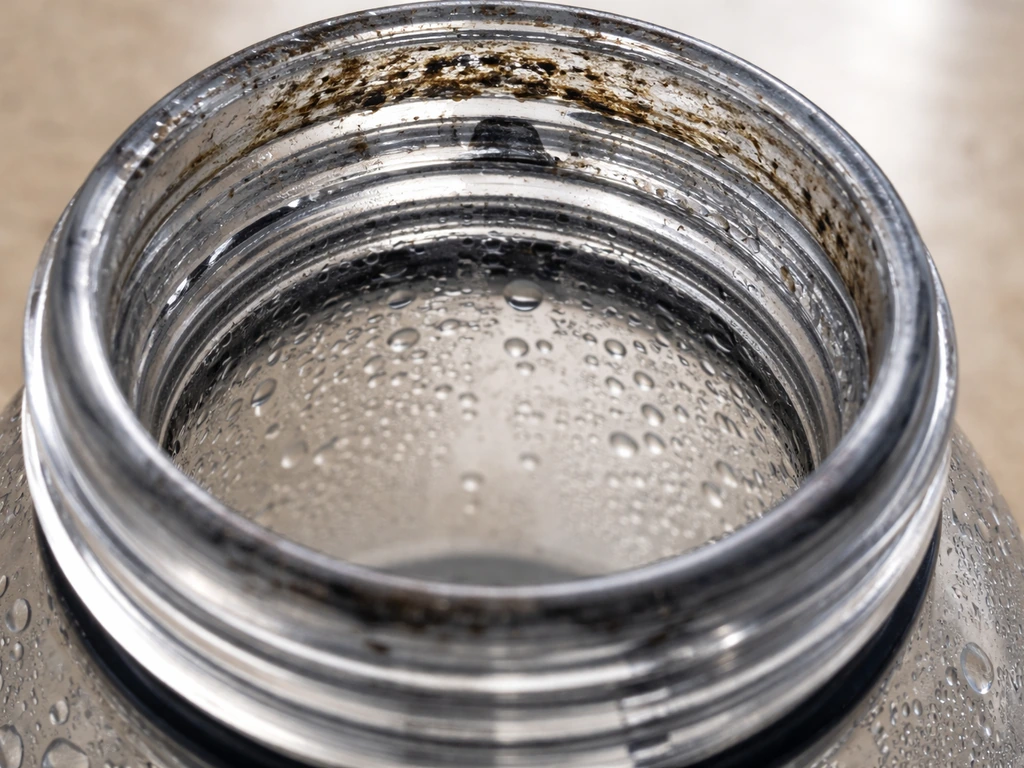
A water bottle seems simple, but a few habits and storage conditions can gradually shift it from "safe open water" toward something more conducive to microbial growth in general, and in theory toward conditions C. botulinum prefers.
- Backwash and mouth contact: Every sip from a bottle introduces oral bacteria, food particles, saliva proteins, and sugars. These organic residues are nutrients. A bottle that's been sipped from repeatedly isn't holding pure water anymore.
- Tight sealing and reduced headspace oxygen: A screwed-down lid on a nearly full bottle with minimal headspace reduces available oxygen. This doesn't make it fully anaerobic, but it moves in that direction, especially over days to weeks.
- Warm storage: A bottle left in a hot car, a gym bag, or direct sunlight can reach temperatures well within C. botulinum's growth range (up to 37°C). Combined with other factors, warmth accelerates any microbial activity.
- Stagnant water, long storage: Water that sits undisturbed for extended periods doesn't get the oxygen refresh that comes from regular movement and use. The longer it sits sealed, the more oxygen in the headspace gets consumed by any microbes already present.
- Residue buildup in crevices: Valves, straws, silicone seals, and threaded caps trap organic material and are hard to clean thoroughly. That residue provides both nutrients and protected microenvironments.
The CDC investigated a botulism outbreak linked to commercially bottled carrot juice, where the critical question was whether toxin-producing growth had occurred in the sealed product under its specific conditions. The point isn't that juice equals water, it's that sealed container conditions matter as much as the liquid inside. Water bottles don't contain nutrients the way carrot juice does, but a well-used bottle with residue is not the same as a freshly filled container of pure water.
Can botulism actually grow in your water bottle? Realistic risk scenarios
For most people in most situations, the practical risk of botulism growing in a water bottle is very low. If you're wondering about sugar specifically, it's the same idea: sugar can add food to help conditions become more favorable, so risk depends on whether other requirements are met can botulism grow in sugar. But "very low" isn't the same as zero, and the risk goes up as more of that conditions checklist gets met. Here's how to think about specific scenarios.
Low risk: routine daily use
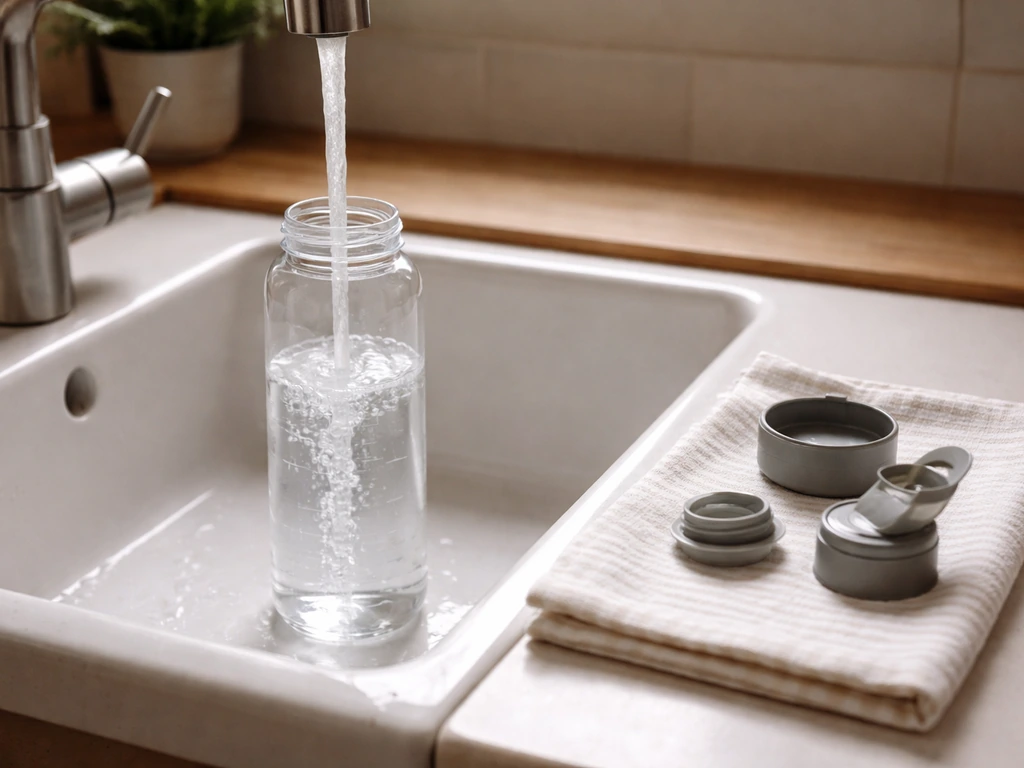
A bottle you fill, drink from throughout the day, and wash each evening presents minimal botulism risk. p17s0: A water bottle you fill, drink from throughout the day, and wash each evening presents minimal botulism risk can botulism grow in plastic containers. Oxygen is present, the bottle isn't stagnant, you're washing out residue regularly, and there's no extended warm storage. The contamination risk here is other bacteria, not C. botulinum specifically.
Moderate concern: bottle sitting filled for days to weeks
A bottle filled with water, sealed, left in a warm space (like a car or outdoor bag), and not touched for a week or more is more concerning. If it's been sipped from before storage, there's organic residue inside. The headspace oxygen may be reduced. Temperature could be permissive. This isn't a guaranteed botulism scenario, but it checks more boxes than daily-use does. If this describes a bottle you've found and are considering drinking from, don't drink it without cleaning it first.
Higher concern: sealed bottle with added ingredients
Adding juice, protein powder, sports drink mix, or any organic material to a water bottle and then letting it sit sealed in warm conditions pushes the risk profile significantly higher. Now you have nutrients, potential anaerobiosis from the seal, and warmth. This is still not the same risk as, say, improperly home-canned low-acid vegetables, but it's no longer just water. CDC prevention materials highlight low-acid home-canned foods as a common cause of botulism outbreaks and explain that boiling-water canning methods are not sufficient for low-acid foods because the spores survive ordinary boiling improper home-canned low-acid vegetables. In the same way, botulism is a concern in salt brine only when conditions favor toxin-producing growth rather than just the presence of spores can botulism grow in salt brine. Discard the contents of any such bottle that has been stored warm and unsealed for more than a day or two without refrigeration.
Special case: infants and untreated water sources
If you're preparing water for an infant, especially from a private well or untreated source, the concern shifts from toxin production in the bottle to spore ingestion. Infants under 12 months should not be given honey (a well-known botulism risk), and if your water source is a private well, it may be worth having it tested and using boiled or filtered water for infant consumption. This is a different mechanism than the "growth in the bottle" question, but it's worth knowing.
When to discard vs. clean and reuse your water bottle
In most cases, a well-used water bottle doesn't need to be thrown away. It needs to be cleaned properly. But there are situations where discarding is the right call.
Discard the bottle if:
- There is visible mold growth inside the bottle, lid, valve, or straw that you cannot fully access to clean
- The bottle has a foul or "off" smell that doesn't go away after thorough washing
- The silicone seal, straw, or valve is cracked, pitted, or permanently discolored in ways that trap residue you cannot remove
- The bottle was left sealed with a nutrient-containing drink (not plain water) in a hot environment for multiple days and was never refrigerated
Clean and sanitize if:
For most situations where you're just being cautious, a proper clean followed by sanitizing is sufficient. Here's how to do it right.
- Disassemble completely: Remove the lid, straw, valve, silicone seal, and any other removable parts. You cannot clean what you can't reach.
- Wash with hot soapy water: Use dish soap and hot water, scrubbing all interior surfaces, threads, and crevices with a bottle brush. This step removes the organic residue that any pathogen would need as a food source. Cleaning before sanitizing is not optional — sanitizers don't work well on dirty surfaces.
- Rinse thoroughly: Make sure no soap residue remains.
- Sanitize with a dilute bleach solution: The CDC recommends approximately 5 mL (1 teaspoon) of unscented chlorine bleach per 1 liter of water for safe water storage container sanitization. Fill the bottle with this solution, make sure it contacts all surfaces including the lid and parts, and let it sit for at least 1 minute.
- Air dry completely: Do not towel dry. Invert the bottle and all parts on a clean rack and let them air dry fully before reassembly. Moisture left inside encourages microbial growth.
- Note on boiling: Boiling water destroys vegetative C. botulinum cells and deactivates the toxin, but it does not reliably destroy spores. Boiling your bottle's contents before discarding them is a reasonable precaution; boiling the bottle itself is generally not practical and isn't necessary if you sanitize properly.
Symptoms of botulism and when to get medical help

Botulism is a medical emergency. If you think you or someone else may have been exposed to botulinum toxin, do not wait to see if symptoms improve on their own. Go to the emergency room.
Symptoms of foodborne botulism typically appear 12 to 36 hours after consuming contaminated food or drink, though the range can be anywhere from a few hours to 10 days. The key symptoms to watch for are neurological and descending, meaning they start from the head and move downward.
- Double vision or blurred vision
- Drooping eyelids
- Difficulty swallowing or speaking (slurred speech, hoarse voice)
- Dry mouth
- Muscle weakness that progresses from the head downward toward the arms, torso, and legs
- Difficulty breathing (this is the life-threatening stage)
Botulism does not typically cause fever. It can be confused with stroke or Guillain-Barré syndrome. If you have any combination of the above symptoms after consuming food or drink you're unsure about, tell the emergency team exactly what you ate or drank and when. Antitoxin is most effective when given early. If a clinician suspects botulism, they should contact the state health department, which can facilitate antitoxin release and expert consultation.
For context on overall risk: botulism is rare, and foodborne botulism from plain water in a typical water bottle is extremely uncommon. The scenarios where C. botulinum would have everything it needs to produce toxin in a container of water are specific and require a real combination of factors. Understanding those conditions, which this article has laid out, is the most practical tool you have for assessing any specific situation you're facing. If you are wondering about can botulism grow in peanut butter, the same idea applies: the key is whether conditions allow toxin-producing growth.
FAQ
Does the presence of botulism spores in water automatically mean the water is dangerous?
No. Botulism risk is about whether toxin-producing growth happens, not whether spores are present. Spores can be in water without causing illness, especially when oxygen is present and nutrients are absent.
If I left a water bottle in a warm place, should I throw it away or just wash it?
More than likely, yes. If the bottle was warm for a day or more and held organic residue (for example, from sips, juice, protein shake, or sports drink), discard it. If it was used daily and cleaned regularly, the risk is much lower, and thorough washing is usually enough.
Can I boil or heat water to prevent botulism risk from a stored bottle?
Boiling is not a reliable way to make a questionable bottle “safe.” Even if boiling kills bacteria or inactivates some organisms, botulinum toxin safety depends on whether toxin was already produced, and you cannot confirm toxin absence just by heating the liquid at home.
Is botulism risk different with plastic versus glass or stainless bottles?
Switching to a different bottle type does not remove the risk by itself. The key drivers are oxygen exposure, residue, warmth, and time. Plastic, stainless steel, and glass can all accumulate residue if not cleaned, but daily rinsing and washing reduce risk substantially.
How does adding juice, soda, sugar, or protein powder change the risk?
Yes, juice and mixes can raise risk because they provide nutrients that spores can use. Combined with a sealed container and warm storage, that moves conditions closer to what C. botulinum needs for toxin-producing growth.
What is the best way to clean a bottle so it is safe from botulism specifically?
Bleach or vinegar cleaning is mainly a general hygiene step, not a guarantee against botulinum toxin. If a bottle’s storage conditions were concerning (warm, sealed, left for a long time, with residue), discarding is the safer decision rather than relying on cleaning chemistry alone.
How can I tell if a bottle is unsafe, and can I decide by taste or odor?
If a bottle was sealed with warm storage and you suspect it had residue or an added organic ingredient, treat it as uncertain and discard it rather than taste-testing. You cannot detect botulinum toxin by smell, appearance, or taste.
Is it safe to use well water from a bottle for making formula for an infant?
For infants under 12 months, the concern is different: spore ingestion and germination in the gut. If using private well or untreated water for infants, consider using boiled water or a safer alternative approach and discuss testing with a clinician or local public health guidance.
Is there a specific time limit for how long a warm bottled drink is “safe”?
There is no single time-and-temperature rule that makes it always safe, but leaving a sealed bottle warm for a day or more increases concern, especially if it has residue or added nutrients. When the conditions checklist is more complete, risk rises quickly, so err on the side of discarding.
What should I do medically if I suspect botulism from something I drank from a bottle?
If someone develops symptoms consistent with botulism after possible exposure, do not wait. Symptoms often include weakness and downward progressing neurological signs, and botulinum antitoxin is most effective when given early, with clinicians coordinating through public health.
Can Bacteria Grow in Dip Powder? Risks, Limits & Controls
Can bacteria grow in dip powder or rehydrated dips? Evidence-based growth limits, contamination routes, testing and safe