Yes, Clostridium botulinum can grow and produce toxin at refrigerator temperatures, but only certain strains can do it, and only under specific conditions. The non-proteolytic (Group II) strains are the ones to know about here. blank" rel="noopener noreferrer">They can form botulinum toxin at temperatures as low as 3°C (about 37°F), which puts them firmly within the range of a typical home refrigerator. Proteolytic (Group I) strains need warmer conditions, with a minimum of around 10°C for growth and toxin production. So refrigeration is not a universal safety guarantee against botulism, though it does significantly reduce the overall risk when temperatures are properly maintained.
Can Clostridium botulinum Grow in Cold Temperatures?

Marcus Reeves
6 Jul 2026
What 'cold temperatures' actually means for C. botulinum
When most people say 'cold,' they mean refrigerator temperatures, roughly 0°C to 5°C (32°F to 41°F). That range sits right at the boundary of what non-proteolytic C. botulinum can tolerate for growth. Research documents minimum growth temperatures of about 2.5°C to 3.3°C for these strains, meaning a refrigerator running at 4°C is technically within the zone where toxin formation is physiologically possible, though it happens slowly. True cold, meaning freezer temperatures at or below 0°C, stops growth entirely. Spores survive freezing just fine, but active growth and toxin production require liquid water and temperatures above that threshold. In general, these spores grow well in environments that provide liquid water plus permissive temperature, oxygen level, and other “hurdle” conditions requires liquid water and temperatures above that threshold.
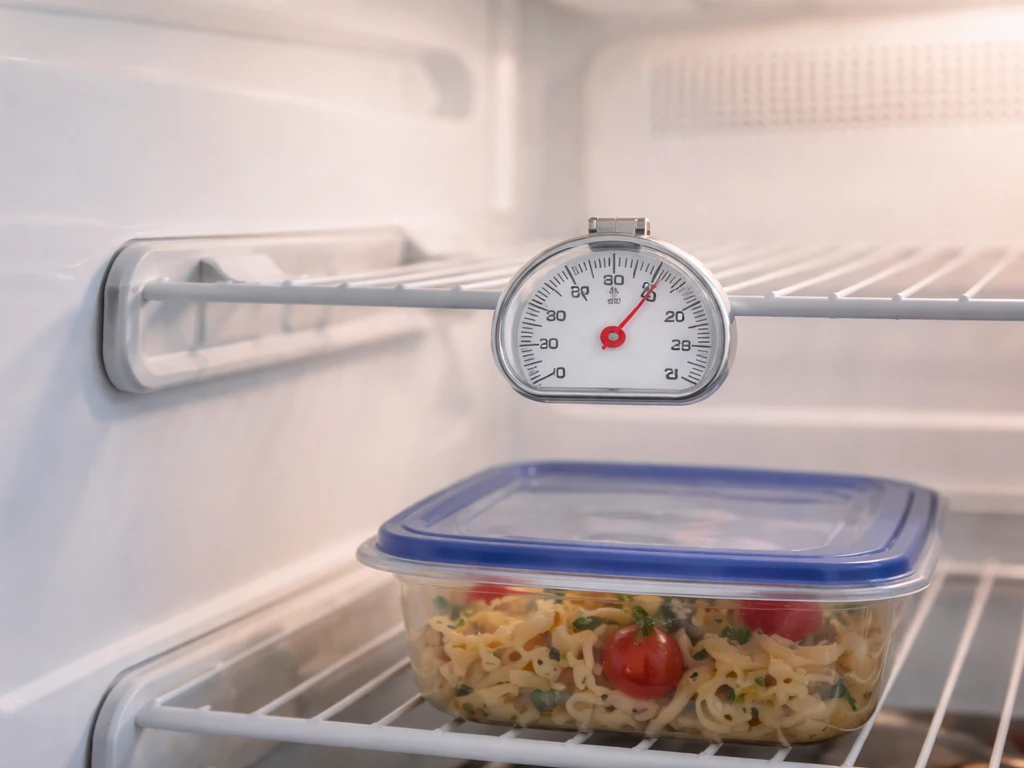
The U.S. FDA recommends keeping refrigerators at or below 40°F (4.4°C). That recommendation is designed for general food safety, and for most bacteria it works well. For non-proteolytic C. botulinum, though, the margin is slim. A refrigerator that fluctuates or runs slightly warm is less of a barrier than most people assume. The EFSA's 2025 scientific risk assessment on vacuum-packed and modified-atmosphere foods specifically flags Group II strains as capable of toxin production at 3°C to 4°C, a range that overlaps with normal refrigeration.
Growth vs. spore survival: where the confusion comes from
C. botulinum exists in two very different states: the active vegetative cell that grows and makes toxin, and the dormant spore that can survive almost anything. Spores are extraordinarily tough. They survive boiling (100°C), freezing, drying, and most household disinfectants. The danger is not the spore itself but what happens when conditions allow the spore to germinate into an active cell.
The FDA's Bacteriological Analytical Manual (BAM) makes this point clearly: a food that contains viable C. botulinum spores is not automatically capable of causing botulism. Toxin production requires active bacterial growth, and that requires the right combination of temperature, oxygen levels, pH, and water activity all being permissive at the same time. Spores sitting in properly acidified, high-salt, or frozen food are essentially in a holding pattern, not a threat. Salt brine can be a helpful hurdle, but it has to be strong enough and paired with appropriate temperature to prevent botulinum toxin formation. The problem arises when those protective conditions are absent or compromised.
A lot of consumer confusion comes from conflating spore survival with toxin risk. Someone reads that botulism spores can survive cooking or freezing, assumes the food is dangerous, and panics. In reality, the spore itself doesn't hurt anyone. Toxin does. And toxin requires growth, which requires conditions beyond just spore presence.
Minimum and optimum temperatures for growth and toxin production
The two main groups of C. botulinum have very different temperature profiles, and knowing which group is relevant to your situation matters a lot.
| Parameter | Group I (Proteolytic) | Group II (Non-Proteolytic) |
|---|---|---|
| Strains included | Types A, B, F (proteolytic) | Types B, E, F (non-proteolytic) |
| Minimum growth temperature | ~10°C (50°F) | ~2.5–3.3°C (37–38°F) |
| Optimum growth temperature | ~35–40°C (95–104°F) | ~18–25°C (64–77°F) |
| Minimum for toxin production | ~10°C (50°F) | ~3–4°C (37–39°F) |
| Associated food contexts | Low-acid canned goods, meats, vegetables | Refrigerated seafood, vacuum-packed foods, fermented fish |
| Salt tolerance (minimum aw) | ~0.94 (proteolytic A/B) | Lower tolerance (inhibited at lower salt levels) |
Group I strains are typically the concern in improperly home-canned foods left at room temperature. Group II strains are the refrigerator concern. Type E, which is found heavily in aquatic environments and is common in fish and seafood, is almost always non-proteolytic and can produce toxin at 3.3°C. This is why refrigerated, vacuum-packed smoked fish is one of the most cited real-world risk products for cold-temperature botulism. Plastic containers can reduce oxygen exposure, but they do not prevent botulinum toxin formation if temperature and other conditions allow growth can botulism grow in plastic containers.
Oxygen, pH, and water activity: the other conditions that must be right
Temperature is just one piece of the puzzle. C. botulinum is an anaerobe, meaning it grows when oxygen is absent or very low. That's why canned goods, vacuum-sealed packages, and oil-packed preparations carry specific risk. When you remove oxygen from the equation, you remove one of the main barriers. USDA FSIS explains this directly: the canning process itself creates the low-oxygen environment that can allow spores to germinate if thermal processing is inadequate. The same logic applies to vacuum-sealed bags, sous vide pouches, and modified-atmosphere packaging.
pH is a critical hurdle. Proteolytic C. botulinum generally won't grow or produce toxin below pH 4.6. That's why properly acidified pickles, canned tomatoes with added acid, and fermented products with genuine pH drops below 4.6 are considered safe from a botulism standpoint. The ACMSF (UK Advisory Committee on the Microbiological Safety of Food) sets pH 4.6 as the threshold below which growth and toxin production are considered inhibited under otherwise optimal conditions. Non-proteolytic strains have broadly similar acid sensitivity, though their interactions with other hurdles can be slightly different.
Water activity (aw) is the measure of free, available water in a food. C. botulinum needs sufficient free water to grow. Proteolytic strains require an aw of at least 0.94, while non-proteolytic strains have lower salt tolerance and are inhibited at somewhat lower aw levels. High-sugar and high-salt foods work as preservatives partly by reducing aw below the growth threshold, which is relevant to topics like botulism risk in salt brines or sugar-based preparations. High-sugar foods can lower water activity, but that does not automatically rule out botulism risk if other conditions allow growth. But the exact inhibitory aw depends on which solute is reducing water activity, temperature, and pH simultaneously.
These factors don't work independently. They interact as a 'hurdle system.' A food at pH 5.0 with moderate salt and refrigeration temperature may be safe because all three partial barriers combine to prevent growth, even if none of them alone would be fully inhibitory. Conversely, a food that ticks only one safety box while allowing all other conditions to be permissive can still be dangerous.
Does refrigeration stop the risk? Practical scenarios for stored foods
Refrigeration slows growth dramatically, but it is not a complete stop for non-proteolytic strains. Here are the scenarios where this matters most in practice.
Vacuum-sealed and modified-atmosphere foods
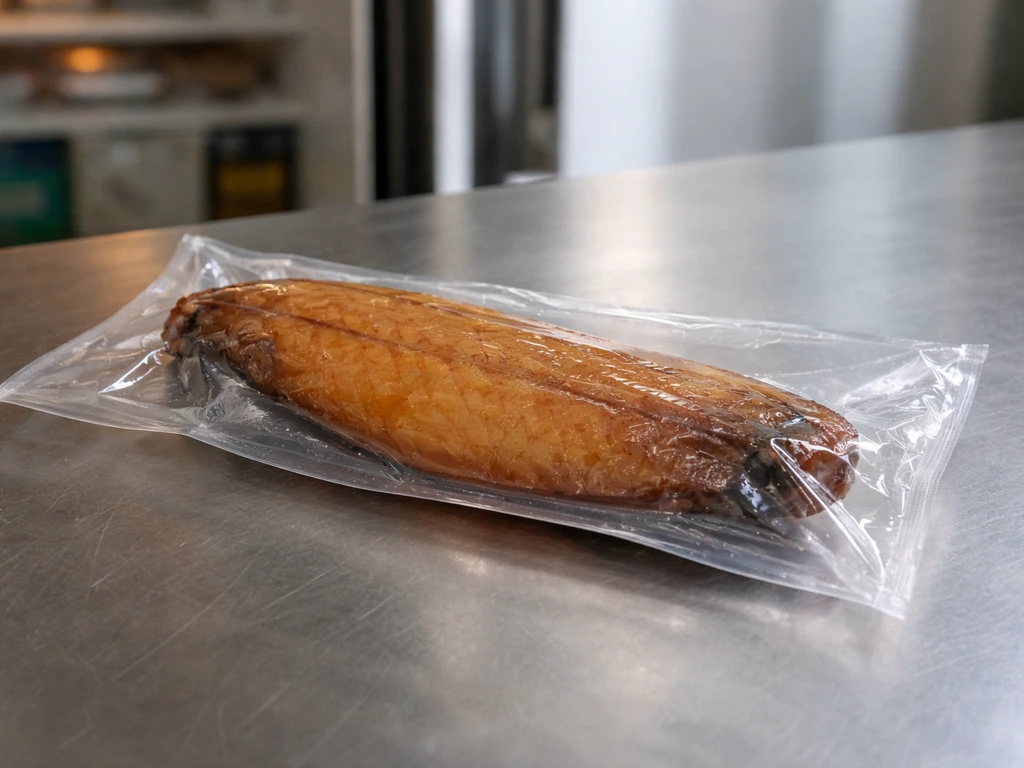
Refrigerated vacuum-packed seafood, especially smoked or cured fish, is the highest-profile real-world botulism risk at cold temperatures. The combination of low oxygen, cold but not freezing temperature, and a protein-rich food matrix is nearly ideal for non-proteolytic C. botulinum if the product is held too long or above the intended temperature. EFSA's 2025 risk assessment specifically flags this category. These products typically have a defined refrigerated shelf life that incorporates botulism risk modeling, and exceeding that date at anything warmer than the design temperature is a genuine concern.
Improperly home-canned foods kept cold
A common misconception is that putting home-canned food in the refrigerator neutralizes botulism risk. It doesn't, fully. If a jar of home-canned green beans was never properly pressure-processed, spores may have survived. At refrigerator temperatures the risk from proteolytic Group I strains is effectively zero because they need at least 10°C. But if the jar warms even briefly during a power outage, or sits on a shelf at room temperature before refrigeration, Group I strains become a concern. The CDC consistently notes that improperly home-canned low-acid vegetables and meats are among the most common causes of foodborne botulism outbreaks in the U.S.
Garlic-in-oil and herb-in-oil preparations
This is a well-documented risk scenario. Fresh garlic or herbs in oil create a low-acid, low-oxygen environment. If stored at room temperature, even briefly, conditions favor Group I C. botulinum growth. Refrigeration reduces but does not eliminate risk from non-proteolytic strains for extended storage. Commercial versions are acidified or have other preservatives. Homemade versions should be used immediately or frozen.
Leftovers and refrigerated cooked foods
Properly refrigerated leftovers in open containers present low botulism risk because oxygen is present. The concern increases if cooked meat or vegetable leftovers are stored in tightly sealed, oxygen-limiting containers for extended periods at borderline refrigerator temperatures. USDA FSIS guidance advises discarding leftovers left out at room temperature for more than two hours (or one hour if the ambient temperature is above 90°F). Once properly refrigerated, most leftovers should be consumed within three to four days.
Fermented foods
Lacto-fermented foods that have achieved a genuine pH drop below 4.6 are safe from C. botulinum growth. The problem is when fermentation is incomplete, or when someone attempts to ferment low-acid foods without adequate salt concentration and then refrigerates the product assuming it's protected. Cold temperatures slow fermentation, which can mean the food hasn't reached a safe pH before being considered 'done.' Measuring pH with a reliable meter (not just guessing from taste) matters.
How to reduce botulism risk in the kitchen
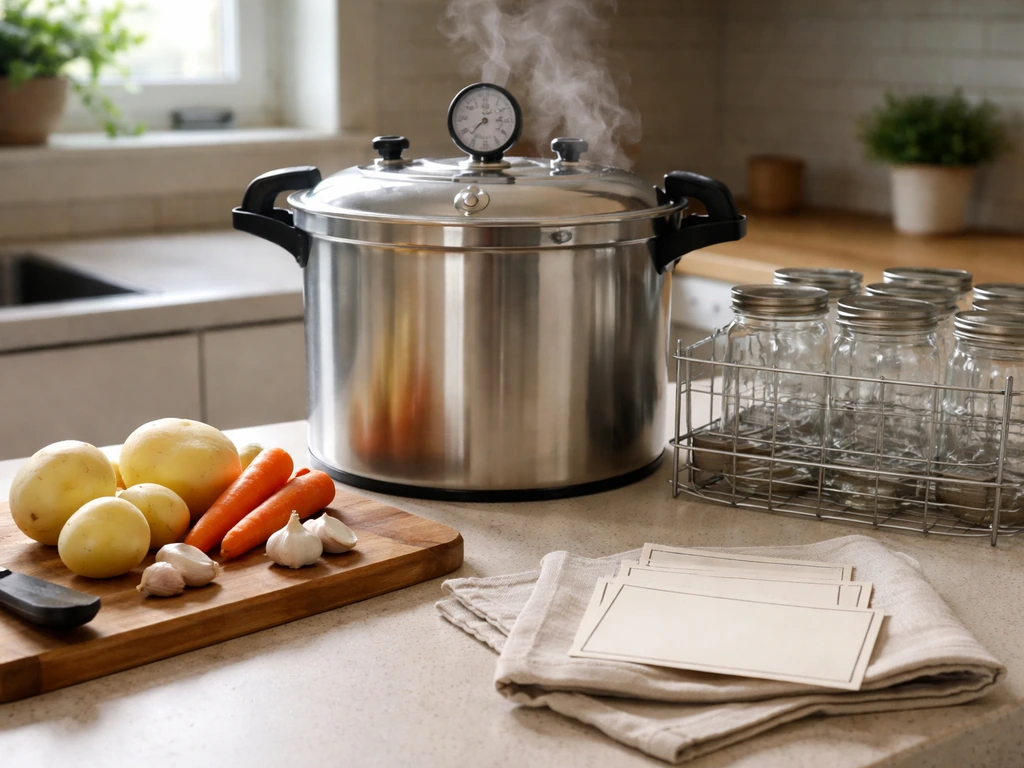
Most botulism risk in home kitchens is preventable with a few non-negotiable practices.
- Pressure-can all low-acid foods (vegetables, meats, fish) using tested recipes and proper equipment. Boiling-water bath canning is not sufficient to destroy C. botulinum spores in low-acid foods.
- Keep your refrigerator at or below 40°F (4.4°C) and verify this with a thermometer. Don't assume it's correct based on the dial setting.
- Don't store garlic-in-oil, herb-in-oil, or similar low-acid oil preparations at room temperature. Make them fresh, refrigerate and use within a week, or freeze them.
- For vacuum-sealed or sous vide refrigerated products, observe the manufacturer's shelf life dates. These dates are not arbitrary — they often incorporate botulism risk modeling for non-proteolytic strains.
- Freeze high-risk items (vacuum-packed fish, home-fermented products where you're uncertain of pH) if not using within a few days.
- When pH matters for safety, measure it. A pH meter is inexpensive and far more reliable than taste or color for fermentation safety.
- When in any doubt about a home-canned food, don't taste it. Discard it. As FDA guidance states plainly: if there's any doubt about the safety of a home-canned food, do not eat it.
- Reheat home-canned or suspect foods to an internal temperature of 85°C (185°F) for at least five minutes before eating, if you choose to heat rather than discard. Botulinum toxin is heat-labile and destroyed by proper cooking temperatures, though this does not address viable spores.
One thing worth knowing: you cannot detect botulinum toxin by smell, taste, or appearance. A food can look perfectly normal, smell fine, and taste unremarkable while containing lethal amounts of toxin. Gas production and swollen lids are warning signs in canned goods, but their absence does not mean safety. There is no reliable home test for botulinum toxin. If you're uncertain, discard.
If you're worried today: what to do and when to seek help
If you've eaten something you suspect may be a botulism risk, here is what actually matters right now. Botulism is a medical emergency, and symptoms such as blurred or double vision, trouble swallowing, and muscle weakness should prompt urgent medical care what actually matters right now.
- If you have any neurological symptoms — blurred or double vision, drooping eyelids, difficulty swallowing, slurred speech, muscle weakness, or difficulty breathing — seek emergency medical care immediately. Botulism can be fatal and progresses quickly. Don't wait to see if it gets better.
- Symptoms typically begin 12 to 36 hours after eating contaminated food, though onset can range from a few hours to several days depending on the amount of toxin ingested.
- If you suspect botulism exposure but have no symptoms yet, contact your local or state health department or poison control center (in the U.S., call 1-800-222-1222) for guidance. Antitoxin is most effective when given early.
- If others ate the same food, contact them immediately and advise them to monitor for symptoms and seek care if any appear.
- Do not discard the suspected food until public health officials have had a chance to test it. Seal it, label it, and refrigerate or freeze it. Laboratory testing can confirm botulinum toxin, but this is done through public health labs, not consumer testing services.
- If the food came from a commercial product, report it to the FDA (1-866-300-4374) or USDA FSIS (1-888-674-6854) depending on the product type. This helps prevent others from being harmed.
For non-emergency food safety questions about specific products, the FDA and USDA both have consumer hotlines and online resources. If you're a food safety professional assessing a process or formulation, HACCP-based evaluation with reference to FDA's Fish and Fishery Products Hazards and Controls guidance or EFSA's 2025 botulism risk assessment will give you the quantitative framework for specific product categories, including the interaction of temperature with pH, aw, and packaging atmosphere.
The bottom line: cold temperatures reduce botulism risk significantly but don't eliminate it, especially for non-proteolytic strains in low-oxygen, low-acid refrigerated foods. The full safety picture depends on temperature working together with pH, water activity, and oxygen control. Understanding which factors apply to your specific food situation is what makes the difference between genuine safety and a false sense of security.
FAQ
If my refrigerator is set to 4°C, is that always safe against botulism?
Yes, but only if the product is designed and handled to keep the “hurdle” conditions from ever becoming permissive. For non-proteolytic (Group II) strains, refrigerator temperatures around 3°C to 4°C can still allow slow toxin formation in oxygen-limited, low-acid foods. If any of your refrigeration setup is unreliable, such as a warm refrigerator, frequent door openings, or a power outage, assume risk increases even if the food stayed “mostly cold.”
Does freezing a botulism-risk food make it safe?
Freezer storage stops growth, but it does not destroy the spores. If the food is later thawed and the temperature lingers in the refrigerator “danger overlap” while oxygen is low and pH and salt are not strongly inhibitory, spores that germinate could produce toxin. Practical approach, thaw in the refrigerator but finish quickly, and do not treat thawed, vacuum-packed or oil-packed foods as automatically safe just because they were frozen earlier.
If I open a vacuum-sealed package, do I eliminate botulism risk?
Oxygen exposure usually makes botulinum toxin risk much lower because C. botulinum is an anaerobe. However, oxygen-limiting packaging still matters even if you later open the package. If you transfer food to an airtight container, leave it at borderline-cold temperatures for extended periods, or re-vacuum seal, you are recreating conditions that can allow growth for non-proteolytic strains.
How can I tell if refrigerated vacuum-packed fish is unsafe?
Not necessarily. “Smells normal” and “looks fine” do not rule out toxin, and there is no reliable home test for botulinum toxin. Use packaging cues carefully, bulging or leaking is a red flag, but absence of those signs does not confirm safety. If the food was stored longer than the refrigerated shelf life for its product type, discard instead of taste-testing.
What should I do if I’m past the “use by” date on refrigerated smoked or cured fish?
The refrigerator shelf-life label is not just about general spoilage. It is often based on modeling that accounts for slow botulism risk at cold temperatures. If you exceed the stated date, or you suspect the cold chain was interrupted, treat it as a botulism-risk item rather than assuming the date just covers “quality.”
If my homemade ferment tastes sour, is it automatically safe from botulism?
pH is most relevant when it drops below about 4.6, but you cannot assume pH from flavor or guesswork. Fermented or homemade low-acid foods can be risky if fermentation is incomplete, especially when refrigerated too early. For higher-risk projects, measure pH with a calibrated meter and verify that the finished product truly reached the inhibitory pH before you rely on refrigeration.
Is refrigerated garlic or herbs in oil safe?
Extended storage in oil, or other low-acid preparations, is risky mainly when the environment becomes low-oxygen and the product is not strongly preserved. Refrigeration slows growth, but it does not guarantee safety, especially if the pH is not reduced and salt is insufficient. A practical safeguard is to follow a validated recipe, use correct salt levels, and avoid “just-in-oil, refrigerate later” methods for fresh low-acid ingredients.
What if there was a power outage, but I put everything back in the fridge afterwards?
Power outages and temperature swings are a common failure point because the margin for Group II strains is slim at refrigerator temperatures. If you can document that the refrigerator stayed at or below about 4.4°C (40°F) consistently, risk may be lower, but if the temperature drifted upward for hours, treat oxygen-limited, low-acid foods as suspect. When in doubt with vacuum-packed refrigerated foods, discard rather than re-chill and hope.
If I home-canned something but refrigerated it later, does that fix under-processing?
Yes, certain home processes can create the same low-oxygen, low-acid, water-containing conditions that make botulism possible. A frequent mistake is under-processing low-acid home-canned foods, or using a canning method without the required pressure treatment. Even if you later refrigerate, spores may survive and can become a concern if the jar warms before or during refrigeration.
Are airtight leftovers in the fridge a botulism risk?
Tightly sealed leftovers can increase risk if they create oxygen-limited conditions and if the refrigerator temperature is borderline. Open containers generally allow more oxygen and therefore reduce risk, while long storage in airtight containers can allow conditions to line up for slow growth in non-proteolytic strains. Keep leftovers in the refrigerator, avoid extended storage of high-risk items, and do not “save” suspiciously stored foods just by re-heating.
Next Article
Can Botulism Grow in Peanut Butter? Safety Answer and Checklist
Yes, but unlikely: learn when botulinum toxin can form in peanut butter, key storage factors, and a discard checklist.