Botulism cannot grow in commercially made soda under normal conditions. The pH of most carbonated soft drinks sits between 2.5 and 4.0, and Clostridium botulinum cannot grow or produce toxin below a pH of 4.6. That acidity alone is enough to shut down any realistic risk, and soda stacks several other barriers on top of it: carbonation, preservatives, and in many cases high sugar content. If you're worried about a can or bottle you already have, the practical answer is that standard commercial soda is not a botulism risk.
Can Botulism Grow in Soda? Risk, Conditions, and Safety

Marcus Reeves
31 May 2026
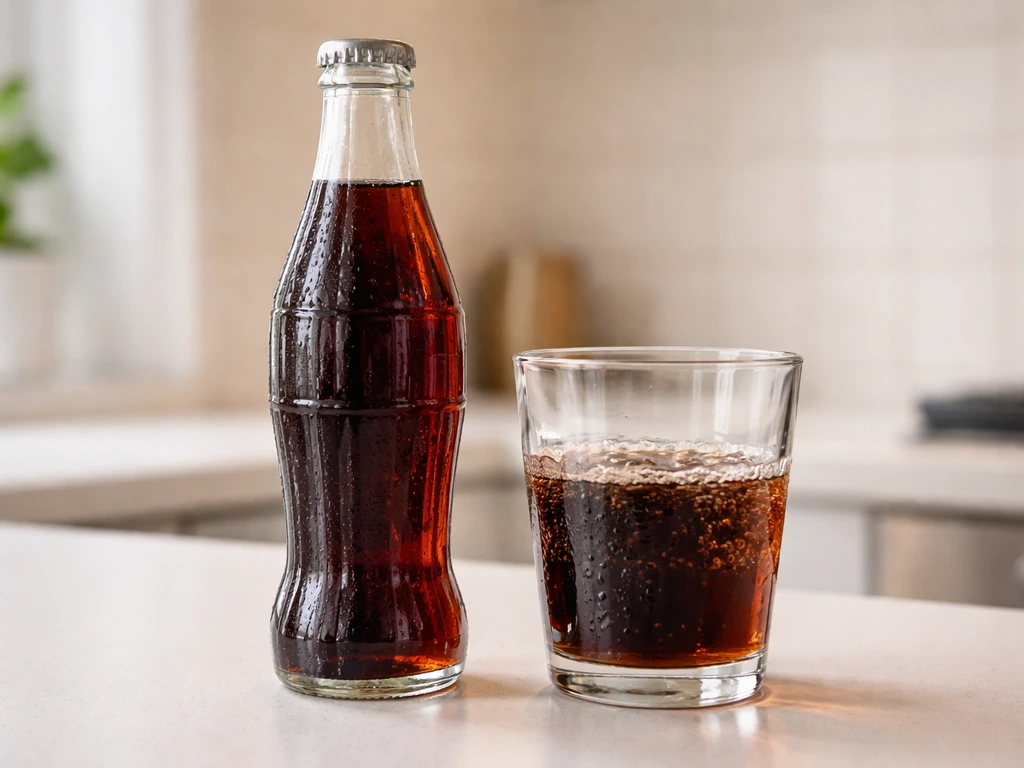
Why botulism almost never happens in drinks
Botulism is strongly associated with improperly home-canned vegetables, fermented foods, and certain preserved meats, not beverages. The reason comes down to the specific combination of conditions C. botulinum needs. Drinks, especially carbonated ones, are almost universally acidic, and most also contain dissolved CO2 that inhibits microbial activity. Commercial beverages go through sanitation controls during production, and the formula itself is designed to be shelf-stable. That's a very different environment from a jar of home-canned green beans sitting at room temperature.
Even beverages that don't seem particularly acidic, like some sparkling waters or lightly flavored seltzers, still tend to have CO2 levels and ingredient profiles that make them hostile to C. botulinum. The risk profile for drinks is genuinely much lower than for solid foods, and this holds true whether you're thinking about commercially bottled soda or canned beverages from a major producer.
What botulism actually needs to grow
C. botulinum spores are found almost everywhere in soil and the environment. The spores themselves aren't dangerous until they germinate and the bacteria start producing toxin. That only happens under a very specific set of conditions that have to be present at the same time.
- Anaerobic (oxygen-free or very low oxygen) environment: C. botulinum is an obligate anaerobe, meaning it cannot grow in the presence of meaningful oxygen.
- pH above 4.6: Growth and toxin production are blocked at pH 4.6 or below. This is the critical threshold used in food safety regulations.
- Temperature between roughly 37°F and 99°F (3°C to 37°C) for most strains, though some non-proteolytic (psychrotrophic) strains can grow at temperatures as low as 2.5°C.
- Available water: Low water activity (aw) inhibits growth. High sugar concentrations, for example, reduce aw and act as a barrier.
- Sufficient nutrients: The bacteria need available nutrients to germinate and produce toxin.
- Absence of competing preservatives: Benzoic acid, sorbic acid, and similar preservatives used in commercial beverages suppress microbial growth.
All of these conditions have to line up simultaneously. Remove even one of them, and growth or toxin production is blocked. This hurdle concept is central to understanding why soda is such an unfavorable environment.
How soda's chemistry blocks botulism growth
Commercial soda doesn't just have one barrier against C. botulinum, it has several working at the same time. Understanding each one helps clarify exactly why the risk is so low.
pH: the most important barrier
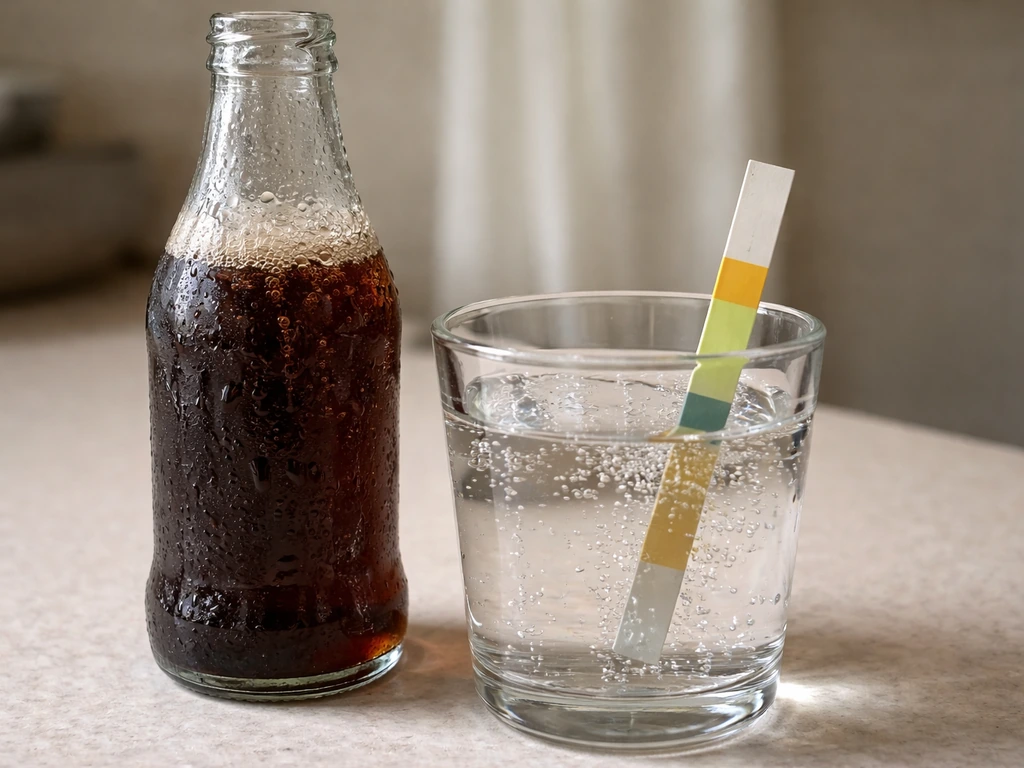
Most carbonated soft drinks have a pH between 2.5 and 4.0. Colas and ginger ales commonly fall in the 2.5 to 3.1 range. The USDA standard is clear: C. botulinum cannot grow below a pH of 4.6. A typical cola is roughly 50 times more acidic than that threshold. Even softer drinks on the higher end of the soda pH spectrum still typically come in well below 4.6. This single factor disqualifies standard soda as a botulism growth medium.
Carbonation and dissolved CO2
Carbonation contributes to microbial inhibition in two ways. First, CO2 dissolved in the liquid contributes to the low pH (forming carbonic acid). Second, CO2 at the volumes used in commercial soda (roughly 2.0 to 4.0 volumes of CO2) has a direct antimicrobial effect. Research on carbonated soft drink microbiology identifies CO2 level as one of the major barriers to microbial stability alongside pH and preservatives. That said, CO2 creates a low-oxygen headspace, so it does produce an anaerobic-like environment inside a sealed container. The key point is that the anaerobic condition created by carbonation is still paired with pH levels that prevent C. botulinum from acting on it.
Preservatives
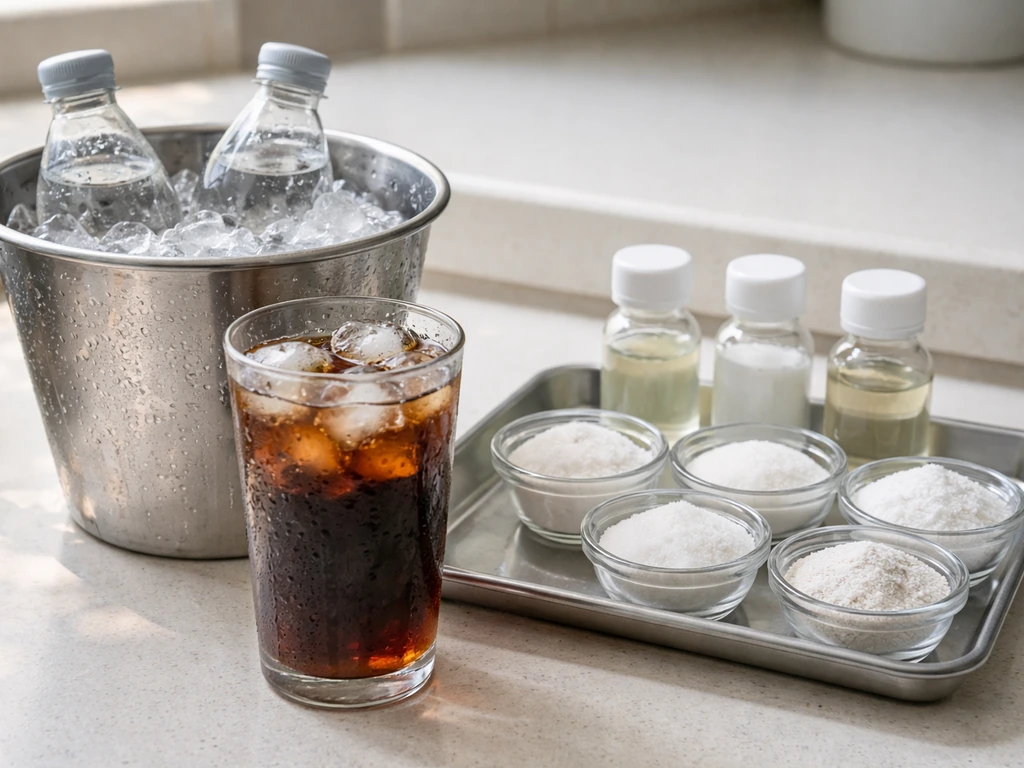
Many commercial sodas contain sodium benzoate, potassium benzoate, or potassium sorbate. These preservatives inhibit microbial growth, including bacterial growth, and add another layer of protection on top of the pH and CO2 barriers. The FDA also describes that some carbonated soft drink formulations use preservatives, including benzoate systems, to help inhibit microbial growth preservatives such as benzoate systems used in some carbonated soft drink formulations.
Sugar content and water activity
High-sugar sodas have a reduced water activity (aw), meaning less free water is available for microbial use. Low aw is a recognized hurdle against C. botulinum growth. Even diet sodas without sugar typically rely more heavily on pH and preservatives, maintaining the overall barrier profile.
| Condition required for C. botulinum growth | Typical commercial soda | Risk implication |
|---|---|---|
| pH above 4.6 | pH 2.5–4.0 | Growth blocked at this pH alone |
| Anaerobic environment | Low-oxygen headspace, but CO2 present | CO2 inhibits growth; pH neutralizes the anaerobic advantage |
| Temperature 37°F–99°F (3°C–37°C) | Depends on storage | Temperature abuse possible but pH barrier still holds |
| Low water activity barrier absent | High sugar reduces aw in many sodas | Additional inhibition on top of pH |
| No preservatives | Benzoate/sorbate present in many sodas | Extra antimicrobial barrier |
Unopened vs. opened soda: does storage situation change the risk?
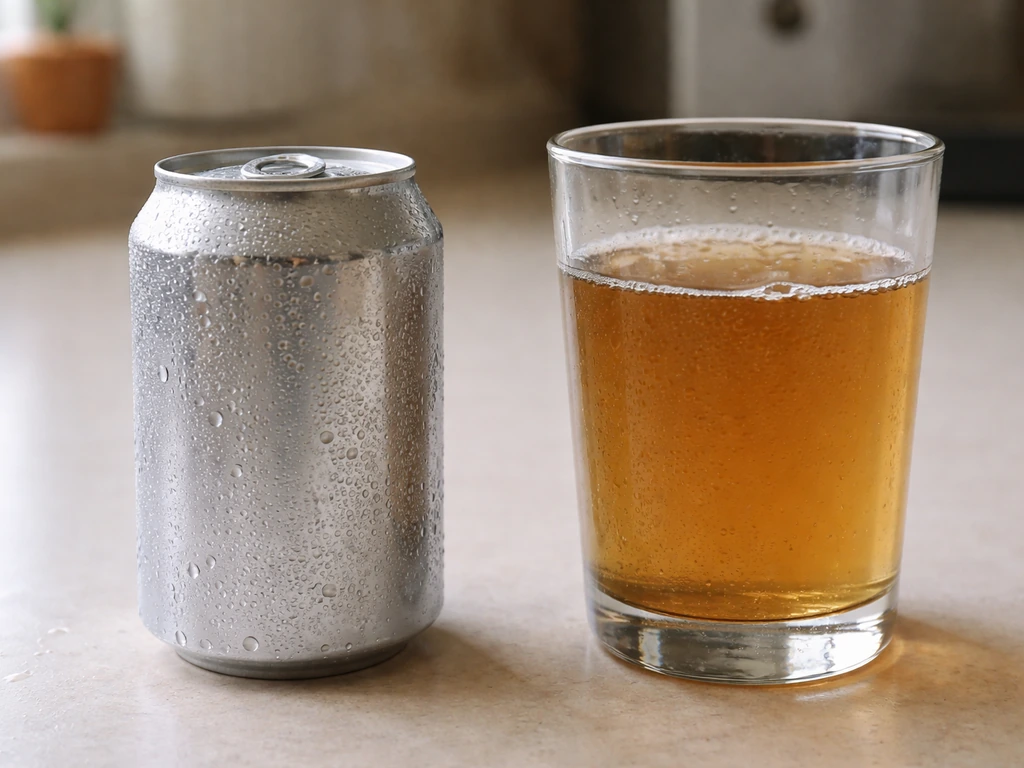
An unopened, commercially produced soda presents essentially zero botulism risk. The manufacturing environment is controlled, the formula maintains pH well below 4.6, and the sealed container prevents contamination. Even if stored at room temperature for an extended period, the chemistry of the soda itself is the barrier, not refrigeration.
Once opened, soda loses carbonation over time and is exposed to environmental microorganisms. However, the pH doesn't change when you open a can. An opened cola sitting at room temperature for several days is an unpleasant experience (flat, potentially off-tasting), but it isn't a botulism risk because the pH never rises to the level where C. Tomato sauce is also generally too acidic to support botulism growth unless it is improperly processed or stored can botulism grow in tomato sauce. botulinum could grow. Spoilage organisms like yeasts and molds are much more likely to be a concern with an opened drink left at room temperature, but even those are not a serious health risk in the botulism sense.
Temperature abuse of opened soda (leaving it in a hot car, for instance) accelerates general spoilage but doesn't change the fundamental pH barrier against botulism. The risk calculation stays the same.
Where real risk does appear: homemade and fermented sodas
This is where the risk picture genuinely changes. Homemade or artisan-fermented sodas, including kombucha, fermented ginger beer, and similar beverages, can have highly variable pH depending on how they're made and how fermentation is managed. If the fermentation process doesn't produce enough acid to drop the pH below 4.6, and the environment becomes anaerobic (which sealed fermentation vessels can create), you have conditions that could theoretically allow C. botulinum to grow. In general, botulism is more about whether the conditions allow Clostridium botulinum to grow, not about a specific drink ingredient like honey.
Real-world botulism cases from fermented beverages have occurred. A well-documented CDC investigation tied botulism to pruno, a homemade fermented alcoholic beverage made in prison settings. The common thread in these cases is fermentation at near-neutral pH, anaerobic conditions created by the sealed container or fermentation process, and room-temperature storage. Another CDC case involving home-fermented tofu identified the same contributing factors: near-neutral pH, anaerobic conditions from boiling-and-sealing, and room-temperature storage for several days. The principle applies to any home-fermented product where pH monitoring isn't done carefully.
Damaged containers add another layer of concern. A can that's been dented along a seam, a bottle with a compromised cap, or packaging showing signs of swelling, leaking, or bulging may indicate that something has gone wrong inside. Bulging specifically can signal gas production from microbial activity. While this is more commonly associated with canned goods than beverages, it's a warning sign that should never be ignored.
Fermented soda risk compared to other foods
For context: this same pH-and-anaerobic-conditions concern shows up in other home-preserved foods. Home-canned low-acid vegetables are the most common source of foodborne botulism in the US. The risk framework for homemade fermented drinks overlaps with those cases, not with commercial soda. Pickles, for example, are safe because they're acidified to below pH 4.6, which is exactly why improperly acidified homemade fermented drinks carry more risk than properly acidified commercial products like pickles or tomato-based sauces. The same logic applies to why commercial soda is safe while improperly fermented homemade soda is not.
Practical guidance: what to do right now
For commercial soda
If you're looking at a commercially produced can or bottle of soda, you do not need to worry about botulism under normal circumstances. The chemistry prevents it. There are a few warning signs that would prompt you to discard any commercially packaged food or beverage, though:
- The can is bulging, swollen, or the ends are bowed outward.
- The container is leaking or shows signs of seam damage.
- The bottle cap is popped or the seal is broken before opening.
- The drink spurts liquid or foam unusually when opened (beyond normal carbonation release).
- There is any sign of tampering with the packaging.
If any of these apply, discard the container without tasting the contents. Botulinum toxin has no color, odor, or taste, so you cannot detect it by sensory evaluation. Don't taste test to check if it's okay.
For homemade or fermented sodas
If you make fermented soda at home, measure pH throughout fermentation. A calibrated pH meter or accurate pH strips are inexpensive and genuinely useful here. Your target is a finished pH below 4.6 before you seal the product in anaerobic conditions. Store fermented sodas refrigerated to slow any microbial activity during and after fermentation. Don't leave sealed fermentation vessels at room temperature for days without monitoring. If you're unsure whether your product hit the right pH, or if something looks or smells off, discard it rather than taste it.
How to safely discard a suspect container
- Do not open the container indoors if it's swollen or you suspect serious contamination.
- Seal the container in a heavy plastic bag before placing it in the trash.
- Wash your hands thoroughly after handling any suspect container.
- If any liquid from a suspected contaminated container has spilled on surfaces, clean with a dilute bleach solution (1 tablespoon of bleach per quart of water) and let it sit for several minutes before wiping.
- Do not pour suspect liquids down a sink drain where aerosolization could occur.
When to get medical help
Botulism is a medical emergency. Symptoms typically appear within 12 to 36 hours of consuming contaminated food (though they can appear as early as 6 hours or as late as 10 days depending on the dose). Early symptoms include double or blurred vision, drooping eyelids, difficulty swallowing or speaking, and muscle weakness that starts in the face and moves downward. If anyone who may have consumed a suspect product develops these symptoms, call emergency services immediately. Antitoxin is most effective when given early. If botulism is suspected, clinicians should contact their state public health department right away for consultation and antitoxin access. Don't wait to see if symptoms improve on their own.
FAQ
Is there any botulism risk from unopened commercial soda stored in a pantry for months?
Most people should not worry, because commercially bottled or canned soda is formulated to stay far more acidic than the level where C. botulinum can grow. You can still get other illnesses from spoiled drinks, but botulism specifically requires conditions your soda normally does not provide.
If I leave an opened soda out for a day or two, can it become a botulism risk?
Yes, but it is a different safety issue. Once opened, soda loses carbonation and gets exposed to environmental microbes, so spoilage flavor changes can happen. However, botulism requires a rise to a growth-permitting pH and the right anaerobic conditions, and the pH of soda does not become safe for C. botulinum just from opening.
Does diet soda change the botulism risk compared with regular soda?
Diet soda can still be low pH and may use preservatives, which are key hurdles. Even if reduced sugar means slightly different microbial “friendliness,” the main botulism barriers (acid and often preservatives, plus carbonation) still typically prevent C. botulinum growth in commercially made products.
Can botulism toxin be detected by taste, smell, or appearance in a drink?
You should assume there is no practical way to “smell test” for botulinum toxin. If a commercially packaged beverage shows leakage, swelling/bulging, or a severely damaged seal, discard it without tasting. Botulinum toxin can be present without any noticeable sensory change.
What pH should I measure to make homemade fermented soda lower risk for botulism?
Home-fermented beverages are the main exception, because fermentation can start near-neutral and may not acidify enough. If your product ends up at a finished pH below 4.6 before sealing or storing in an oxygen-poor environment, the botulism growth pathway is blocked. If pH is uncertain, treat it as unsafe and discard.
Are pH strips accurate enough for deciding whether my fermented soda is safe?
A pH strip can be useful for rough screening, but for safety decisions during fermentation you should use calibrated, reasonably accurate measurements (a meter with calibration is best, or validated strips with clear precision). “Close enough” is not reliable, because small pH differences can matter around the 4.6 threshold.
If my fermented ginger beer smells normal and tastes slightly sour, can it still be unsafe?
Even if something smells “fine,” botulism risk is about what conditions you created, not about whether it tastes good. Since toxin is tasteless and symptoms can be delayed, don’t rely on flavor cues to decide whether to keep or discard a suspect batch.
What should I do if I fermented soda but never measured pH during or after fermentation?
For suspicious commercially packaged drinks, discard first. For homemade fermented drinks, if you cannot confirm the finished pH, do not proceed with sealing, storing at room temperature, or “waiting longer” to see if it becomes safe.
If I accidentally left soda in a hot car, does heat create a botulism risk?
Temperature abuse mainly increases the chance of general spoilage, like off-odors and microbial growth, but it does not override the core botulism barrier of a sufficiently acidic pH. Still, keep spoiled-possible drinks out of the “medical-risk” category by discarding any badly contaminated product.
If botulism is suspected after drinking fermented soda, when should I call emergency services?
In botulism guidance, “symptoms are the emergency” rule is more important than how it tastes. If anyone who consumed a suspect fermented beverage has neurologic signs like double vision, drooping eyelids, trouble swallowing, or progressive weakness, seek emergency care immediately and mention the specific product and timing.
Next Article
Can Botulism Grow in Coffee? Safety Guide and What to Do
Explains if botulism can grow in coffee, how spores and temperature affect risk, and when to discard improperly stored c