Botulism cannot grow in honey in the way most people picture it. Clostridium botulinum spores can be present in honey, but the conditions inside a jar of honey are so hostile to microbial activity that those spores stay dormant. They do not germinate, they do not multiply, and they do not produce botulinum toxin. So the short answer is: honey does not 'grow' botulism. But the longer answer matters a lot, especially if there is an infant in your household.
Can Botulism Grow in Honey? Risks for Infants vs Adults

Marcus Reeves
14 Apr 2026
What makes honey so tough for microbes
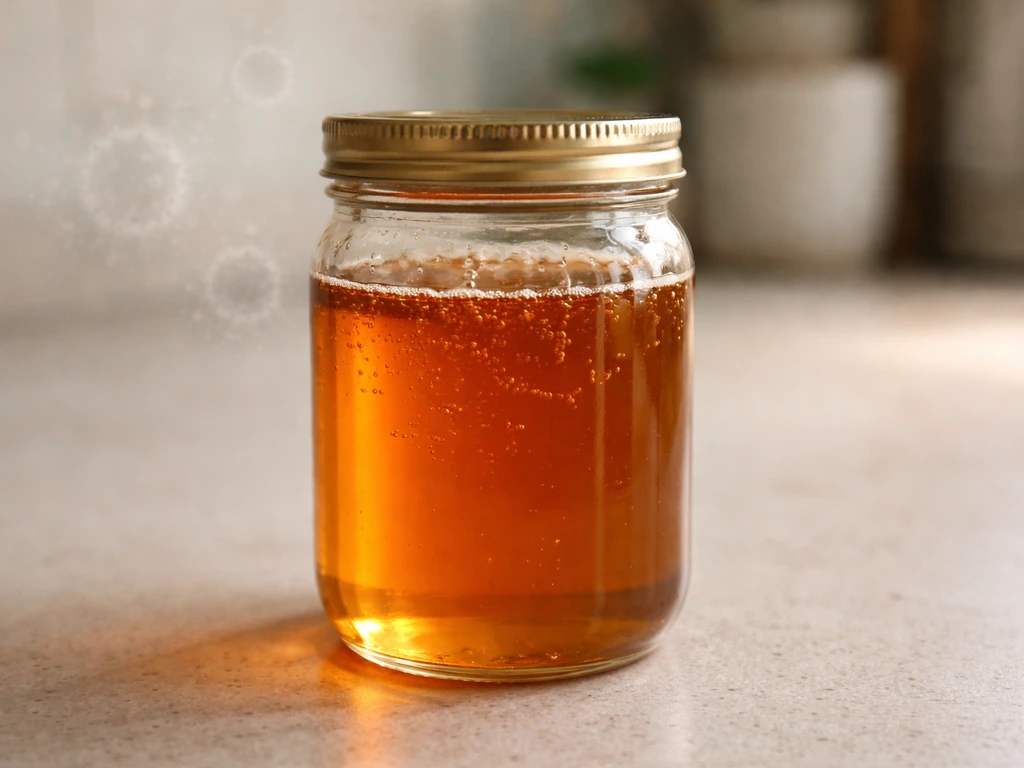
Honey is one of the more hostile environments a microorganism can land in, and that comes down to a few compounding factors rather than any single magic property.
The biggest barrier is water activity. Water activity (aw) is a measure of how much 'free' water is available for microbial use, scored from 0 to 1. The FDA puts the minimum water activity required for C. botulinum growth at approximately 0.93. Honey sits at roughly aw 0.5 to 0.6, which is far below that threshold. At that level, there is simply not enough available moisture for spores to germinate and bacteria to grow, regardless of anything else. The high sugar concentration is directly responsible for this, pulling water away through osmotic pressure.
Honey is also mildly acidic. Its pH typically falls between 3.2 and 4.5, with most samples clustering around 3.9. C. botulinum generally cannot grow or produce toxin below pH 4.6, which puts honey comfortably inside the inhibitory zone for most strains under normal conditions.
On top of that, honey generates hydrogen peroxide as a byproduct of the enzyme glucose oxidase reacting with glucose, water, and oxygen. This hydrogen peroxide activity adds another layer of antimicrobial effect. Research has described honey's antimicrobial behavior as multi-factorial rather than the result of one single compound, and that combination is exactly why honey has such a strong track record against a wide range of microbes.
Spores can survive in honey, even if they can't grow
Here is where the nuance that trips people up lives: surviving is not the same as growing. C. botulinum spores are exceptionally tough structures. They can persist in environments that would kill active bacteria, and honey is no exception. Multiple studies have confirmed spore presence in real honey samples from commercial and small apiaries. One analysis found counts as high as 1,100 spores per gram in freshly collected honey from hives, dropping to around 50 spores per gram five weeks later. A study of 240 multifloral honey samples from Polish apiaries confirmed spore presence using both culture and molecular detection methods.
The California Department of Public Health has acknowledged that honey is an identified reservoir for C. botulinum spores, while also noting that not every jar necessarily contains them. Detecting those spores is genuinely difficult because isolating them from a dense, viscous sugar matrix requires specialized methods like membrane filtration followed by incubation in liquid medium.
The key point is that spore presence and active toxin production are completely different situations. Botulinum toxin has not been found in honey precisely because the conditions that would allow spores to germinate and produce it are absent. The spores are there, but they are locked in a dormant state.
Why honey doesn't produce botulinum toxin in the jar
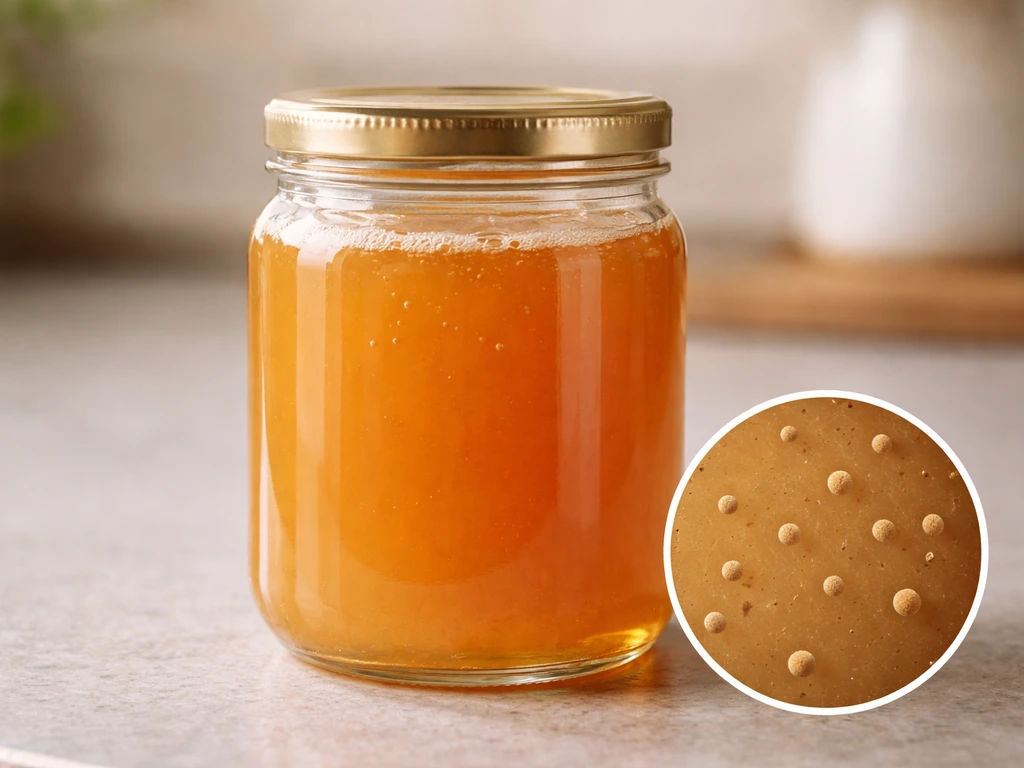
For C. botulinum to produce toxin, spores first need to germinate into active vegetative cells, then those cells need to multiply and carry out their metabolic work. That process requires adequate water activity, a suitable pH, the right temperature range, and in some strains, anaerobic conditions. Honey blocks the first step entirely. With water activity around 0.5 to 0.6 and pH below 4.5, spores cannot germinate. No germination means no vegetative cells, and no vegetative cells means no toxin.
This is why the risk from honey is fundamentally different from, say, improperly home-canned vegetables, where C. botulinum spores land in a low-acid, moist, anaerobic environment where they can germinate and produce toxin directly in the food. If you want to understand how that kind of scenario plays out, it is worth looking at whether botulism can grow in tomato sauce, where moisture and pH conditions are much more favorable.
Infant botulism is a completely different risk pathway
This is the most important section for most readers. The danger from honey is not that you eat toxin already present in the jar. The danger is that spores survive digestion in infants and then germinate inside the gut itself.
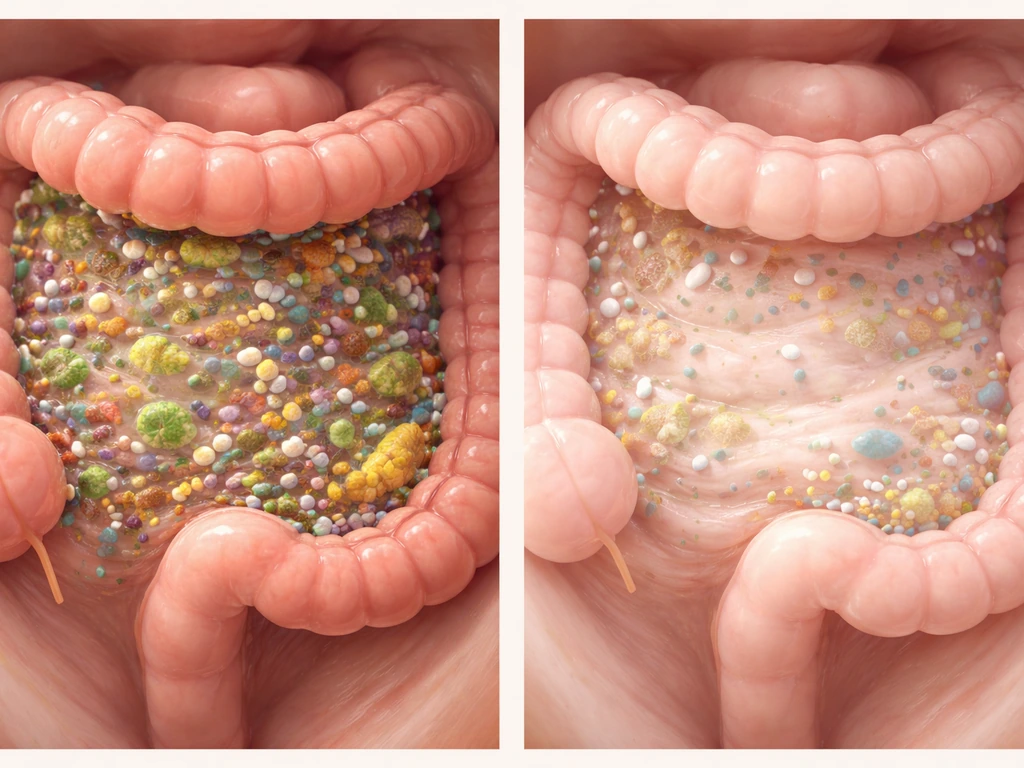
Here is how infant botulism actually works: a baby swallows honey containing spores. In a healthy adult, those spores would pass through without issue because the established gut microbiota and mature intestinal environment prevent colonization. In infants under 12 months, the gut microbiome is still developing and lacks the competitive colonization resistance that older guts provide. C. botulinum spores can colonize the large intestine, germinate there, and produce botulinum neurotoxin in situ. The infant is not eating pre-formed toxin from the honey. The gut itself becomes the production environment.
The CDC is explicit about this: infant botulism results from ingested spores temporarily colonizing the large intestine and producing toxin there. StatPearls describes it the same way, noting that older individuals benefit from gut conditions and microbiota that provide much greater protection. The toxin then gets absorbed and causes the characteristic symptoms: poor feeding, weak cry, floppy muscle tone, and in severe cases, respiratory failure.
This mechanism is also why the same jar of honey that is completely safe for an adult is genuinely dangerous for a baby. The food itself is not the variable. The host's gut environment is.
How adults and infants respond differently
| Factor | Healthy Adults | Infants Under 12 Months |
|---|---|---|
| Gut microbiome | Fully established, competes with C. botulinum | Immature, limited competitive resistance |
| Intestinal colonization risk | Very low under normal conditions | High, spores can colonize large intestine |
| Toxin source | Would need to ingest pre-formed toxin | Spores germinate and produce toxin in gut |
| Outcome after exposure | Typically no illness from spores in honey | Can develop infant botulism (serious illness) |
| Prevention approach | No specific honey restriction needed | Avoid honey entirely until 12 months old |
Does heating or pasteurizing honey fix the problem?
This is one of the most common misconceptions. People assume that cooking or pasteurizing honey will destroy any spores and make it safe for infants. It does not. C. botulinum spores are extraordinarily heat-resistant. Normal pasteurization temperatures and typical cooking heat are not sufficient to destroy them. You would need extremely high heat (well above what standard food processing involves) to reliably inactivate botulinum spores.
The CDC prevention guidance is deliberate in tying the honey risk to age-based prevention rather than preparation changes. Heating honey before feeding it to an infant does not remove the spore risk. This is why the recommendation is categorical: no honey for children under 12 months, period, regardless of how it is prepared.
What about diluting honey in recipes or using it as an ingredient in baked goods? The concern is the same with raw honey as an ingredient in food fed to infants. The spores survive baking temperatures too. The heat-resistance of botulinum spores is one reason they are so challenging to control in food safety contexts generally, something that comes up when looking at whether botulism can grow in pickles, where the acidification process (not heat alone) is the critical control.
Storage changes the risk profile very little for healthy adults. Honey stored properly at room temperature remains hostile to spore germination because the water activity and pH conditions do not change meaningfully over time. Crystallized honey has the same antimicrobial properties as liquid honey. The real risk from improper storage would be if honey were diluted or mixed with water-rich ingredients and then stored, which could raise the water activity to levels where microbial activity becomes possible. That scenario is about reformulation, not about honey in its natural state.
What you should actually do today
If you are a healthy adult, honey is not a meaningful botulism risk for you. The same environmental conditions that make honey shelf-stable are the reason spores in honey cannot produce toxin. You do not need to avoid honey, heat it before eating, or treat it as a high-risk food.
If there is an infant under 12 months in your household, the guidance is straightforward and non-negotiable: do not feed honey in any form. That includes raw honey, pasteurized honey, honey in baked goods, herbal teas sweetened with honey, and pacifiers dipped in honey. The Infant Botulism Treatment and Prevention Program states that avoiding honey for infants 12 months and under is the only known prevention measure for infant botulism. This rule does not depend on the brand, the source, or how the honey was processed.
- No honey for children under 12 months, including in recipes or as a sweetener in any food or drink given to the infant.
- After 12 months, honey is generally considered safe for healthy children and adults.
- Do not assume heating or cooking honey removes the risk for infants. It does not.
- If an infant shows signs of weak muscle tone, poor feeding, or constipation after any possible honey exposure, seek medical attention promptly.
- Store honey in a sealed container at room temperature. Do not dilute honey and store it for extended periods, as raising the water activity creates a more permissive environment for microbial growth.
Related misconceptions worth clearing up
Honey is not sterile. This surprises some people because honey is often described in antimicrobial terms. Honey's properties inhibit growth and germination, but they do not sterilize the product. Spores can and do exist in honey samples. The distinction between 'no microbial growth possible' and 'completely sterile' matters for understanding why the infant risk is real even though adults face no meaningful danger.
Honey botulism is not the same as classic foodborne botulism. Foodborne botulism means eating toxin that was already produced in food before you consumed it. Infant botulism from honey is about spores colonizing the gut and producing toxin internally. These are mechanistically different, which is why the public health recommendations and the clinical presentations differ.
Botulism risks in other foods work through different mechanisms depending on the environment involved. For example, the behavior of C. botulinum in a high-acid carbonated environment is quite different from its behavior in honey, which is why it helps to understand whether botulism can grow in soda as a contrast case. Similarly, the way acidity functions as a control in beverages like coffee and its effect on botulism growth illustrates how pH interacts with other environmental factors in ways that do not always follow a single simple rule.
The bottom line is this: honey's combination of low water activity, low pH, and hydrogen peroxide activity makes it one of the worst environments for C. botulinum to grow or produce toxin. But spores can survive there, and in an infant's immature gut, that is enough to cause serious illness. Understand the mechanism, follow the age-based guidance, and you have the full picture.
FAQ
Does honey need to be “contaminated” with toxin to be dangerous to infants?
No. Infants are at risk from spores that may be present in honey, not from pre-made toxin in the jar. Heating, pasteurizing, or cooking honey does not reliably destroy those spores, so the safest rule is still no honey for babies under 12 months.
If a baby already ate a small amount of honey, what should I do?
In most cases there is no immediate emergency, but you should contact your pediatrician right away for guidance and to discuss what symptoms to watch for. Infant botulism symptoms can include poor feeding, weak cry, constipation, floppy muscle tone, and breathing problems, and early evaluation matters.
Can my baby have honey in baked goods, like muffins or cookies?
You should avoid it. Even when honey is used in baking, botulinum spores can survive typical baking temperatures. Age-based prevention still applies, so honey-containing baked goods are not considered safe for babies under 12 months.
Is pasteurized honey safer for infants than raw honey?
No. Pasteurization is not a reliable way to inactivate botulinum spores. The risk-control recommendation for infants is based on age and the possibility of spore presence, not on whether the honey is pasteurized.
What about honey diluted in tea, lemonade, or yogurt?
Be cautious, because mixing honey with water-rich foods or beverages can raise the overall water activity in the mixture. For infants under 12 months, avoid honey in any form, including sweeteners added to drinks or foods.
If honey crystallizes or is heated gently for convenience, is it safer for an infant?
Crystallized honey is still the same type of product with the same spore survival risk. Gently warming honey can make it easier to pour, but it does not make it safe for infants under 12 months.
Can an adult catch botulism from honey?
Botulism from honey is uncommon in healthy adults because honey’s conditions block spore germination and toxin production. The more realistic concern is infant botulism, where spores can survive digestion and later produce toxin in the gut.
Is honey still a concern if my baby is over 12 months?
Once a child is older than 12 months, the primary mechanism behind infant botulism (gut colonization by spores in an immature microbiome) becomes much less likely. However, it is still reasonable to follow general feeding practices, and if your child has specific medical conditions, ask their clinician about individualized guidance.
What about honey on a pacifier or in a homemade “teething” remedy?
Avoid honey on pacifiers and any teething or soothing products that involve honey for babies under 12 months. This includes dipping pacifiers in honey or applying honey to the gums, because the source remains honey-spores even if the honey is used indirectly.
If honey can’t “grow” botulism, why do public health agencies still warn about honey?
Because spores can be present and can survive. The key issue is not multiplication inside the honey jar, but the possibility that spores survive ingestion and then germinate in an infant’s large intestine.
How is this different from classic foodborne botulism from home-canned foods?
Classic foodborne botulism involves toxin formation in a prepared food where conditions such as low acidity and enough moisture allow spore germination. Honey’s threat to infants is different, it is about internal toxin production after ingestion, not about toxin already being present in the honey itself.
Next Article
Can Botulism Grow in Pickles? pH, Anaerobic Risk, Fixes
See if botulism can form in pickles, how pH, salt, anaerobic jars, and processing control toxin risk, and what to do.