Botulism cannot realistically grow and produce toxin in normal brewed coffee. The acidity of coffee (pH roughly 4.85 to 5.10 for hot brew, and around 5.0 to 5.8 for cold brew) sits right at or just above the threshold where Clostridium botulinum is inhibited, and freshly brewed coffee is also hot and exposed to oxygen, two more conditions that block growth. That said, there are specific edge cases, particularly around airtight packaging, cold brew left at room temperature, and added ingredients, where the risk picture gets more complicated and is worth understanding clearly.
Can Botulism Grow in Coffee? Safety Guide and What to Do

Marcus Reeves
27 May 2026
What botulism actually needs to grow vs just survive
There is an important distinction between spores surviving in a food and the bacteria actually growing and producing toxin. C. botulinum spores are extremely hardy and can persist in many environments, including coffee and coffee grounds, without causing any harm. Spores are essentially dormant. The danger comes when those spores germinate, the bacteria grow, and in doing so produce the botulinum neurotoxin.
For that full cycle to happen, C. botulinum needs all of the following conditions to line up at the same time: a low-oxygen (anaerobic) environment, a pH above 4.6 (for Group I proteolytic strains) or above 5.0 (for Group II non-proteolytic strains), enough available water (adequate water activity), and a suitable temperature. Group I strains, the ones most associated with serious foodborne illness, will not grow below about 10 to 12°C. Group II strains are more cold-tolerant, growing as low as about 2.5 to 3°C. Remove any one of these factors and the bacteria cannot grow or produce toxin, even if spores are present.
The WHO is explicit that C. botulinum will not grow in conditions with pH below 4.6. The FDA and CDC both reinforce that the anaerobic environment is a non-negotiable requirement, without low oxygen, the process stops. So when you are evaluating any food or drink for botulism risk, you are really asking: does this item give C. botulinum the full set of conditions it needs, all at once? Because botulism depends on specific low-oxygen growth conditions, it is also unlikely for most sodas, unless the product were manufactured and stored in a way that enables toxin production can botulism grow in soda.
Coffee chemistry: pH, moisture, and oxygen
Coffee is an acidic drink. Hot brewed coffee typically sits in the pH range of about 4.85 to 5.10. Cold brew tends to run slightly less acidic, commonly measured between pH 5.0 and 5.8 depending on the bean origin, roast, and brew time. One PMC study on cold brew extraction reported sample pH values as low as approximately 4.90 to 4.92. These values are close to the 4.6 threshold, but most coffee is still above it, meaning acidity alone is not a guaranteed barrier for every coffee.
Water activity is not a concern with liquid coffee, brewed coffee has very high moisture, which actually favors bacterial growth if other conditions are met. So coffee does not get a protective benefit from low water activity the way dried foods or very sugary preserves do.
Oxygen exposure is where freshly brewed, open coffee has a strong protective factor. A cup of coffee sitting on a counter or in a carafe is aerobic, exposed to ambient oxygen. C. botulinum requires an anaerobic (low-oxygen) environment to grow and produce toxin. Open containers essentially eliminate this risk factor entirely. The problem starts when coffee is sealed in airtight packaging or containers, where oxygen gets depleted over time.
Temperature and time: what actually matters for your coffee
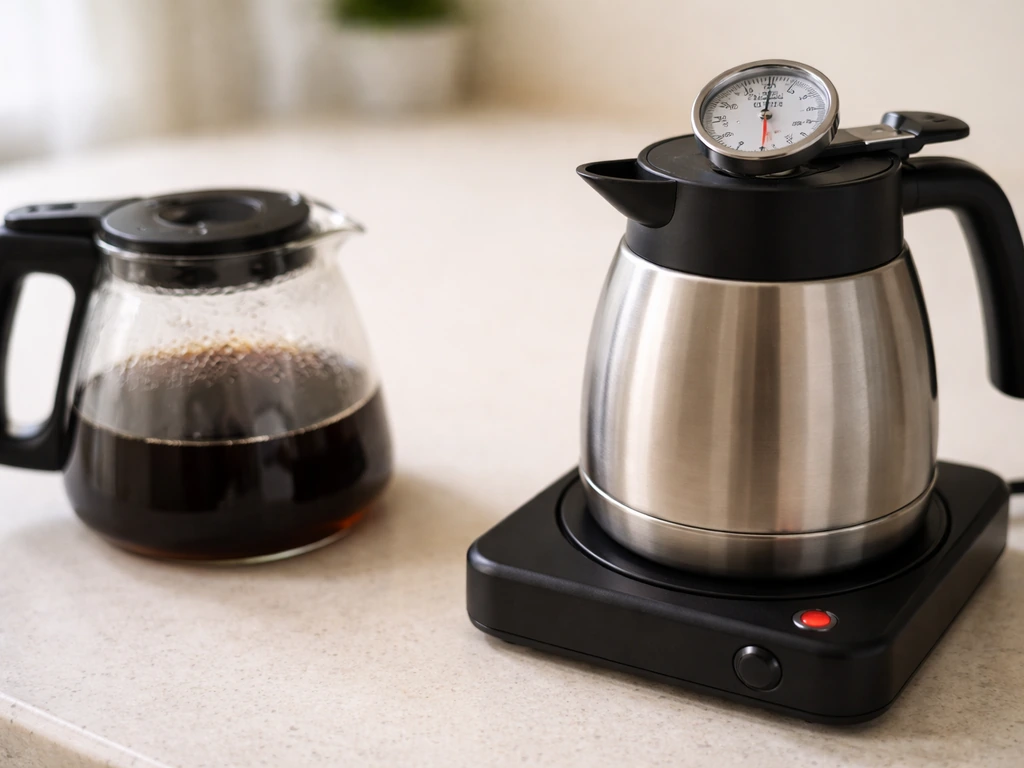
Temperature is another major control point. Freshly brewed coffee is typically made with water near 90 to 96°C, and the beverage itself stays very hot during brewing and immediately after. At those temperatures, vegetative bacterial cells (including any that might have germinated from spores) are killed quickly. Spores themselves are more heat-resistant, but at drinking temperatures C. botulinum cannot actively grow or produce toxin.
Hot holding, keeping coffee on a warming plate or in a thermal carafe, maintains temperatures well above any growth range for C. botulinum. As long as coffee is genuinely hot (above about 60°C), there is no growth risk. The concern begins when coffee cools down into the 10 to 50°C range, especially if it is also in a sealed, low-oxygen environment.
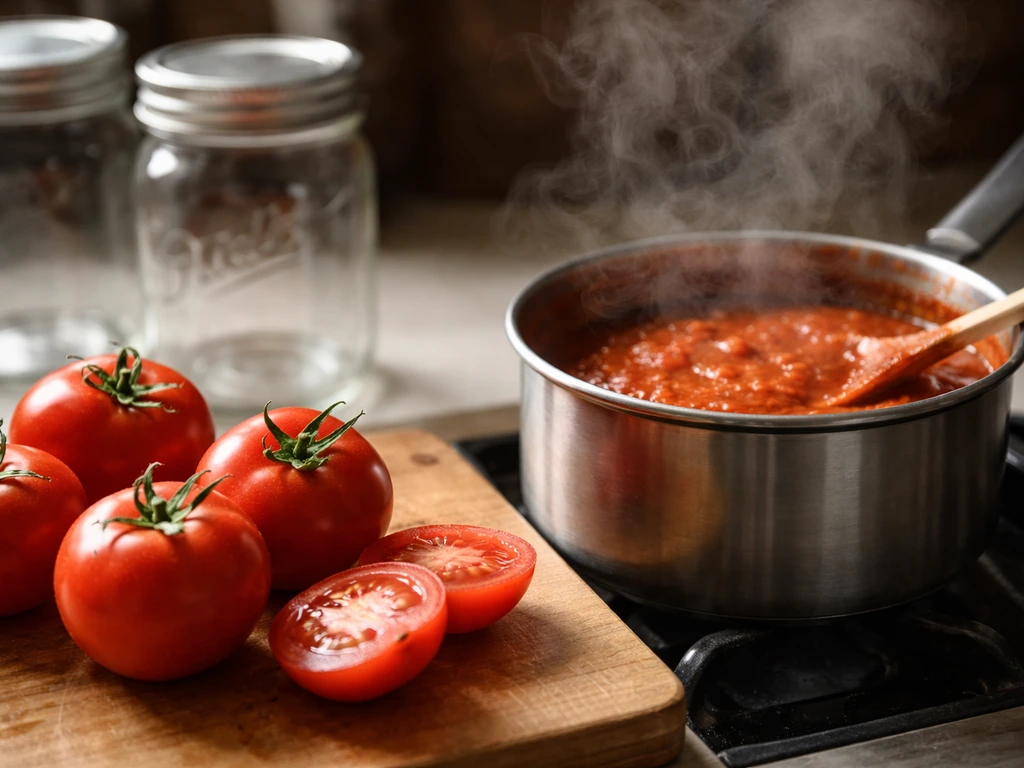
For coffee left at room temperature in an open container, the botulism risk remains very low because of the aerobic conditions. However, other spoilage bacteria can grow in cooled coffee over hours, so general food safety guidance still applies: the USDA recommends refrigerating cooked or prepared foods within 2 hours of preparation (or within 1 hour if ambient temperature exceeds about 32°C). If you are also wondering about other foods, you can botulism grow in tomato sauce depends on whether the conditions allow toxin production. Brewed coffee follows the same logic, refrigerate it within 2 hours if you plan to store it.
Refrigerated coffee (stored properly at or below 4°C) effectively controls Group I C. botulinum, which will not grow below about 10 to 12°C. Group II (non-proteolytic) strains can technically grow at refrigerator temperatures starting around 3°C, but this is primarily relevant in sealed, low-acid, anaerobic environments, not in an open container of refrigerated coffee. Reheating coffee to drinking temperature does not reintroduce a botulism risk if the coffee was stored safely.
Scenarios that could raise concern
Most everyday coffee situations are low risk, but a few scenarios are worth thinking through more carefully.
Cold brew left at room temperature
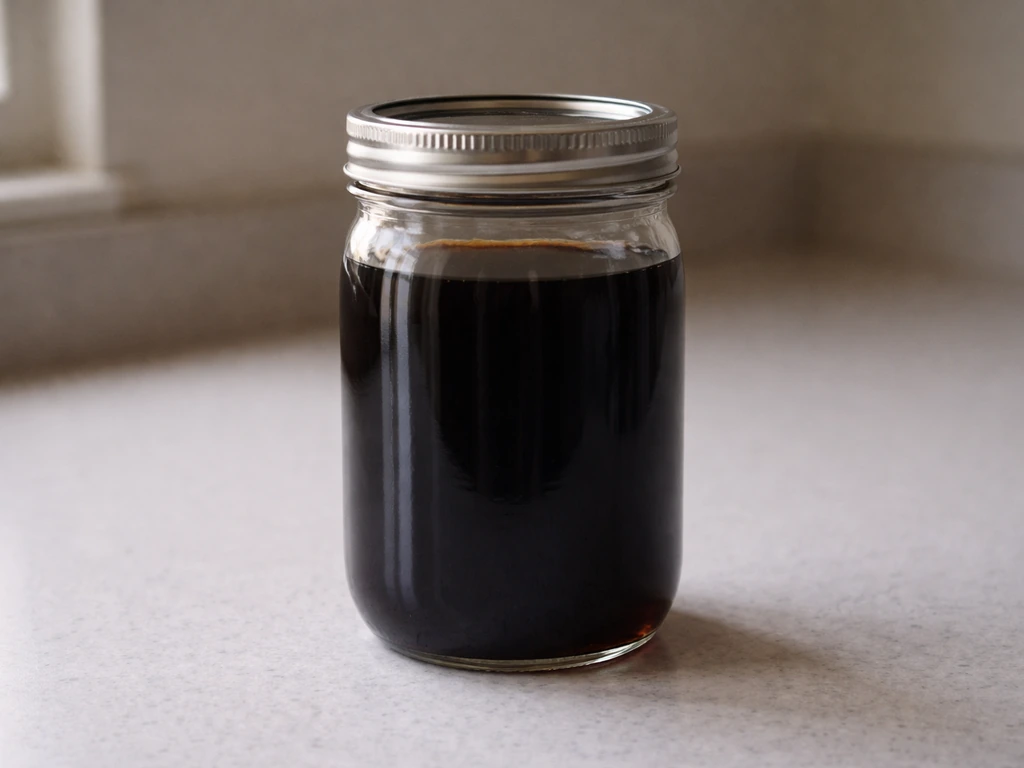
Cold brew is brewed slowly at room temperature or in the refrigerator, often over 12 to 24 hours. When made at room temperature, cold brew sits in a temperature range where bacterial growth is possible. Cold brew's pH (around 5. Foods (MDPI) reports that, in hot vs cold brew coffee measurements by roast level and brewing temperature, pH differences between hot and cold brews can be on the order of about 0.
5 pH units in the study context [Cold brew's pH (around 5. 0 to 5. 8)](https://rcastoragev2. blob.
core. windows. net/13513b4f6973ddd106616769990ec18f/PMC7404565. pdf).
0 to 5. 8) is above the 4. 6 threshold, and if the brewing vessel is tightly sealed and oxygen depletes over time, you get closer to anaerobic conditions. For home cold brew steeped at room temperature in a sealed jar for an extended time, the combination of slightly elevated pH, adequate moisture, and reduced oxygen is the closest a typical coffee scenario comes to enabling C.
botulinum growth. This is why cold brew should be made in the refrigerator or transferred there quickly.
Airtight commercial packaging
Real-world FDA recalls make clear this is not a theoretical concern. The FDA issued recalls for canned coffee products, including a Snapchill LLC recall and a Death Wish Coffee nitro cold brew recall, over potential C. botulinum risk. Nitro cold brew and canned coffee products specifically involve removing oxygen from sealed containers, sometimes with nitrogen infusion. If the coffee inside is not sufficiently acidic (pH above 4.6) and is not commercially processed to eliminate spores, the sealed low-oxygen environment can support toxin production. Commercially produced canned or bottled coffee requires validated heat processing or confirmed acidification to pH 4.6 or below to be safe.
Coffee stored in sealed containers while warm
Pouring hot coffee into an airtight thermos or mason jar and leaving it at room temperature for an extended period creates a progressively anaerobic environment as residual oxygen is consumed. If the coffee cools into the growth-temperature range before being consumed or refrigerated, this is a higher-risk scenario than leaving coffee in an open container.
Added ingredients
Plain black coffee has its own acidity as a barrier. Adding cream, milk, or plant-based milks raises the overall pH and reduces acidity. Honey is a different food category than coffee, so if you are wondering can botulism grow in honey, treat it as a related but separate risk scenario. Adding sugar or syrups increases water activity and provides more nutrients for bacterial growth.
Coffee-based drinks that are more cream or milk than coffee (like certain blended drinks or coffee with large amounts of dairy) behave more like dairy products in terms of microbial risk. These additions do not suddenly make coffee a high botulism risk, but they do weaken some of the natural barriers. A cream-heavy coffee drink stored improperly for many hours in a sealed container is a worse situation than black coffee in the same scenario.
Coffee grounds and infusions
Dry coffee grounds have low water activity and do not support bacterial growth. Spores can persist on grounds without being active. Once grounds are mixed with water for brewing or infusion, water activity increases. Spent wet grounds sitting in a sealed, warm environment could theoretically support growth, but they also contain the same acidic compounds as brewed coffee. The practical risk from coffee grounds specifically is low if they are discarded or kept cool after use.
What to do today if your coffee was stored improperly
If you brewed coffee and left it sitting out in an open container at room temperature for a few hours, botulism is not a realistic concern. The aerobic environment prevents C. botulinum growth regardless of how long it sat. You may have other spoilage or quality issues, and the coffee probably tastes bad, but discard it for quality reasons rather than botulism fear.
If you made cold brew in a sealed jar at room temperature and left it for longer than your usual brew window (say, more than 24 to 48 hours at warm room temperature), the safest approach is to discard it. The combination of sealed conditions, adequate pH for potential growth, and extended time at growth-supporting temperatures makes this the most credible risk scenario in everyday coffee use.
If you have a commercially canned or bottled coffee product that has been recalled, do not consume it. Follow FDA or CDC guidance, do not taste it to check safety (botulinum toxin is odorless and tasteless), and dispose of it safely.
If someone has consumed coffee and is experiencing symptoms of botulism, difficulty swallowing, double vision, drooping eyelids, muscle weakness, this is a medical emergency. If botulism is suspected, CDC recommends seeking a careful food history and saving suspected food items. Contact emergency services and the local health department immediately. The USDA notes that symptoms typically appear 12 to 36 hours after exposure, though they can appear anywhere from 4 hours to 8 days after consuming contaminated food.
A quick comparison of common coffee scenarios
| Scenario | Key Conditions | Botulism Risk Level | Recommended Action |
|---|---|---|---|
| Freshly brewed hot coffee (open cup/carafe) | Hot, aerobic, acidic | Very low | Consume or refrigerate within 2 hours |
| Brewed coffee left open at room temperature | Aerobic, cooling, acidic | Very low | Discard for quality; no botulism concern |
| Refrigerated brewed coffee (open or loosely covered) | Cold, aerobic, acidic | Very low | Safe up to about 1 week; keep refrigerated |
| Cold brew made and stored in refrigerator | Cold, low-oxygen, pH ~5.0–5.8 | Low to negligible | Refrigerate throughout; consume within 1–2 weeks |
| Cold brew steeped at room temperature in sealed jar | Warm, anaerobic potential, pH above 4.6 | Moderate concern | Refrigerate during steep; discard if left >24h warm |
| Commercially canned/nitro coffee (unrecalled, properly processed) | Sealed, anaerobic, should be validated | Low if properly processed | Check for recalls; follow manufacturer guidance |
| Commercially canned coffee under active recall | Sealed, potentially inadequate processing | Elevated | Discard immediately; do not taste |
| Coffee with added cream/milk, sealed and warm | Anaerobic potential, elevated pH, nutrients | Moderate concern | Refrigerate promptly; discard if left out >2 hours |
How to prevent botulism risk in coffee and coffee drinks
For everyday home coffee, the risk is genuinely very low and practical prevention is straightforward. The same hurdle principle that food scientists apply to other preserved foods applies here: you do not need every barrier in place if you have the most important ones covered.
- Refrigerate brewed coffee within 2 hours of brewing, especially if you are storing it in a sealed container.
- Make cold brew in the refrigerator, not on the countertop. If you steep at room temperature, keep the steep time short (under 12 hours) and transfer to the fridge immediately.
- Do not store coffee in sealed, airtight containers at room temperature for extended periods, especially with cream or milk added.
- For home-canned or vacuum-sealed coffee drinks, ensure the product is acidified to pH 4.6 or below, or use a validated pressure-canning process. This is the same principle used for other low-acid canned foods.
- Check FDA recall databases for any commercially canned or packaged coffee products before consuming them, particularly for nitro cold brew and similar low-oxygen formats.
- Discard any coffee product with an off smell, unusual appearance, or a bulging or damaged sealed container — though remember that botulinum toxin itself has no detectable smell or taste.
- If you are making coffee-based drinks with dairy, syrups, or other additions for later consumption, treat them with the same storage care as you would a dairy drink: refrigerate promptly and consume within a day or two.
The broader picture here is consistent with other acidic food and drink questions. Similar acidity-based barriers apply when thinking about whether botulism can grow in pickles, tomato sauce, or sodas, the pH threshold of 4.6 is the same reference point across all of them. Coffee sits in a pH range that is generally protective but not always definitively below 4.6, which is why the anaerobic and temperature barriers matter as backup controls.
For food safety professionals evaluating coffee products, the validated approach is a multi-hurdle strategy: confirmed acidification to pH 4.6 or below, or a thermal process adequate for the product's pH range, combined with appropriate storage temperature. For consumers, the practical takeaway is much simpler: keep coffee hot or cold, keep it open or quickly refrigerate it when sealed, and apply the same 2-hour room temperature rule you would use for any perishable food.
FAQ
If I accidentally drank coffee from a sealed jar left out overnight, should I worry about botulism?
Botulism is still uncommon in everyday coffee, but sealed plus time is the key risk pattern. If the coffee was sealed, cooled into room temperature for many hours, and especially if it was cold brew, the safest choice is to discard it and not taste it. If anyone who drank it develops botulism-type neurologic symptoms, treat it as an emergency.
Does tasting or smelling coffee help tell if botulism is present?
No. Botulinum neurotoxin is not detectable by taste or smell, and the beverage may look and smell normal. When there is a credible setup (sealed, low oxygen, appropriate pH, and enough time at growth temperatures), safety decisions should be based on handling history, not sensory cues.
Is reheating coffee enough to “make it safe” from botulism?
Reheating to hot drinking temperature does not reliably undo botulinum toxin if toxin were already produced. The practical guidance is to prevent unsafe conditions in the first place. If the coffee was handled in a way that could have allowed toxin production, discard rather than reheat.
What about an airtight thermos, does it create a botulism risk?
A thermos can be a risk only if coffee cools down long enough to enter the temperature range where growth is possible and if the container becomes low-oxygen as residual oxygen is depleted. If it stays truly hot (roughly above 60°C), growth is not expected, so the key is whether it stayed hot for the duration.
Can botulism grow in cold brew that was always refrigerated, even if it was sealed?
Refrigeration greatly reduces botulism growth. Group II strains can technically grow at refrigerator temperatures in some conditions, but in typical refrigerated cold brew you still have protection from product characteristics and oxygen exposure depending on packaging and handling. The main practical rule remains, if it was made under unsafe room-temperature sealed conditions for a long time, discard.
Does adding cream, milk, or plant milk to coffee change botulism risk?
It can. Dairy or dairy-like additives can raise the overall pH and change the barrier profile compared with black coffee. That makes general spoilage concerns more relevant too, so if you add a lot of dairy and then store it sealed at room temperature for hours, you should discard based on food safety, even if botulism remains unlikely.
I have recalled canned or bottled coffee, can I use it after heating?
No, do not consume it, even if you plan to heat it. Follow public health guidance and disposal instructions. Heating is not a dependable way to make potentially contaminated food safe from botulinum toxin.
How fast do botulism symptoms appear after eating contaminated food?
Symptoms typically start within about 12 to 36 hours, but the window can be wider, from roughly 4 hours to up to about 8 days. Because timing can vary, symptom-based response should be urgent if neurologic signs show up.
If only one person in a group drank the coffee and they have eye or swallowing symptoms, what should we do?
Treat it as a medical emergency. Botulism management is time-sensitive, and other people could still be at risk if exposure occurred. Contact emergency services and the local health department immediately, and do not wait for multiple cases.
Are coffee grounds themselves dangerous for botulism?
Dry grounds generally do not support growth due to low water availability. The concern is only when wet grounds are placed into a warm, sealed, low-oxygen environment that also meets the pH and time requirements. In typical use, grounds are discarded or kept cool after brewing, which keeps risk very low.
Next Article
Can Botulism Grow in Tomato Sauce? Safety Guide
Learn if botulism can grow in tomato sauce, how acidity and low oxygen affect risk, and safe handling steps.