Yes, botulism can grow in tomato sauce under the right conditions, and it has caused real outbreaks tied to home-canned tomato products. This same general safety idea also applies to pickles, where proper acidification determines whether botulism can grow. The key word is "conditions": if a tomato sauce is acidic enough (pH below 4.6), properly processed, and stored correctly, the risk drops to effectively zero. But if the sauce is low-acid, improperly canned in an airtight container, or left in a warm anaerobic environment long enough, Clostridium botulinum can germinate and produce its toxin. Knowing exactly which conditions matter helps you prevent the problem completely.
Can Botulism Grow in Tomato Sauce? Safety Guide

Marcus Reeves
12 May 2026
Why botulism is really a toxin problem, not just a bacteria problem
It helps to understand that botulism illness is not caused by the bacteria themselves. It is caused by the neurotoxin that Clostridium botulinum produces when it grows. The bacteria form spores that are incredibly hardy and found nearly everywhere in soil worldwide. Those spores can survive boiling water. What boiling does kill is the active vegetative form of the bacteria, but the spores just sit there, dormant, waiting for conditions to improve.
Once conditions become favorable (anaerobic environment, right temperature, right pH, enough moisture), spores can germinate into active vegetative cells. Those vegetative cells then grow and produce the toxin. The distinction matters: spores being present in a food does not mean toxin is present. Toxin only appears after the spores germinate and the bacteria actively multiply under favorable conditions. This is exactly why a properly acidified, properly processed jar of tomato sauce is safe, while an improperly canned low-acid sauce sealed in a jar can become dangerous.
The conditions that turn a spore into a toxin problem
There are four main environmental levers that control whether C. botulinum goes from dormant spores to active toxin production. In tomato sauce, all four interact.
Low oxygen (anaerobic conditions)
C. botulinum is an anaerobe. It thrives in low-oxygen or oxygen-free environments and actually requires those conditions to grow and produce toxin. Canning is the most obvious example: the canning process removes oxygen from the jar, creating exactly the kind of environment the bacteria needs. Soda can be a risk too if it is improperly stored in an oxygen-free container, because botulinum needs the right conditions to grow and produce toxin botulism. That is why properly sealed improperly processed jars are so dangerous. Vacuum-sealed pouches, oil-submerged products, and tightly covered containers of cooked sauce all create similar low-oxygen zones if held at the wrong temperature for too long.
pH and acidity
This is the biggest factor specific to tomato sauce. C. botulinum cannot grow below pH 4.6. Full stop. A sauce that stays reliably below pH 4.6 will not support botulinum growth or toxin production regardless of the oxygen level. This is why highly acidic foods can often be safely processed in a boiling-water canner, while low-acid foods require pressure canning to reach the temperatures needed to address spore survival in an environment where pH alone is not protective.
Temperature and time
Germination and growth are favored at warm temperatures under anaerobic conditions. Refrigeration (below 40°F or 4°C) slows or stops growth. Freezing stops it completely. The concern arises when sauce is left at room temperature in a low-oxygen container for hours or days. Time matters: a closed jar of low-acid sauce sitting at warm room temperature is a much greater risk than the same jar held in a refrigerator.
Moisture (water activity)
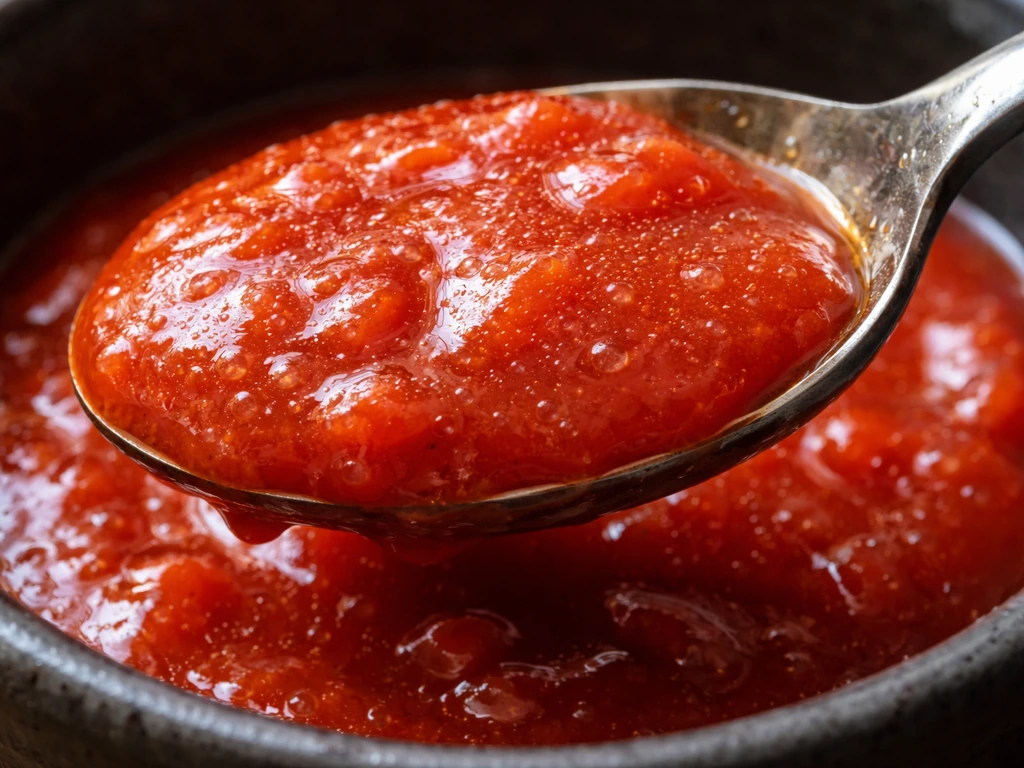
C. botulinum requires sufficient moisture to grow, technically expressed as water activity above 0.85. Tomato sauce, being a moist food, easily meets this threshold. Unlike very dry or heavily salted foods where low water activity can inhibit growth, standard tomato sauce provides more than enough moisture for the bacteria to thrive if other conditions are favorable. So moisture is generally not a limiting factor in tomato sauce; pH, oxygen, and temperature are the variables that matter most.
Tomato pH: closer to the danger line than most people think
Fresh tomatoes have a natural pH range of about 4.0 to 4.6. That range sits right at or just above the critical pH 4.6 threshold. Studies have found that tested tomato varieties and salsa products can have pH values above 4.6, meaning some tomatoes are not acidic enough on their own to guarantee safety. Commercial tomato sauces typically average around pH 4.2, well below the 4.6 threshold. But home sauces made from low-acid tomato varieties, or sauces with added low-acid ingredients like meat, onions, or peppers, can push the pH well above 4.6.
This is why tested home canning recipes specifically call for added acid. The USDA-recommended standard is 2 tablespoons of bottled lemon juice or 1/2 teaspoon of citric acid per quart of tomatoes (half those amounts per pint). Bottled lemon juice is specified because its acid content is standardized, unlike fresh-squeezed lemon juice, which varies. This step is not optional, even when pressure canning, because some USDA-tested tomato procedures still require acidification regardless of the processing method chosen.
On the commercial side, FDA defines low-acid canned foods (LACF) as foods with a finished equilibrium pH above 4.6 and water activity above 0.85. Tomato products that achieve a finished equilibrium pH below 4.7 are treated differently and are not classified as LACF products, meaning properly acidified commercial tomato sauce falls outside the most stringent LACF regulatory requirements. This reflects the same underlying pH science: get the sauce below 4.6 and C. botulinum cannot grow.
How the risk plays out in real storage and processing scenarios
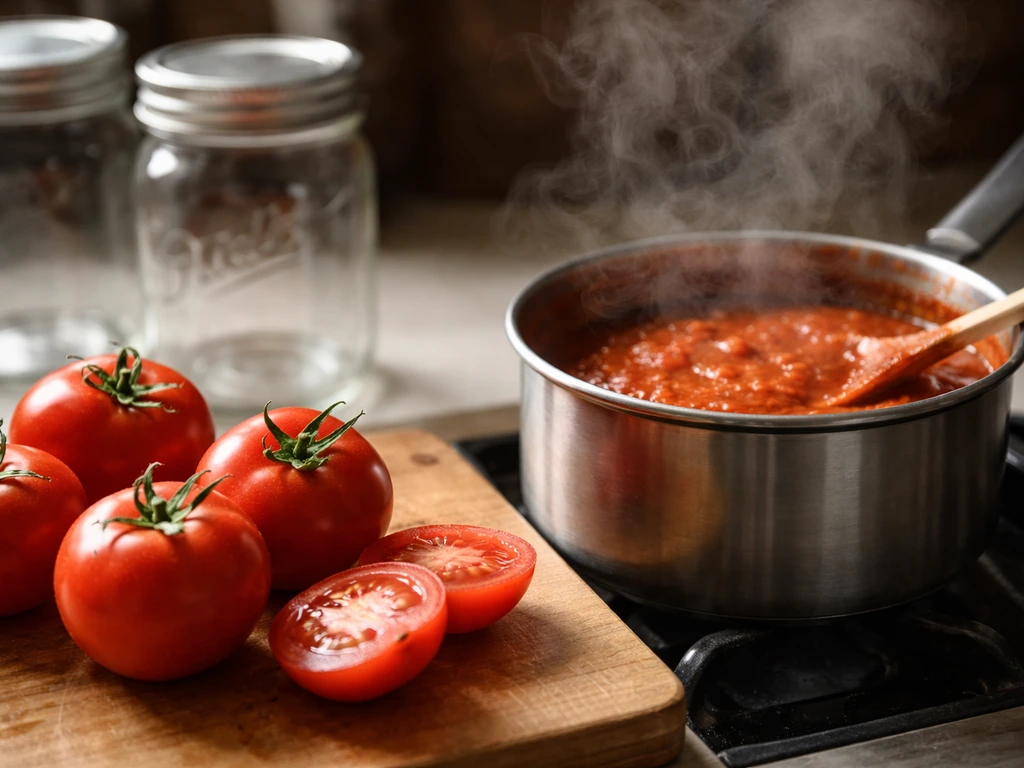
Home-canned tomato sauce
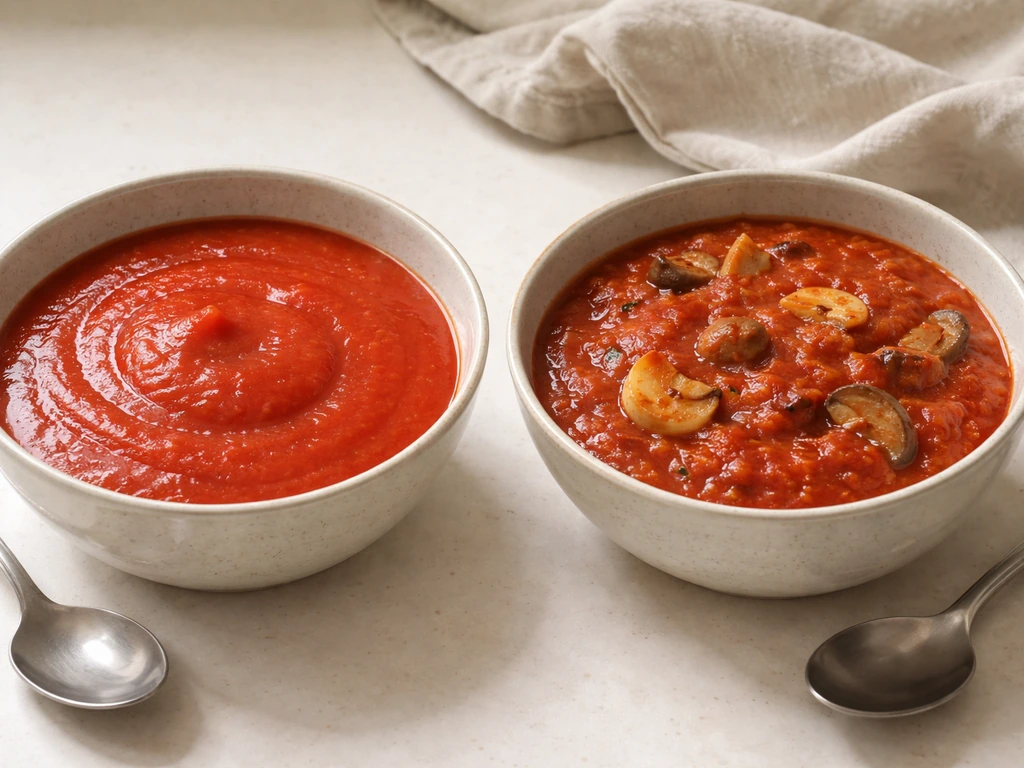
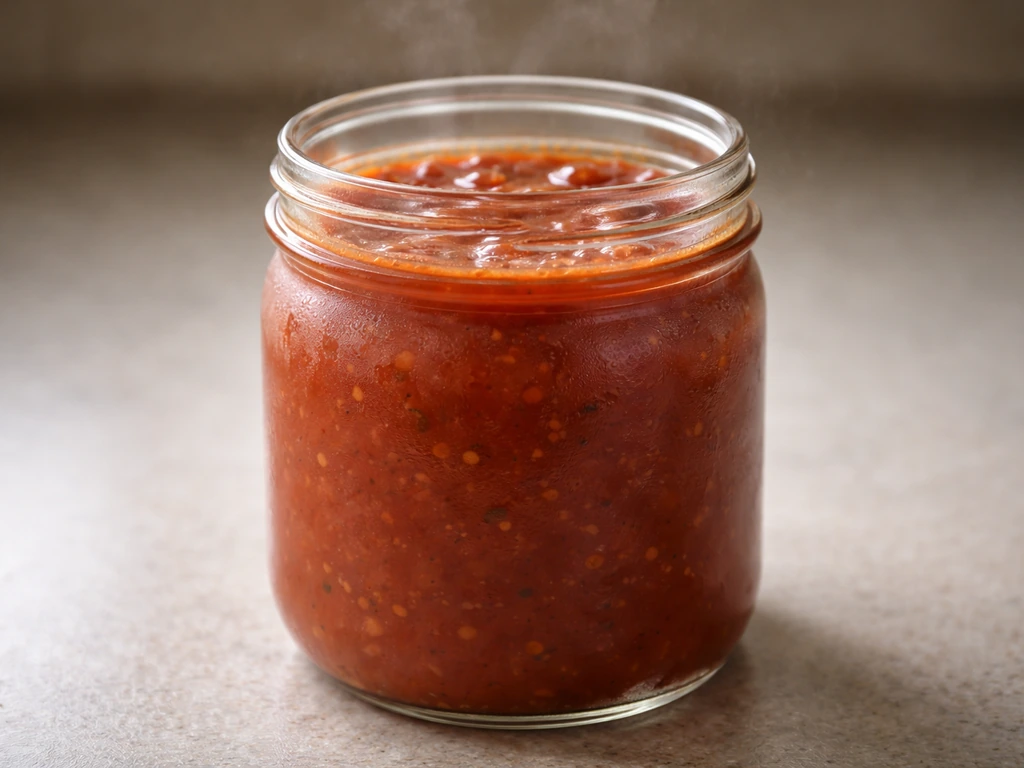
This is where most real-world botulism cases tied to tomatoes occur. The risks multiply fast when home canners skip acidification, use untested recipes, or substitute ingredients in tested recipes. A plain tomato sauce without added acid might sit at pH 4.5 or higher. Sealed in a jar with no oxygen, held at room temperature on a shelf, it is exactly the scenario C. botulinum needs. The bacteria do not announce themselves: you cannot see, smell, or taste the toxin. The only external warning signs are leaking, bulging, or swollen containers, but those signs do not always appear even when toxin is present.
Meat or vegetable tomato sauces
Tomato sauce with added meat, garlic, mushrooms, or other low-acid vegetables is a fundamentally different product from plain tomato sauce. These additions raise the overall pH of the mixture. A sauce that might have been borderline-safe as a pure tomato product can easily become a low-acid food once those ingredients are incorporated. Home-canned meat tomato sauce, bolognese, or pasta sauce with vegetables should always be pressure canned using a tested recipe, not water-bath canned. No amount of added lemon juice reliably makes a chunky meat tomato sauce safe for boiling-water processing.
Commercial canned tomato sauce
Commercial tomato sauce poses a very low botulism risk because it is produced under controlled pH monitoring and processing conditions. Commercial heat processing may not kill every spore, but commercial sauce formulations maintain pH well below 4.6, which prevents spore germination and toxin production. The risk from commercial products mainly arises from damaged cans: cans that are swollen, leaking, severely dented along seams, or show any sign of abnormal pressure should be discarded without tasting.
Leftover tomato sauce in the refrigerator
Refrigerated leftover sauce is not a significant botulism risk as long as it is stored properly. Refrigeration inhibits growth. The practical rule is to cool sauce within two hours of cooking (use shallow containers for faster cooling), refrigerate at or below 40°F (4°C), and use within 3 to 4 days. If you store sauce in a sealed, airtight container in the fridge, the anaerobic conditions are present, but the temperature is too low for germination and growth. The risk escalates only if the sauce sits at room temperature for extended periods, especially in a covered container.
How tomato sauce compares to other high-risk foods
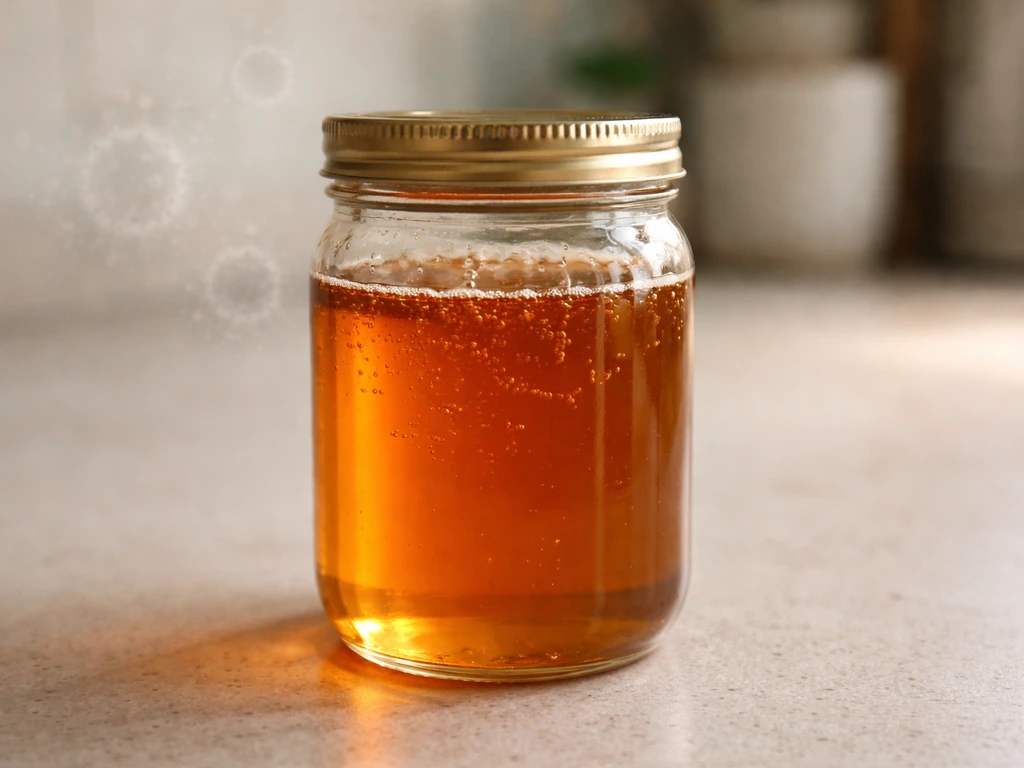
Tomato sauce occupies a middle-risk position compared to other foods associated with botulism. Foods like pickles with proper acidification sit well below pH 4.6 and are considered low-risk for botulism when prepared correctly. Honey is a well-known risk specifically for infants, not due to the same pH mechanism but because honey can contain spores that an infant's immature gut cannot handle. Coffee and soda, being acidic, are generally not botulism concerns in the same way home-canned low-acid foods are. Tomato sauce sits at the intersection of borderline acidity and common home canning practice, which is what makes it worth understanding carefully.
What safe practice actually looks like
For home canning
- Use only USDA-tested recipes from current NCHFP or USDA Complete Guide sources. Do not substitute ingredients or change proportions.
- Always add the required acid: 2 tablespoons bottled lemon juice or 1/2 teaspoon citric acid per quart of tomatoes (1 tablespoon or 1/4 teaspoon per pint).
- Use a pressure canner for any sauce with meat, garlic, onions, peppers, or other low-acid additions, regardless of how much tomato is in it.
- For plain tomato products following a tested recipe, a boiling-water canner is acceptable when acidification is done correctly.
- Process jars for the full recommended time. Do not shorten processing because the jars appear sealed.
- After cooling, check lids for a proper seal. Label with date and contents. Store in a cool, dark place.
- Inspect jars before opening: discard any jar that is bulging, leaking, has abnormal discharge, or makes an unusual sound when opened. Do not taste the contents to check safety.
For leftovers and everyday storage
- Refrigerate cooked tomato sauce within two hours of preparation. Use shallow containers to cool it faster.
- Keep refrigerator temperature at or below 40°F (4°C).
- Use refrigerated leftover sauce within 3 to 4 days.
- Freeze sauce if you want to keep it longer. Freezing completely stops C. botulinum activity.
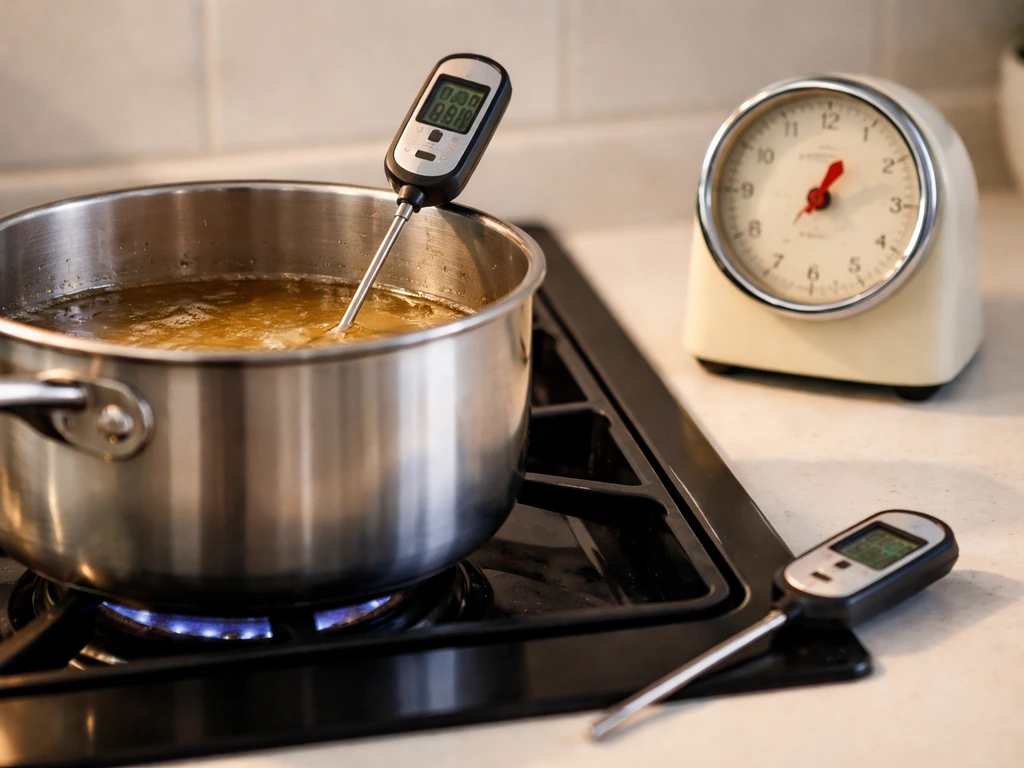
- When reheating, bring sauce to a full boil. Botulinum toxin (if somehow present) is destroyed by boiling-level heat, specifically above 85°C (185°F) for at least 5 minutes.
What to look for and discard
| Warning sign | What to do |
|---|---|
| Bulging or swollen lid/can | Do not open. Discard immediately. |
| Leaking liquid around lid or seal | Do not open. Discard immediately. |
| Unusual pressure release or spurting when opened | Do not taste. Discard. |
| Off odor when opened | Do not taste. Discard. (Note: toxin may have no odor at all.) |
| Foamy or discolored sauce inside | Do not taste. Discard. |
| Any doubt about processing method or recipe used | Do not taste. Discard. |
If you think you have botulism-contaminated sauce right now
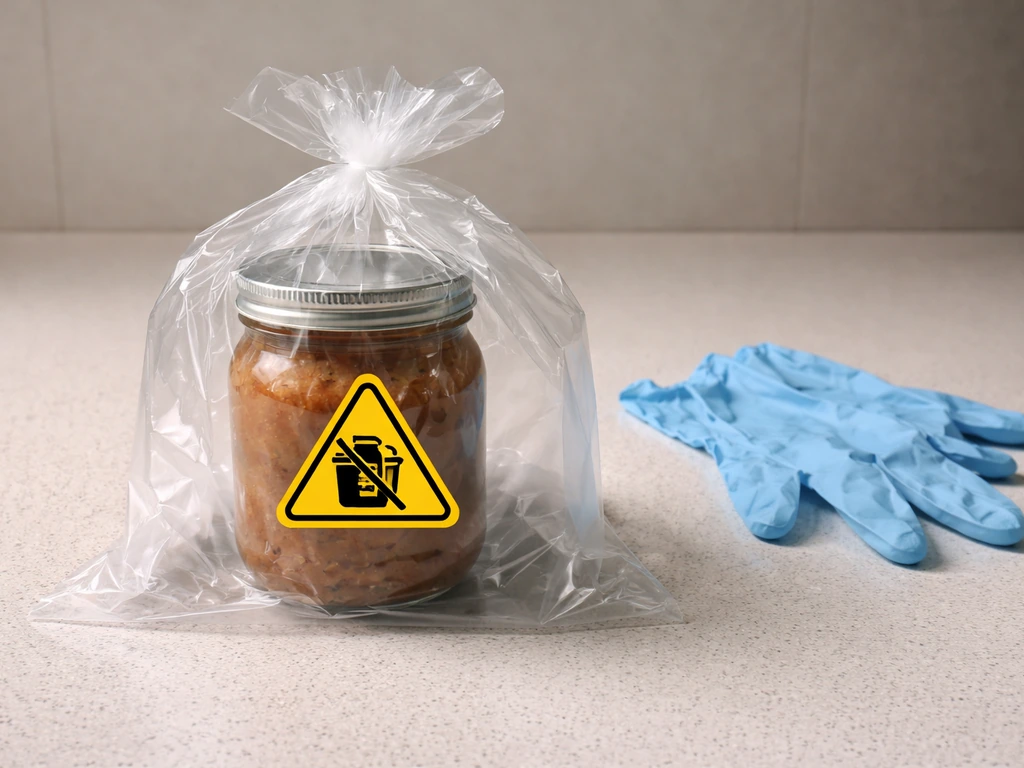
If you suspect a sauce is contaminated, do not taste it to check. Do not smell it closely. Do not pour it down the drain without precautions. Place the sealed container in a heavy garbage bag, seal the bag, and place it in a second garbage bag before disposing of it in an outdoor trash container. Clean any surfaces the sauce may have touched with a dilute bleach solution.
If someone has already eaten a suspect sauce and is experiencing symptoms (double vision, drooping eyelids, difficulty swallowing, slurred speech, muscle weakness, difficulty breathing), call 911 or go to an emergency room immediately. Botulism is a medical emergency. Antitoxin is most effective when given early, and clinicians can contact the state public health department for emergency antitoxin release through the CDC.
If you are a food safety professional or are dealing with a situation where multiple people may have eaten from the same batch, contact your local or state health department right away. Botulism outbreaks require rapid public health investigation to identify all exposures and prevent additional cases. You can also contact the CDC Emergency Operations Center at any hour. These situations are taken seriously and the public health system is equipped to respond quickly.
The reassuring reality is that botulism from tomato sauce is entirely preventable. Understanding the pH threshold, following tested acidification and processing methods, and keeping sauce properly refrigerated are the three practical controls that virtually eliminate the risk. The danger is not in tomato sauce itself but in the gap between what the food requires and what the preparation actually delivers.
FAQ
How can I tell if my home-canned tomato sauce is safe if I don’t know the pH or recipe details?
You cannot confirm safety by looking for bubbles, color change, or an off smell, because toxin can be present without obvious sensory signs. Use pH testing or follow a validated recipe and processing time, and if you have a jar from an untested method, treat it as unsafe.
Does pressure canning make up for skipping added lemon juice or citric acid in tomato sauce?
If your recipe did not specifically call for adding bottled lemon juice or citric acid (with the measured amount per quart or pint) you should assume the finished pH may be above the 4.6 growth threshold. Even pressure canning does not make skipped acidification “safe by default” for many tomato products.
If my sauce recipe includes meat or vegetables, can I still process it like plain tomato sauce?
Yes, certain additions can shift a tomato sauce from “acidic enough” to “low-acid,” which changes what can go wrong. Meat, mushrooms, onions, and other low-acid ingredients raise overall pH, so they should be processed with a tested pressure-canning approach for that specific formulation, not a water-bath approach.
What should I do if I suspect a jar is contaminated, can I re-boil it to make it safe?
“Boiling the jar” after you notice it is not safe does not reliably fix the problem, because spores can survive typical boiling. If the container is bulging, leaking, or otherwise suspect, discard it using the bagging and surface-cleaning steps, do not attempt to reprocess.
How long can I keep refrigerated leftover tomato sauce, and what if it sat out for a while?
For leftovers, the main risk comes from time at unsafe temperatures in an anaerobic container. Cool to refrigerator promptly, keep at or below 40°F (4°C), and use within 3 to 4 days. If it sat at room temperature for more than 2 hours (or 1 hour if very hot conditions), discard rather than “just refrigerate it.”
Is commercially packaged tomato sauce safe if the can looks normal, and what if it is dented or swollen?
Unopened, shelf-stable commercial tomato sauce is generally low risk when it is undamaged, because it is produced with pH monitoring and controlled processing. If you see damaged seams, leakage, swelling, or abnormal can condition, discard it and do not taste.
After opening a jar of tomato sauce, does the botulism risk change compared with leaving it unopened?
Yes, partially used home-canned tomato sauce can be risky if it is stored at unsafe temperatures, because refrigeration slows growth but does not undo toxin already produced. Once opened, refrigerate promptly and follow short-use timing, and if any jar shows signs of spoilage, do not sample or try to “save” it by boiling.
If several people ate the same suspicious sauce, who should I contact and what information should I gather?
If multiple people may have eaten from the same batch, you should alert public health rather than only seeking personal medical care. Provide batch details, where the sauce was obtained or canned, and the date opened or served so investigators can trace exposures quickly.
Next Article
Can Botulism Grow in Honey? Risks for Infants vs Adults
Explains if botulism spores can persist or germinate in honey, why infants are at risk, and what to do today.