Yes, bacteria can grow in sugar water, but only under the right conditions. Diluted sugar water (think a light lemonade or a sugar syrup with less than about 50% sugar) has enough available moisture to support bacterial growth just like plain water does. Concentrated sugar solutions, on the other hand, can actually inhibit most bacteria by pulling water out of microbial cells through osmotic pressure. The key variable isn't whether sugar is present, it's how much sugar, how much free water remains, and what the storage conditions look like.
Can Bacteria Grow in Sugar Water? Food Safety Guide

Marcus Reeves
5 Jun 2026
Why sugar can (and can't) help bacteria grow
There's a common assumption that sugar feeds bacteria and automatically makes something more dangerous. That's partly true and partly misleading. Sugar is a carbon source, and bacteria that encounter a light sugar solution will happily use it as a nutrient. So in diluted sugar water, sugar can absolutely support bacterial growth by providing energy.
But flip to the other extreme and the story changes completely. Honey, for example, has a water activity of roughly 0.5 to 0.65, far below what most bacteria need to survive and grow. That low water activity comes from the extremely high sugar concentration, which creates a hyperosmotic environment. Bacteria placed in this environment lose water to osmosis and can't grow, and many can't survive at all. This is exactly why honey has been used as a preservative for thousands of years.
So sugar plays two roles: at low concentrations it's a nutrient that helps bacteria; at very high concentrations it's a barrier that stops them. Where the line falls depends on water activity, which is the actual measurement that matters here.
Sugar concentration and water activity: when bacterial growth is actually possible
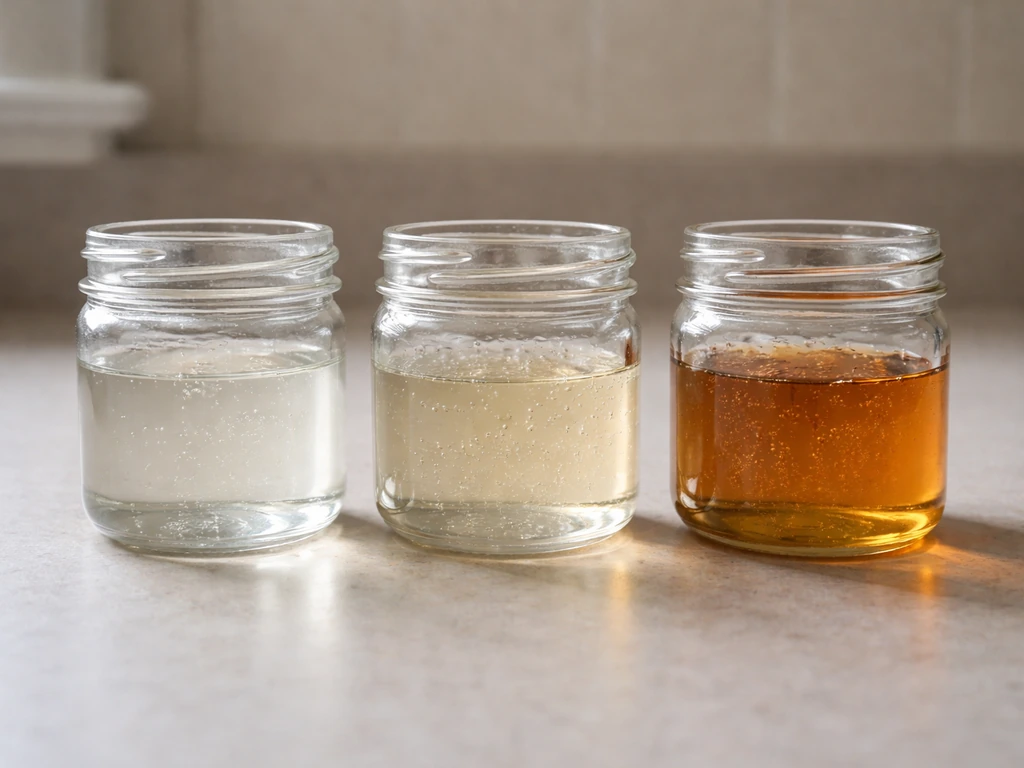
Water activity (aw) is a measure of how much free, available water exists in a solution or food, expressed on a scale from 0 to 1. Pure water is 1.0. The more dissolved sugar, the lower the water activity. Most bacteria need aw above about 0.91 to grow. Some pathogens like Clostridium botulinum need aw of at least 0.93, and Bacillus cereus has a similar minimum around 0.93. Staphylococcus aureus is the hardiest common bacterial pathogen in this regard, capable of growth down to about 0.86 under aerobic conditions.
To put those numbers into real sugar concentrations: UC Davis measurements of sucrose solutions at 25°C show that a 28.6% sucrose solution has aw of about 0.969, a 44.4% solution drops to 0.941, 50% sucrose sits around 0.927, 60% sucrose reaches 0.900, and only at about 66–68% sucrose does aw approach the 0.85–0.86 range where even S. aureus growth is suppressed. That means a standard simple syrup (roughly 50% sugar by weight) still has water activity comfortably in the range where most bacteria can grow if conditions are otherwise right.
| Sucrose Concentration (% w/w) | Approximate Water Activity (aw) | Bacterial Growth Risk |
|---|---|---|
| 10–30% | 0.97–0.99 | High — most bacteria can grow freely |
| 44% | ~0.941 | High — most bacteria can still grow |
| 50% | ~0.927 | Moderate — most bacteria can grow; C. botulinum inhibited below 0.93 |
| 60% | ~0.900 | Lower — growth of common pathogens possible; S. aureus still viable |
| 67–68% | ~0.85–0.86 | Low — most bacterial pathogens inhibited; S. aureus at its limit |
| 75%+ (honey-like) | 0.50–0.65 | Very low — bacteria generally cannot grow |
The FDA uses 0.85 as its regulatory cutoff for low water activity in food preservation: products at or below aw 0. FDA guidance for industry describes 0.85 aw as the generally recognized low water activity cutoff for preventing bacterial pathogen growth when setting preventive controls 0.85 as its regulatory cutoff for low water activity in food preservation. 85 are considered controlled from a bacterial pathogen standpoint. Anything above that threshold needs additional safeguards. This is why light sugar syrups, toppings, and even some puddings can still harbor bacterial growth risks, the sugar content alone isn't high enough to drive aw down to a safe level.
Other conditions that decide whether bacteria actually grow
Water activity is the biggest lever, but bacteria don't just respond to one variable. Four other factors interact with sugar concentration to determine whether growth happens in a real-world sugar solution.
Temperature
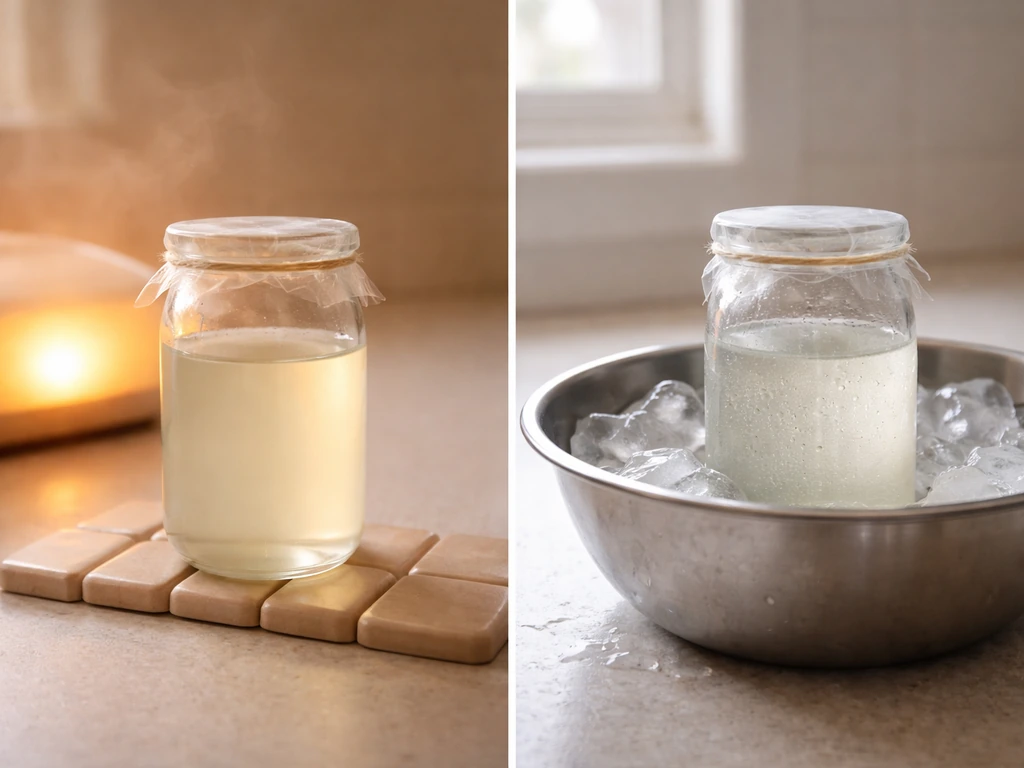
Most foodborne pathogens grow fastest between 40°F and 140°F (4°C and 60°C), the classic danger zone. Leaving diluted sugar water at room temperature (around 68–77°F / 20–25°C) puts it squarely in the range where bacteria double rapidly. Refrigeration at 38–40°F (3–4°C) slows or stops growth for most common bacteria, though it's not a universal fix for every pathogen. FDA/CFSAN BAM Chapter 17 notes that refrigeration is not sufficient to prevent growth and toxin formation by nonproteolytic C. botulinum strains, so temperature control alone cannot be relied on for all hurdle sets not a universal fix for every pathogen. Freezing stops growth entirely but doesn't kill bacteria.
pH
Most bacteria prefer a pH near neutral (6.5–7.5). Acidifying sugar water, for example by adding lemon juice to make lemonade, pushes pH down and creates an additional hurdle for bacterial growth. C. botulinum, in particular, is inhibited in acidic environments (pH below about 4.6). Research confirms that both aw and pH are key determinants for whether C. botulinum can grow and produce toxin, sugar concentration alone doesn't tell the full story.
Oxygen availability
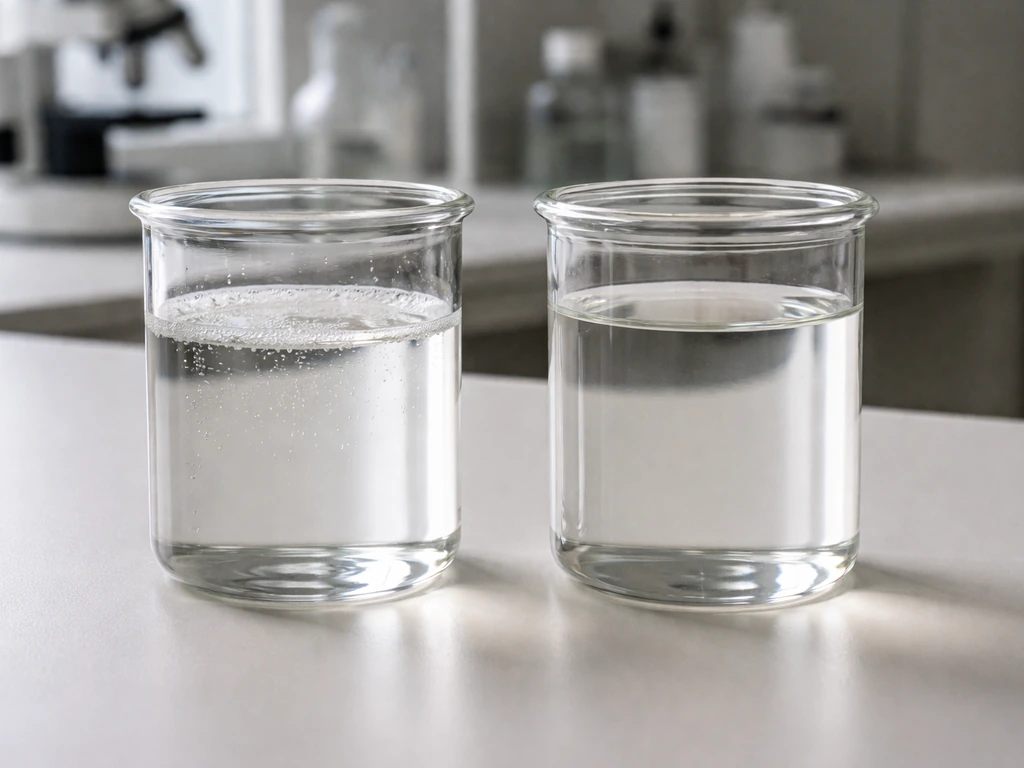
Aerobic bacteria need oxygen and won't grow in sealed, oxygen-free environments. Anaerobes like C. botulinum, on the other hand, prefer the absence of oxygen, which is why it's a concern in sealed, canned, or vacuum-packed products rather than open containers. Because canned foods are often sealed and oxygen-limited, the bacteria that can grow there depend on conditions like water activity and temperature sealed, canned, or vacuum-packed products. If you're storing sugar water in an open container, aerobic spoilage bacteria and yeasts are the more likely concern. Seal it tightly without proper controls and anaerobes become relevant.
Time
Even when conditions are marginal for growth (aw just above a pathogen's minimum, temperature near the lower limit), bacteria can still multiply given enough time. A sugar-water drink left on the counter for two hours might be fine; the same drink left for 24 hours at room temperature is a different calculation. Time is the multiplier that turns a small contamination event into a food safety problem.
Survival vs. growth: what bacteria actually do in sugar solutions
There's an important distinction between bacteria surviving in sugar water and bacteria actively multiplying. In a moderately concentrated sugar solution (say, 60–66% sucrose), the water activity is low enough to suppress active growth for most bacteria, but it doesn't necessarily kill them. Pathogens can persist in a dormant or stressed state and revive if the solution gets diluted or warmed up.
In very high-sugar environments like undiluted honey (aw 0.50–0.65), the osmotic pressure is so extreme that most bacteria cannot survive for long. But even here, some organisms tolerate the stress better than others. Osmophilic yeasts, particularly Zygosaccharomyces rouxii, can grow slowly at aw as low as 0.61 and are responsible for fermentation in honey, jams, and concentrated syrups when the water content creeps up even slightly. These aren't bacteria, but they illustrate that no sugar solution is biologically inert.
For practical purposes: diluted sugar water (under about 50% sugar) should be treated like any perishable liquid. Concentrated syrups above roughly 67% sugar are genuinely resistant to most bacterial growth, but the protection is concentration-dependent and can be lost quickly if the syrup absorbs moisture, gets diluted, or is handled with contaminated tools.
It's worth noting that similar logic applies to other high-sugar or high-alcohol environments. The ability of microbes to grow in wine, for instance, depends on alcohol content and pH alongside residual sugar, sugar alone being present in grape juice tells you very little about whether wine is microbiologically stable.
Practical steps to prevent contamination and store sugar solutions safely
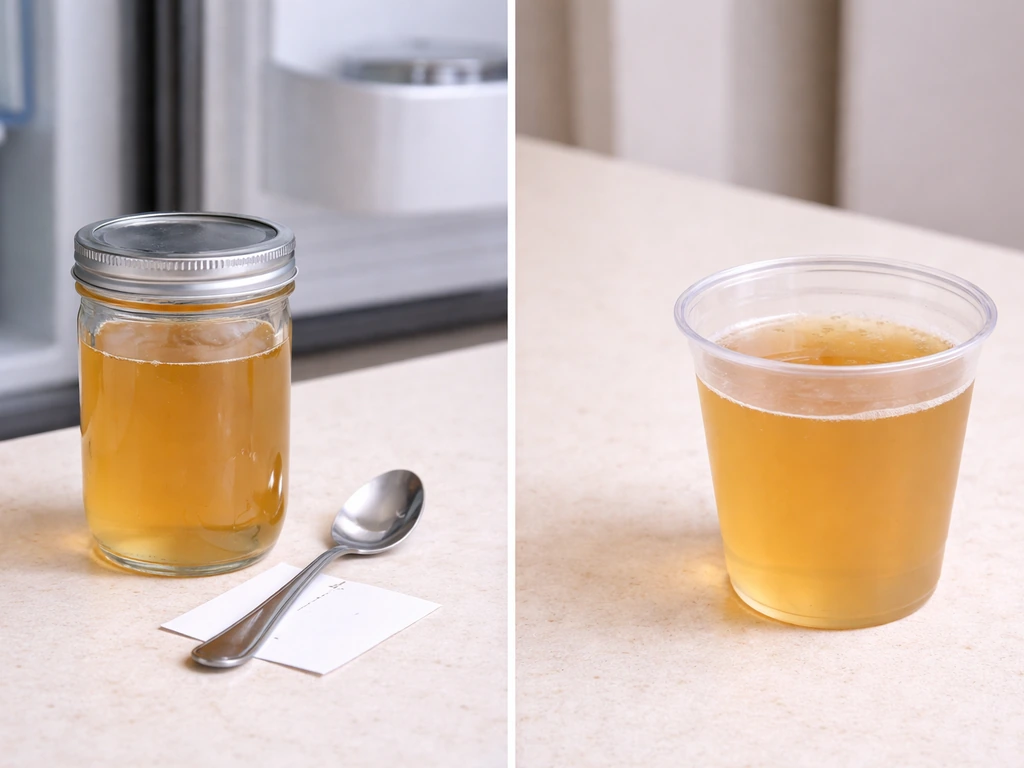
If you're dealing with a specific sugar-water scenario today, here's how to think through and manage the risk.
- Identify the concentration. If your sugar solution is less than about 50% sugar by weight (roughly 1 part sugar to 1 part water by volume), it has water activity well above 0.92 and can support bacterial growth. Treat it as perishable.
- Refrigerate diluted sugar solutions promptly. Anything below about 65–67% sugar (aw above ~0.86) should go in the refrigerator at 40°F (4°C) or below if you're storing it for more than a few hours. This applies to simple syrups, flavored sugar drinks, sugar-based sauces with water, and similar products.
- Use clean equipment. Bacterial contamination usually enters sugar water through unclean containers, spoons, or hands. Washing containers with hot, soapy water before use and avoiding double-dipping utensils reduces the initial bacterial load significantly.
- Cover open containers. Open sugar solutions at room temperature can pick up bacteria and yeasts from the environment and from insects (particularly relevant with honey and syrups). Keep containers covered when not in use.
- Consider acidification as a hurdle. If you're making a sugar-water product at home, adding lemon juice or citric acid to bring pH below 4.6 creates an additional layer of protection against bacterial growth, particularly against C. botulinum in sealed containers.
- Don't rely on sugar alone for preservation. Unless you're working with a measured aw at or below 0.85, don't assume sugar concentration makes a product safe. The transition from safe-if-refrigerated to shelf-stable requires a precisely high sugar concentration, and most kitchen preparations don't reach it without verification.
- Watch for signs of spoilage. Fermentation, bubbling, off odors, cloudiness, or mold growth in a sugar solution are signs of microbial activity. Discard the product and clean the container thoroughly.
- For shelf-stable sugar syrups used in food production, verify aw with an instrument rather than estimating from percent sugar. The relationship between concentration and aw is consistent at a lab level but can shift with temperature, other dissolved solids, and hygroscopic conditions.
The bottom line: sugar water is not inherently safe from bacteria. Bacteria can also grow on plastic surfaces when moisture and nutrients are present, even if the plastic itself is not a food source. Coffee is also a liquid food, so whether can bacteria grow in coffee depends on similar conditions like water activity and temperature sugar water is not inherently safe from bacteria. The protection sugar provides is real but concentration-dependent, and most everyday sugar solutions don't have nearly enough sugar to suppress bacterial growth on their own. Combine an accurate read on concentration with temperature control, good hygiene, and (where relevant) pH control, and you have a reliable, practical approach to keeping sugar-water products safe.
FAQ
If I made sugar water at home, can bacteria grow in it even when I don’t add anything else?
Yes, especially if the “sugar water” is light (roughly under 50% sugar by weight) and left warm. Even tiny contamination can start growth quickly, so it helps to treat it like other perishable drinks: keep it cold, and use it promptly after mixing.
What’s more dangerous, high-sugar syrup or diluted sugar water after it sits?
Dilution is the biggest risk shift. If you start with a concentrated syrup and later add water (or it mixes with meltwater, condensation, or leftover moisture), water activity rises and dormant microbes can resume growth. Always consider how the final mix will actually taste and measure, not just the recipe.
Does sealing sugar water stop bacterial growth completely?
Sealed containers can reduce oxygen for aerobic spoilage, but they do not automatically make the mixture safe. In sealed, low-oxygen environments, different organisms may become relevant, so you still need low water activity (high enough concentration) and safe temperature handling.
If I freeze sugar water, is it safe once thawed?
Freezing stops growth but doesn’t reliably sterilize. When you thaw, surviving bacteria can multiply again if the thawed sugar water ends up above safe temperatures. For safety, thaw in the refrigerator and don’t repeatedly warm and cool the same batch.
Can sugar water spoil if bacteria can’t grow?
Yes, yeasts can grow even when most bacteria are suppressed, particularly at intermediate water activity levels found in some syrups and jams. That can cause fermentation, bubbles, souring, or off flavors, so “no bacteria” does not mean “no spoilage.”
Does adding lemon juice make sugar water safe from all bacteria?
Lemon juice or other acidic ingredients can add an extra hurdle by lowering pH, but you cannot assume “lemon equals safe.” The mixture still depends on water activity, and some toxins or microbes have specific pH and temperature limits, so proper concentration and refrigeration still matter.
Is honey-based sugar water always safe because honey resists bacteria?
Honey is a special case because its water activity is typically too low for most bacteria, but it can change when honey is diluted, absorbs moisture, or is heated and then re-equilibrates. Use clean utensils and avoid introducing water to prevent water activity from rising.
How long can sugar water sit out before it becomes risky?
Temperature and time work together. A short period at room temperature may be low risk, but extended storage, especially around the 40°F to 140°F (4°C to 60°C) range, increases the chance that any contaminants will multiply to unsafe levels.
Can poor hygiene cause bacteria to grow in sugar water even if the recipe has enough sugar?
Yes. If you prepare sugar water with a spoon, container, or measuring cup that previously touched food or saliva, you can introduce microbes and start growth even if the sugar concentration would otherwise suppress bacteria.
If sugar water sat for a while, does reheating make it safer?
Some organisms can persist in stressed states at borderline conditions and then “bounce back” if the solution gets warmer or diluted. That means reheating or warming the drink later can be worse than keeping it consistently cold, since it gives surviving cells a better chance to multiply.
How can I tell if my sugar water is concentrated enough to inhibit bacteria?
Measure by concentration when possible, not just by “how sweet it seems.” Syrups can end up more dilute than expected due to incorrect ratios, humidity absorption, or mixing with ice, and that can move water activity into the range where growth is possible.
Next Article
Can Bacteria Grow in Lemon Juice? Growth Risk Explained
Learn if bacteria can grow in lemon juice, how acidity affects survival vs multiplication, and safe storage steps.