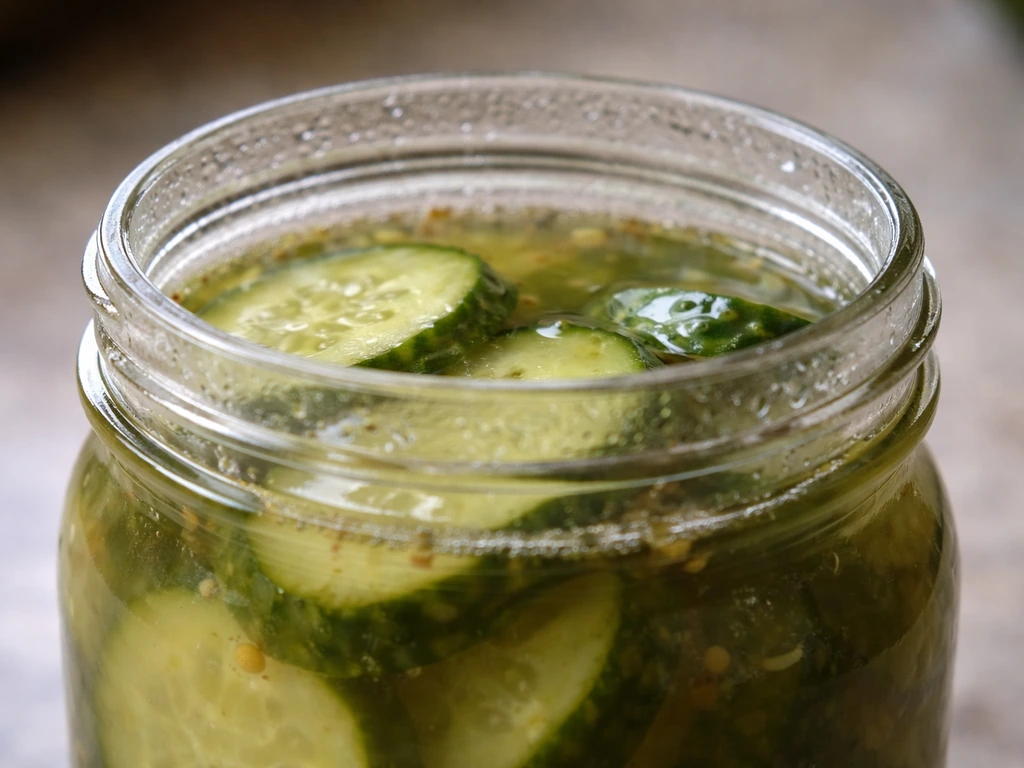
Bacteria can survive in lemon juice briefly, but genuine growth (actual multiplication) in pure, undiluted lemon juice is extremely unlikely for most pathogens. Some people use apple cider vinegar for a similar sour, acidic purpose, but you still generally rely on acidity plus safe handling rather than expecting bacteria to grow in it can bacteria grow in apple cider vinegar. The reason is pH. Fresh lemon juice typically sits between pH 2.0 and 2.6, which is harsh enough to kill or severely inhibit the vast majority of foodborne bacteria. That said, lemon juice is not a sterile, foolproof preservative. Dilution, added sugar, warm temperatures, and cross-contamination can all shift conditions enough to allow some microorganisms to hang on longer than you might expect.
Can Bacteria Grow in Lemon Juice? Growth Risk Explained

pH and acid stress in lemon juice
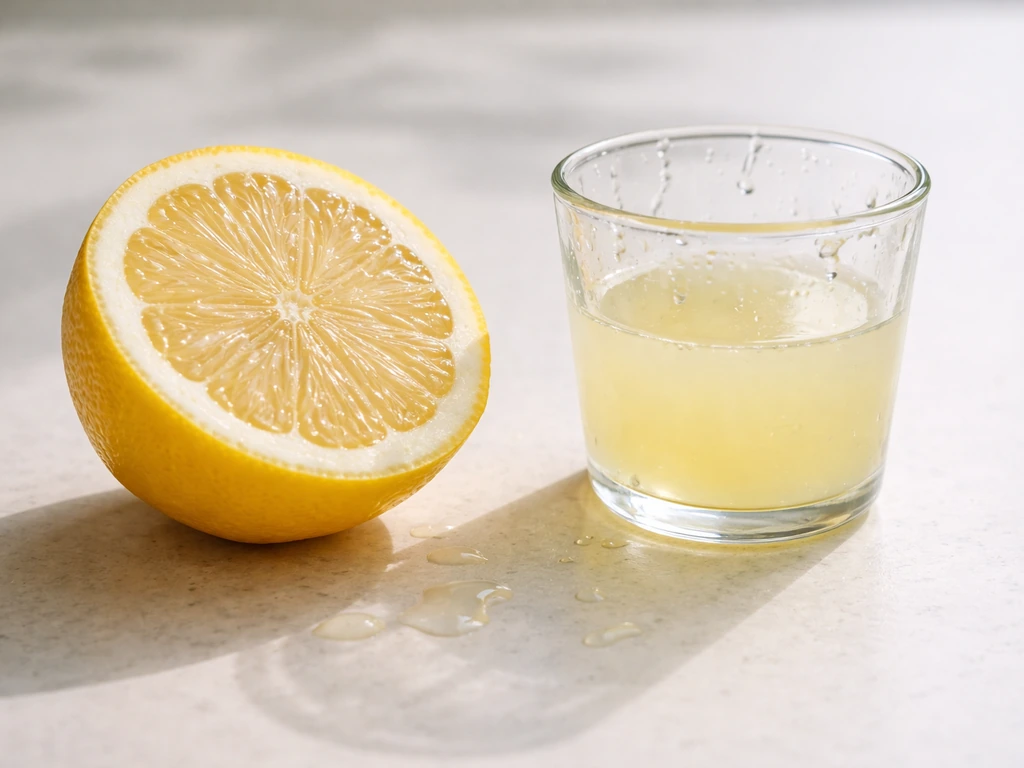
The defining characteristic of lemon juice is its acidity. Most fresh lemon juice measures between pH 2.0 and 2.6, with some references pegging commercial or concentrated juice closer to pH 2.0 to 2.2. To put that in context, the FDA draws its regulatory line for "acidified foods" at pH 4.6, meaning lemon juice sits well below the threshold already considered hostile to pathogens. For acidified foods, FDA sets the regulatory standard based on a finished equilibrium pH of 4.6 or below (with water activity greater than 0.85) FDA draws its regulatory line for "acidified foods" at pH 4.6. U.S. regulations for lemon juice from concentrate (21 CFR § 146.114) also specify a minimum titratable acidity of at least 4.5% by weight as anhydrous citric acid, which confirms that maintaining high acidity is a legal quality standard, not just a culinary observation.
What acid actually does to bacteria is disrupt their internal chemistry. Most bacteria maintain an internal pH close to neutral (around 7.0) to keep enzymes functioning. When they're submerged in something as acidic as lemon juice, hydrogen ions flood in, the internal pH drops, proteins denature, and DNA replication stops. At pH 2.0 to 2.6, that happens fast for most species.
Can bacteria grow vs just survive in lemon juice
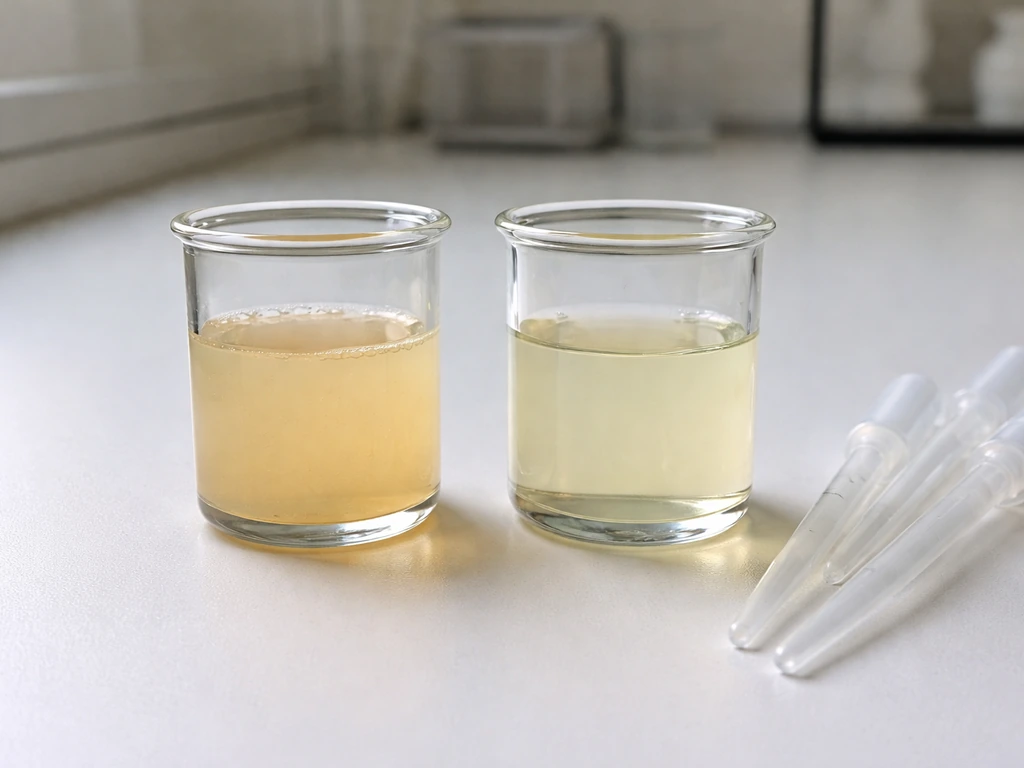
This distinction matters a lot practically. "Survival" means bacteria are present and detectable but not multiplying. "Growth" means active cell division, doubling populations, and increasing risk. In undiluted lemon juice at its natural pH, almost no common foodborne pathogen can grow. Organisms like Salmonella, E. coli O157:H7, and Listeria monocytogenes all have minimum growth pH values in the range of 4.0 to 4.5 depending on the strain and other conditions. blank" rel="noopener noreferrer">Lemon juice at pH 2.0 to 2.6 sits far below their tolerance floors.
Survival is a different story. Some bacteria can persist in highly acidic environments for hours or even days without multiplying, especially if they're protected by food particles, fat, or biofilm. A contaminated lemon that transfers bacteria when you squeeze it, for example, could deposit cells into juice that survive long enough to cause a problem if conditions change. So the practical risk isn't usually growth in the juice itself; it's survival followed by transfer into a less hostile environment.
Which kinds of bacteria are most likely to tolerate acidic juice
Acid-tolerant bacteria, sometimes called acidophiles or acid-resistant organisms, are the ones worth knowing about in this context. No major category of common foodborne pathogens thrives at pH 2.0 to 2.6, but a few types show higher tolerance than others.
- Lactic acid bacteria (LAB): Species like Lactobacillus and Leuconostoc are found in fermented foods and are naturally adapted to acidic environments. Some strains survive and occasionally grow at pH values approaching 3.0 to 3.5. They aren't typically dangerous pathogens, but their presence in lemon-based drinks or sauces signals an acidic but not sterile environment.
- Acetobacter and Gluconobacter: These acetic acid bacteria survive and grow in acidic, oxygen-rich conditions. They're the organisms behind vinegar fermentation. They're not foodborne pathogens but can spoil lemon-based products.
- Acid-adapted E. coli: Certain strains of E. coli, particularly E. coli O157:H7, have acid resistance mechanisms that allow them to survive (though not grow) at low pH. Studies have shown these strains can persist in acidic fruit juices for a period of time before dying off.
- Zygosaccharomyces rouxii and other osmotolerant yeasts: Not bacteria, but worth mentioning because they can grow in high-acid, high-sugar lemon preparations like lemon curd or lemonade concentrate where bacteria cannot.
In short, the bacteria most likely to survive longest in lemon juice are acid-adapted strains, not the typical pathogens you'd worry about in meats or dairy. The bigger spoilage risk in acidic lemon products often comes from yeasts and molds rather than bacteria.
Factors that change results: dilution, sugar, water activity, temperature, and oxygen
Pure lemon juice is rarely consumed or used in isolation. Once you start mixing it into other preparations, the protective acidity changes, and the risk picture shifts. Here are the main variables to understand.
Dilution
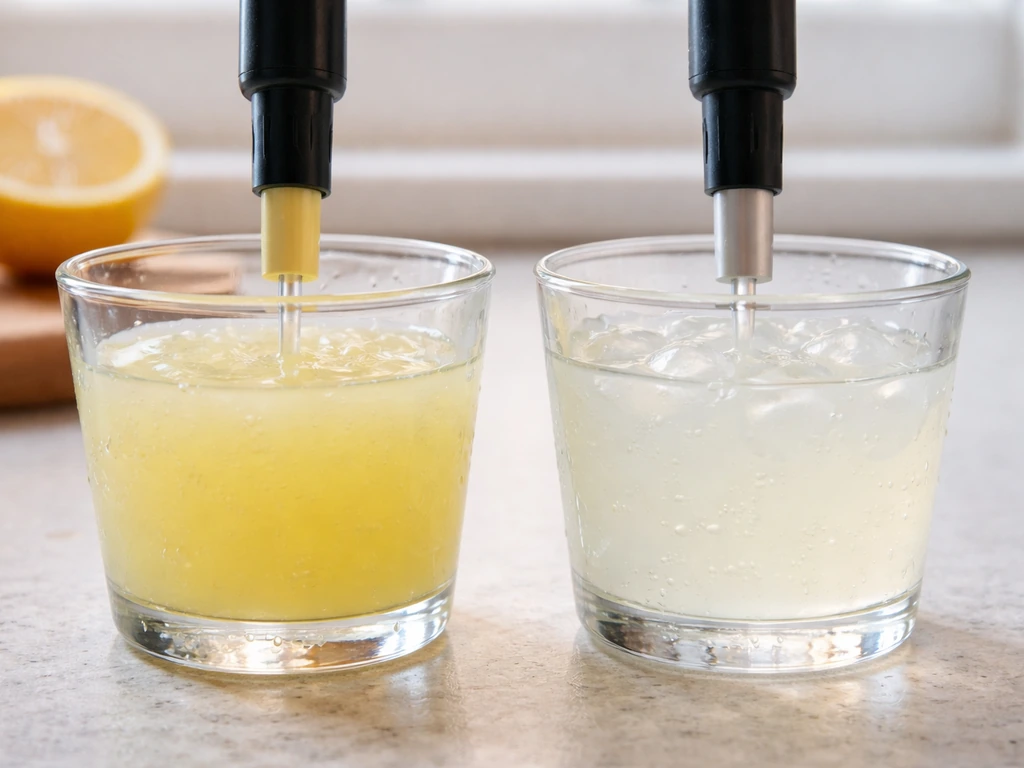
This is the most important factor. Lemonade, cocktails, dressings, marinades, and sauces all dilute lemon juice with water, stock, or other ingredients. A typical homemade lemonade using about one part lemon juice to five or six parts water can raise the final pH to 3.5 or higher. At pH 3.5 to 4.0, some bacteria can survive more comfortably, and at pH 4.5 or above, growth becomes possible for several pathogens. The more you dilute, the closer you get to conditions where bacteria can actually multiply. Hot sauce can similarly be unsafe when it is diluted, warmed, or contaminated, so food-handling conditions matter bacteria can actually multiply.
Added sugar
Sugar has a dual effect. In very high concentrations (as in preserves, candied lemon peel, or thick syrups), sugar lowers water activity enough to inhibit bacterial growth even if pH rises. But at the moderate sugar levels in lemonade or lemon-flavored drinks, sugar doesn't provide that protection. It mainly serves as a carbon source that supports microbial metabolism if bacteria are already present and pH has risen enough to let them function.
Water activity
Water activity (Aw) describes how much free water is available for microbial use. Fresh lemon juice has a high water activity (close to 1.0), meaning water is freely available. Most bacteria need Aw above 0.91 to 0.95 to grow. Lemon juice alone doesn't reduce water activity enough to be protective on that front. The low pH is doing almost all the antimicrobial work in undiluted juice.
Temperature
Temperature interacts with pH in important ways. At refrigerator temperatures (below 40°F or 4°C), bacterial metabolism slows significantly even in conditions where growth might otherwise be possible. At room temperature (68 to 77°F or 20 to 25°C) or warmer, any bacteria that survive the acid stress are more metabolically active and more likely to grow if pH conditions permit. This is especially relevant for diluted lemon preparations left at room temperature for extended periods.
Oxygen
Oxygen exposure matters mainly for spoilage organisms rather than pathogens. Aerobic bacteria and yeasts need oxygen to grow efficiently. Open containers of lemon juice or lemonade exposed to air are more vulnerable to surface spoilage. Keeping containers sealed reduces this exposure, though it won't change the pH dynamics that govern pathogen risk.
Time, contamination route, and safe handling
Even in lemon juice where bacteria can't grow, time matters because survival isn't instant death. Pickle juice is also an acidic brine, so the same basic ideas about whether bacteria can grow versus merely survive apply. A pathogen introduced via a contaminated cutting board, unwashed lemon skin, or dirty hands can persist for hours or longer in the juice before the acid kills it. During that window, if the juice is consumed or transferred to a more hospitable environment, the surviving cells can still cause illness.
The most common contamination routes for lemon juice are the lemon surface itself and handling equipment. Lemon rinds can harbor Salmonella and E. coli picked up during growing, harvesting, and transport. When you squeeze a lemon, the rind makes contact with the juice extractor and can transfer surface bacteria directly into the juice. Cutting the lemon with a knife that touched raw meat or an unwashed cutting board is another direct route.
Practical steps to minimize contamination at the source:
- Wash lemons under running water and scrub the rind before cutting or squeezing, even if you're not using the zest.
- Use a clean knife and cutting board dedicated to produce, not raw proteins.
- Wash hands before handling lemons or juice.
- Sanitize juicing equipment before use, especially if it's been sitting out.
- Avoid squeezing juice into containers that previously held raw meat, fish, or eggs without thorough washing.
How to reduce risk: storage, refrigeration, sanitation, and preservation limits
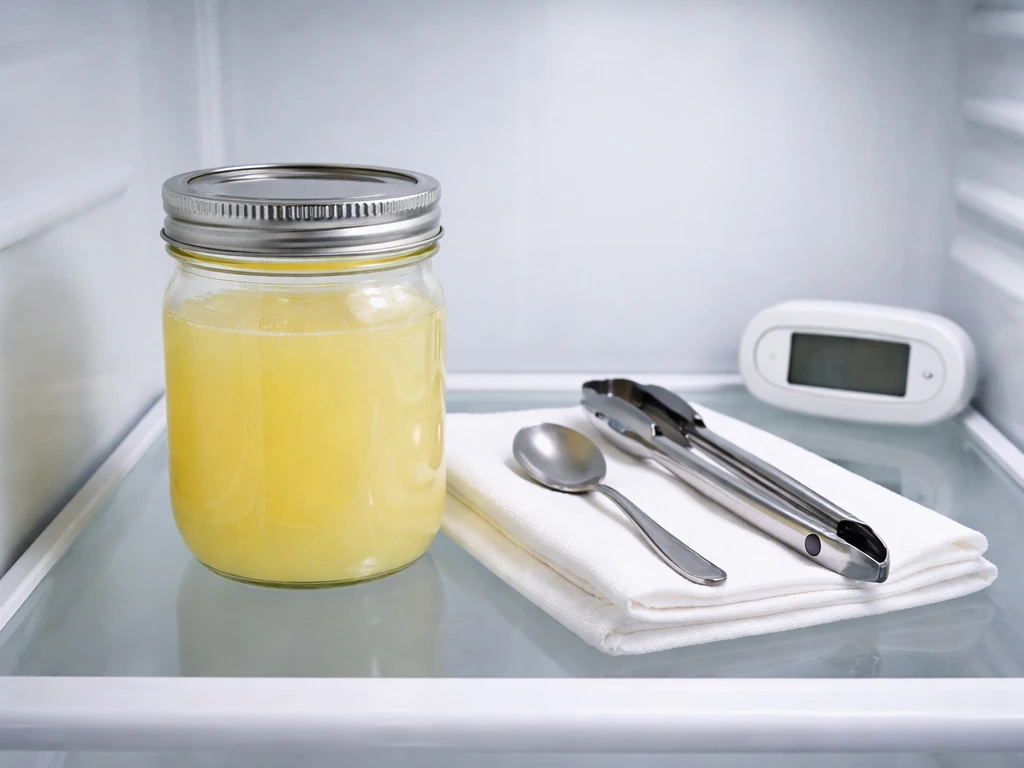
Pure, freshly squeezed lemon juice stored in a clean, sealed container in the refrigerator is very low risk from a bacterial growth standpoint. Can bacteria grow in dip powder is a different question, because dip powder can create conditions that are not as acidic as lemon juice. Its natural pH is hostile enough to prevent multiplication of virtually all foodborne pathogens, and cold temperatures slow any residual survival further. Most sources recommend using fresh lemon juice within two to three days when refrigerated, not because of bacterial growth in the juice itself, but because quality degrades and there's always potential for spoilage organisms to accumulate over time.
For lemon-based preparations where the pH is higher (diluted lemonade, dressings, marinades, or lemon sauces with added water or stock), treat those like any other mildly acidic perishable food. Refrigerate within two hours of preparation, keep below 40°F (4°C), and use within three to four days. Don't leave diluted lemon drinks at room temperature for more than two hours, especially in warm conditions above 90°F (32°C), where that window shrinks to one hour.
For longer storage, freezing is the most reliable option. Lemon juice freezes well in ice cube trays and maintains quality for three to four months. High-acid lemon juice can also be canned using tested water bath canning recipes, but pH must be verified to ensure it stays below 4.6 throughout the finished product.
It's worth noting that similar acid-based liquids like vinegar and pickle juice operate on the same general principles: low pH creating an inhospitable environment for pathogens. Similarly, can bacteria grow in vinegar? The answer follows the same low pH logic. Hot sauce and soy sauce add salt as an additional preservation mechanism alongside acid. Lemon juice relies almost entirely on pH, which is why dilution is the biggest risk factor to manage.
What to do if lemon juice might be contaminated
If you have reason to believe lemon juice or a lemon-based preparation was contaminated, the decision tree is straightforward. Discard it rather than try to "re-acidify" or reheat it to safety. There's no reliable home method to verify whether bacteria were present, survived, or transferred to the juice, and the cost of discarding a cup of lemon juice is far lower than the risk of illness.
| Situation | What to do |
|---|---|
| Lemon juice left at room temperature for more than 2 hours (diluted/mixed product) | Discard |
| Lemon juice squeezed with unwashed lemons or contaminated equipment | Discard if in doubt; otherwise, refrigerate immediately and use within 24 hours |
| Pure lemon juice stored sealed in the fridge for more than 4 to 5 days | Discard; quality and safety both decline |
| Lemon-based preparation with visible mold, off smell, or unusual cloudiness | Discard immediately |
| Lemon juice used in a marinade that also touched raw meat | Treat as cross-contaminated; discard any remaining marinade, do not reuse |
| You consumed lemon juice and feel ill (nausea, vomiting, diarrhea) | Seek medical advice, especially if symptoms are severe or persistent |
Mild gastrointestinal discomfort after consuming sour or acidic foods can have non-bacterial causes, including irritation from the acid itself. However, if symptoms are significant, prolonged, or accompanied by fever, it's worth contacting a healthcare provider and mentioning what you ate and when. Food safety agencies like the FDA and CDC provide resources for reporting suspected foodborne illness if you believe others may have been affected by the same source.
The bottom line is that lemon juice's naturally low pH makes it a genuinely hostile environment for most bacteria. The real risk comes from conditions that dilute that acidity, raise the temperature, or introduce contamination via poor handling. Keep it cold, keep it concentrated, keep your equipment clean, and lemon juice is one of the safer liquids you'll work with in a kitchen.
FAQ
If lemon juice tastes fine or smells normal, can bacteria still be present or harmful?
Not reliably. Acidified foods that are contaminated can contain cells that survive for a time, and reheating may not “fix” a contamination if the product has already held in the temperature danger zone. If it sat warm (above 40°F/4°C) for more than about 2 hours, the safer choice is to discard rather than try to salvage.
Can bacteria grow in lemonade or cocktails made with lemon juice instead of pure juice?
Yes, if the final mix ends up above pH 4.6. Diluted lemonade or lemon sauces with substantial added water can approach or cross into a pH range where some bacteria are capable of growth, especially if held warm or contaminated during mixing. Checking pH with a food-safe meter strips is the only practical way to know for home recipes.
Is spoilage in lemon juice ever caused by bacteria instead of mold or yeast?
Usually no, but it can happen indirectly. Bacteria commonly die or become inactive due to low pH, but yeast and molds can still spoil acidic lemon products and may produce off odors, gas, or surface growth. If you see fuzzy growth, sliminess, or “bubbles with mold” on top, treat it as spoiled.
How long can I keep fresh lemon juice in the fridge before it becomes unsafe?
If you keep it cold and sealed, the risk is primarily survival, not multiplication. Lemon juice stored in a clean, covered container in the refrigerator is low risk for bacterial growth, but quality and surface spoilage risk from oxygen exposure still rise over days. Follow the usual short storage window for best safety and flavor.
Does it matter if the lemon was washed before squeezing, or is the juice acidity enough?
It depends on how it was handled after squeezing, not just on acidity. Using a contaminated strainer, juicer, or cutting surface can transfer cells into the juice. The big practical controls are washing hands, sanitizing tools, and avoiding juice contact with raw meat juices or unwashed rinds.
Does bottled lemon juice or lemon drink concentrate carry the same bacteria growth risk as fresh juice?
For most “sour” liquids, you should treat pH and dilution as the real risk drivers, not the ingredient name. Some products labeled “lemon juice” are blends or have added water, preservatives, or sweeteners that can change pH and water activity. If you are using a bottled drink mix, follow the label storage guidance and avoid leaving it out at room temperature.
Can bacteria multiply if lemon juice is left out on the counter for a while?
Only with unsafe handling. The acid barrier works quickly, but if contaminated lemon juice is left warm for hours, any surviving organisms that tolerate acid stress could potentially multiply after conditions shift (for example, through dilution, mixing, or local temperature rises). This is why “keep cold, refrigerate within 2 hours” matters even for acidic foods.
If I get stomach pain after drinking lemon juice, does that mean bacteria caused an infection?
Usually the main “gut upset” is irritation or non-infectious effects, like tooth or stomach lining sensitivity to acid, especially if you drink it concentrated. Still, if someone develops fever, bloody diarrhea, severe dehydration, or symptoms lasting more than about a day or two, seek medical advice and mention that lemon juice or a lemon-based drink was involved.
Can I make a diluted or warmed lemon drink safe again by adding extra lemon juice or vinegar?
Yes, re-acidifying is not a dependable safety fix. Once a product has been contaminated and allowed time at unsafe temperatures, you cannot confirm whether dangerous cells are still present or whether toxins (from other pathogens) were produced. If in doubt, discard and do not attempt to “restore” safety by adding more lemon juice.
Can Bacteria Grow in Pickle Juice? Safety and Conditions
Learn if bacteria can grow in pickle juice, how acid, salt, temperature, and oxygen affect survival, and when to discard