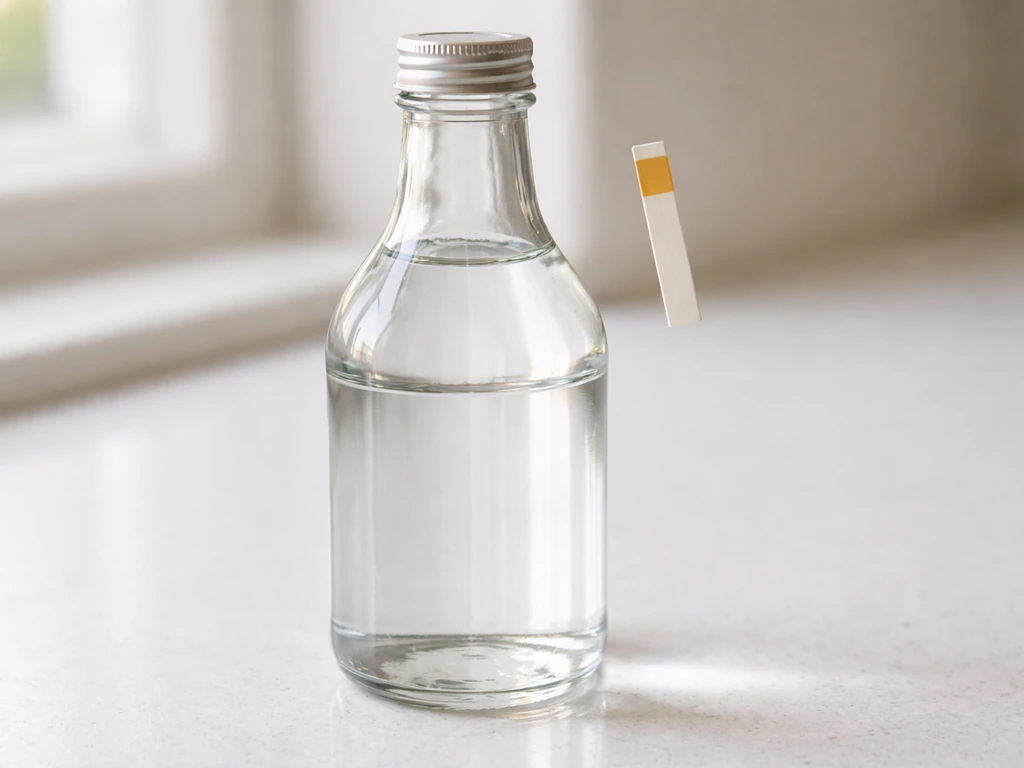
Most bacteria cannot actively grow in pickle juice under normal storage conditions, but that is not the same as saying pickle juice is sterile. Whether bacteria survive or multiply depends on a combination of pH, salt concentration, temperature, and time. A properly made pickle brine with pH around 3.2–3.5 and adequate salt is genuinely hostile to most pathogens. The exceptions are lactic acid bacteria, which are acid-tolerant by nature, and a handful of spoilage organisms that can persist at low pH if conditions shift. The practical takeaway: keep your pickle juice cold, do not dilute the brine, and use clean utensils every time.
Can Bacteria Grow in Pickle Juice? Safety and Conditions

Marcus Reeves
12 Jun 2026
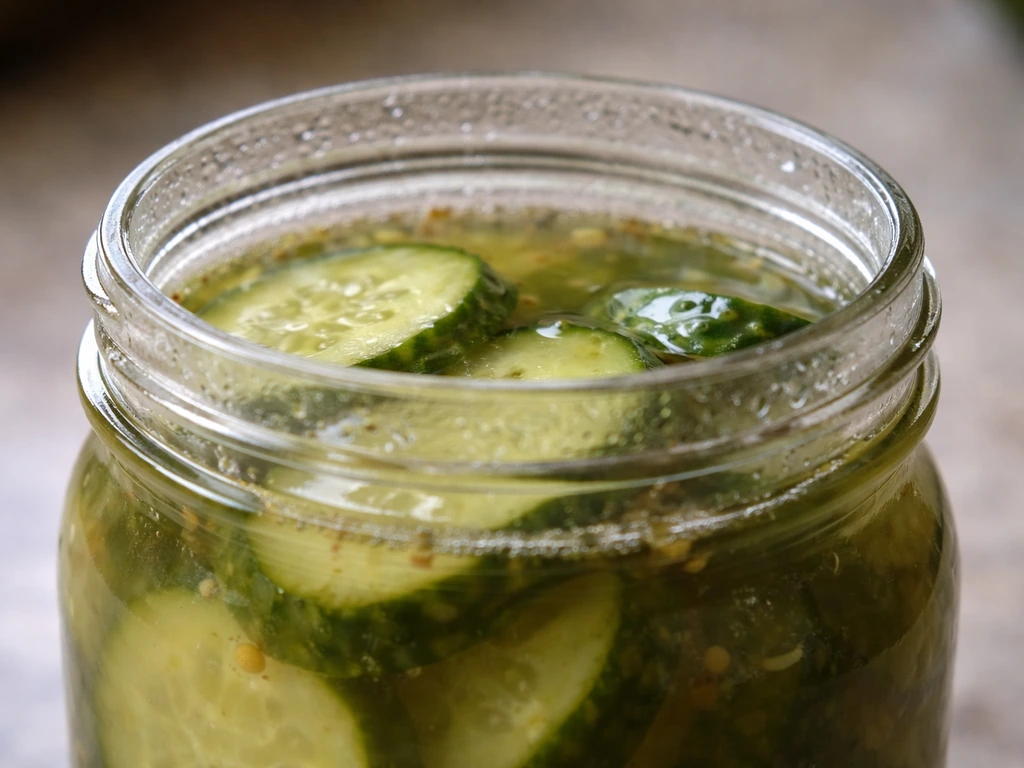
What makes pickle juice antimicrobial in the first place
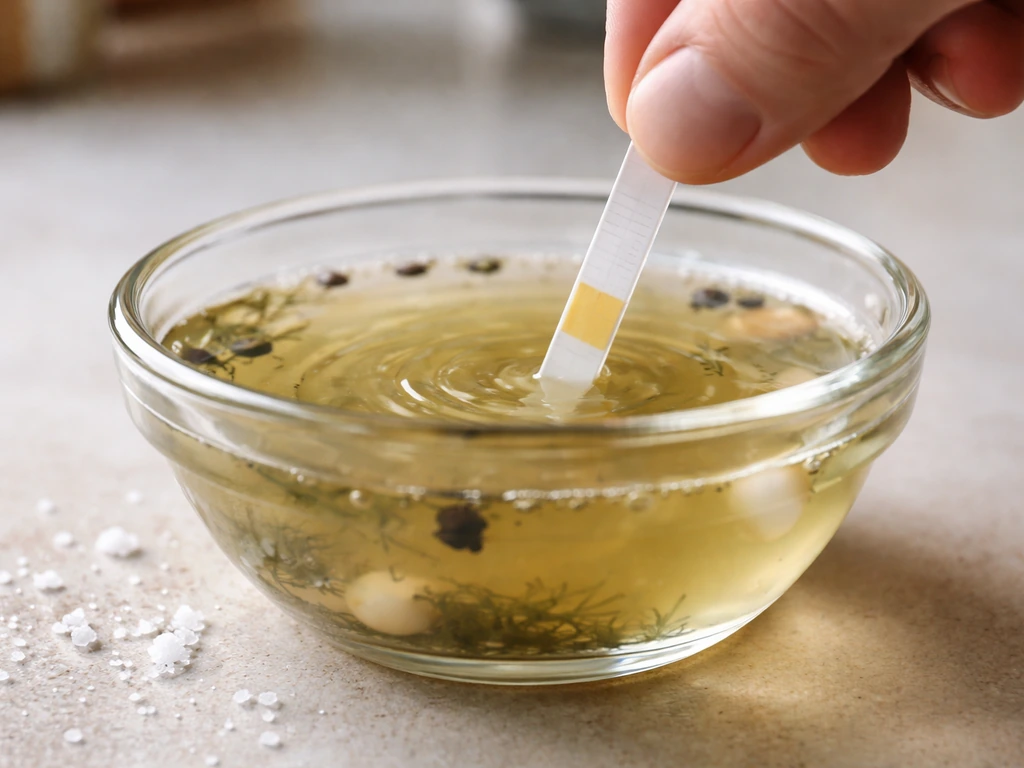
Pickle juice works against bacteria through three overlapping mechanisms: acidity (low pH), salt (sodium chloride), and in fermented styles, organic acids produced during fermentation itself. These are often called "hurdles" in food microbiology, and the key is that they work together rather than independently.
The pH is the biggest hurdle. Vinegar-based quick-pickle brines typically push the [final brine pH to around 3](https://newt. fcs. uga.
edu/nchfp/putitup/Method%203%20-%20Pickling%202015rev. pdf). If you are wondering whether can bacteria grow in apple cider vinegar, the same acidity principles apply, because vinegar’s low pH can inhibit growth but does not always guarantee sterility vinegar brines. Whether can bacteria grow in vinegar depends on how acidic and salty the vinegar mixture is, and on storage temperature Vinegar-based quick-pickle brines.
2–3. 5, with the vinegar itself starting at roughly pH 2. 0–3. 4.
Most common foodborne pathogens cannot grow below pH 4. 6, which is why that value is used as the regulatory dividing line for acidified foods. Cucumbers have a natural pH above 4. 6, so immersing them in a vinegar brine drops the equilibrium pH below that threshold and switches the safety logic from "refrigerated perishable" to "acidified food.
"
Salt adds a second layer of protection by reducing water activity, which is the measure of free water available for microbial activity. The higher the salt concentration, the less water is available to support bacterial growth. Extension guidance specifically warns against reducing sodium in pickle recipes because salt is a functional safety ingredient, not just a flavor one. Reducing it weakens the antimicrobial protection of the brine.
In fermented-style pickles, lactic acid bacteria produce additional lactic and acetic acids over time, which reinforces acidity. Pure-culture experiments have shown LAB can drive brine pH from above 7 down below 4 in roughly 30 hours at elevated temperatures and around 2.5–3.0% salt, which illustrates both how quickly fermentation acidifies a brine and how temperature-dependent the process is. The same acidification that makes fermented pickles shelf-stable also creates an environment where most non-LAB bacteria struggle.
Surviving vs. actively growing: why the distinction matters
A bacterium surviving in pickle juice is not the same as one multiplying in it. Survival means the organism is still viable but not reproducing, often because conditions are hostile enough to suppress growth but not immediately lethal. Active growth means the population is doubling, which is what creates food safety risk. This is similar to concerns in the related question can bacteria grow in lemon juice, where acidity still plays a big role in whether microbes can multiply Active growth.
At pH 3.2–3.5 with normal salt levels, most pathogens are in survival-or-die territory, not growth territory. But the numbers matter. Research on Listeria monocytogenes, one of the more acid-tolerant pathogens, shows it can survive (not grow) in conditions around pH 4.19 at 5°C, pH 4.36 at 10°C, and pH 4.66 at 30°C after four weeks. At pH values typical of good pickle brine, Listeria survival diminishes quickly. However, the same research shows that at brine pH between 4.0 and 5.0 with moderate salt levels (around 3–4%), Listeria can actually survive and grow under refrigerated dill pickle conditions, particularly with a temperature history that included time at room temperature first.
The point is not to be alarmed about well-made pickle juice, but to understand that the safety margin depends on getting the pH and salt right. If brine is diluted, pH drifts upward, and conditions that were inhibitory can shift toward permissive. The dividing line between "bacteria can grow" and "bacteria cannot grow" is not a broad gulf. It is a relatively narrow transition zone in the pH 4.0–5.0 range.
Which bacteria could actually persist in pickle juice

Lactic acid bacteria
Lactic acid bacteria, particularly Lactobacillus species, are the organisms most likely to be alive and active in pickle juice under normal conditions. They are not pathogens. LAB are acid-tolerant by design, able to grow at pH as low as about 3.5, and are well-suited to the high-acid, high-salt environment of pickle brine. In fermented pickles they are the intended microorganism. In quick-pickle vinegar brines they are suppressed by the starting acidity but may still survive in small numbers. If brine is warm and slightly less acidic than ideal, LAB can become active again and continue acidifying, which is generally a flavor change rather than a safety concern.
Spoilage yeasts and molds
Yeasts and molds can thrive in high-acid environments where most bacteria cannot compete. Molds can grow on the surface of pickle juice if it is exposed to air and not kept cold. USDA guidance directly states that molds can thrive in high-acid foods like pickles and advises discarding food that is covered with mold. Yeasts can cause fermentation activity (bubbling or fizzing) and cloudiness in brines where they are not wanted, particularly in open or improperly sealed containers.
Pathogens in edge cases
Common foodborne pathogens like Salmonella and E. coli are generally suppressed well below pH 4.6, especially with salt present. Listeria is more resilient, and at the pH/salt boundary conditions of some homemade or diluted brines it warrants attention. The risk is not from properly made pickle juice sitting in the refrigerator. It is from brines that have been diluted, left at room temperature for extended periods, contaminated with food debris, or stored in unclean containers.
Temperature and time: the conditions where growth becomes possible
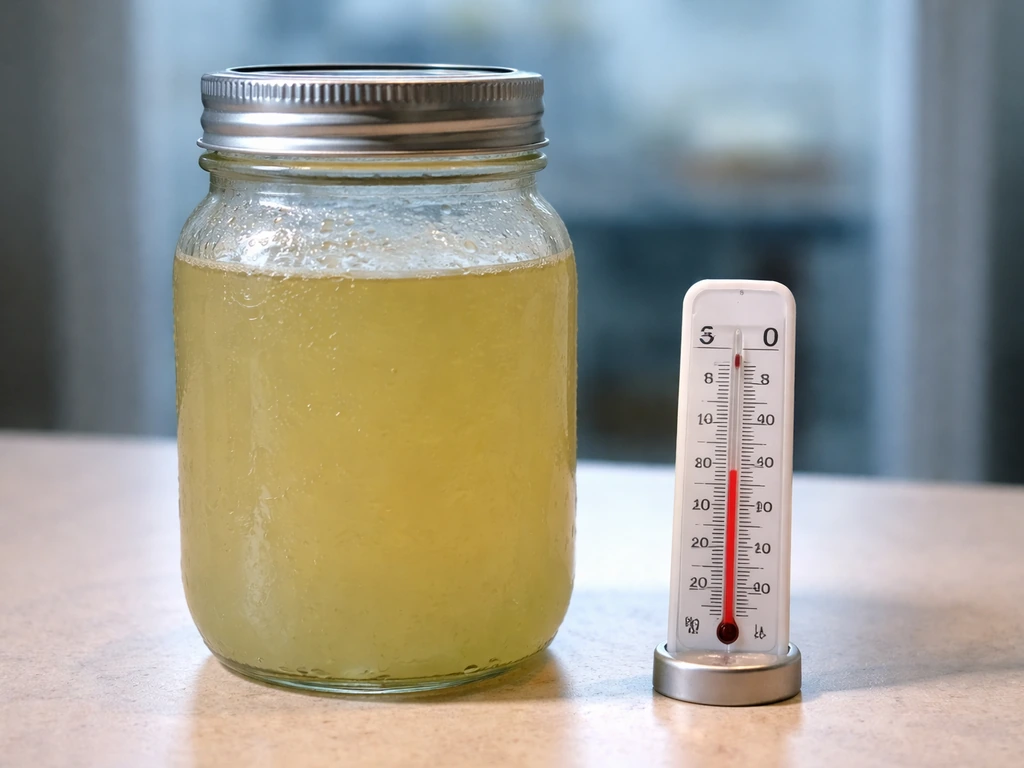
Temperature is one of the most controllable variables in pickle safety. At refrigerator temperatures of 40°F (4°C) or below, bacterial growth is dramatically slowed even in brines that are less-than-ideal in acidity or salt. At room temperature, the same brine can support microbial activity much more readily.
The combination of pH and temperature is what food microbiologists call a growth-no-growth interface. Research modeling Listeria growth shows an abrupt transition in growth probability across pH and temperature combinations, meaning a small change in pH or temperature can shift a brine from inhibitory to permissive. A jar of pickles left on the counter at 70–75°F in a brine with pH around 4.5 is a very different environment from that same jar at 38°F.
Time matters too. The longer brine sits at room temperature, the more opportunity there is for any surviving organisms to multiply, for pH to drift as cucumbers release water and dilute the brine, and for oxygen-exposed surfaces to develop mold or yeast activity. USDA guidance places 40°F as the benchmark for safe refrigerator temperature, and FDA consumer guidance recommends discarding refrigerated perishables that have been above 40°F for more than four hours.
For opened jars of pickles, USDA FSIS recommends consuming within 5–7 days once refrigerated. That timeline accounts for the cumulative effect of repeated opening, exposure to utensils, and gradual changes in brine concentration.
Does sealing and oxygen exposure change things
Yes, significantly. The environment inside a sealed, submerged pickle jar is anaerobic (low oxygen). That condition favors LAB and suppresses aerobic spoilage organisms like molds and many yeasts. When you open a jar, you introduce oxygen, which shifts the competitive advantage toward surface molds and aerobic yeasts.
Pickles that are not fully submerged in brine are especially vulnerable. The exposed surfaces above the brine line are where mold takes hold first. This is why traditional and commercial pickle guidance emphasizes keeping cucumbers fully submerged in brine, not just floating in it.
Botulism is occasionally raised in home canning discussions because Clostridium botulinum thrives in anaerobic, low-acid conditions. Properly acidified pickle brine at pH below 4.6 prevents C. botulinum growth. CDC guidance links opened or improperly canned pickles to botulism risk, but the mechanism is almost always improper acidification (too little vinegar, wrong proportions) or improper processing, not a sealed jar with correct brine composition.
Practical spoilage signs and when to toss it
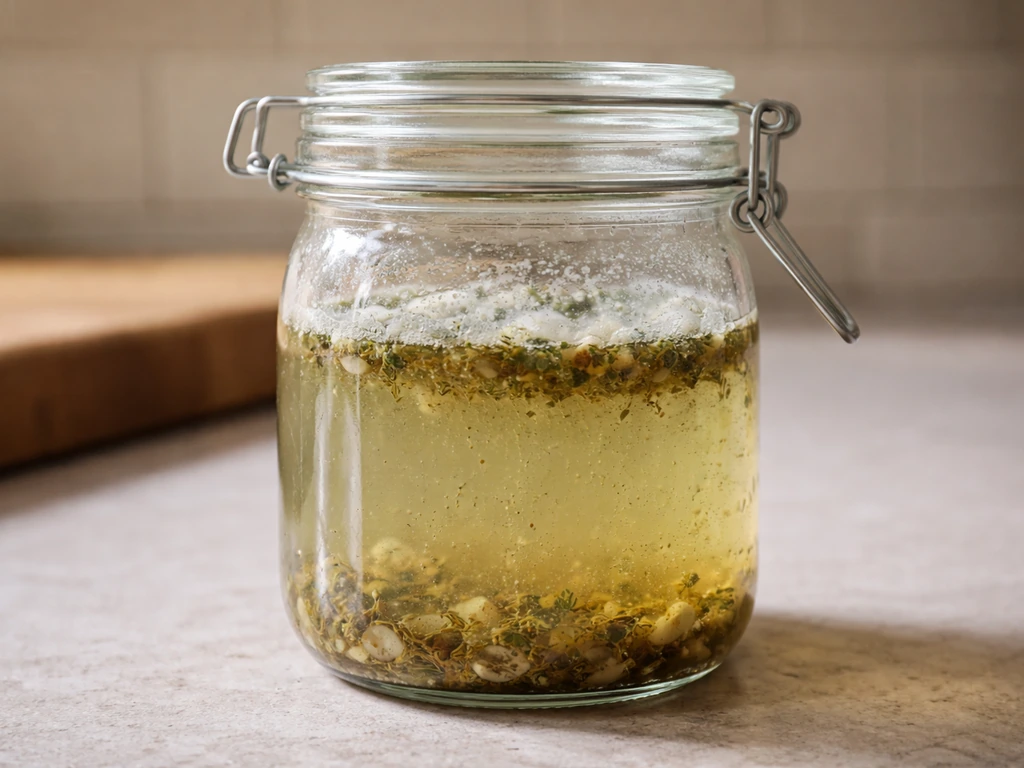
Even with proper storage, pickle juice can spoil. Here are the specific signs to look for and what they mean.
| Sign | What it likely indicates | Action |
|---|---|---|
| Mold on surface or inside jar | Aerobic spoilage, possibly mold or yeast | Discard the entire jar |
| Soft, mushy, or slimy texture in cucumbers | Bacterial or enzymatic breakdown | Discard |
| Strong off-smell (not normal sour/dill) | Microbial spoilage beyond normal fermentation | Discard |
| Abnormal cloudiness (beyond expected fermented haze) | Yeast or bacterial activity in vinegar-brined pickles | Discard if vinegar-style; may be normal in fermented |
| Bubbling or fizzing in vinegar-style pickles | Unexpected yeast or bacterial fermentation | Discard |
| Bulging or unsealed lid | Possible gas production from microbial activity | Discard without tasting |
| Unusual color change in brine | Pigment-producing organisms or oxidation | Inspect closely and discard if other signs present |
Note that some cloudiness is completely normal in naturally fermented pickles. LAB produce it as a byproduct of fermentation. The concern is unexpected cloudiness in vinegar-based quick pickles, which should have clear brine, or cloudiness accompanied by other signs like off-odor or sliminess.
When in doubt, toss it. The flavor and texture loss from discarding a jar of pickles is far less significant than the risk from consuming a spoiled product. This is the consistent recommendation from NCHFP, USDA, and food safety extension programs.
How to prevent contamination and store pickle juice properly
Most spoilage problems with pickle juice trace back to handling and storage habits rather than the brine itself failing. These practices cover the most common failure points.
- Refrigerate immediately after opening. Once a sealed jar is opened, oxygen exposure begins and temperature becomes the primary remaining hurdle. Store at 40°F or below consistently.
- Use clean utensils every time. Introducing food debris or microorganisms from hands or dirty spoons directly into the brine is one of the most common contamination routes. Never use a utensil that has touched other foods.
- Keep cucumbers fully submerged. Exposed surfaces above the brine line are prime territory for mold and yeast. Press pickles below the brine after each use, or use a clean weight if storing a homemade ferment.
- Never dilute the brine. Adding water reduces salt concentration and raises pH, weakening both antimicrobial hurdles. If brine evaporates or cucumbers absorb it, top off with a fresh batch made to the same proportions as the original recipe.
- Do not alter recipe proportions. Extension programs and NCHFP are consistent on this point: reducing vinegar, salt, or changing water ratios in a pickle recipe undermines the safety calculations that the recipe is built on.
- Use within the recommended window. Opened refrigerator pickles are best within 5–7 days according to USDA FSIS guidance. Commercially sealed jars typically note a "use by" date after opening; follow it.
- Check temperature after power outages or leaving the jar out. If a jar has been above 40°F for more than four hours, treat it as suspect and discard rather than risk it.
- Inspect before use, not after. Check brine clarity, smell, and texture before serving. Do not taste brine that looks or smells off.
The broader principle here is the same one that applies to vinegar, lemon juice, hot sauce, and soy sauce: acidity and salt are effective antimicrobials, but they work within a specific range of conditions. Acidified foods can include hot sauce as long as the product maintains the intended acidity and storage conditions. Because lemon juice is also acidic, the same idea applies: whether bacteria can grow depends on the exact pH, storage conditions, and time vinegar, lemon juice. Temperature abuse, dilution, contamination, or improper preparation can all shift those conditions enough to allow microbial activity to resume. Pickle juice is not inherently unsafe. It becomes unsafe when the conditions that made it safe are compromised.
FAQ
Can bacteria grow in store-bought pickle juice the same way they can in homemade brine?
Store-bought jars are formulated to meet safer acidity and salt targets, but growth can still become possible if the brine is diluted (for example, after repeated topping off with extra liquid), the jar sits warm for long periods, or the brine gets contaminated by using unclean utensils.
Does “cloudy” pickle juice mean bacteria are growing?
Not necessarily. Naturally fermented pickles often look cloudy because lactic acid bacteria produce fermentation byproducts. In vinegar quick-pickles, unexpected cloudiness plus signs like sliminess or a sour, rotten, or unusually strong off-odor is more concerning than cloudiness alone.
If mold forms on top, is it safe to scoop it off and keep eating?
No. For mold on pickle brine, the practical guidance is to discard the food, not just remove the surface area. Mold can leave behind damaged or contaminated material deeper in the jar, and continuing to consume it is the bigger risk.
Is it safe to reuse leftover pickle juice for new vegetables or recipes?
Only with caution. Reusing brine can introduce new microbes from the added food, and it can dilute or alter the pH and salt balance, moving the brine toward a permissive zone. If you do it, keep everything submerged, stay refrigerated, and do not use brine that is already showing spoilage signs.
What if I accidentally diluted my pickle juice with water or extra vinegar?
Even small dilution can raise pH and water activity enough to change safety. If you diluted it and cannot confirm the resulting pH and salt concentration, treat it as higher risk, use it promptly (and refrigerated), and avoid relying on it as a stable “safe brine” for long-term storage.
How long can a jar of pickles safely sit out after opening?
Once opened, keep it refrigerated and minimize time at room temperature. Extended time above about 40°F (4°C) increases the chance of pH drift, microbial multiplication, and surface spoilage. If it was out for more than a few hours, err on the side of discarding.
Why does “bacteria surviving” matter if they are not growing?
Survival still means microbes can become a problem if conditions later shift. For example, if you warm the jar, dilute the brine, or allow oxygen exposure at the surface, organisms that were merely surviving can start growing under permissive conditions.
Can I eat pickles if they are not fully submerged in brine?
Partially submerged pickles are more likely to develop mold and yeast at the exposed surface. If the jar shows surface growth or an unpleasant change, discard it. If exposure was brief and there is no mold or off-odor, you should still keep them fully submerged going forward and watch closely.
Are lactic acid bacteria in pickle juice dangerous?
Typically no. LAB are the beneficial acid-tolerant organisms that drive fermentation and help keep pH low. They can cause bubbling or cloudiness, but those signs are usually expected in fermented pickles rather than evidence of harmful growth.
Could botulism grow in properly acidic pickle brine?
Properly acidified brine (pH below about 4.6) is designed to prevent Clostridium botulinum growth. The risk increases when the brine is made with wrong vinegar ratios, diluted, or improperly processed, especially when pH is not reliably achieved.
What are the most common mistakes that lead to unsafe pickle juice?
Diluting the brine, keeping jars warm, letting food debris contaminate the jar, using unclean utensils, and not maintaining full submersion are the usual culprits. Temperature history matters, because a jar that warms after being stable can shift into a growth-permissive state.
How can I tell if yeast is causing a problem?
Yeast-related activity often shows up as fizzing or bubbling and cloudiness, usually in situations with oxygen exposure or container issues. If yeast activity comes with mold, an off-odor, sliminess, or continued deterioration, discard rather than trying to “fix” it.
Next Article
Can Bacteria Grow in Vinegar? pH, Survival, and Safety Tips
Explore if bacteria can grow in vinegar, how pH and dilution affect survival, and practical food-safety storage tips.