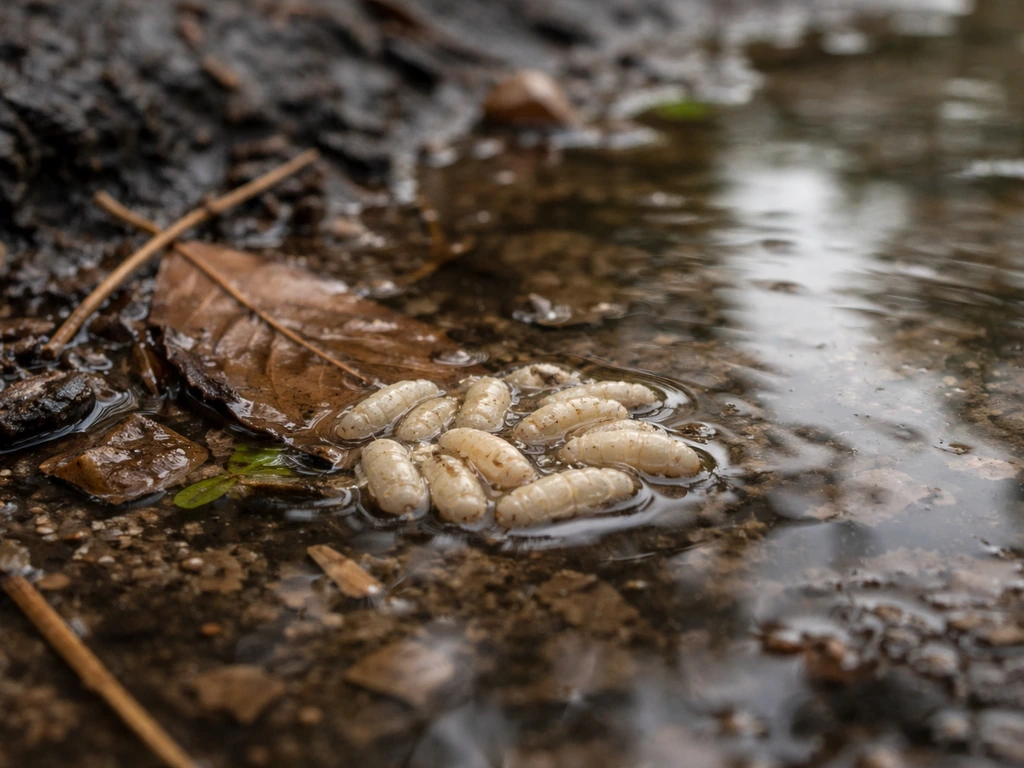
Yes, worms and their eggs can absolutely survive in old dog poop, and in some cases the feces actually becomes more dangerous over time, not less. Freshly passed feces typically contains eggs or larvae that aren't yet infectious. Given the right conditions of warmth, moisture, and shade, those eggs develop into their infective stages over days to weeks and can remain viable in soil or old feces for months or even years.
Can Worms Grow in Old Dog Poop? Risks and Cleanup Steps

Marcus Reeves
28 May 2026
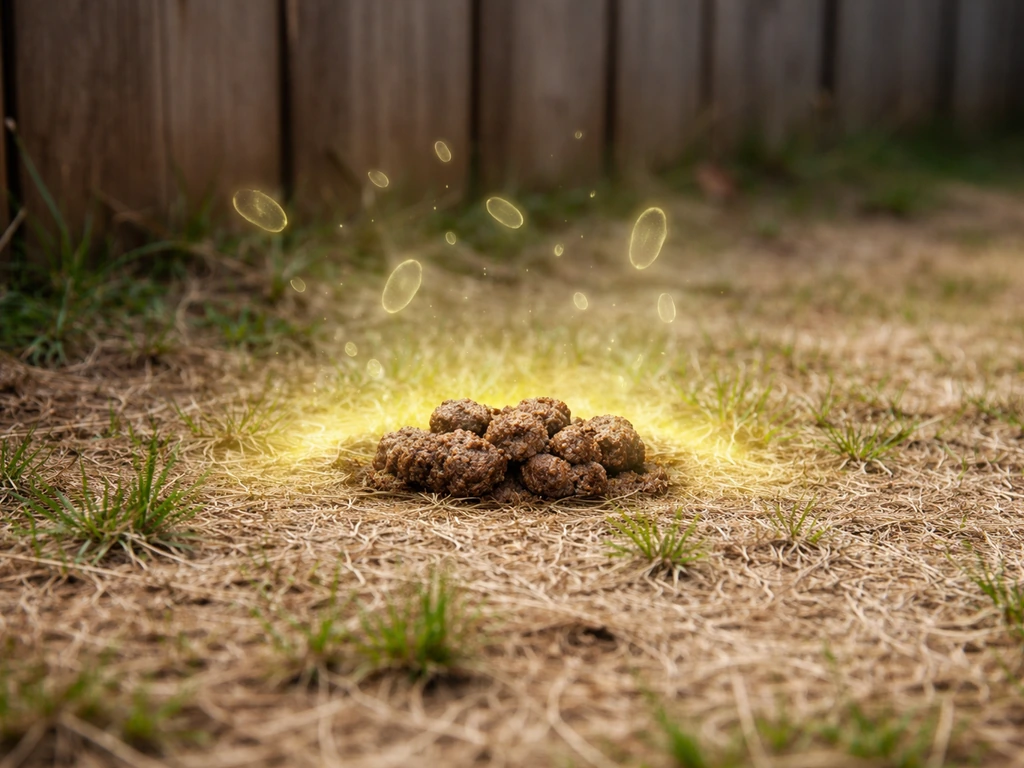
What 'worms in old dog poop' actually means
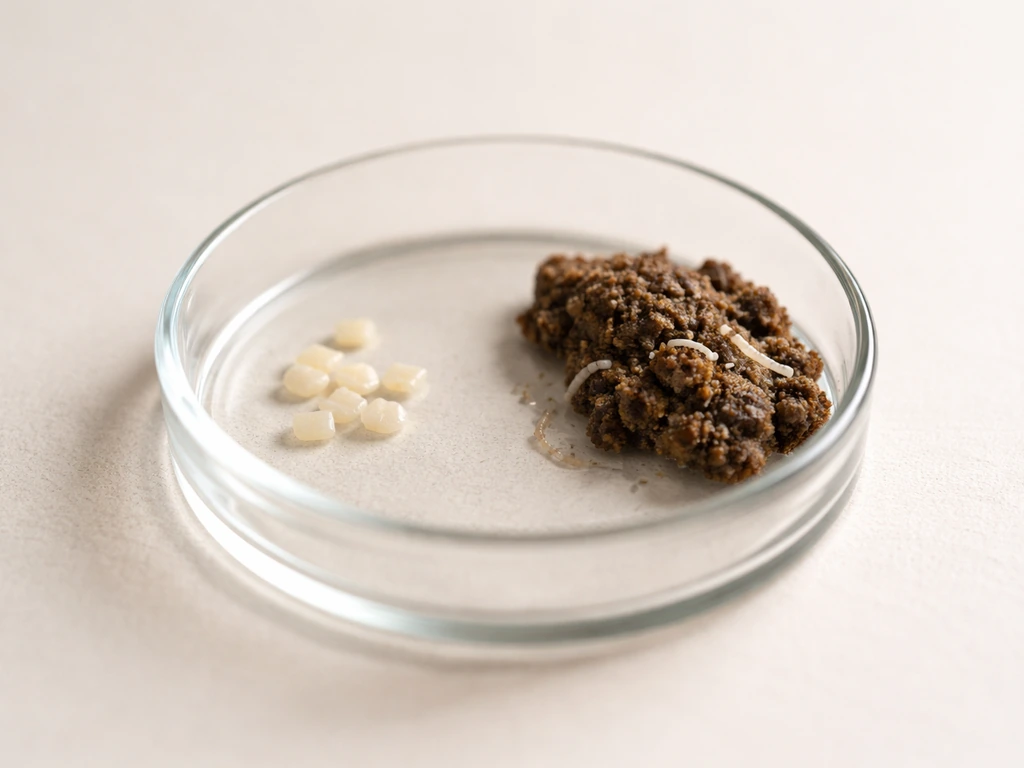
When people find what looks like worms wriggling in or near old dog feces, they're usually seeing one of two things: tapeworm segments (proglottids) that have detached and can still move, or larvae from flies that have colonized the feces after it was passed. What they're almost never seeing is a parasite that grew inside the feces itself. Adult dog parasites like roundworms, hookworms, and whipworms live inside the dog's intestines, not in feces.
The real concern with old dog poop isn't adult worms crawling out of it. It's the microscopic eggs and larvae that were shed into it. These are invisible to the naked eye, and they follow a development timeline in the environment that means a pile of poop that sat in your yard for two weeks can be significantly more infectious than the day it was dropped.
So the question 'can worms grow in old dog poop' has two honest answers. Adult worms don't grow there. But infectious stages, specifically eggs and larvae, develop there and persist there, sometimes for years. That distinction matters a lot for how you handle and clean up old waste.
Can parasites develop in feces over time?
This is where the biology gets important. Most common dog parasites shed eggs that are not immediately infectious. They need time outside the host to develop to their infective stage, and old feces can be exactly the environment where that happens.
Roundworms (Toxocara canis)
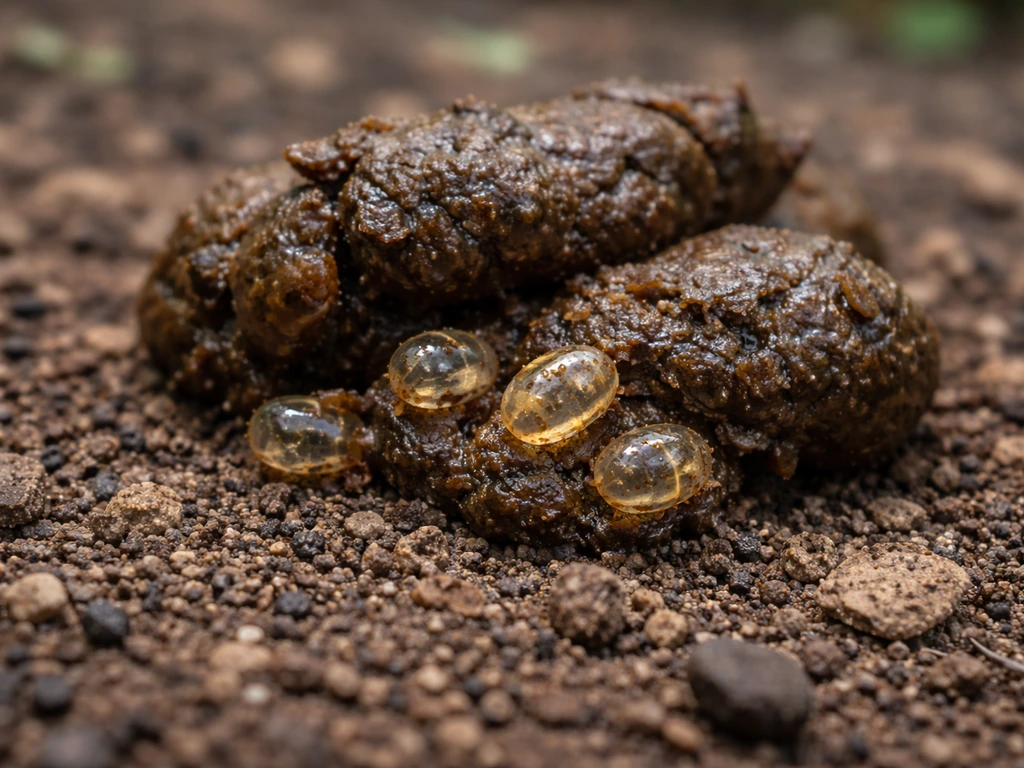
Roundworm eggs pass out in the dog's stool and need roughly 2 to 4 weeks in the environment to develop into an infective larval stage. The eggs have a thick, sticky outer layer that protects them from desiccation and chemical damage. Once they've developed, those eggs can survive in moist soil or feces for months or even years. This means a forgotten pile of old dog waste in a corner of your yard may be harboring infective Toxocara eggs that were shed weeks or months ago.
Hookworms (Ancylostoma caninum)
Hookworm eggs hatch into larvae in soil or contaminated environments within just 1 to 2 days under warm, moist, shaded conditions. Those larvae then go through two molts over the next 5 to 10 days before becoming third-stage (filariform) larvae, which are the infective form. Hookworm larvae are actually capable of penetrating skin directly, which makes old, wet feces in warm, shaded areas especially risky for barefoot contact.
Whipworms (Trichuris vulpis)
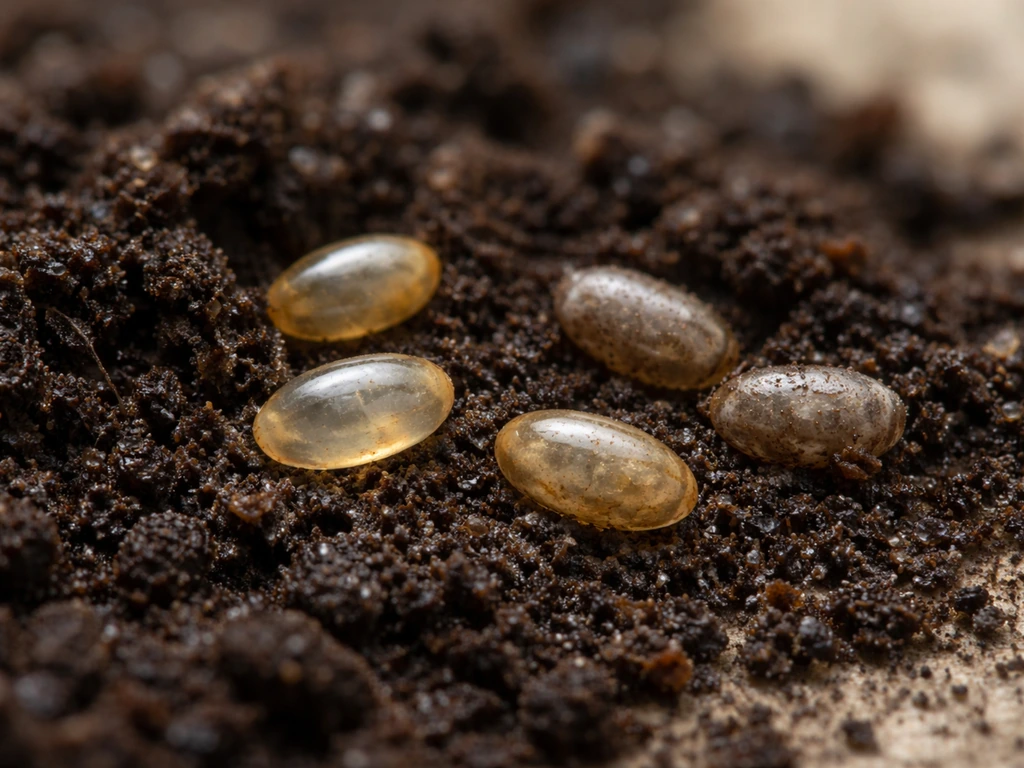
Whipworm eggs are not infective when freshly passed. They require 9 to 21 days of environmental development before they can infect a new host. Like roundworm eggs, they are extremely resilient once developed and can survive in soil for years. Whipworms are one of the harder parasites to eliminate from a yard precisely because of this long environmental persistence.
How age, dryness, sunlight, and temperature change the risk
Not all old dog poop is equally dangerous. The environmental conditions surrounding it make a huge difference in whether eggs survive, develop, or get destroyed.
| Factor | Effect on Parasite Eggs/Larvae | Key Threshold |
|---|---|---|
| Temperature | Warm temperatures (20–30°C / 68–86°F) accelerate egg development; cold slows but rarely kills eggs | Below freezing temporarily halts development but many eggs survive thaw |
| Moisture/Humidity | Essential for hookworm larval survival and movement; desiccation kills larvae faster than eggs | Dry conditions kill hookworm larvae within days; roundworm and whipworm eggs more resistant |
| Sunlight/UV | Direct UV exposure degrades eggs over time; shaded areas greatly extend survival | Full, prolonged direct sun is one of the most effective natural killers |
| Time | Eggs become MORE infective over the first 2–4 weeks as they develop; then remain dangerous for months to years | Whipworm and roundworm eggs viable for 1–3+ years in moist, shaded soil |
| Soil pH/Composition | Sandy, loamy soils allow longer larval movement; clay soils trap larvae; acidic soils slightly reduce survival | No pH level fully eliminates eggs without chemical treatment |
The practical takeaway is that old, dry poop baking in direct sunlight in a hot, open area has lower infectivity than moist, shaded poop under a deck or in a garden corner. Neither is safe to ignore, but the shaded, moist scenario is the higher-priority cleanup.
Risk to humans and other pets
The most common human infection from dog feces is toxocariasis, caused by Toxocara canis larvae. The CDC notes that toxocariasis spreads through contact with infected dog or cat feces, and that the eggs can get into soil through animal waste Toxocara canis larvae. Humans, especially children who play in contaminated soil, can ingest infective eggs and develop what's called visceral larva migrans or ocular larva migrans, where larvae migrate through tissue or into the eye. The CDC considers toxocariasis a significant neglected parasitic infection in the United States.
Hookworm larvae from dog feces can cause cutaneous larva migrans in humans, a condition where larvae burrow under the skin and create intensely itchy, winding tracks. This is most common from contact with contaminated sandy soil or grass, typically when walking barefoot or sitting on the ground.
Other dogs and cats are at risk through direct ingestion of contaminated soil or feces during grooming or sniffing. Puppies are especially vulnerable because their immune systems are less developed and they're more likely to eat dirt or feces directly.
Exposure typically happens through hand-to-mouth contact after touching contaminated soil, direct skin contact with infected ground, children playing in sand or dirt where dogs have defecated, and pets sniffing or rolling in old feces. It's less about dramatic contact and more about routine, everyday exposure in a contaminated yard.
How to clean and dispose of old dog poop safely today
Whether you're dealing with poop in the house or scattered across a yard that hasn't been cleaned in weeks, the process is similar in principle but different in execution.
Outdoor cleanup
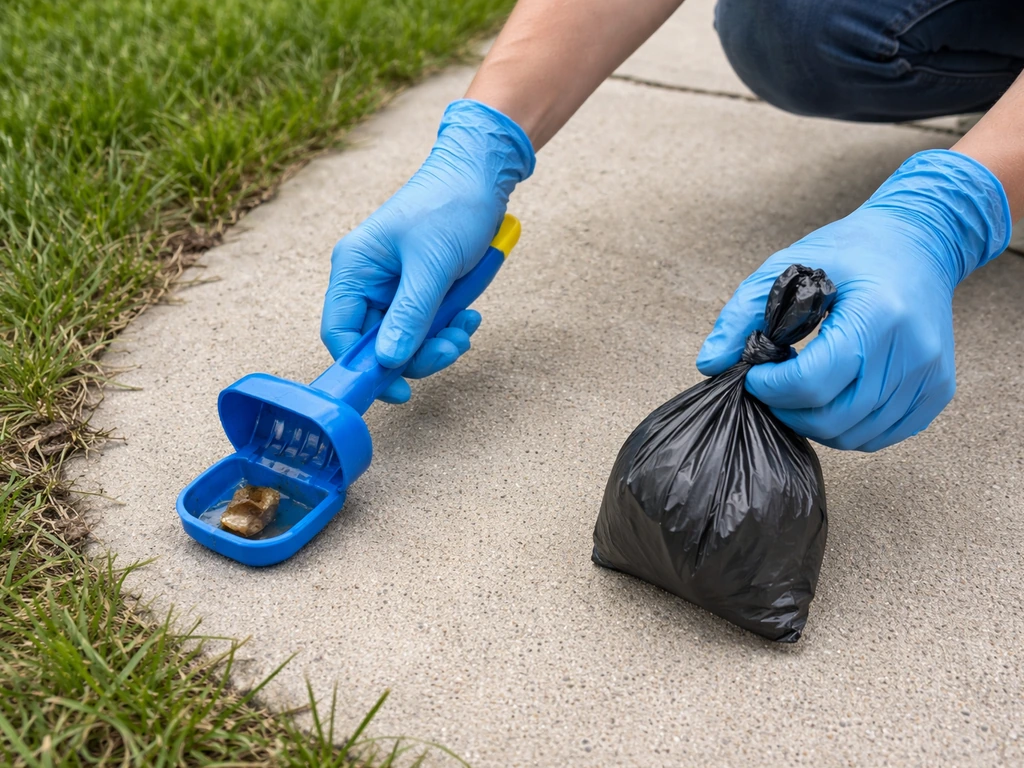
- Put on disposable gloves before you touch anything. Nitrile gloves work well and are inexpensive.
- Use a dedicated poop scoop or a plastic bag turned inside out over your hand to pick up solid waste. Double-bag it.
- For old, dried, or crumbled feces, use a stiff disposable brush or scraper to collect it into a bag. Avoid blowing it with a leaf blower, which aerosolizes the material.
- Seal bags tightly and dispose of them in outdoor trash destined for landfill. Do not compost dog feces unless you are using a certified hot-composting system specifically designed for pet waste.
- After removing solid waste, the area where feces sat should be treated separately (see the next section on disinfection).
- Wash your hands with soap and water thoroughly after removing gloves. Don't just hand sanitize; mechanical scrubbing matters.
Indoor cleanup
- Pick up solid waste with gloves and dispose of it in a sealed bag in the trash.
- For hard floors, clean the soiled area with a paper towel first, then apply a disinfectant appropriate for parasites (see below). Let it dwell for the recommended contact time before wiping.
- For carpets and soft surfaces, pick up as much solid material as possible, then use an enzymatic cleaner to break down organic matter. Steam cleaning is highly effective for carpets because parasite eggs and larvae are killed by sustained heat above 60°C (140°F).
- Wash any fabric items (bedding, rugs) the dog may have contaminated in hot water, at least 60°C (140°F).
- Discard disposable cleaning materials in sealed bags. Wash reusable tools in hot, soapy water.
Disinfection and yard management that actually works
This is where a lot of people go wrong. Most household disinfectants, including bleach at typical dilutions, do not reliably kill roundworm or whipworm eggs. The thick outer shell of ascarid eggs makes them highly resistant to chemical disinfectants. What actually works is a combination of physical removal, environmental disruption, and targeted treatments.
What works
- Physical removal of feces is the single most effective step. You can't disinfect what you haven't removed.
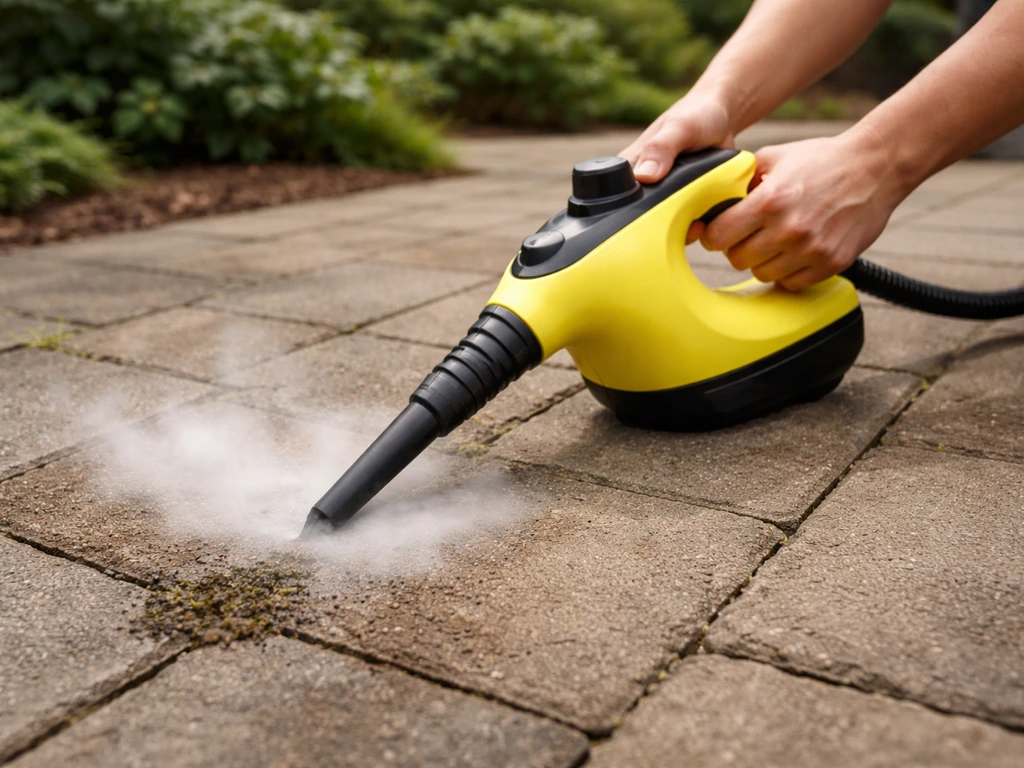
- Steam cleaning hard outdoor surfaces (concrete, pavers) at sustained temperatures above 60°C kills most larvae and degrades eggs.
- Flame treatment (propane torches used carefully on soil or gravel) is effective for small, defined areas but has obvious fire risks.
- Boiling water poured directly onto contaminated soil can kill larvae, though it has limited penetration depth.
- Maximizing UV exposure by trimming back shrubs and ground cover to expose shaded contaminated areas to direct sunlight helps degrade eggs over time.
- Replacing or treating topsoil in heavily contaminated run areas, replacing with fresh soil or fine gravel, breaks the contamination cycle.
- Lime (agricultural calcium hydroxide) sprinkled on contaminated soil raises pH and creates a less hospitable environment, though it does not reliably kill thick-shelled eggs.
What doesn't work
- Standard bleach solutions do not penetrate thick parasite egg shells effectively.
- Most commercial disinfectant sprays are not formulated or tested for parasite eggs.
- Leaving feces in place and hoping sun and rain will handle it: this is how contamination spreads and persists.
- Raking without bagging: this distributes eggs further into the soil rather than removing them.
Yard management over time
If your yard has had ongoing dog waste accumulation, one cleanup pass isn't enough. Whipworm and roundworm eggs that have already been deposited into the soil remain there and will continue to be a source of reinfection for your dog. Establish a consistent pickup routine, aim for at least every 2 to 3 days, since this prevents eggs from having enough time in the environment to reach their infective stage. Designating a specific potty area with gravel or mulch that can be periodically replaced is a practical long-term strategy.
Practical prevention and when to call your vet
Cleaning up old poop solves the immediate problem, but the source of the contamination is the infected dog. If your dog has an active parasite burden, every new deposit is re-seeding your yard. The cleanup work never ends until the dog is treated.
Deworming and testing
Talk to your vet about a fecal exam if your dog hasn't had one recently, especially if you've been finding evidence of parasites in or around feces. Fecal flotation tests can detect roundworm, hookworm, and whipworm eggs. Most monthly heartworm preventatives also cover roundworms and hookworms, but whipworms require a specific dewormer (typically fenbendazole or milbemycin). Don't assume a single dose handles everything.
Hygiene habits that reduce transmission risk
- Wash hands after handling any dog waste, even through gloves.
- Keep children away from areas of the yard where dogs defecate, especially if you haven't been consistently picking up.
- Don't let children play in sandboxes that outdoor cats or dogs have access to: sandboxes are one of the highest-risk sites for Toxocara egg exposure.
- Wear shoes in the yard if your dog uses it freely and you haven't recently cleaned the area.
- Wash produce grown in garden beds that dogs or cats have access to.
When to see a doctor or vet
If a person (especially a child) develops unexplained fatigue, abdominal pain, cough, or vision problems after potential exposure to contaminated soil or feces, a physician should be consulted because toxocariasis can present in non-obvious ways. For pets, symptoms like a pot-bellied appearance in puppies, diarrhea, weight loss despite normal eating, or visible worms in stool all warrant an immediate vet visit. Whipworm infections in dogs can be particularly stubborn and often require a multi-dose treatment schedule over several weeks.
This problem connects to a broader picture of how parasites survive and develop in different environments, similar to how other parasites can persist and grow in food, water, or other organic material under the right conditions. That same principle is why mosquitoes may breed in damp toilet water where organic material and moisture are present parasites can persist and develop in organic material like in toilet water. Similarly, parasites can survive and become infective in water when conditions like warmth and organic material are present parasites survive and become infective in water. Do viruses grow in food? The same idea applies to culture media too: conditions can sometimes allow viruses or virus-like agents to increase under lab growth conditions Do viruses grow in food?. The same general idea applies: certain microorganisms can survive and sometimes multiply under the right storage conditions viruses can persist and grow in food. The core principle is the same: moisture, warmth, shade, and time are what most parasites need to move from a non-infective to an infective state. In some cases, the infective stages can also be linked to respiratory illness, including bugs that grow in the lungs. Take away any one of those factors consistently, and you significantly reduce the risk.
FAQ
If I see wriggling in old dog poop, does that mean the poop is full of live parasites?
Usually not. Wriggling near feces is more often fly larvae using the feces as a food source, or tapeworm segments that separate from the adult worm. The higher-risk part is still microscopic eggs and larvae developing after shedding, not visible movement in the pile.
Can I just hose off old dog poop to make it safe?
Hosing can spread contamination. Water can splash eggs or larvae around your yard and increase contact with bare skin. Better options are careful scoop-and-bag removal, keep people and pets away from the area, and then follow with environmental disruption (for example, replacing top mulch or gravel in a designated potty spot).
Are old dog poop pellets in grass or soil less risky if they are completely dried out?
Drying lowers risk, but it does not make contaminated areas automatically safe. Some eggs persist for long periods even after drying cycles, and the risk mainly depends on whether they got enough moisture and warmth long enough to reach infective stages.
What’s the best way to clean up old poop if I have kids or immunocompromised people at home?
Treat cleanup as a boundary-setting exercise: keep kids out of the yard or the specific zone during cleanup, wear gloves, avoid contact with surrounding soil, and wash hands and any exposed skin immediately. If the poop was in a play area or near garden beds, consider physically removing and replacing the top layer of soil, mulch, or gravel rather than relying on sprays.
Do pet “deworming” meds also stop the eggs already in my yard from being infectious?
No. Deworming treats your dog’s parasites internally, which prevents future shedding, but it does not destroy eggs and larvae already present in soil. The cleanup and yard management steps are still needed until you’ve reduced new deposits and disrupted existing contamination.
How often should I scoop if the yard has old waste that I’m trying to clear out?
If you suspect ongoing contamination, aim for picking up at least every 2 to 3 days. More frequent removal reduces the window for eggs to develop into infective stages. A longer gap means more of what your dog sheds can progress outside the host.
Are heartworm preventatives the same as deworming for roundworm, hookworm, and whipworm?
Many monthly preventatives cover roundworms and hookworms, but whipworm often requires a different, targeted dewormer and sometimes multiple doses over weeks. Don’t assume one medicine covers all intestinal parasites, ask your vet based on local risk and fecal exam results.
If my dog has parasites, can I get infected just from being in the yard, or does it require touching poop?
Most exposure is from routine hand-to-mouth contact after touching contaminated soil, and from skin contact when larvae can penetrate (especially in warm, moist, shaded areas). Simply walking through can be less risky than kneeling, sitting, playing, or letting children put hands in the soil and then eat snacks without washing.
What personal protection should I use when cleaning old feces?
Use disposable gloves, avoid touching your face, and consider a mask if you will disturb dry contaminated material to reduce airborne dust. Afterward, wash hands thoroughly with soap and water, and clean any tools or boots that contacted the area.
If my dog had worms, should I treat my household pets too?
Potentially. Other pets, especially puppies or cats that roam, can become infected through the same environment. A vet-guided fecal test for each pet helps avoid under-treating species or missing whipworm, which often needs a specific regimen.
When should I call a doctor after possible exposure to dog feces-contaminated soil?
Seek medical advice if symptoms appear after exposure, particularly unexplained fatigue or abdominal complaints (which can occur with larva migration), a new persistent cough, or any visual symptoms. In children, also be alert for signs of illness soon after heavy soil contact and play in areas where dogs defecate.
Next Article
Can Maggots Grow in Water? Conditions, Safety, and Cleanup
Learn when maggots can survive or grow in water, key conditions, and safe cleanup to stop fly breeding.