Maggots cannot grow in plain water on their own. They are fly larvae that hatch from eggs laid on organic material, and they need a food source to develop. Water alone doesn't provide that. But water that contains decaying organic matter, food residue, or animal waste absolutely can support maggot development, and submerged larvae can survive for a surprisingly long time under the right conditions. If you're seeing maggots in or near water, the water itself isn't the problem, what's in or around it is.
Can Maggots Grow in Water? Conditions, Safety, and Cleanup

Marcus Reeves
3 May 2026
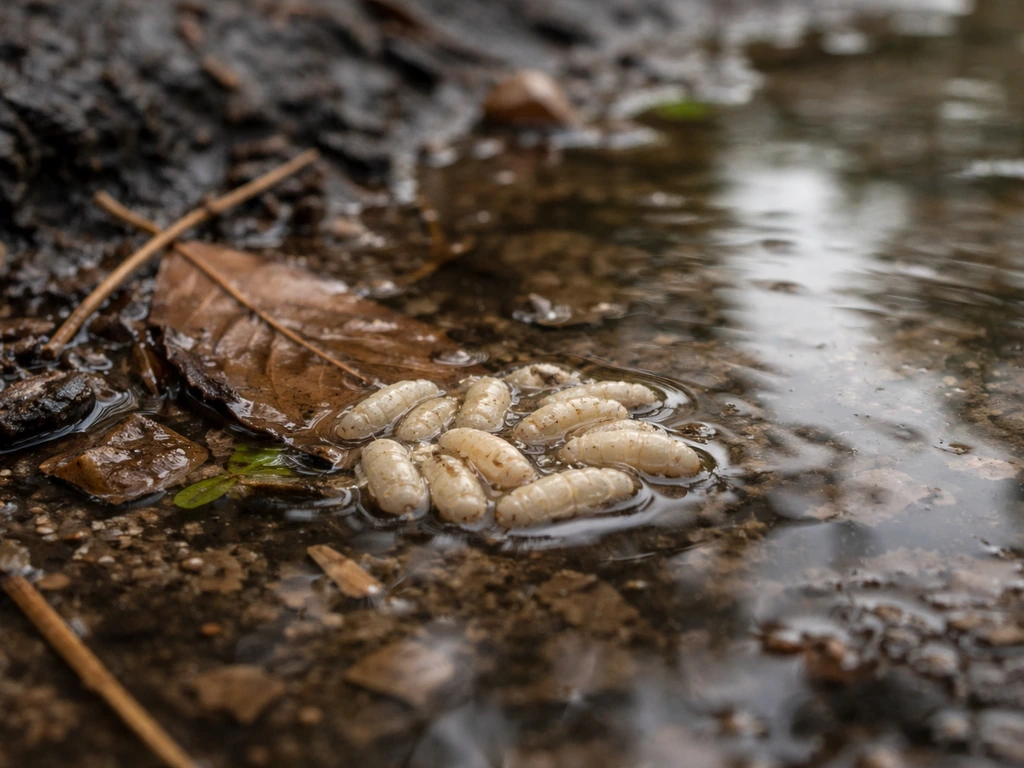
Water alone isn't enough: the key conditions maggots actually need
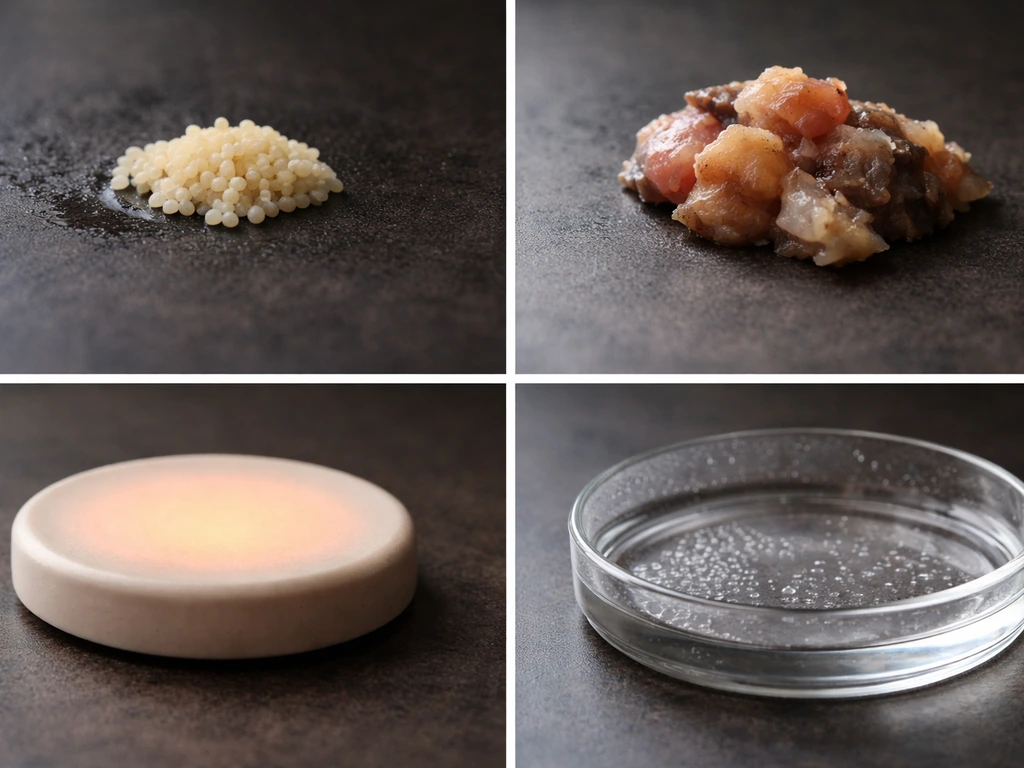
Maggots are the larval stage of flies, most commonly houseflies or blowflies. For maggots to "grow" in any environment, four things need to be in place: a fly must have access to lay eggs, there must be a nutrient-rich substrate (rotting organic matter, food waste, animal tissue, or feces), moisture must be present to prevent desiccation, and temperature must be warm enough to support development.
Water satisfies the moisture requirement, but it doesn't supply the organic food source larvae need to feed and grow. So the question isn't really "can water grow maggots" but rather "does this water contain enough organic material and fly exposure to support larval development? Whether a virus can grow in culture medium is a different question, because viral growth depends on specific host cells and conditions rather than just nutrients can water grow maggots. "
- Fly access: eggs must be laid by an adult fly on a suitable surface near or in the water
- Organic substrate: decomposing food, waste, or tissue provides the nutrition larvae need
- Moisture: maggots need humidity and wet conditions to avoid drying out
- Temperature: development accelerates between roughly 20°C and 35°C (68°F to 95°F); it stalls near 10°C and stops below that
- Time: full larval development from egg to third instar takes around 3 to 5 days at warm temperatures
How maggots develop: where they actually come from
The life cycle starts with a female fly detecting an attractive odor, usually from decomposing protein or waste. She lays a cluster of tiny white eggs directly on or very close to that material. At warm temperatures (around 25°C to 30°C), those eggs hatch into first-instar larvae within 8 to 24 hours.
In blow-fly experiments on Chrysomya pinguis, developmental durations from egg to adult were reported across 16°C to 34°C, showing that development is faster at warmer temperatures [developmental durations from egg to adult were reported across 16°C to 34°C for Chrysomya pinguis, showing faster development at warmer temperatures](https://pmc. ncbi. nlm. nih.
gov/articles/PMC6774990/). The larvae feed continuously, molting through second and third instars before eventually migrating away from the food source to pupate in drier soil or substrate.
This means that when you find maggots in water, a fly laid eggs somewhere nearby, typically on organic material that got washed into or sits adjacent to the water. Maggots don't spontaneously generate in water. There's always a breeding event and a food source behind their presence. Tracking down that source is the only way to actually solve the problem.
Surviving in water vs. actually growing there: not the same thing
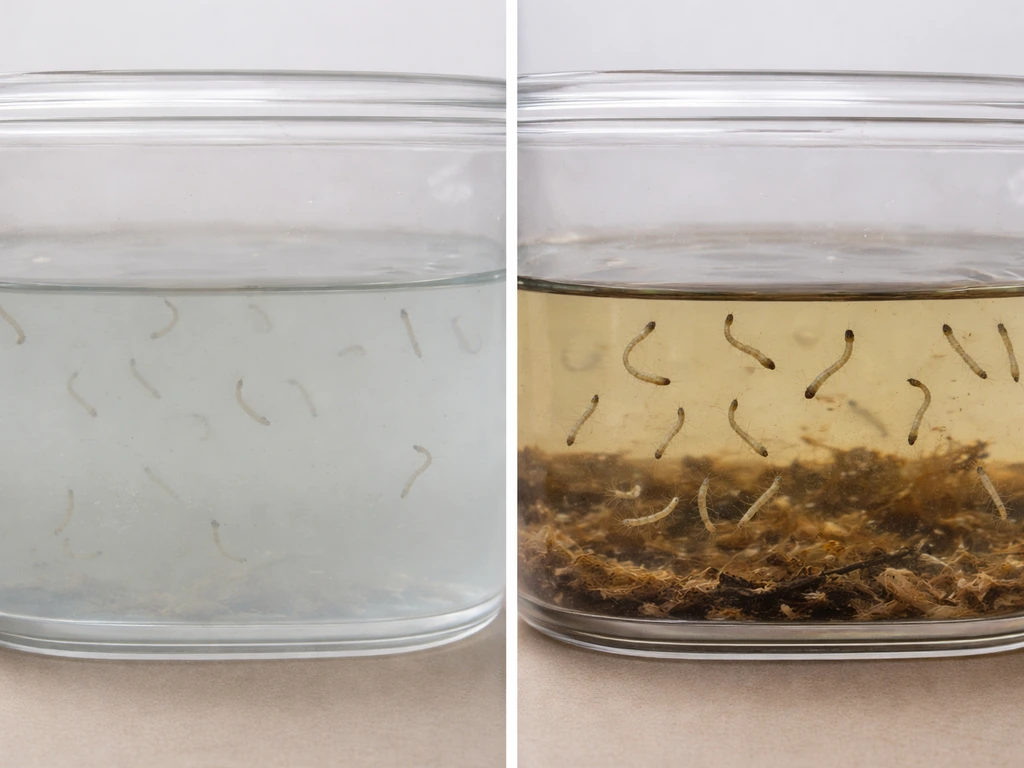
This is an important distinction. Maggots can survive submergence in water for a limited time, but surviving is not the same as developing. A study of blow-fly puparia survival under decreasing oxygen conditions supports the idea that oxygen levels in an aquatic environment can influence survival after submergence. Research on forensically important blowfly species like Chrysomya rufifacies shows that larval survival after submergence depends heavily on larval age and how long they're underwater. Very young larvae (around 20 to 30 hours old) show no survivors after extended submergence periods. Older, more developed larvae tolerate submergence better, but even they eventually die if fully submerged for too long without access to food and air.
In practice, what this means is that maggots can wriggle into standing water or get washed into a drain and stay alive for a period of hours to a day or more, depending on the conditions. But unless that water has submerged organic material they can feed on, they aren't growing, they're just surviving, and eventually dying. Growth and development require feeding.
Water conditions that affect how long maggots last
Not all water is the same from a maggot-survival perspective. Several factors directly influence whether larvae persist or perish:
| Factor | Effect on Maggot Survival/Development |
|---|---|
| Temperature | Warm water (20–35°C) extends survival and supports development if food is present; cold water below 10°C slows metabolism and shortens survival window |
| Dissolved oxygen | Low-oxygen (stagnant, organic-rich) water is more hospitable; highly oxygenated clean water provides less support |
| Organic load | Water with food residue, feces, or decaying matter can act as both a food source and egg-laying attractant for flies |
| Duration of submergence | Young larvae (under 30 hours old) tolerate submergence poorly; older third-instar larvae survive longer but still have a finite window |
| Water movement | Still water is more favorable; flowing water physically displaces larvae and disrupts development |
The worst-case scenario from a pest and food-safety standpoint is warm, stagnant water with a high organic load: a clogged drain with food residue, a bucket of dirty mop water left out in summer, or a standing puddle near animal waste. Those conditions can support a complete breeding cycle if flies have access.
Real-world scenarios where maggots and water intersect
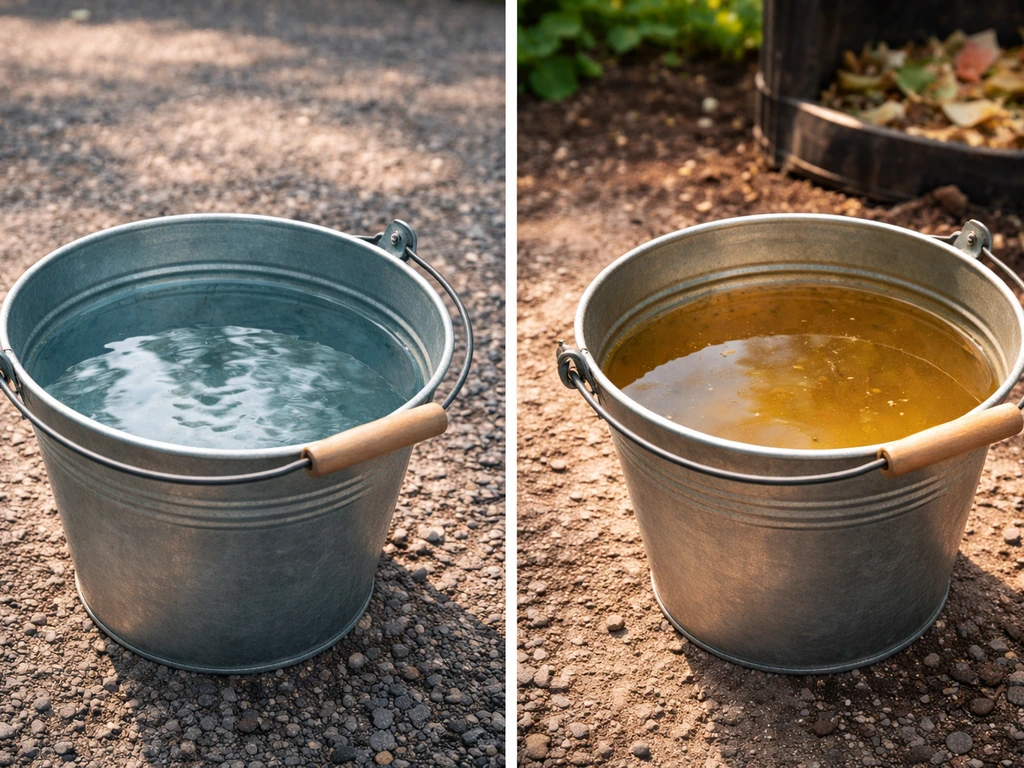
Standing water outdoors
A puddle of clean rainwater is very unlikely to support maggots. But standing water near a garbage bin, compost heap, or animal feeding area almost always contains enough organic material to attract flies and support larval development. Flies will lay eggs on the organic debris, not the water itself, but the larvae end up in and around the water as they feed and migrate.
Drains, buckets, and indoor water sources
Drains are a classic maggot hot spot. Toilet water and drains can provide the warm, organic-rich conditions and fly access that larvae need, so mosquitoes may be able to breed there if those conditions are present. Floor drains in kitchens, food processing areas, and bathrooms accumulate grease, food particles, hair, and other organic matter. That biofilm lining the inside of a drain is exactly what drain flies and houseflies will lay eggs on. If you find small maggots wriggling up from a drain, that's almost certainly what's happening. The same goes for mop buckets left with dirty water overnight or bins that haven't been rinsed.
Pet and animal waste near water
Dog feces, pet food left outdoors, and livestock areas with water troughs are high-risk zones. If you’re asking whether can worms grow in old dog poop, the key is whether it’s been left warm and moist enough with access for flies and other decomposers Dog feces. Flies are strongly attracted to animal waste, and if that waste is near or in contact with water (or if water pools around it during rain), the conditions for rapid maggot development are nearly ideal. This is also relevant to food safety professionals who work in environments handling animal products.
Food prep and commercial kitchen areas
In food production or commercial kitchen settings, any water source that contacts organic residue is a potential breeding site if fly control fails. This includes floor drains, condensate trays under refrigeration units, and areas where wash-down water pools with food debris. Temperature in these environments, especially in warmer months, can easily fall in the range where fly development accelerates.
Food safety and public health: when it actually matters
Maggots themselves aren't a direct pathogen, but they are a strong indicator that flies have had access to an area, and flies are major mechanical vectors for bacteria like Salmonella, E. coli, and other foodborne pathogens. A fly landing on a carcass or fecal matter and then on food preparation surfaces can transfer bacteria directly. Finding maggots near food or water used in food handling is a serious hygiene flag, not because the maggots themselves carry disease in every case, but because it tells you fly control has broken down and contamination pathways are open.
From an environmental perspective, the same conditions that support maggot development, warm temperatures, organic-rich moisture, and stagnant water, also promote bacterial growth and the proliferation of other organisms. If you work in food safety or are managing a facility, finding maggots should trigger a review of both pest control and sanitation protocols simultaneously. The maggots are the symptom; the root causes are fly access and organic residue.
It's worth noting that while maggots in or near water represent a nuisance and potential contamination risk, they belong to a broader category of organisms that can colonize food and water environments under the wrong conditions. Similar risk-assessment thinking applies when evaluating whether parasites or other organisms can establish themselves in food storage or preparation environments. Do viruses grow in food in the same way, or is their presence more about contamination than reproduction?
What to do today if you find maggots in or near water
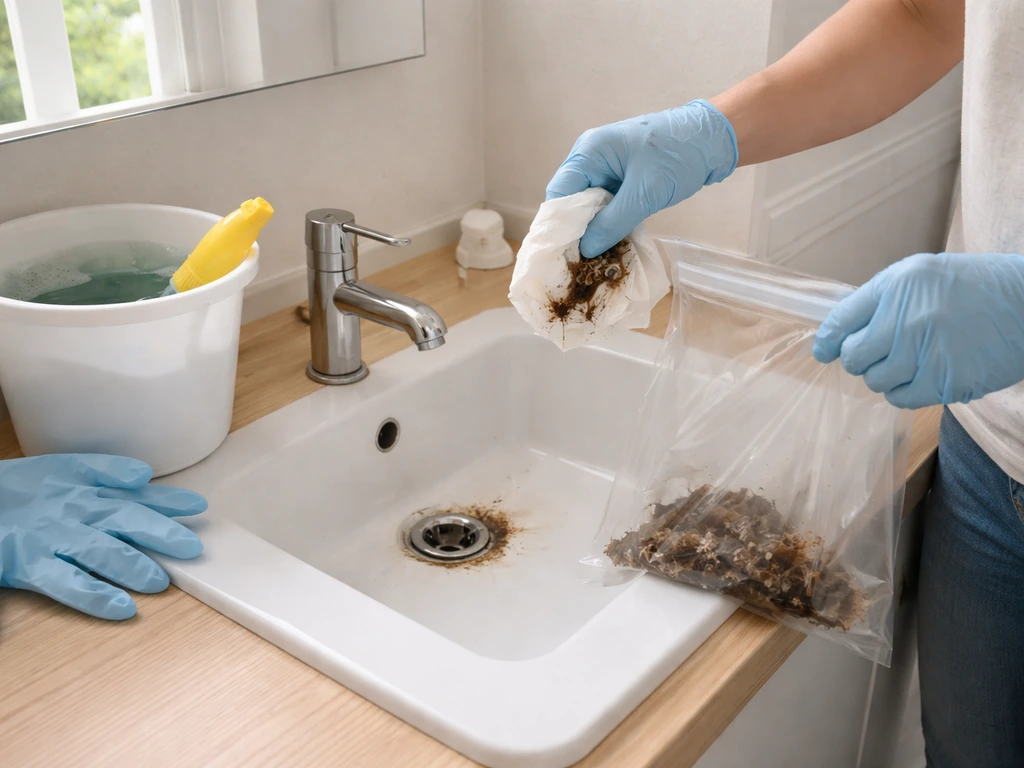
- Remove the organic source first: identify and eliminate the food or waste material flies laid eggs on. Without this step, cleaning the water is temporary.
- Dispose of infested material: bag and seal any contaminated food waste, animal feces, or organic debris and remove it from the area immediately.
- Flush and scrub drains: pour boiling water down affected drains, then scrub the interior walls with a stiff brush and an enzyme-based drain cleaner to break down the organic biofilm maggots feed on.
- Clean all surfaces: wash down any area (floors, bins, trays) with hot water and a food-safe disinfectant. Pay attention to cracks and corners where organic residue accumulates.
- Eliminate standing water: tip out buckets, address drainage issues, and ensure water doesn't pool near waste or food areas.
- Block fly entry: check door seals, window screens, and ventilation covers. Flies need to physically access an area to lay eggs, so cutting off entry is the most effective long-term control.
- Monitor and follow up: check the area again in 24 to 48 hours. If maggots return, the organic source hasn't been fully removed or flies still have access. Repeat the inspection systematically.
- Consider fly traps or UV light traps: in commercial or food-handling environments, installing fly control devices near entry points reduces the adult fly population and breaks the egg-laying cycle.
The bottom line is that maggot problems are always solvable once you address fly access and organic residue together. Water by itself doesn't grow maggots, but water in the wrong context, warm, still, and contaminated with organic material, can be a highly effective breeding environment. In the same way, bugs that grow in the lungs are typically a sign that the right conditions allow larvae to develop, not just a random presence. If you are wondering whether viruses can grow in food, the same idea applies: growth requires the right biological conditions, not just the presence of food or moisture. Fix the conditions and the maggots stop appearing.
FAQ
If I see maggots in a bucket of water, does that mean the water itself is contaminated?
No. If the water is truly clean and there is no nearby organic debris, flies generally cannot lay viable eggs on it, and any larvae washed into it will only survive briefly without food. The key check is what the water is touching (drain biofilm, grease, animal waste, food residue, compost, trash).
How can I tell whether the larvae came from nearby eggs versus washing in from somewhere else?
Maggots in water are usually larval stage of flies, not a separate “water-breeding” organism. If they are small and pale, they likely hatched very recently from eggs on nearby organic matter that got washed in or sits adjacent to the water.
After I clean the source, will the maggots disappear immediately or do they keep moving?
They do not grow in plain water by themselves, but they can keep living for a while if they have moisture and can reach food. That means you may see movement for some time after you remove the food source, but you should still treat the area as a breeding-risk and eliminate fly access and residue.
What is the best way to clean a drain or mop bucket where maggots appeared?
The most important step is to remove and discard the organic material they are feeding on, then clean and disinfect the surrounding surfaces. For drains, you typically need mechanical cleaning to remove the biofilm, followed by an appropriate cleaner and good rinse control, because biofilm in pipes is what supports larvae development.
What should I do differently if maggots are coming from a toilet or floor drain?
If the maggots are coming from a toilet, floor drain, or sink trap, you should prioritize stopping fly access (fix leaks and standing water), clean the drain thoroughly, and ensure trash and waste are sealed and removed promptly. Persistent recurrence often means missed residue in the trap or drain line, not that the water is “breeding” on its own.
I removed the standing water, why am I still seeing maggots the next day?
If you remove standing water and wipe down nearby surfaces but flies can still access the area, the problem can restart because eggs will be laid on remaining residue. Also, larvae may pupate in adjacent drier soil or substrate, so removing only the water may not end the cycle right away.
Which conditions make maggots in water more likely to develop instead of just survive?
Warm, stagnant, organic-rich water increases the chance of larvae surviving and developing, especially in summer or heated indoor areas. Quick cooling and frequent draining help, but you also must eliminate the organic film or food residue that attracts egg-laying.
Are maggots in or near water dangerous to handle directly?
For personal safety, avoid bare-hand contact, wear gloves, and wash thoroughly afterward. They are not always direct disease carriers, but flies and fecal contamination pathways can be a concern, so treat nearby food prep or utensils as contaminated until cleaned and sanitized.
Can this happen in kitchens or food production areas even when there are no obvious piles of garbage?
Yes. In facilities, similar larvae can appear in condensate trays, wash-down areas, and places where grease or food particles collect and water pools. If you see them, it is a signal to review cleaning schedules, leak control, and fly exclusion across all water-contact zones, not only the visible puddle.
If maggots are near my driveway or yard, where should I look for the most likely breeding source?
If you suspect contaminated animal waste, compost proximity, or a pet area near pooling water, check those zones first. Flies often lay eggs on the organic debris, and larvae end up in the water while feeding and later migrating to drier spots to pupate.
Next Article
Do Viruses Grow in Food? Survival, Risk, and Safety Tips
Do viruses grow in food? Learn why they usually do not replicate, how conditions affect survival, and safer handling tip