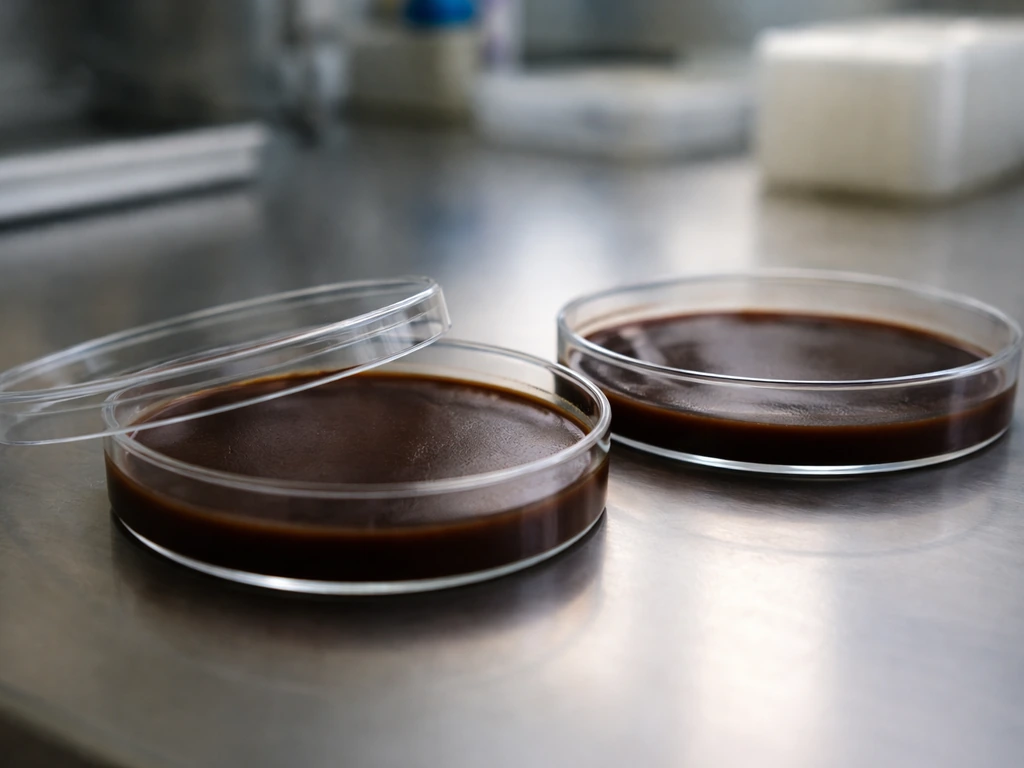
Yes, Staphylococcus aureus grows on chocolate agar. It grows reliably and often produces recognizable colonies, typically golden-yellow to white, smooth, and opaque. But here is the practical catch: chocolate agar is an enriched general-purpose medium, not a selective or differential one for S. aureus. That means plenty of other organisms will also grow alongside it, and you cannot confirm S. aureus from colony appearance alone. If you are trying to detect or confirm S. aureus today, chocolate agar will work in a pinch but it is not your best tool.
Does Staphylococcus aureus Grow on Chocolate Agar?

Marcus Reeves
24 Jun 2026
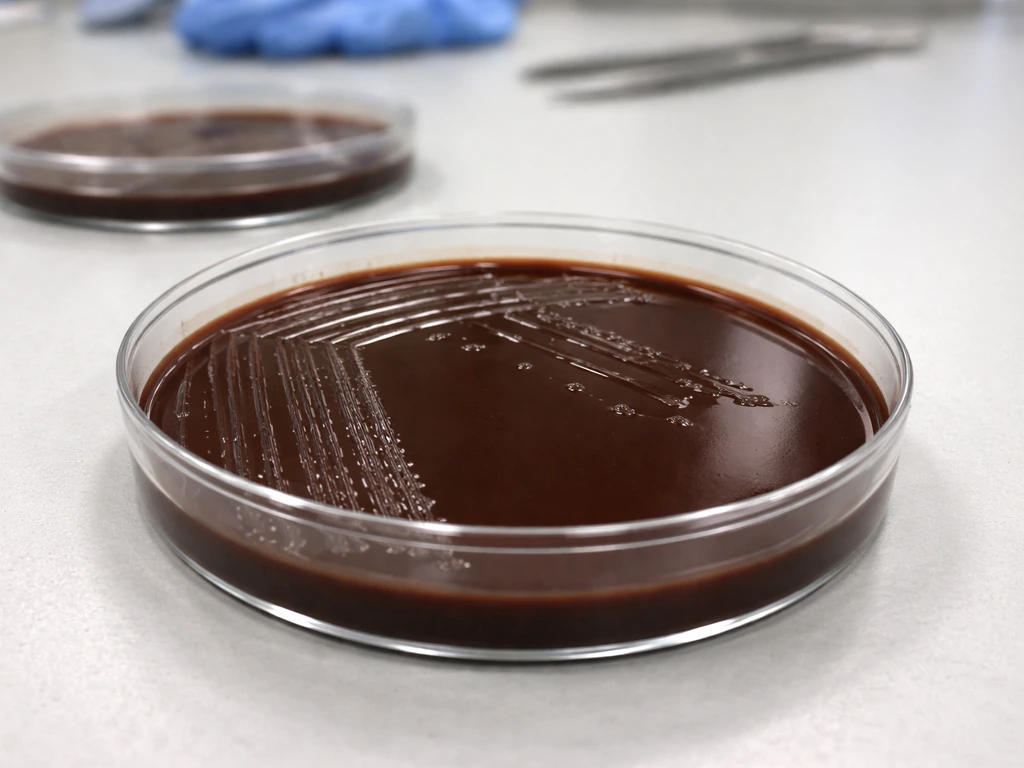
What chocolate agar actually is (and why the medium composition matters here)
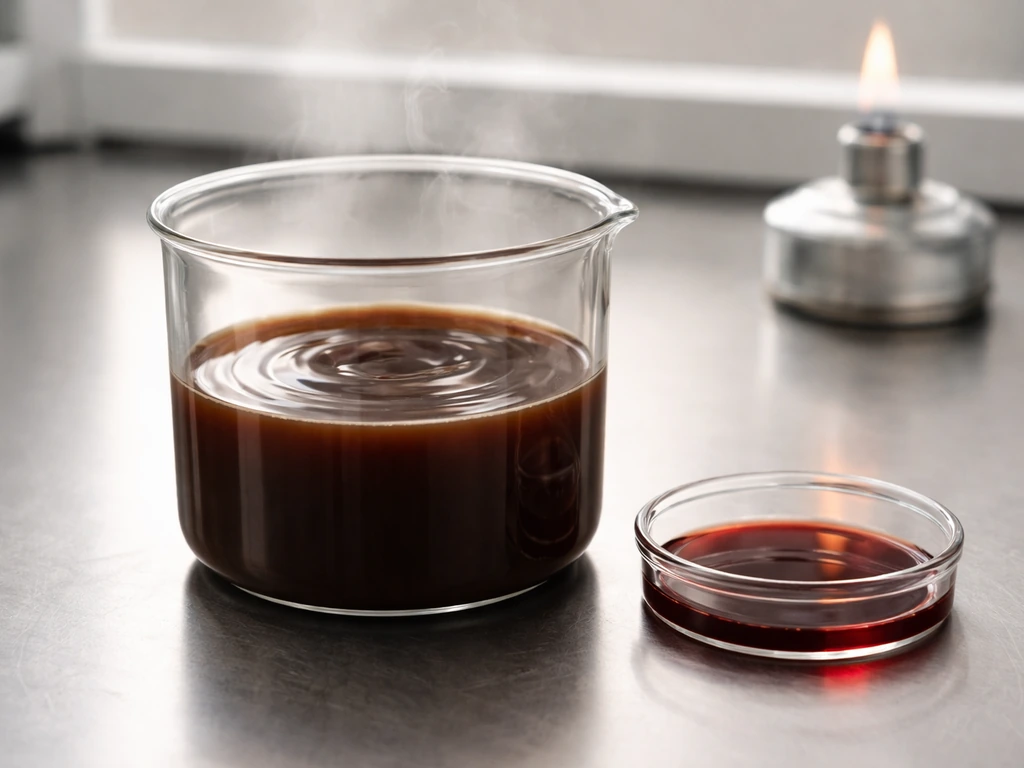
Chocolate agar gets its name from its color, not any actual chocolate. It is made by [adding defibrinated blood to a warm nutrient base agar at temperatures above 60°C](https://pmc. ncbi. nlm.
nih. gov/articles/PMC10178692/). That heat lyses the red blood cells, releasing their intracellular contents into the medium. The result is a rich, brownish agar packed with nutrients including hemin (called X factor) and NAD (called V factor).
These two cofactors are the whole point of chocolate agar for most labs: fastidious organisms like Haemophilus influenzae and Neisseria species cannot grow without them, and standard blood agar does not release them in sufficient amounts because the cells are not lysed. If you are wondering about this on blood agar specifically, Haemophilus influenzae generally will not grow well without those X and V factors blood agar does not release them in sufficient amounts.
Some commercial chocolate agar formulations, particularly those marketed for anaerobic or fastidious organism work, are further supplemented with extra X and V factors to ensure even fussy organisms get what they need. Incubation recommendations for these versions often specify 5 to 10% CO₂ to support growth of fastidious Gram-negatives. That CO₂ requirement is not about S. aureus at all but is worth knowing if you are running a mixed culture plate and interpreting results.
For S. aureus, the medium composition matters less because S. aureus is not fastidious. It does not need X factor or V factor to grow. What it needs is a warm, moist, nutrient-rich environment, and chocolate agar provides that easily. The medium's enrichment, which is designed to help struggling organisms, essentially gives S. aureus more than enough to thrive.
Does S. aureus need anything special to grow?
S. aureus is one of the more resilient and adaptable pathogens in clinical and food microbiology. It is a facultative anaerobe, meaning it grows well with or without oxygen. It grows across a broad temperature range of roughly 7°C to 48°C, with optimal growth around 35°C to 37°C for clinical isolates. It tolerates relatively low water activity (down to about 0.83 for growth, lower than most other pathogens) and can survive in high-salt environments, which is exactly why mannitol salt agar uses 7.5% NaCl as a selective agent.
In terms of pH, S. aureus grows best between 7.0 and 7.5 but tolerates a range from about 4.0 to 9.8. It does not require any specific cofactors, enrichment supplements, or special atmospheric conditions. Standard nutrient broth, blood agar, tryptic soy agar, and enriched media like chocolate agar all support robust growth. Its adaptability is a big part of why it is such a common contaminant and pathogen.
What to expect when you incubate S. aureus on chocolate agar
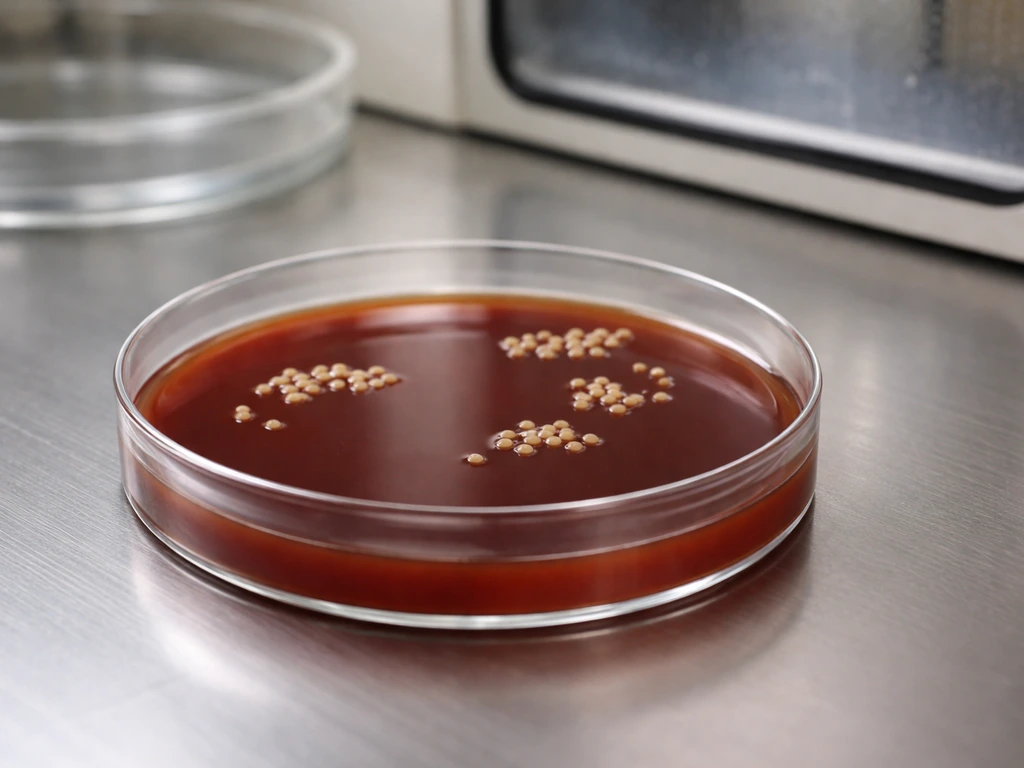
If you plate S. aureus on chocolate agar and incubate at 35°C to 37°C for 18 to 24 hours in ambient air or with CO₂, you will see growth. Colonies are typically 1 to 4 mm in diameter, convex, smooth, and opaque. The color ranges from golden-yellow to creamy white depending on the strain and its carotenoid pigment production. On the brown background of chocolate agar, the pigmented colonies can look slightly yellowish or cream-colored rather than the vivid gold you might see on a lighter medium like blood agar.
S. aureus does not produce hemolysis on chocolate agar the way it does on blood agar, because the red blood cells are already lysed in the manufacturing process. That means one of the useful visual clues from blood agar (beta-hemolysis, the clear zone around colonies) is not available here. You are working with less visual information than you would be on blood agar, and that is another reason chocolate agar is not the preferred medium for identifying S. aureus specifically.
Chocolate agar vs. selective media: what to use instead for S. aureus
Chocolate agar is an enriched but non-selective, non-differential medium. That combination is useful for growing a wide range of organisms from clinical specimens, but it creates a real problem when you are looking for S. aureus specifically: everything else grows too. A mixed sample from a food product, wound swab, or environmental surface will produce a crowded plate, and picking out S. aureus without a selective agent is guesswork.
| Medium | Selectivity | Differentiation | Best use for S. aureus |
|---|---|---|---|
| Chocolate agar | None | None | Not recommended as primary isolation medium |
| Blood agar (BAP) | None | Hemolysis pattern | Useful but not selective; shows beta-hemolysis |
| Mannitol Salt Agar (MSA) | High (7.5% NaCl) | Mannitol fermentation (yellow halo) | Good presumptive selection and differentiation |
| Baird-Parker agar | High (lithium chloride, tellurite) | Egg yolk reaction (lecithinase halo) | Gold standard for food microbiology (FDA BAM) |
| CHROMagar Staph aureus | Moderate | Chromogenic color (mauve/pink) | Fast presumptive ID in clinical and food labs |
If you are working in food safety and following FDA Bacteriological Analytical Manual (BAM) protocols, Baird-Parker agar is the standard for S. aureus isolation. S. aureus produces characteristic circular black colonies with a gray halo (from egg yolk lecithinase activity) on Baird-Parker, making presumptive identification much more straightforward. Mannitol salt agar is another strong choice, especially when you want to save time: S. aureus ferments mannitol, turning the medium yellow around colonies, while other staphylococci typically do not.
To be clear, this is a different situation from organisms like Haemophilus influenzae or Neisseria, where chocolate agar is genuinely the right choice because those bacteria require X and V factors to grow at all. Does Haemophilus influenzae grow on chocolate agar? Yes, it typically needs the X and V factors that chocolate agar can supply. For S. aureus, chocolate agar does not provide any selective or diagnostic advantage, so the choice of medium is entirely about what else is in the sample and how precisely you need to identify colonies.
How to confirm S. aureus if colonies appear
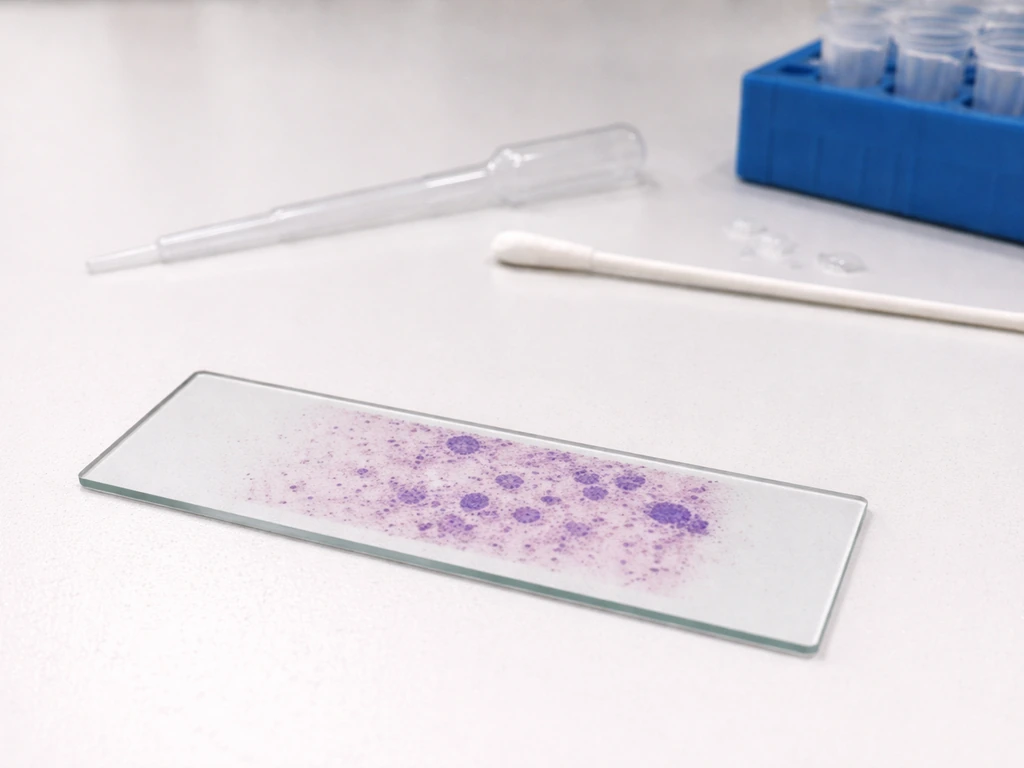
Seeing suspicious colonies on chocolate agar is only the beginning. Colony morphology alone cannot confirm S. aureus, regardless of which medium you use. Here is the practical workflow to work through if you see growth you want to identify.
- Gram stain: S. aureus is Gram-positive and appears as cocci arranged in grape-like clusters. This is the first and fastest filter. Gram-negative rods or cocci can be ruled out immediately.
- Catalase test: Add a drop of 3% hydrogen peroxide to the colony. S. aureus is catalase-positive and will produce bubbles vigorously. This separates staphylococci from streptococci, which are catalase-negative.
- Coagulase test (slide): Mix a small amount of colony material with a drop of rabbit plasma on a slide. A clumping reaction within 10 seconds indicates bound coagulase (clumping factor), which is presumptive for S. aureus. Note that some coagulase-negative staphylococci can give a weakly positive result here.
- Coagulase test (tube): Inoculate a tube of rabbit plasma and incubate at 35°C for 4 hours and again at 24 hours. Clot formation confirms extracellular (secreted) coagulase, which is definitive for S. aureus. Tube coagulase is more specific than the slide method.
- Additional confirmatory tests: DNase agar and mannitol fermentation can add further confidence. S. aureus is DNase-positive and mannitol-fermenting. Latex agglutination kits that detect both clumping factor and protein A are also widely used and show accuracy above 95% in studies, though rare coagulase-negative staphylococci can still produce false positives.
- Correlate with clinical or environmental context: Colony count, sample source, and patient or food history all affect how you interpret results. A pure heavy growth from a wound swab carries different weight than a single colony from an environmental swipe.
The FDA BAM chapter on S. aureus is explicit that coagulase testing is required for confirmation, not just presumptive colony morphology. Do not skip the coagulase step, especially in food safety contexts where the stakes of a false positive or false negative are high.
Practical setup for testing today
If chocolate agar is all you have available right now, here is how to get the most out of it while knowing its limits.
- Incubation temperature: 35°C to 37°C is optimal for S. aureus. If you are using a CO₂ incubator set for fastidious organisms, that is fine and will not harm S. aureus growth, but ambient air is sufficient.
- Incubation time: Read plates at 18 to 24 hours. S. aureus colonies should be clearly visible by 24 hours. Confirm any suspicious colonies at 48 hours if needed.
- Atmosphere: Ambient air works. S. aureus is a facultative anaerobe, so it does not need CO₂ or anaerobic conditions. If your incubator is set to 5 to 10% CO₂ for another purpose, results are still valid.
- Colony selection: Pick colonies that appear golden-yellow to creamy white, convex, and 1 to 4 mm in size. On the brown background of chocolate agar, focus on colonies with consistent smooth edges and uniform elevation.
- Confirmatory workflow: Do not stop at colony morphology. Run Gram stain, catalase, and at minimum a slide coagulase. Follow up with tube coagulase if the slide result is ambiguous.
- If you have access to selective media: Subculture suspicious colonies to Baird-Parker or mannitol salt agar to get a cleaner differential result before running biochemical confirmations.
What you can and cannot conclude from chocolate agar growth
If you see growth on blank" rel="noopener noreferrer">chocolate agar, you can conclude the organism is viable and capable of growing on an enriched non-selective medium. Different bacteria can also grow on chocolate agar, so colony appearance alone is not enough to identify the organism. You cannot conclude it is S. aureus without confirmation steps. If you see no growth after 48 hours at 37°C, S. aureus is unlikely to be present in meaningful numbers, since it grows readily under those conditions. That absence is actually more informative than the presence, because chocolate agar's lack of selectivity means any S. aureus in the sample will have had every opportunity to grow.
For routine food safety or clinical diagnostics, the bottom line is straightforward: use Baird-Parker for food samples and blood agar or a chromogenic selective medium for clinical isolates. Chocolate agar is a workhorse for fastidious Gram-negative organisms like Haemophilus and Neisseria that genuinely depend on the X and V factors it releases. Neisseria can grow on chocolate agar because it needs the medium's X and V factors Haemophilus and Neisseria. For S. aureus, it is a capable but non-ideal medium that requires more confirmatory work downstream. Know what you are trying to detect, match your medium to the target organism, and always confirm with coagulase before drawing conclusions.
FAQ
If I see golden-yellow colonies on chocolate agar, can I assume they are Staphylococcus aureus?
No. Chocolate agar is non-selective, so colony color and size can overlap with other staphylococci and unrelated bacteria. You still need confirmatory testing, commonly coagulase (and any lab-specific follow-up such as identification to species level).
Does Staphylococcus aureus grow on chocolate agar under anaerobic conditions?
Usually yes, because S. aureus is facultative anaerobic. However, the exact colony look and growth rate can change depending on how you incubate (oxygen availability and moisture), so do not use colony appearance differences as proof of identity.
What incubation time should I use for suspect S. aureus on chocolate agar?
A typical starting point is 18 to 24 hours at 35°C to 37°C, but many labs extend to about 48 hours if the plate is directly from a mixed or low-burden specimen. If you have no growth after around 48 hours under appropriate conditions, meaningful S. aureus is less likely.
If other organisms grow on the same plate, how can I still look for S. aureus?
You cannot rely on morphology alone. Pick well-isolated colonies that resemble staphylococci, then run confirmation tests. Practically, if mixed growth is heavy, consider subculturing onto a selective medium like mannitol salt agar or Baird-Parker to reduce background.
Will using CO₂ in the incubator help isolate S. aureus from chocolate agar?
It usually is not necessary specifically for S. aureus. CO₂ supplementation is more important for fastidious Gram-negatives, so if your goal is only S. aureus, routine ambient air is typically sufficient, while still using the confirmatory workflow.
Does chocolate agar support S. aureus recovery from swabs or food samples that may have low numbers of bacteria?
Yes, it can support recovery because it is enriched, even when competing organisms are present. The downside is specificity, so you may get ambiguous colony findings. If you must screen many samples, using selective media designed for S. aureus typically improves decision-making and reduces rework.
Is there a difference in what you should expect for S. aureus colonies on chocolate agar versus blood agar?
Yes. Because blood cells are lysed during chocolate agar preparation, hemolysis patterns do not provide the same clues as on blood agar. Also, the colony color can look more creamy or pale against the brown background, so comparison to blood agar expectations can mislead you.
If a plate grows staphylococci on chocolate agar, do I always need coagulase testing?
For confirmation of S. aureus, yes, coagulase testing is the usual required step in the standard workflows. Skipping it can create false conclusions, especially when other coagulase-variable or non-aureus staphylococci are present.
What is the fastest next step if you only have chocolate agar available right now?
Subculture suspected colonies from chocolate agar onto a medium that improves presumptive distinction (for example, mannitol salt agar or Baird-Parker, depending on your use case), then proceed to coagulase and any organism identification steps your protocol requires.
Next Article
Does Neisseria Grow on Chocolate Agar? Growth Conditions
See if Neisseria meningitidis and gonorrhoeae grow on chocolate agar, with conditions and troubleshooting next steps.