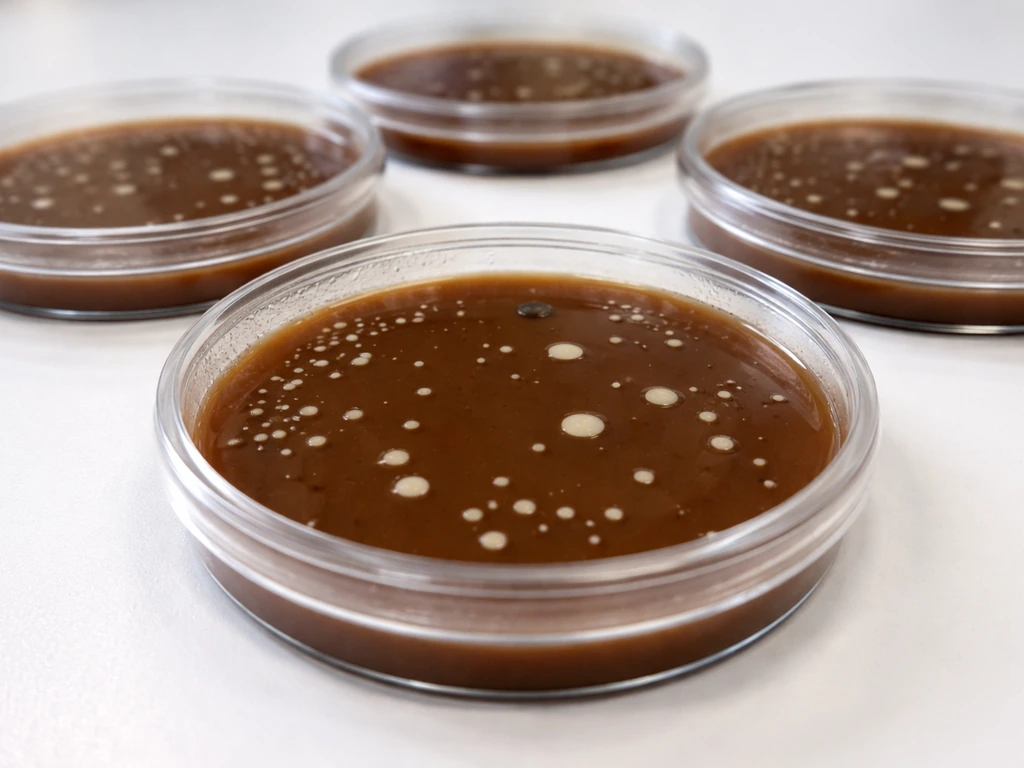
Yes, both Neisseria meningitidis and Neisseria gonorrhoeae grow on chocolate agar, but only if the incubation conditions are right. The medium alone is not enough. You need a CO2-enriched atmosphere, blank" rel="noopener noreferrer">the correct temperature range (35–37°C), adequate humidity, and enough time (at least 24 hours). Skip any of those, and you will likely see no growth even from a viable inoculum.
Does Neisseria Grow on Chocolate Agar? Growth Conditions

Marcus Reeves
17 Jun 2026
What chocolate agar is and why it works for fastidious bacteria
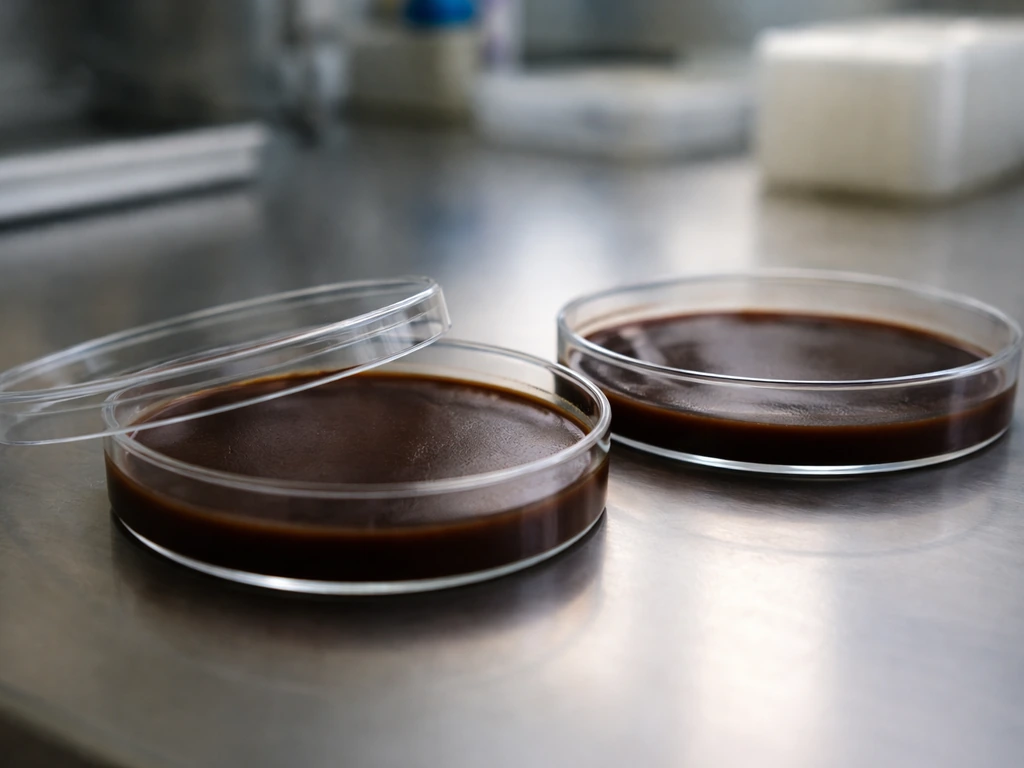
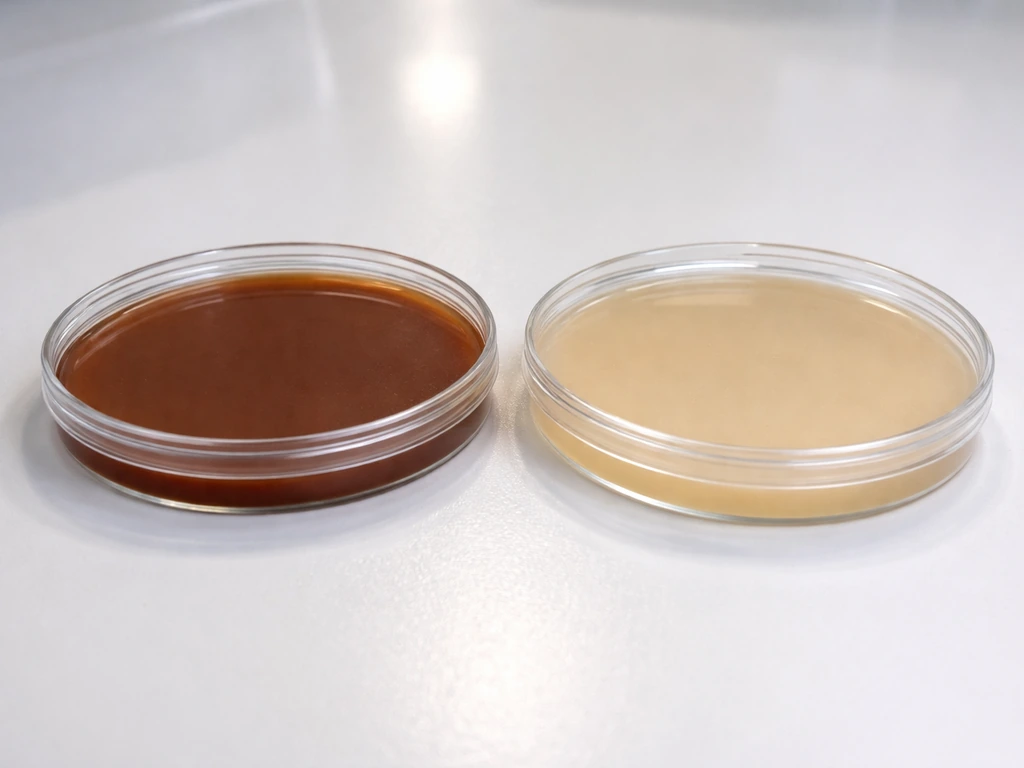
Chocolate agar is a heated blood agar. However, this does not answer whether Haemophilus influenzae can grow directly on blood agar without the additional factor requirements heated blood agar. When defibrinated blood is added to warm base media and brought up to around 80°C, the red blood cells lyse and release two critical growth factors: hemin (called Factor X) and nicotinamide adenine dinucleotide, or NAD (called Factor V). The name comes purely from the resulting brown color, not from any cocoa content.
Those two released factors are what make chocolate agar useful for fastidious organisms. Neisseria species, like Haemophilus influenzae, cannot synthesize all the growth factors they need from scratch. They rely on the medium supplying hemin and NAD directly. Plain blood agar still contains intact red blood cells, so those factors stay locked inside the cells and are far less available. Chocolate agar solves that by pre-lysing the cells during preparation.
Many commercial formulations also add enrichments like GC supplement or vitamin K to push growth further, particularly for Neisseria species. The result is an opaque, brown, enriched medium that supports organisms that would grow poorly or not at all on standard nutrient agar.
Neisseria meningitidis on chocolate agar
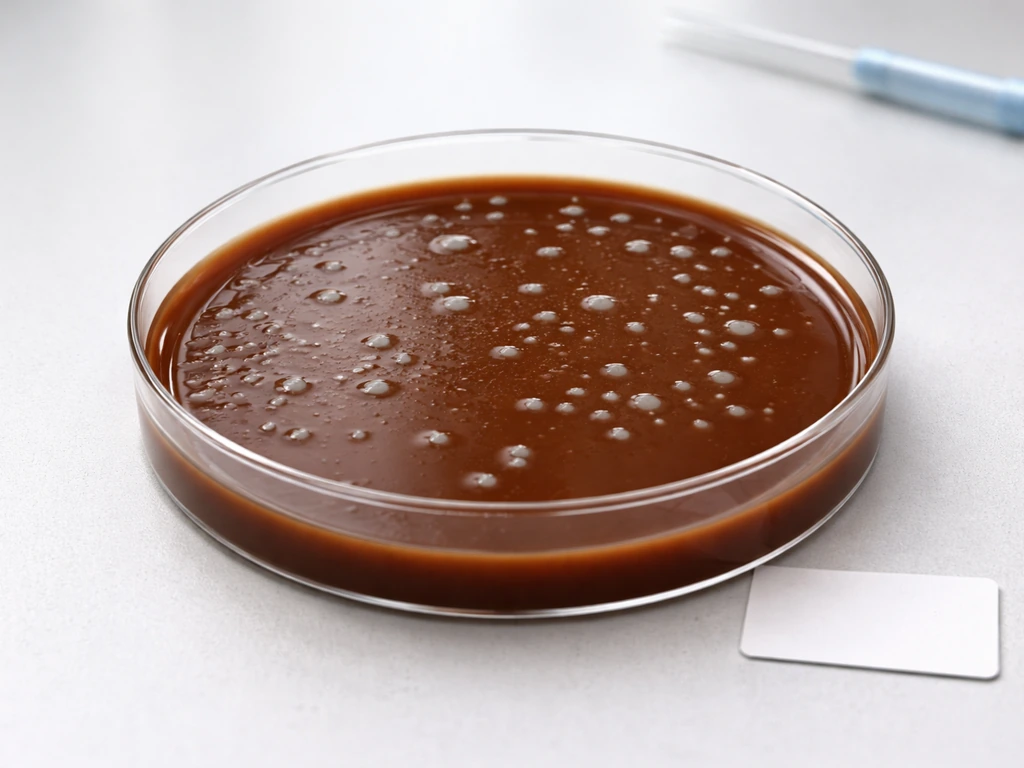
N. meningitidis grows reliably on chocolate agar. It is one of the standard media recommended by the CDC for culturing meningococci, alongside Mueller-Hinton medium. When conditions are correct, you can expect visible growth within 20 to 48 hours.
Colony morphology on chocolate agar is typically greyish or near-translucent, similar in appearance to what you would see on blood agar. Colonies are not dramatically pigmented or distinctive, which is why presumptive identification from morphology alone requires careful observation and confirmation steps.
The APHL specifies incubation of N. meningitidis at 35 ± 2°C with 5% CO2 for 20–24 hours for CLSI-based testing, and ATCC references 24–48 hours at 37°C with 5% CO2 for reliable growth on GC-based enriched agar. Both point to the same core requirement: enriched medium plus CO2 plus correct temperature.
Neisseria gonorrhoeae on chocolate agar
N. gonorrhoeae also grows on chocolate agar, but it is arguably even more demanding than N. meningitidis. Multiple public health labs list chocolate agar as a suitable medium for culturing gonococci, alongside selective media like modified Thayer-Martin (MTM). The California Department of Public Health explicitly names chocolate agar as an option for growing fresh N. gonorrhoeae isolates before susceptibility testing.
Expected colonies after 24–48 hours at 35°C in 5–10% CO2 are small, grayish-white to colorless, and mucoid. They can be subtle, especially at 24 hours. If you are only glancing at the plate, it is easy to miss early growth.
One practical consideration: chocolate agar is nonselective. Any organism in the specimen can grow on it, which means mixed clinical samples can result in contaminating flora overgrowth that buries or obscures gonococcal colonies. For specimens from sites with normal flora (rectal, pharyngeal, or vaginal samples), selective media like modified Thayer-Martin is generally preferred because its antibiotic additives suppress competing organisms while still supporting N. gonorrhoeae.
Incubation requirements that make or break growth
Getting the medium right is only half the work. Neisseria species are capnophilic, meaning they actively need elevated CO2 to grow. Without it, you will very likely get no visible growth at all, even with a quality plate and a viable inoculum. This is one of the most common reasons labs see unexplained no-growth results.
| Parameter | N. meningitidis | N. gonorrhoeae |
|---|---|---|
| Temperature | 35–37°C | 35–37°C |
| CO2 atmosphere | 5–10% CO2 | 5–10% CO2 |
| Humidity | Moist atmosphere recommended | >80% humidity recommended |
| Incubation time | 20–48 hours (check at 24h and 48h) | 24–48 hours (18–24h ideal for some workflows) |
| Atmosphere note | Candle jar or CO2 incubator | Candle jar or CO2 incubator; CO2 bag/tablet for transport |
Humidity matters more than it might seem. N. gonorrhoeae in particular is vulnerable to desiccation, and plates drying out during incubation can kill colonies before they become visible. Using a humidified incubator or placing a water dish in a standard incubator helps. Some protocols specify greater than 80% relative humidity as a formal requirement.
On timing: check plates at both 24 and 48 hours. Some strains, especially damaged or stressed isolates from clinical specimens or transport conditions, may show only faint growth at 24 hours that becomes clearly visible by 48 hours. Discarding a plate at 24 hours as negative is a real failure mode.
If there's no growth: common causes to check first
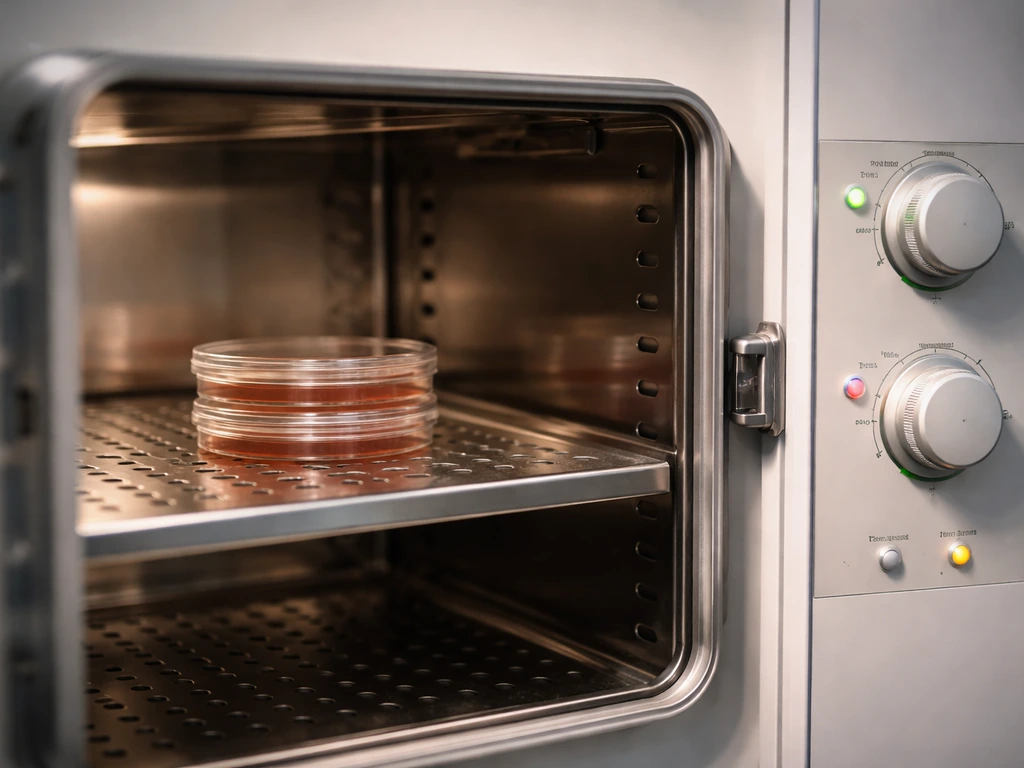
Before assuming the specimen was negative, work through the most common reasons for failure. Most no-growth results on chocolate agar for Neisseria come down to atmosphere or media problems, not a truly negative sample.
- No CO2 enrichment: incubating in ambient air without a CO2 incubator, candle jar, or CO2-generating system is the single most common cause of failed Neisseria culture. Standard atmosphere will not support reliable growth.
- Wrong temperature: even a few degrees matters. Incubating below 35°C or above 38°C can significantly reduce or eliminate growth.
- Plate too old or improperly stored: chocolate agar has a shelf life. Expired or poorly stored plates may lack viable growth factors or contain condensation that promotes contamination and suppresses the target organism.
- Inoculum too light or too dilute: a barely visible inoculum from a swab that was stored too long, dried out, or not transferred promptly can simply have too few viable cells to initiate growth.
- Desiccation during incubation: inadequate humidity in the incubator, especially for longer incubation runs, can dry colonies before they develop.
- Overgrowth by competing flora: on nonselective chocolate agar, faster-growing normal flora from mixed clinical specimens can crowd out Neisseria before it becomes visible. This is especially common with pharyngeal, rectal, or genital specimens.
- Prior antibiotic exposure: if the patient had started antibiotic therapy before specimen collection, viable colony counts may be too low to grow out. PCR can still detect nucleic acid in these cases.
- Incorrect species assumption: not all Neisseria-like organisms have the same growth profile. Commensal Neisseria species are generally hardier, but if you are expecting N. gonorrhoeae and have the wrong specimen site or suspect organism, that changes interpretation entirely.
Confirming your result and next steps for each species
For N. meningitidis
If you have growth on chocolate agar that is consistent with meningococci (greyish, near-translucent colonies, correct incubation conditions), the next step is confirmatory identification. Biochemical testing (oxidase positive, glucose and maltose fermentation but not lactose), along with Gram stain showing Gram-negative diplococci, supports presumptive identification. Definitive confirmation typically uses serotyping, latex agglutination, or molecular methods.
If there was no growth despite correct incubation, consider PCR on the original specimen. The CDC specifically notes that PCR is particularly valuable when antibiotics were given before collection and culture may be falsely negative. Blood and CSF collected early give the best PCR results.
For N. gonorrhoeae
If you got growth on chocolate agar from a urogenital or sterile-site specimen, follow up with oxidase testing (positive), Gram stain (Gram-negative intracellular diplococci on direct smear), and carbohydrate utilization (glucose positive, maltose negative, which distinguishes gonococci from meningococci). Nucleic acid amplification testing (NAAT) is now the diagnostic standard for most clinical settings, but culture remains essential for antibiotic susceptibility testing.
If you see no growth on nonselective chocolate agar from a specimen that may have mixed flora, switch to modified Thayer-Martin or another selective GC-based medium. MTM contains vancomycin, colistin, and nystatin (and sometimes trimethoprim) to suppress most competing organisms while still permitting N. gonorrhoeae growth. This is the most common and effective troubleshooting move when chocolate agar fails due to overgrowth or contamination.
For transport situations where a CO2 incubator is not immediately available, CO2 tablet systems or candle jars can maintain the necessary atmosphere in a sealed bag or jar during short-term transport. The window is tight though: gonococci are fragile at room temperature, and specimens should reach incubation conditions within 24 hours for reliable recovery.
Quick comparison: chocolate agar vs. modified Thayer-Martin for Neisseria
| Feature | Chocolate Agar | Modified Thayer-Martin |
|---|---|---|
| Selectivity | Nonselective (most organisms grow) | Selective (suppresses competing flora) |
| Best use case | Sterile-site specimens, pure cultures, subculture | Mixed-flora specimens (genital, rectal, pharyngeal) |
| N. meningitidis support | Yes, well-supported | Yes, but some strains may be inhibited by antibiotics in MTM |
| N. gonorrhoeae support | Yes, with correct CO2/temp | Yes, preferred for clinical isolation from non-sterile sites |
| CO2 requirement | Yes, 5–10% | Yes, 5–10% |
| Temperature | 35–37°C | 35–37°C |
| Incubation time | 24–48 hours | 24–48 hours |
The practical recommendation: use chocolate agar for subculture from pure isolates or sterile-site specimens, and use modified Thayer-Martin (or another selective GC medium) for primary isolation from clinical specimens likely to contain mixed flora. Both require the same CO2 and temperature conditions, so the atmosphere setup is not an either-or decision.
Chocolate agar also comes up frequently in the context of other fastidious organisms. Haemophilus influenzae, for example, shares the same requirement for X and V factors that chocolate agar provides, which is why the two organisms are often discussed together in lab protocols. That shared dependency on lysed blood growth factors is the common thread running through how these media choices are made.
FAQ
If Neisseria grows on chocolate agar, can I rely on colony appearance to identify it immediately?
No. Neisseria colonies on chocolate agar are often greyish or translucent and can look similar across fastidious species. You still need confirmatory testing (for example oxidase, Gram stain, and carbohydrate utilization), or definitive methods such as serotyping or molecular tests.
What should I do if I see faint growth at 24 hours, then nothing later?
Treat it as potentially real early growth and verify before discarding. Some stressed isolates recover slowly, and recheck at 48 hours, then proceed with confirmatory tests rather than declaring the plate negative based only on the first time point.
If incubation temperature is slightly off, can Neisseria still grow on chocolate agar?
Growth can fail with even small deviations. Neisseria typically needs mid-30s to 37°C, and going too low or too high can prevent visible colonies. When troubleshooting, confirm the incubator’s actual set point and internal temperature, not just the displayed value.
How can I avoid confusing chocolate agar growth with contamination from mixed specimens?
Because chocolate agar is nonselective, mixed flora can overgrow and hide Neisseria. For primary isolation from rectal, pharyngeal, or vaginal specimens, use selective GC media like modified Thayer-Martin instead of relying on chocolate agar alone.
Does Neisseria need CO2 for every step, including subculture from colonies?
CO2 is required for growth, and subcultures from presumptive colonies should be handled under the same elevated-CO2 conditions to maintain recovery. If you subculture into inappropriate atmosphere or allow plates to remain outside incubation conditions for too long, viability can drop and growth may appear to “fail.”
What’s the best way to handle a plate that looks dry after incubation?
If the agar surface dried during incubation, Neisseria, especially gonococci, can die before colonies become visible. Use a humidified incubator or a water source in the incubator, and avoid leaving plates out of the controlled environment longer than necessary while you check them.
Can I switch to blood agar if chocolate agar isn’t available?
Often no. For Neisseria and Haemophilus, chocolate agar’s key benefit is that lysed blood releases needed growth factors. Plain blood agar contains intact red cells, which makes the factors less available, so growth is frequently poor or absent.
Is there a risk of false-negative culture if the patient received antibiotics?
Yes. Antibiotics taken before specimen collection can suppress or eliminate viable organisms, leading to culture-negative results even when disease is present. In that scenario, consider PCR or other nucleic acid testing on the original specimen, since it can still detect organism DNA.
If culture is negative but symptoms are strong, should I still perform NAAT?
In many clinical workflows, yes. When culture fails, NAAT can provide useful detection independent of viability. This is particularly important when there was recent antibiotic exposure or when the specimen is collected after treatment begins.
How do I choose between chocolate agar and modified Thayer-Martin for different specimen types?
Use chocolate agar mainly when you’re subculturing from a pure isolate or from a site likely to be low in competing flora (for example some sterile-site contexts). Use modified Thayer-Martin or another selective GC medium for primary isolation from urogenital sites where mixed flora is expected, to reduce overgrowth that obscures Neisseria.
Next Article
What Bacteria Grow on Chocolate Agar and Why
See which fastidious bacteria grow on chocolate agar, what conditions they need, and how to confirm isolates by colony p