Most bacteria do not grow well in acidic environments. The majority of bacteria that matter in food safety and lab work are neutralophiles, meaning they prefer pH levels close to neutral (around 6. 5 to 7. 5).
Does Bacteria Grow Well in Acidic Environments? pH Guide

Marcus Reeves
4 May 2026
Drop the pH below about 4. 6 and you stop most harmful bacteria in their tracks, which is exactly why food preservation methods like pickling and acidification rely on that threshold. That said, some bacteria genuinely tolerate or even prefer acidic conditions, and a handful of specialized types (called acidophiles) actually require very low pH to grow. So the honest answer is: it depends on which bacteria you are dealing with, and how acidic you mean.
Candida is different from most bacteria, and its ability to thrive depends on the specific environment rather than just whether conditions are acidic or alkaline.
What pH means and what 'grows well' actually tells you
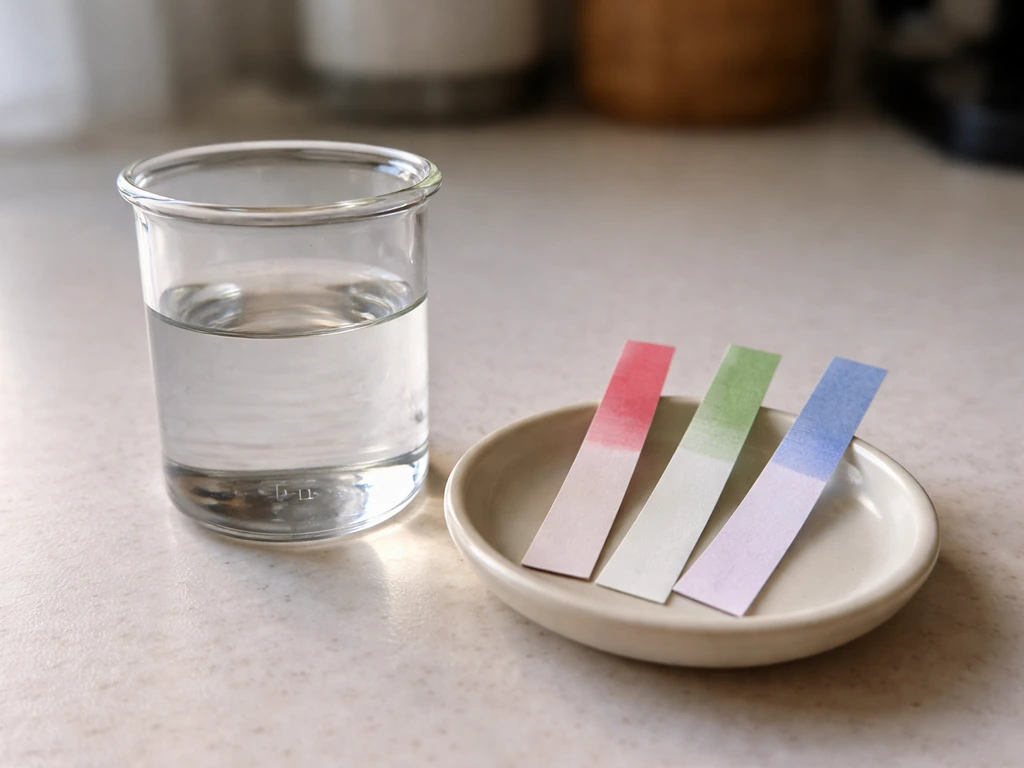
pH is a scale from 0 to 14. Below 7 is acidic, 7 is neutral, and above 7 is alkaline (also called basic). Vinegar sits around pH 2.5, pure water is 7, and baking soda solutions are around 8 to 9. When microbiologists say a bacterium 'grows well' at a given pH, they mean the organism can replicate at a reasonable rate under those conditions. Growth is not the same as survival. A bacterium can persist, or remain viable, at a pH where it is not actively dividing. That distinction matters a lot in food safety and preservation, because your goal is usually to stop growth, and sometimes to kill.
You will also see terms like minimum pH, optimum pH, and maximum pH in microbiology tables. The optimum is where the organism grows fastest. The minimum and maximum are the outer limits where growth is technically still detectable but very slow. Outside those limits, the bacteria may survive for a period without multiplying. Keep this in mind when you read any pH tolerance range: a bacterium listed as growing from pH 4.0 to 9.0 grows best somewhere in the middle of that range, not equally across it.
How bacterial growth maps across the pH scale
The broad pattern is straightforward: most bacteria studied in food and clinical microbiology grow across a pH range of roughly 5 to 8, with peak growth near neutral. A well-studied example is Escherichia coli K-12, which maintains reasonable doubling times across a pH range of about 5.0 to 8.7. That is fairly representative of neutralophilic bacteria as a group.
Listeria monocytogenes is a useful benchmark because it is among the more acid-tolerant common food pathogens. Depending on the source and the growth medium, its minimum growth pH is reported between 4. 0 and 4. 45, with an optimum at 7.
0. One controlled study using broth at defined temperature and water activity combinations put the actual minimum permitting growth at pH 4. One controlled study summarized in the PubMed record for Listeria monocytogenes tested multiple pH setpoints (4. 4, 4.
6, 4. 8, 5. 0, and 5. 2) using common acidulants across different times and temperatures [pH setpoints 4.
4, 4. 6, 4. 8, 5. 0, and 5.
2](https://pubmed. ncbi. nlm. nih.
gov/31003336/). 45. At that lower end, growth is slow and the conditions have to be otherwise favorable. For comparison, the upper end of its range extends to about pH 9.
0, making it more alkaline-tolerant than acid-tolerant.
The pH 4.6 threshold used in U.S. food regulation comes directly from Clostridium botulinum, which cannot grow or produce toxin at or below that pH. This is why the FDA defines acidified foods as those brought to a finished equilibrium pH of 4.6 or below, and why low-acid canned foods with pH above 4.6 (combined with water activity above 0.85) require specific processing controls. That single cutoff represents the growth limit of one of the most dangerous food pathogens, not a universal rule for all bacteria.
| Bacterium | Min pH for growth | Optimum pH | Max pH for growth | Classification |
|---|---|---|---|---|
| Clostridium botulinum | 4.6 | 6.0–7.0 | ~9.0 | Neutralophile |
| Listeria monocytogenes | 4.0–4.45 | 7.0 | 9.0 | Neutralophile (acid-tolerant) |
| Escherichia coli | ~4.4–5.0 | 6.0–7.0 | ~8.5–9.0 | Neutralophile |
| Salmonella spp. | ~3.8–4.0 | 6.5–7.5 | ~9.5 | Neutralophile |
| Lactobacillus spp. | ~3.5–4.0 | 5.5–6.5 | ~7.5–8.0 | Acidophile / acid-tolerant |
| Acetobacter aceti | ~3.5 | 5.5–6.0 | ~7.5 | Acidophile |
| Vibrio cholerae | ~6.0 | 7.0–8.0 | ~11.0 | Neutralophile / alkalitolerant |
| Bacillus alcalophilus | ~7.0 | 9.0–10.0 | ~12.0 | Obligate alkaliphile |
Bacteria that actually like or need acid: acidophiles and acid-tolerant types
True acidophiles grow optimally at pH below 5 and often cannot grow at neutral pH at all. In everyday food and lab contexts, you are more likely to encounter acid-tolerant bacteria, which are neutralophiles that can grow down into the pH 4 to 5 range but still prefer neutral conditions. Acidophiles maintain low internal pH gradients and use proton-related blank" rel="noopener noreferrer">pH homeostasis mechanisms to survive and grow in extreme acidity.
Lactobacillus species are the most practically important acid-tolerant bacteria in food. They drive fermentation in yogurt, sauerkraut, kimchi, and sourdough, thriving in environments other bacteria cannot handle. Their minimum growth pH runs around 3.5 to 4.0, which is why a properly fermented product can be self-preserving. Acetobacter species, which oxidize alcohol to produce vinegar, are another example: they work best around pH 5.5 to 6.0 but can function down to about 3.5. These organisms are useful rather than dangerous in most food contexts.
In industrial and environmental microbiology, extreme acidophiles like Acidithiobacillus thiooxidans or Sulfolobus species grow at pH 1 to 3, typically in sulfuric acid-rich environments like mine drainage or volcanic hot springs. These are not food-relevant, but they illustrate how wide the range of bacterial adaptation really is.
One important note: some acid-tolerant pathogens can survive brief exposure to very low pH during gastric transit (Salmonella and E. coli O157:H7 are classic examples) without actually growing there. Their minimum growth pH is still around 4.0 to 4.4, but their ability to survive a stomach environment and then colonize the gut is what makes them dangerous in highly acidic foods like fruit juices or fermented products. Survival and growth are different problems.
Bacteria that prefer alkaline conditions: alkaliphiles and alkalitolerant types
On the other end of the scale, alkaliphiles grow best at pH above 8, and obligate alkaliphiles actually require elevated pH. Bacillus alcalophilus, for example, has an optimal growth pH of 9 to 10 and cannot grow well at neutral pH. These organisms are common in soda lakes, seabeds, and naturally alkaline soils.
In food and health contexts, alkaline conditions are less commonly used as a preservation strategy, but they do matter. Vibrio cholerae, the cause of cholera, is strongly alkalitolerant and can grow up to around pH 11, which affects how water sources and seafood must be managed. Helicobacter pylori, which colonizes the human stomach, is another alkalitolerant organism: it survives the acidic gastric environment by producing urease to locally neutralize pH around itself, then colonizes the less acidic mucous lining.
Listeria monocytogenes, mentioned earlier, is actually a better example of alkaline tolerance than acid tolerance. It grows up to pH 9.0, which means alkaline cleaning residues on food-contact surfaces can still allow it to persist if the surface is not properly rinsed and dried.
pH does not work alone: the other factors that actually decide growth
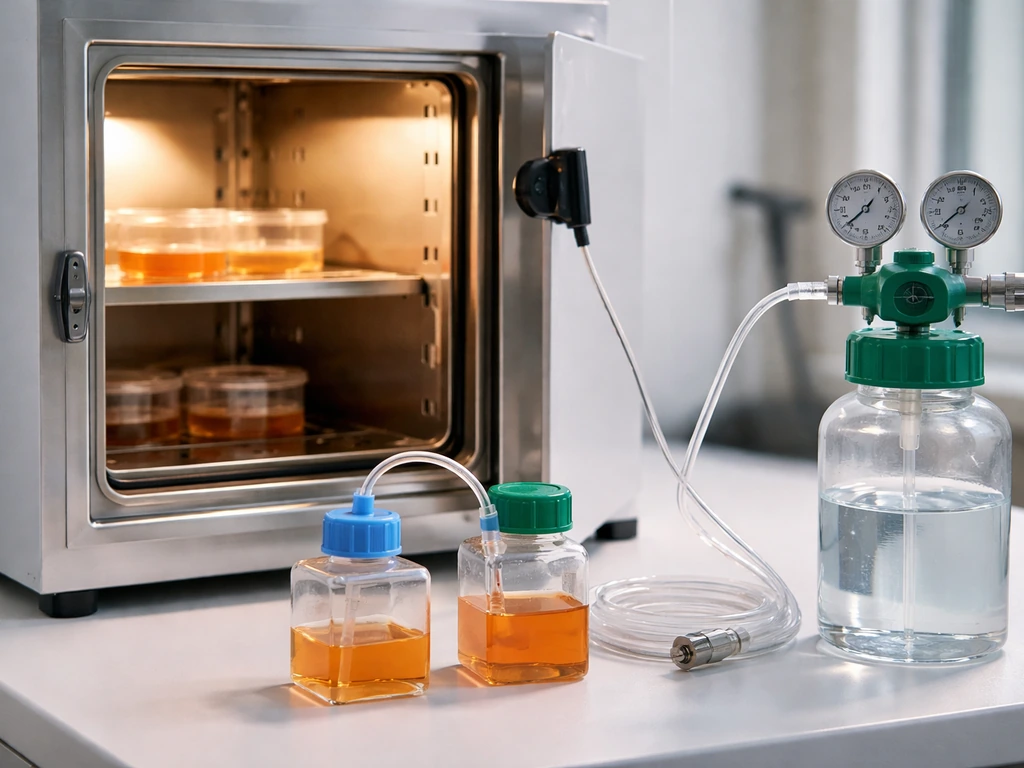
Focusing only on pH will get you into trouble. In practice, bacterial growth is controlled by the combined effect of multiple conditions at once. This is called the hurdle concept in food safety: stack enough limiting factors together and you reliably prevent growth even if no single factor alone would be enough.
Temperature is the big one. A one controlled study on Listeria monocytogenes showed that the minimum permissible pH for growth was 4.45, but only across a temperature range of 4 to 30°C. Change the temperature, and the pH limit shifts. Most pathogen growth tables show pH ranges measured at near-optimal temperatures. At refrigeration temperatures, the effective minimum pH for growth is often higher (more permissive) than the value listed for room temperature.
Water activity (a_w) is equally critical. The FDA's definition of a low-acid canned food specifies both pH above 4.6 and water activity above 0.85. That pairing is deliberate: a product with reduced water activity below 0.85 may not support Clostridium botulinum growth regardless of pH. Reducing water activity through drying, salting, or adding humectants adds an independent layer of control.
- Temperature: lower temperatures slow growth even at otherwise permissive pH levels; combine cold storage with acidification for stronger control
- Water activity (a_w): values below 0.85 can stop botulinum growth independent of pH; combined limits are used in most preservation calculations
- Oxygen availability: anaerobes like Clostridium botulinum need low-oxygen conditions; aerating or packaging appropriately adds another hurdle
- Nutrient availability: minimal nutrient media or foods with limited available nutrients slow growth even at optimal pH and temperature
- Competing microflora: in fermented foods, acid-producing bacteria like Lactobacillus outcompete pathogens partly by lowering pH and partly by consuming nutrients and producing antimicrobial compounds like bacteriocins
This multi-factor view is also why questions like 'can bacteria grow in acidic food' or 'do food-poisoning bacteria grow in acidic environments' require a more detailed answer than a simple yes or no. Food poisoning bacteria can still survive at low pH, but they generally cannot grow well below about 4. 6 to 5 depending on the organism and conditions food poisoning bacteria can not grow below 20 f.
Yeast is also affected by pH, so its growth depends on whether the environment is more acidic or more alkaline yeast growth in acidic or alkaline environments. That is why the statement food poisoning bacteria are unlikely to grow in acidic foods is only true for growth, not for survival food-poisoning bacteria grow in acidic environments. Do bacteria grow well in food that is highly acidic depends on the specific bacteria and the other growth conditions highly acidic food.
Highly acidic foods (pH below 4. 6) with high water activity are still generally safe from botulinum, but may support acid-tolerant organisms like Lactobacillus or, under certain conditions, even Salmonella or E. coli at the margins of their tolerance ranges.
How to actually check pH and growth conditions for your situation
If you are working in food production, preservation, or a lab setting and need to verify that your pH is controlling bacterial growth, here is how to approach it practically.
- Identify your target organism: look up its confirmed minimum and maximum growth pH from a reliable source (FDA Bad Bug Book, EURL pathogen pages, peer-reviewed challenge study literature). Do not rely on a single number; look for the range and note whether it was measured in broth, in a food matrix, or in the specific medium relevant to your use case.
- Measure finished equilibrium pH, not just the pH of the added acid: if you are making an acidified food, the equilibrium pH is what counts after the acid has fully distributed through the product. Use a calibrated pH meter with a food-appropriate electrode, not pH strips, for anything safety-critical.
- Account for temperature and water activity together: if your product sits at room temperature, your pH target needs to be more conservative than a refrigerated product. Combine the FDA's pH 4.6 threshold with water activity data if you are assessing botulinum risk.
- If your bacteria are not a standard pathogen (for example, if you are working with an environmental isolate or a strain with unusual acid tolerance), run a challenge study or review strain-specific literature. Strain-level differences in acid tolerance can be significant, especially for E. coli and Salmonella.
- For food safety validation, consult process authority guidance or a food scientist if you are developing a new acidified or fermented product. The FDA and USDA both have resources specifically for small processors. A challenge study with inoculated product is the gold standard for novel formulations.
- For lab work, calibrate your growth media or buffered solutions before inoculation, and monitor pH drift during incubation if you are working near an organism's minimum or maximum tolerance. Many bacteria acidify their own media during growth, which can push conditions outside the intended range.
If you are a health-conscious consumer trying to understand whether a fermented or acidic food is safe, the practical takeaway is this: foods with a pH at or below 4.6 (vinegar pickles, properly acidified salsa, most fermented vegetables) are considered inhospitable to Clostridium botulinum and most common foodborne pathogens under normal storage conditions. The risk increases when products are not fully acidified, when water activity is high, and when temperature control is absent. Home canners and small producers should always verify finished pH with a calibrated meter, not rely on the amount of acid added.
Understanding where your specific bacteria sits on the pH spectrum, and what other conditions are present, is what gives you real control. Acid alone is a powerful tool, but it works best when you know exactly how much pH shift you need, which organism you are targeting, and what the rest of the environment looks like.
FAQ
If a food is acidic (pH 4.0 to 4.6), does that guarantee bacteria cannot grow at all?
No. pH below 4.6 strongly limits Clostridium botulinum, but other bacteria, especially acid-tolerant species like Lactobacillus, can still grow or remain active. You also need to consider temperature and water activity, because those can make growth possible even when pH is low.
Why does pH “cut off” at 4.6 for botulism, but other bacteria still survive or grow below it?
The 4.6 value is tied to one specific organism’s growth limit, mainly botulinum. Different bacteria have different minimum, optimum, and maximum pH ranges. So a single regulatory cutoff is not a universal rule for all bacteria.
Can bacteria survive in very acidic foods even if they cannot grow?
Yes. A key distinction is survival versus replication. Acid-tolerant pathogens may remain viable for some time at low pH, then resume growth if they later encounter conditions that become more permissive, such as higher pH, warmer temperatures, or available nutrients.
How can temperature affect the “minimum pH” for bacterial growth?
Minimum growth pH is often measured at specific temperatures, typically near an organism’s more favorable range. If the food is stored colder (for example, refrigeration), growth may be slower or the effective minimum pH can shift, meaning the same pH value may behave differently across storage temperatures.
What’s the most common mistake when using pH to control microbes in home or small production?
Relying on the amount or type of acid added rather than verifying the finished equilibrium pH. Foods can buffer acids, and pH may not reach target levels throughout the product. Measuring the finished pH with a calibrated meter is usually the safer approach.
Do acidic conditions also affect yeast and molds the same way bacteria are affected?
Not exactly. Yeast and molds have different pH preferences and tolerance ranges than bacteria, so an acidic environment can still allow them to grow depending on whether the pH is closer to their preferred range and on water activity.
If a product is below pH 4.6 but has high water activity, is it automatically safe from botulism?
It depends. Regulatory logic for botulism control uses both pH and water activity. If a low-pH product also has water activity high enough to support botulinum physiology, other controls may still be needed, and safety guidance should follow the appropriate process for that product type.
Does “acidic” mean the same thing as “low pH” when it comes to microbial growth?
Acidic generally means below neutral, but microbial viability depends on the exact pH number and the surrounding conditions. Two foods can both be “acidic” to a person, yet one might be near pH 6 and another near pH 3, which changes the likely organisms you will find.
Can harmful bacteria grow in fermented foods like yogurt, sauerkraut, or sourdough?
They are generally less likely to grow well if fermentation reaches and maintains sufficiently low pH, but it is not an absolute guarantee. If fermentation is incomplete, temperature control is poor, or salt and water activity conditions are off, acid-tolerant organisms could persist or grow near the edges of their tolerance.
Why do people say to use the “hurdle concept” instead of pH alone?
Because bacteria respond to the combined environment. Even if pH is low, growth can still occur when other factors are favorable, such as warmer temperatures and higher water activity. Combining hurdles (pH, temperature, water activity, and sometimes salt or preservatives) provides more reliable control.
Next Article
At Which pH Value Will an Acidophile Grow Best?
Find an acidophile’s best growth pH, usually pH 2–3, and learn how to test and control it accurately.