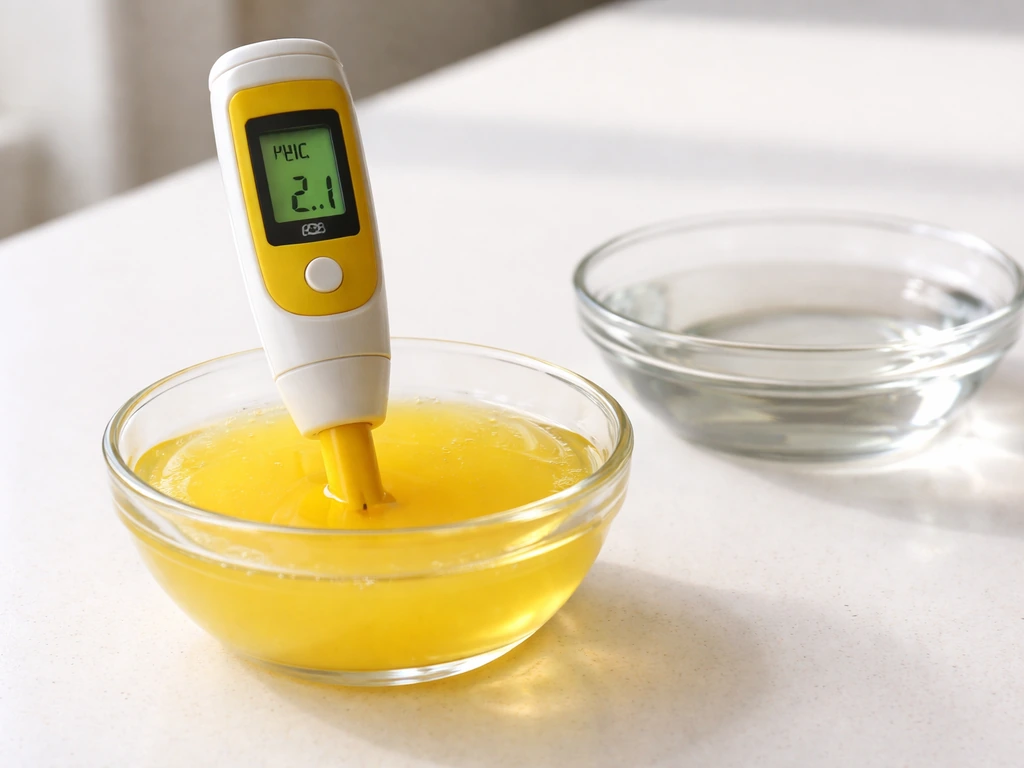
For a true acidophile, the best growth pH is typically somewhere between pH 2 and 3. That is the short answer. Extreme acidophiles, the most acid-loving organisms, have growth optima below pH 3, while moderate acidophiles peak between pH 3 and 5. If you are working with a specific strain, those numbers can shift, but pH 2 to 3 is the target range to start with for most extreme acidophiles.
At Which pH Value Will an Acidophile Grow Best?

Marcus Reeves
17 Apr 2026
What counts as an acidophile (and why it matters for your pH target)
The word 'acidophile' gets used loosely, and that causes real confusion when you are trying to pick a growth pH. There is a meaningful difference between a true acidophile and an acid-tolerant organism, and that difference changes your entire experimental or practical approach.
True acidophiles are organisms whose growth optimum actually falls in the acid range. They do not just survive low pH, they actively grow best there. Extreme acidophiles have optima below pH 3. Moderate acidophiles have optima between pH 3 and 5. These definitions come from large-scale comparisons of acidophilic archaea and are widely used in the literature, though there is no single universally agreed cutoff that separates 'acidophile' from 'neutralophile.'
Acid-tolerant organisms are different. They grow best somewhere near neutral pH (around 6 to 7) but can survive and sometimes grow at lower pH values. If you ask what pH gives an acid-tolerant bacterium its best growth, the answer is usually close to neutral, not pH 2 or 3. The confusion between these two categories is one of the most common reasons people end up targeting the wrong pH for an experiment or a food preservation decision. Whether bacteria grow well in acidic environments depends entirely on this classification.
Mechanistically, extreme acidophiles maintain a large transmembrane pH gradient: the outside environment is highly acidic, but the internal cytoplasm is kept near neutral. This internal homeostasis is what lets them function at external pH values that would kill most organisms. Their physiology is built around managing that gradient, which is why their growth optimum is genuinely at very low pH rather than merely tolerating it.
How to find the right pH for a specific organism
Published pH optima are a starting point, not a guarantee. Reported values vary by strain, growth medium, temperature, and the method used to measure 'best growth.' For example, blank" rel="noopener noreferrer">Thiobacillus caldus isolates KU and BC13 were characterized with a pH optimum of 2 to 2.5 at an optimum temperature of 45°C. A different organism, the marine thermoacidophile Aciduliprofundum boonei, grows optimally at 70°C and an external pH between 4. Wikipedia describes Aciduliprofundum boonei as an obligate thermoacidophile with an optimum growth pH zone of 4.2 to 4.8, with growth reported at about pH 3.3 to 5.8 Aciduliprofundum boonei, grows optimally at 70°C and an external pH between 4.. 2 and 4.8. Same category, very different targets.
The practical way to determine the correct pH for your specific strain is to run a growth curve across a range of pH values under your actual conditions. Set up replicate cultures at pH increments (for example, pH 1.5, 2.0, 2.5, 3.0, 3.5, 4.0) and measure growth rate or yield at each. The pH that produces the highest specific growth rate is your optimum. A continuous culture study of Leptospirillum ferrooxidans did exactly this, varying pH from 1.10 to 1.70 and identifying pH 1.30 as the condition giving the greatest measured maximum growth rate. That kind of systematic approach gives you an organism-specific answer rather than a textbook estimate.
When searching the literature for starting values, check whether the reported optimum was measured under growth conditions similar to yours (same temperature, same carbon or energy source, similar ionic conditions). A number pulled from a study done at a very different temperature or in a different medium may not transfer reliably to your setup.
Setting up a growth experiment to confirm pH optimum
Getting the pH right in practice requires more than just setting a dial. Here are the steps that actually matter.
Calibrate your pH meter correctly
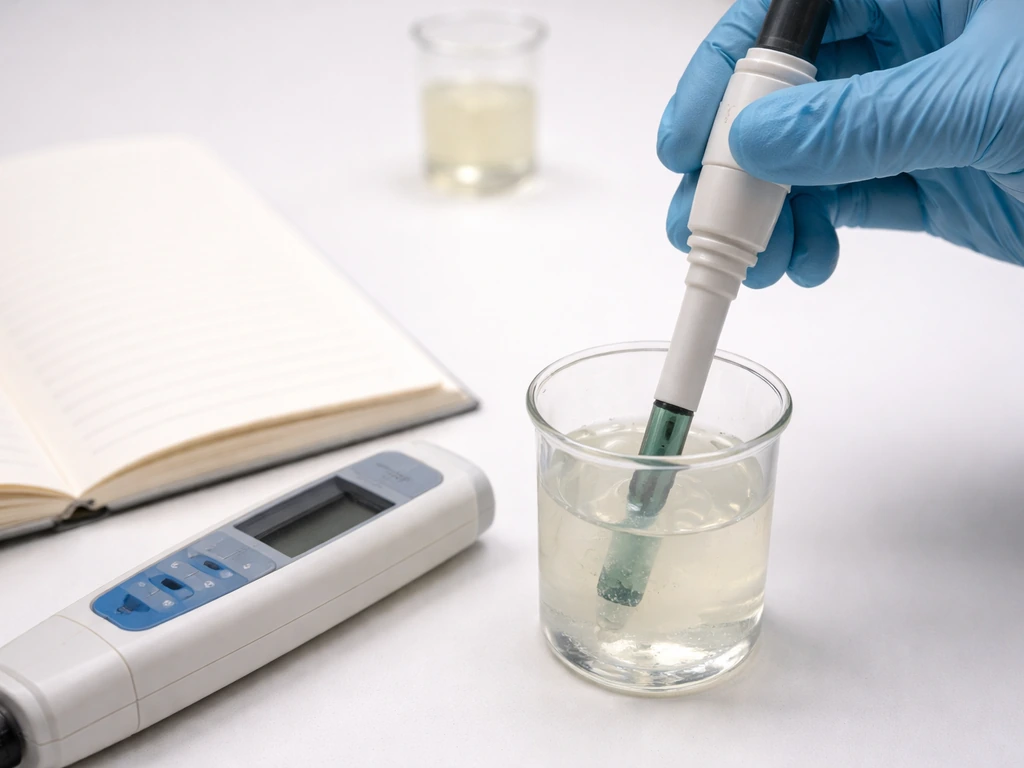
Use a two-point calibration. Start with a pH 6.86 or 7.0 buffer to set the electrode zero point, then use a pH 4.01 buffer as the second calibration point when you are measuring in the acidic range. Most modern lab meters use Automatic Temperature Compensation (ATC), which adjusts for the fact that electrode output varies with temperature. Always calibrate at a temperature close to your measurement conditions, and re-calibrate if there is a significant temperature difference between your calibration buffers and your culture samples. Skipping temperature compensation is one of the most reliable ways to end up with an inaccurate pH reading.
Choose and apply buffers carefully
Metabolically active acidophiles produce or consume acids during growth, and that shifts pH over time. If your medium does not have enough buffer capacity to absorb that metabolic acid or base production, the actual pH during growth can drift substantially from your nominal setpoint. This is not a small effect: one fermentation study documented significant pH drift in submerged fermentation setups, showing that initial conditions can change meaningfully as culture proceeds.
Buffer selection is a tradeoff. You need enough capacity to maintain pH, but some buffers inhibit growth or alter physiology at the concentrations needed for adequate capacity. If you find that high buffer concentrations affect your growth results, consider using a pH-stat system (automated acid or base addition to maintain setpoint) instead of relying purely on chemical buffers. Chemostat steady-state experiments are another option that reduces pH drift artifacts in unbuffered or lightly buffered media.
Verify pH during and after growth, not just at the start
Measure pH at inoculation, at mid-growth, and at the end of the experiment. If the pH has drifted more than 0.3 to 0.5 units from your target, your 'pH X' experiment has not actually been run at pH X for most of its duration. That makes it very hard to interpret results or compare across conditions.
Other factors that shift the observed pH optimum
pH is the most obvious variable, but it does not act alone. The same organism can show a different apparent pH optimum depending on the other conditions in play.
- Temperature: Growth optima for pH and temperature interact. An organism may perform best at pH 2 only when temperature is also at its optimum. Run both parameters at their stated optima before concluding anything about one in isolation.
- Ionic strength and dissolved solutes: This one surprises people. In bioleaching isolate studies, organisms showed growth optima over specific conductivity ranges (for example, 24 to 46 mS/cm), meaning ionic conditions independently affect observed performance. High sulfate or metal concentrations common in acid mine drainage environments, for instance, can shift or narrow the effective pH window.
- Nutrient and energy source: Acidophiles with different energy metabolisms (sulfur oxidizers vs. iron oxidizers vs. heterotrophs) have different physiological requirements that interact with pH. The electron acceptor and carbon source in your medium can shift where the peak growth rate falls.
- Oxygen availability: Aerobic vs. anaerobic conditions change metabolic pathways and therefore the acid or base production that feeds back into pH. Confirm whether your organism requires oxygen and whether your vessel supports adequate gas exchange.
- Acid type and buffer capacity of the medium: Not all acids are equivalent at the same pH. Organic acids (acetic, lactic) can penetrate membranes in their undissociated form, which is more inhibitory than inorganic acid at the same nominal pH value. This matters for interpretation and for food safety applications.
What this means for food safety and pH-based preservation
Most foodborne pathogens are neutrophiles or mild acid-tolerants, not true acidophiles. Their growth is reliably inhibited well above pH 3. Standard food safety guidance lists minimum pH values for growth of common pathogens: Salmonella, Listeria monocytogenes, E. coli O157:H7, and Staphylococcus aureus all have minimum pH thresholds generally above pH 4, and their growth optima sit near neutral. Acidifying foods below pH 4.6 is the standard target for inhibiting Clostridium botulinum toxin production and most other pathogens of concern. Why food poisoning bacteria are unlikely to grow in acidic foods comes down to this pH gap between their minimum and the acid environment you are creating.
That said, pH control is not foolproof. Whether bacteria grow well in highly acidic food depends on more than just the pH reading on the label. Food matrices provide nutrients, buffering capacity, and structure that can protect bacteria against acid stress. Studies on cheese, for example, have documented that S. aureus and other pathogens can grow in certain cheese formulations at pH values that would inhibit them in liquid medium. The fat content, protein matrix, and water activity all interact with pH to determine actual pathogen risk.
True acidophiles are not a major food safety concern in typical food systems because those systems do not provide the extremely low pH and specific nutrient conditions acidophiles require to outcompete other organisms. However, some acid-tolerant spoilage organisms (certain yeasts and molds) do thrive in acidic foods, which is a separate problem from acidophile growth. Whether yeast grows in acidic or alkaline environments is a practically important question for fermented or acidified foods, since yeast spoilage can occur at pH values well below the pathogen inhibition threshold.
It is also worth noting that whether Candida grows in acidic or alkaline conditions is a relevant consideration in certain fermented food systems and in clinical food safety contexts, since Candida species can tolerate a range of pH conditions and are not inhibited the same way bacteria are.
pH control in food preservation also cannot protect against all hazards when temperature abuse occurs. The conditions under which food poisoning bacteria cannot grow below 20°F illustrates how temperature and pH work as complementary barriers, and relying on only one hurdle is riskier than combining multiple inhibitory factors.
Comparing extreme and moderate acidophiles at a glance
| Category | Growth pH Optimum | Example Organisms | Food Safety Relevance |
|---|---|---|---|
| Extreme acidophile | Below pH 3 (often pH 1.5–2.5) | Leptospirillum ferrooxidans, Thiobacillus caldus | Minimal in food systems; associated with acid mine drainage, bioleaching |
| Moderate acidophile | pH 3–5 | Aciduliprofundum boonei (pH 4.2–4.8 optimum), some thermoacidophilic archaea | Rare in food contexts; relevant in very acidic fermented products |
| Acid-tolerant (not true acidophile) | pH 5–7 optimum, can survive lower | Lactobacillus spp., many spoilage yeasts, Candida spp. | Relevant in fermented foods, acidified products; not inhibited by mild acidification alone |
| Neutrophile pathogen | pH 6–7.5 optimum, minimum often pH 4–4.6 | Salmonella, Listeria, E. coli O157:H7, S. aureus | Primary food safety concern; inhibited by standard acidification below pH 4.6 |
When your results do not match expectations: troubleshooting
If you set the pH to the published optimum and growth is poor, or if you see growth where you expect inhibition, work through these common causes before changing your organism or medium.
- pH drift during culture: Measure pH at the end of the run. If it has shifted by more than 0.5 units, your effective growth condition was not what you intended. Increase buffer capacity or switch to active pH control.
- Electrode calibration error: Recalibrate with fresh buffers and check temperature compensation. A poorly maintained electrode can give readings that are off by a full pH unit in the acidic range.
- Wrong acid type: If you acidified with an organic acid instead of sulfuric or hydrochloric acid (or vice versa), the inhibitory effect at the same pH can differ substantially due to undissociated acid membrane permeation.
- Temperature mismatch: Confirm that growth temperature is also at optimum. A true acidophile grown at a suboptimal temperature may show poor growth even at its ideal pH.
- Ionic strength or toxic solute effects: If your medium has high concentrations of sulfate, heavy metals, or other solutes common in acidophile habitats, check whether those concentrations are appropriate for your isolate. Too high or too low can suppress growth independent of pH.
- Medium buffering masking pH effects: If you used a very high buffer concentration to maintain pH, the buffer itself may be inhibitory. Test growth in a lower-buffer or buffer-free condition (with active pH control) to separate the effects.
- Inoculum pH shock: Transferring an acidophile from a culture at one pH directly into medium at a very different pH can cause lag extension or death before growth recovers. Adapt the inoculum stepwise to the target pH.
One broader point worth keeping in mind: whether bacteria need neutral acidity to grow is a question that highlights how different categories of microorganisms have fundamentally different pH requirements. Assuming all bacteria behave like neutralophiles is the root cause of most misinterpretations in both lab experiments and food safety decisions. Match your pH target to the organism category first, then refine from there.
FAQ
At which pH value will an acidophile grow best if I only know the term “acidophile” from a paper?
Start with the extreme-acidophile guess (around pH 2 to 3), but confirm whether the organism is truly an acidophile or just acid-tolerant. The fastest way to avoid wasted work is to check the reported pH optimum range plus the category, then run a short pH grid under your exact temperature and medium.
What pH range should I test if I do a growth curve but the literature says “optimum at pH 2 to 3”?
Test across at least 1 to 2 pH units on both sides of the reported optimum (for example, pH 1.5 to 4.0). This helps catch strain-to-strain shifts and also reveals cases where your buffer system or ionic strength changes the apparent optimum.
If my culture is set to pH 2.5 at inoculation, why might I still see poor growth?
Two common causes are pH drift (metabolism overwhelms buffer capacity) and calibration error at low pH. Verify actual pH at mid-growth, and confirm electrode calibration temperature matches your measurement temperature, ideally using the acidic calibration buffer appropriate for your range.
How do I tell whether my results reflect the target pH or just my medium’s buffering behavior?
Measure pH repeatedly (inoculation, mid-growth, end) and compare drift to your decision threshold. If pH moves more than about 0.3 to 0.5 units from the setpoint, the experiment is effectively being run at a different pH for much of the growth period.
Does the “best growth pH” depend on temperature, and should I control temperature during calibration and growth testing?
Yes. Both electrode readings and microbial physiology shift with temperature. Calibrate at a temperature close to the culture temperature, then run the pH series at the same temperature to avoid mixing two effects.
Can choosing a strong buffer solve pH drift problems, or can it cause artifacts?
It can go either way. Higher buffering capacity reduces drift, but some buffers or high concentrations can inhibit growth or alter metabolism. If growth changes when you increase buffer strength, consider switching to a pH-stat system (automated acid/base addition) or use steadier continuous-culture conditions.
If an organism is described as “moderate acidophile,” what pH should I target experimentally?
A typical starting point is pH 3 to 5, then narrow in with a pH grid around where you see the highest specific growth rate. Even within that category, optima can differ a lot with energy source and medium chemistry, so plan on at least a few adjacent pH points.
For food preservation, does “acidophile best at very low pH” mean acidification below pH 4.6 is always safe?
Not automatically. Many pathogens are acid-tolerant rather than true acidophiles, and they have minimum growth pH thresholds that are often still well above pH 3. Also, food matrices can protect microbes against acid stress, so the safe design target should follow hurdle principles, not only pH of a liquid test.
Why do some experiments report different “pH optima” for the same species?
Published optima can vary by strain, growth medium composition, ionic conditions, and the method used to define “best” (for example, growth rate versus final yield). Replicate your measurement with the same growth medium and energy source, or expect that the optimum will shift.
What if I observe growth at pH where I expected an acidophile to be inhibited, does that mean my pH is wrong?
It can, but not always. First confirm pH accuracy and drift. Then consider categorization errors, such as the organism being acid-tolerant instead of a true acidophile, or the presence of protective matrix components (in food-like systems) that change effective stress.
In pH-stat or chemostat setups, what’s the practical advantage for determining the real optimum?
They reduce the confounding effect of metabolic pH drift in unbuffered or lightly buffered media. That makes it easier to attribute changes in growth rate to pH itself rather than to a shifting environment over time.
Next Article
Do Bacteria Grow Well in Highly Acidic Food? pH Rules
Learn how pH affects bacterial growth in highly acidic foods, including exceptions and key safety factors beyond acidity