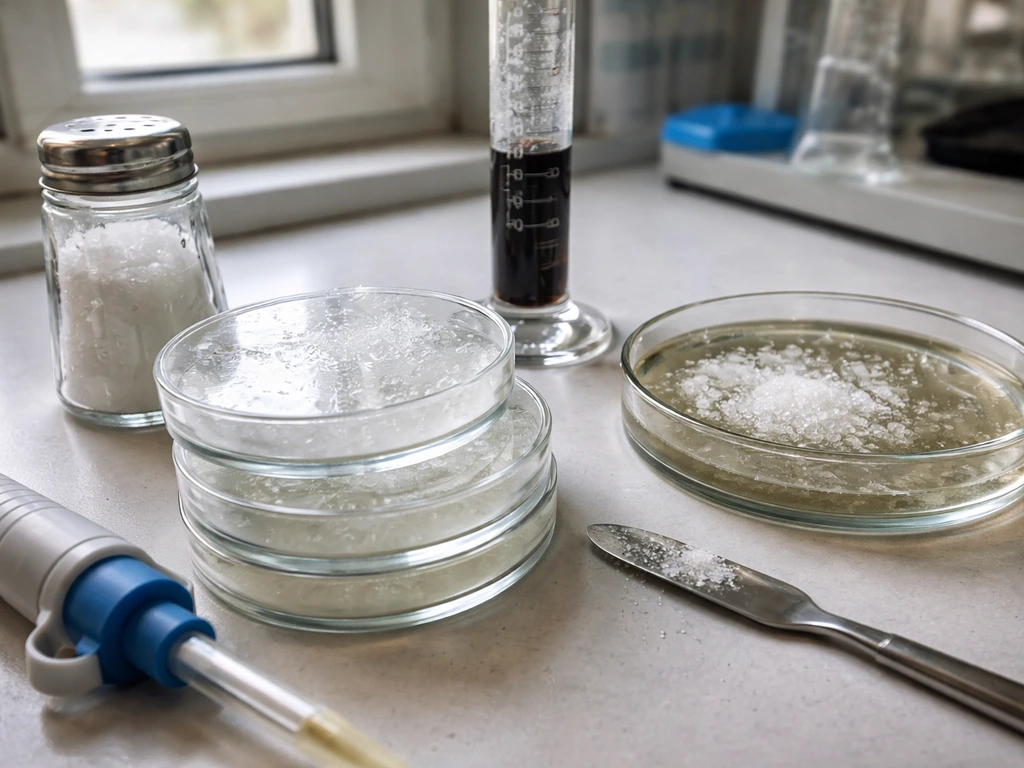
Yes, some bacteria can genuinely grow and multiply in cold temperatures, including inside your refrigerator. The short answer: a few specific bacteria, most notably Listeria monocytogenes and Yersinia enterocolitica, are capable of multiplying at temperatures as low as just below freezing. In a standard fridge set to 40 °F (4 °C), these organisms don't just survive, they slowly reproduce. A freezer is a different story. True freezing stops bacterial growth entirely, but it does not kill most bacteria. They go dormant and come back to life when food thaws. That distinction between growth and survival is the most important thing to understand here.
Which Bacteria Can Grow in Cold Temperatures and Why

Marcus Reeves
24 Mar 2026
Growth vs. Survival: These Are Not the Same Thing
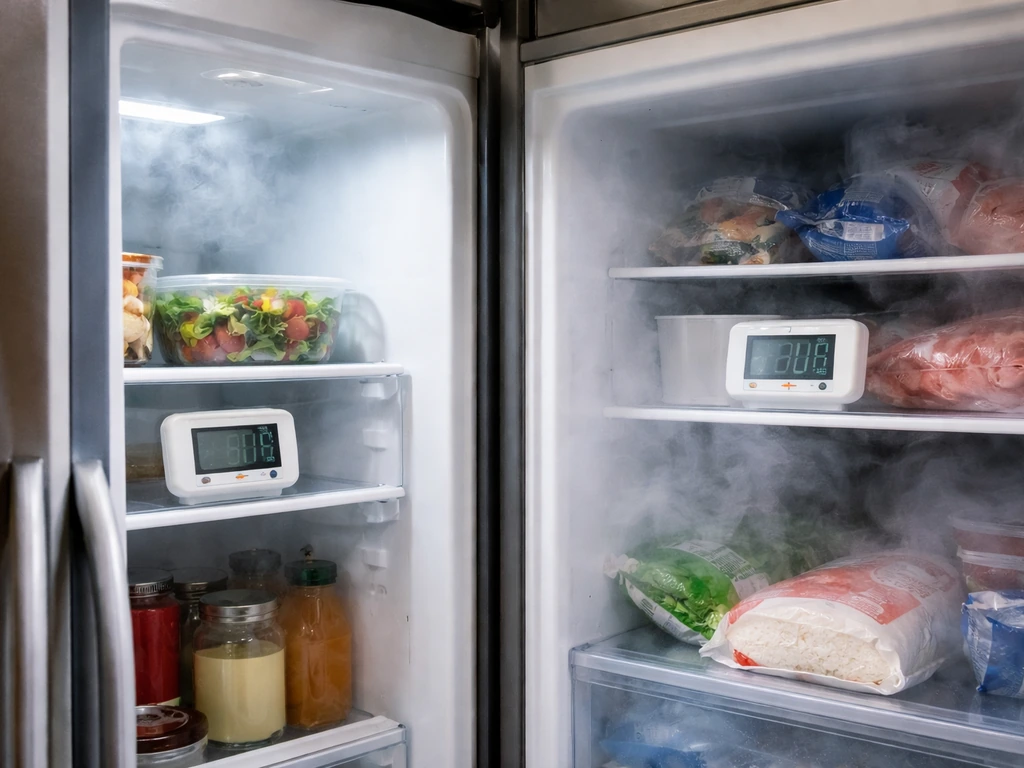
When people ask whether bacteria can grow in cold temperatures, they often mean two different things without realizing it. Growth means the bacteria are actively reproducing, their population is increasing. Survival means the bacteria are still alive but not multiplying. Cold temperatures affect these two things very differently, and mixing them up leads to a lot of food safety confusion.
In a freezer running at 0 °F (about −18 °C), bacteria do not grow. The USDA is clear on this: In a freezer running at 0 °F (about −18 °C), bacteria do not grow. The USDA is clear on this: freezing prevents the growth of microorganisms that cause spoilage and foodborne illness. But freezing is not sterilization. Most bacteria survive the freeze in a dormant state. Once the food thaws and temperatures rise, they pick up right where they left off.. But freezing is not sterilization. Most bacteria survive the freeze in a dormant state. Once the food thaws and temperatures rise, they pick up right where they left off.
A refrigerator is a completely different environment from a freezer. At 40 °F (4 °C) or even slightly colder, a handful of bacteria can and do multiply, just more slowly than they would at room temperature. That slow growth is exactly what makes certain refrigerated foods a real hazard if they sit for too long or if the fridge temperature creeps above 40 °F.
The Temperature Ranges That Actually Matter
Microbiologists classify bacteria by the temperature range they prefer. For cold-temperature growth, three terms come up: psychrophiles, psychrotrophs, and psychrotolerant bacteria. If you're looking for the specific temperatures where bacteria can grow, these categories break it down clearly. bacteria can grow in temperatures between These aren't interchangeable, and the differences matter practically.
Psychrophiles
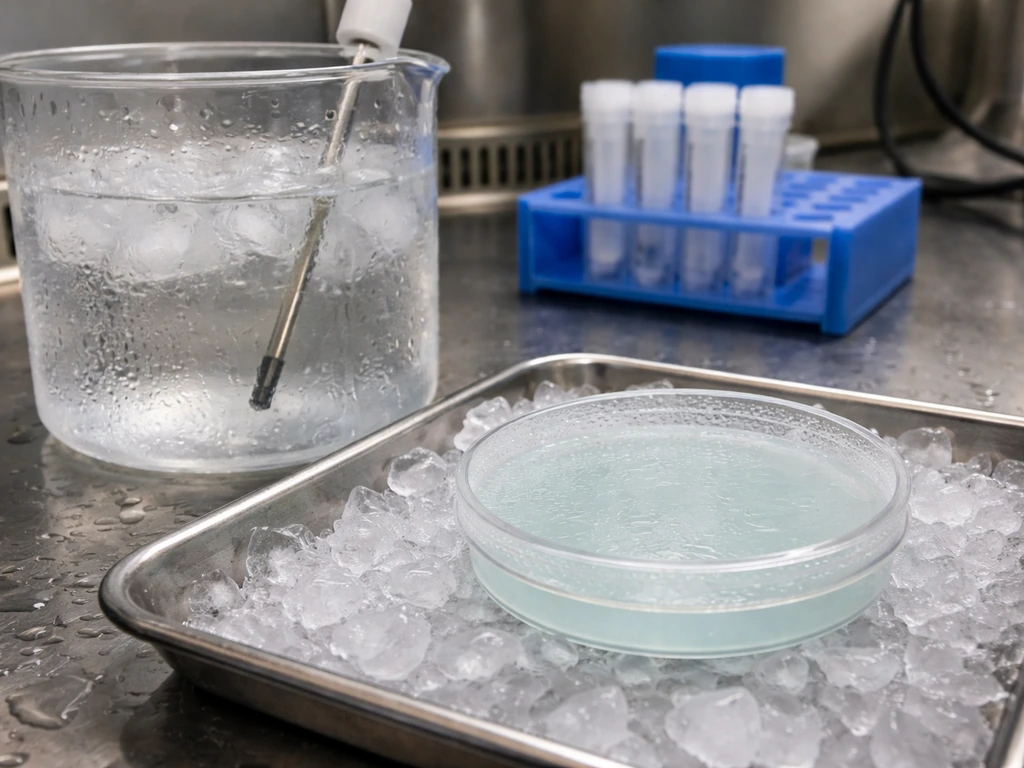
True psychrophiles are bacteria that thrive at very cold temperatures, typically between −20 °C and 10 °C, with an optimal growth temperature around 15 °C or lower. These are mostly environmental organisms found in polar soils, deep ocean water, and glaciers. They're rarely the foodborne pathogens you'd worry about in a home kitchen, but they matter in industrial cold-chain environments.
Psychrotrophs
Psychrotrophs are the category that matters most for food safety. These bacteria prefer warmer temperatures (often 20–30 °C is their optimal range) but can still multiply at refrigeration temperatures, sometimes as low as around 7 °C, and in some cases even lower. Listeria monocytogenes and Yersinia enterocolitica are the most important food-safety examples. Psychrotrophic variants of Bacillus cereus and species of Aeromonas and Pseudomonas also fall into this group.
Psychrotolerant Bacteria
Psychrotolerant bacteria can tolerate cold and survive it well, but their growth at refrigeration temperatures is minimal or very slow compared to psychrotrophs. Many common spoilage organisms fall here. They won't make you dangerously sick at cold temperatures, but they contribute to food going off in the fridge over time.
| Category | Optimal Growth Temp | Minimum Growth Temp | Can Grow in a Fridge? | Food Safety Relevance |
|---|---|---|---|---|
| Psychrophile | ~15 °C or lower | −20 °C | Yes, readily | Low (mostly environmental) |
| Psychrotroph | ~20–30 °C | ~−1 to 7 °C | Yes, slowly | High (key food pathogens) |
| Psychrotolerant | ~20–25 °C | ~5–10 °C | Minimally | Moderate (spoilage) |
| Mesophile | ~30–40 °C | ~10–15 °C | Generally no | High (most pathogens, but not cold-active) |
Can Bacteria Grow in a Freezer or Frozen Food?
The direct answer is no. At true freezer temperatures (0 °F / −18 °C), bacterial growth stops completely. The water inside the food is locked into ice crystals, and without liquid water, bacterial metabolism cannot proceed. The USDA confirms that freezing prevents growth, full stop. This is why frozen food doesn't spoil in the way refrigerated food does. will a thermotropic organism grow in the direction of heat
However, the word 'frozen' hides a lot of nuance. If food still has ice crystals but isn't completely solid, parts of it may be sitting in the temperature range where psychrotrophic bacteria can start multiplying. This is a real concern during partial thawing, during refreezing cycles if food warms up first, or in a freezer that isn't maintaining proper temperature. The USDA notes that food with ice crystals can still be considered for refreezing or use depending on how cold it has remained, which implies there's a threshold where microbial activity can resume.
Listeria monocytogenes is a useful example here. Listeria monocytogenes is a useful example here. Research shows it can grow at temperatures as low as −0.4 °C, meaning it can begin multiplying just barely above the freezing point of water. At −18 °C (a standard freezer), it survives but does not grow. That's the clear line between growth and survival in practice., meaning it can begin multiplying just barely above the freezing point of water. At −18 °C (a standard freezer), it survives but does not grow. That's the clear line between growth and survival in practice.
The Bacteria You Actually Need to Know About
Several bacteria are well-documented for their ability to grow in cold food environments. These are the ones that make refrigeration insufficient as a complete safety control.
Listeria monocytogenes
This is the most important cold-temperature pathogen in food safety. The USDA and FDA both confirm that Listeria can grow and multiply in properly refrigerated food. It can grow at temperatures as low as −0. A laboratory maintenance review notes that [Listeria monocytogenes can grow over a wide temperature window, roughly from about 0°C to 45°C](https://pmc.
ncbi. nlm. nih. gov/articles/PMC3920655/).
4 °C and has been documented growing in seafood, deli meats, soft cheeses, and ready-to-eat vegetables stored at normal refrigeration temperatures. Seafood safety guidance operationalizes Listeria risk across a temperature window of roughly −0. 4 to 10 °C (about 31. 3 to 50 °F), showing growth can happen across the entire refrigeration range.
To make things more complicated, individual strains vary: some Listeria isolates grow noticeably faster at 4 °C than others, so the hazard isn't uniform across all contamination events.
Yersinia enterocolitica
Yersinia enterocolitica is a psychrotrophic pathogen with a documented minimum growth temperature around −1.3 °C. Its optimal growth range is about 22–28 °C, but it multiplies at refrigeration temperatures. Research has shown populations increasing significantly in packaged food stored at 4 °C: from roughly 500 bacteria per gram on day zero to around 10,000 per gram by day five at refrigeration temperature. It can also survive in cold water, including spring water stored at 4 °C. Yersinia is commonly associated with raw or undercooked pork, contaminated water, and unpasteurized dairy.
Bacillus cereus (Psychrotrophic Strains)
Most B. cereus strains are mesophilic, meaning they grow best at room temperature or warmer. But psychrotrophic variants exist and have been documented growing at temperatures as low as 2 °C. Research has confirmed presumptive B. cereus growth at 4, 7, and 10 °C during refrigerator storage. This makes psychrotrophic B. cereus a genuine concern in refrigerated cooked foods like rice, pasta, and dairy products.
Aeromonas Species
Aeromonas hydrophila and related species are psychrotrophic and have been documented growing at 4 °C in chilled foods. They are associated with fish, shellfish, and other aquatic food products. Their growth potential at refrigeration temperatures is tempered by other factors like salt concentration and pH, but under typical chilled seafood conditions, they can be a relevant hazard.
Pseudomonas and Other Spoilage Psychrotrophs
Pseudomonas species are classic cold-storage spoilage organisms. They multiply readily in refrigeration conditions and are a primary reason refrigerated meat, fish, and produce eventually go off. They're less of a direct pathogen concern for most healthy people, but their presence in airborne form around cold storage environments contributes to cross-contamination. Other psychrotrophic genera commonly detected in refrigerator environments include Acinetobacter, Klebsiella, Lactobacillus, and even some Clostridium and Escherichia variants, though their cold-growth activity varies significantly by strain and conditions.
Cold Growth vs. Heat Growth: How These Bacteria Compare
It's worth stepping back and comparing cold-growing bacteria to the more familiar It's worth stepping back and comparing cold-growing bacteria to the more familiar warm-temperature pathogens. Understanding this contrast helps explain why refrigeration works well against most bacteria but not all of them.. Understanding this contrast helps explain why refrigeration works well against most bacteria but not all of them.
| Bacteria | Optimal Temp | Grows in Fridge (≤4 °C)? | Grows at Room Temp? | Grows in Freezer? |
|---|---|---|---|---|
| Listeria monocytogenes | ~30–37 °C | Yes (down to −0.4 °C) | Yes | No |
| Yersinia enterocolitica | ~22–28 °C | Yes (down to ~−1.3 °C) | Yes | No |
| Psychrotrophic B. cereus strains | ~20–30 °C | Yes (down to ~2 °C) | Yes | No |
| Aeromonas hydrophila | ~28 °C | Yes (at 4 °C) | Yes | No |
| Salmonella spp. | ~35–37 °C | No (growth stops below ~5–7 °C) | Yes | No |
| E. coli O157:H7 | ~35–40 °C | Very limited (growth minimal below 8 °C) | Yes | No |
| Campylobacter spp. | ~42–43 °C | No | Limited | No |
| Pseudomonas spp. | ~25–30 °C | Yes (active spoilage at 4 °C) | Yes | No |
The key takeaway from this comparison: refrigeration is highly effective against most pathogens like Salmonella, Campylobacter, and typical E. coli strains. Their growth drops off sharply below 5–8 °C. But refrigeration does not stop Listeria, Yersinia, or psychrotrophic strains of B. cereus and Aeromonas. For these organisms, refrigeration slows growth considerably compared to room temperature, but it doesn't halt it. This is why shelf life and temperature monitoring still matter even in a properly refrigerated environment. If you want to read more about how mesophilic pathogens like Salmonella behave at their preferred temperatures, the article on mesophiles grow best at covers that side of the spectrum in detail.
What This Means for Food Storage, Thawing, and Contamination Prevention
Understanding which bacteria grow in cold doesn't help unless it translates into practical steps. Here's how to apply this directly.
Keep Your Refrigerator at or Below 40 °F (4 °C)
The FDA recommends 40 °F (4 °C) or below for refrigerator storage, and this isn't arbitrary. The FDA advises keeping the refrigerator at 40 °F (4 °C) or below for food safety 40 °F (4 °C) or below for refrigerator storage. It's the temperature at which most psychrotrophic pathogens grow very slowly. Even a few degrees above that threshold meaningfully accelerates their growth rate. Use a refrigerator thermometer. Fridge displays and built-in dials are often inaccurate. Place the thermometer in the warmest part of the fridge (usually the door or the top shelf) to get the real picture.
Respect Refrigerator Shelf Life, Especially for Ready-to-Eat Foods
Listeria doesn't need a mistake to become a problem. It just needs time in a refrigerated environment. Ready-to-eat foods, deli meats, soft cheeses, smoked fish, and pre-cut produce are the highest-risk categories because they require no further cooking before consumption. Keep these foods for the shortest practical time and follow recommended use-by dates seriously, not just as suggestions.
Don't Leave Perishables Out Too Long
The FDA and USDA both set a two-hour limit for perishable food at room temperature, dropping to one hour if the ambient temperature is above 90 °F. This rule exists because most pathogens, including mesophilic ones that can't grow in the fridge, grow rapidly between 40 °F and 140 °F. Getting food back into cold storage quickly limits the window for all bacteria, not just the cold-active ones.
Thaw Food Safely
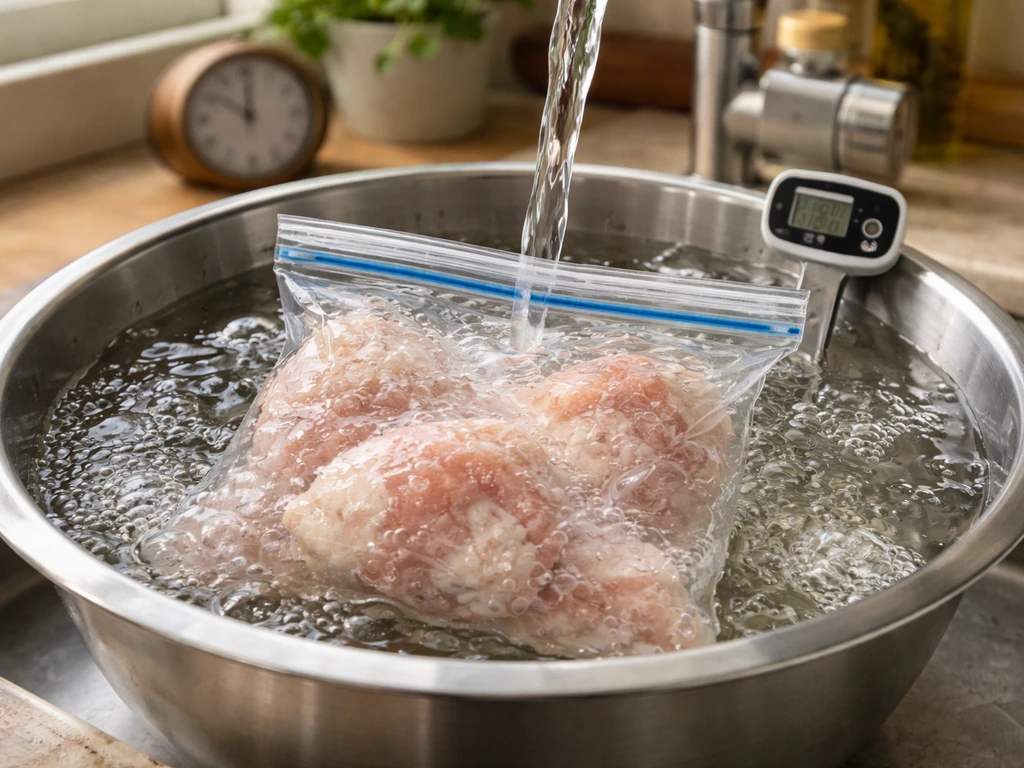
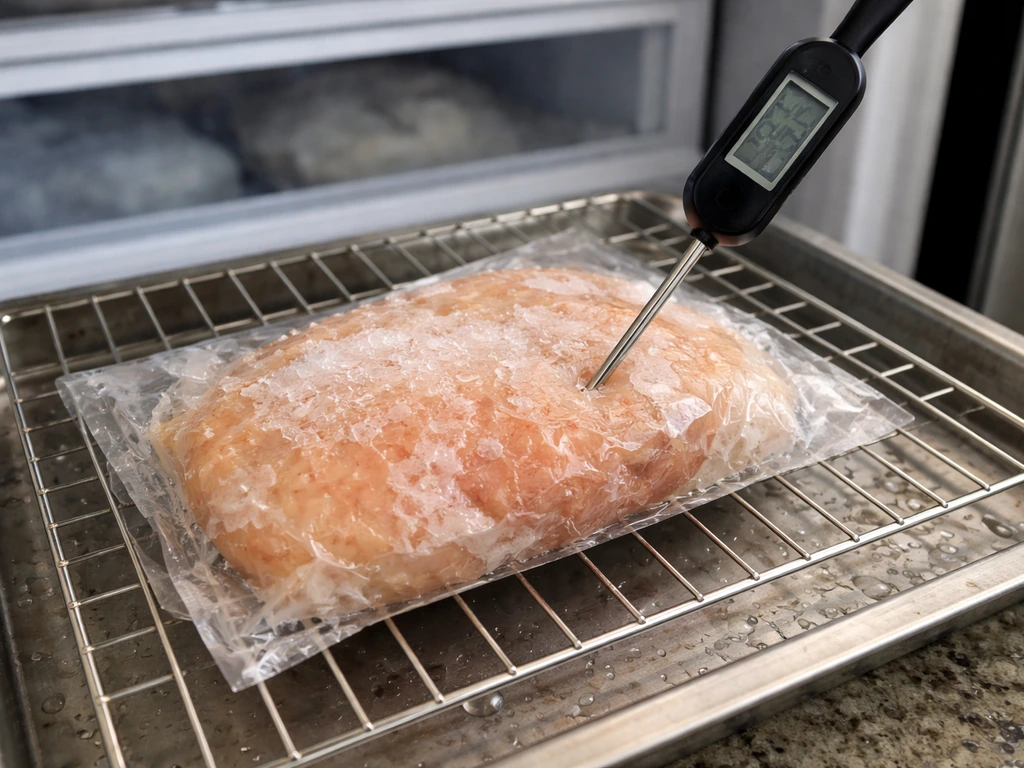
The USDA recommends three safe thawing methods: in the refrigerator, in cold water (in a sealed bag, changed every 30 minutes), or in the microwave if you're cooking immediately afterward. The reason thawing method matters is exactly the point of this article: as food warms up from frozen, it passes through the temperature range where psychrotrophic bacteria can begin to grow. Thawing on the counter at room temperature means the outer layers of the food spend significant time in the bacterial growth zone even while the center is still frozen. Thawing on the counter at room temperature means the outer layers of the food spend significant time in the bacterial growth zone even while the center is still frozen.
Prevent Cross-Contamination in the Fridge
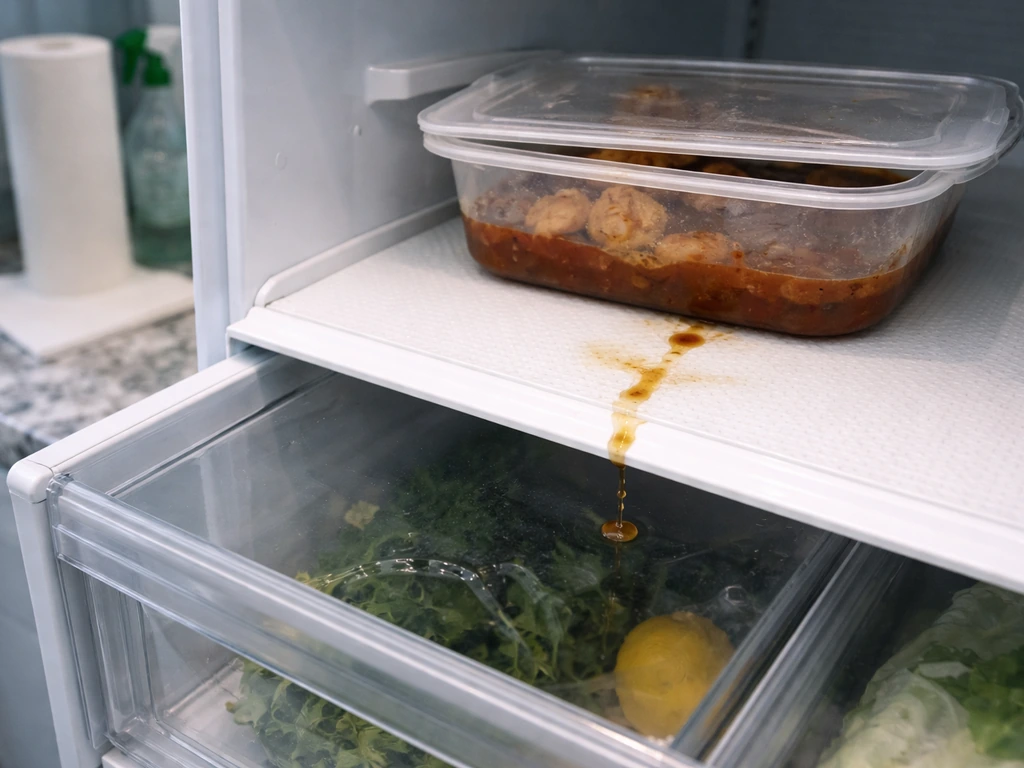
Listeria in particular can contaminate refrigerator surfaces, shelves, and drawers and persist there. It can spread from contaminated food to other foods via drips, shared surfaces, or hands. Store raw meat and fish on the lowest shelves in sealed containers. Clean refrigerator shelves and drawers regularly, especially if you store a lot of deli items, soft cheeses, or ready-to-eat products.
Understand What Your Freezer Actually Does
A freezer at 0 °F (−18 °C) stops all bacterial growth. It doesn't eliminate bacteria. When you thaw frozen food, whatever bacteria were present before freezing will resume activity. This is why freezing contaminated food doesn't make it safe. It just pauses the problem. Cook food to proper internal temperatures after thawing to actually eliminate pathogens, particularly for the cold-tolerant ones that survived the freeze.
- Set your refrigerator to 40 °F (4 °C) or below and verify with an appliance thermometer.
- Limit refrigerated storage time for ready-to-eat foods, deli meats, soft cheeses, and smoked fish.
- Return perishables to cold storage within two hours of being at room temperature (one hour above 90 °F).
- Thaw frozen food in the refrigerator, in cold water changed every 30 minutes, or in the microwave before cooking immediately.
- Store raw meat and poultry on the lowest fridge shelf in sealed containers to prevent drip contamination.
- Clean refrigerator shelves and drawers regularly, especially in compartments where ready-to-eat foods are stored.
- Remember that freezing pauses bacterial activity but doesn't kill bacteria: cook thawed food to safe internal temperatures.
FAQ
If bacteria can grow in the fridge, does that mean all refrigerated food is unsafe?
No, but the risk is timing and temperature abuse. If the product ever spends time in the fridge warmer than 40 °F (4 °C), cold-growing bacteria can increase even though it is “refrigerated.” Using a thermometer in the warmest zone helps you catch a slow drift that food displays often miss.
Can cold-growing bacteria multiply in food that is only partly thawed?
Yes, partially thawed food can become a problem because the outer layers reach temperatures where psychrotrophs can start multiplying, even if the center is still frozen. After refreezing, the bacteria are not destroyed, they may already have increased during the thaw period.
If freezing stops growth, do I need to worry about bacteria after I thaw food?
Generally no, freezing at 0 °F (−18 °C) stops growth, but bacteria can survive and resume when thawed. The practical decision is to treat thawed food like potentially contaminated, then cook to safe internal temperatures if it is meant to be cooked (or discard if it is ready-to-eat and you cannot control prior time).
Do cold-growing bacteria matter more for ready-to-eat foods than for foods I plan to cook?
They can, if growth conditions are met. “Ready-to-eat” foods are high risk not because cooking is absent, but because any contamination that occurs can grow during refrigeration. Listeria is the classic example, especially in deli meats, soft cheeses, smoked seafood, and pre-cut produce that get minimal or no further cooking before eating.
Where should I place a refrigerator thermometer to know the real temperature?
Refrigerators with separate temperature zones are common, and the door is often the warmest, plus it warms each time it is opened. Put your fridge thermometer on the top shelf or in the door area, and check that the warm spot stays at or below 40 °F (4 °C) during normal use.
Can Listeria and other cold-tolerant bacteria spread around my refrigerator?
Yes, because cold-active bacteria can spread after contamination. You can reduce transfer by storing raw meat and fish on the lowest shelf in sealed containers, separating them from ready-to-eat foods, and cleaning high-touch storage areas where drips collect.
If Listeria can grow at refrigerator temperatures, why does risk seem inconsistent from one package to another?
Yes, because strain differences change growth rate, especially for Listeria. That means two packages with the same “use-by” date can have different risk levels depending on how much contamination was introduced and how long temperature conditions were favorable.
How can I tell if cold-growing bacteria are present in refrigerated food?
Don’t rely on “smell” or “slimy” cues. Cold-growing bacteria and psychrotrophic spoilage organisms can be present before obvious spoilage, and pathogens like Listeria may not cause detectable changes at low growth levels.
What thawing mistake most often increases the risk from cold-growing bacteria?
No, discarding time-based rules and “good enough” thawing habits are the common mistake. For the safest outcome, thaw in the refrigerator, or in cold water with frequent water changes, or microwave only if you cook immediately afterward, so the surface does not linger in the growth temperature zone.
Can cold-growing bacteria be a concern in leftovers like rice or pasta?
Yes, for example, leaving cooked rice, pasta, or dairy dishes in the fridge too long can allow psychrotrophic B. cereus variants to grow slowly. Portioning food into shallow containers helps it cool faster after cooking, and tightening fridge time reduces multiplication opportunities.
Next Article
A Halophile Would Grow Best in High Salt Conditions
A halophile grows best in high salt, typically high NaCl conditions, where salt lowers water activity enough to support