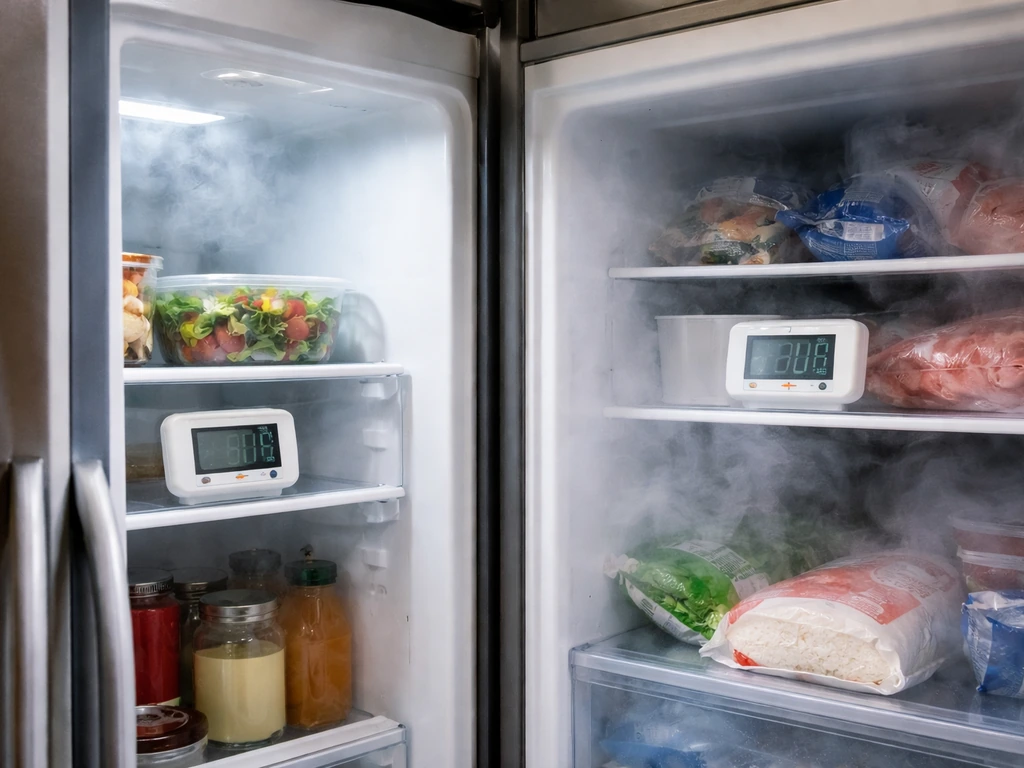
Microorganisms that grow best in warm, moist places are overwhelmingly mesophiles: bacteria, yeasts, and molds that thrive at moderate temperatures and need freely available water to reproduce. The FDA’s Bad Bug Book (2nd edition PDF) is an FDA resource that describes foodborne pathogens and related food safety considerations. Most of the pathogens and spoilage organisms you encounter in everyday life, from Salmonella on a cutting board to mold on damp grout, fall squarely into this category. Understanding exactly why these conditions favor microbial growth lets you make smarter decisions about food storage, kitchen hygiene, and household cleaning.
Microorganisms That Grow Best in Warm, Moist Places

Marcus Reeves
3 Apr 2026
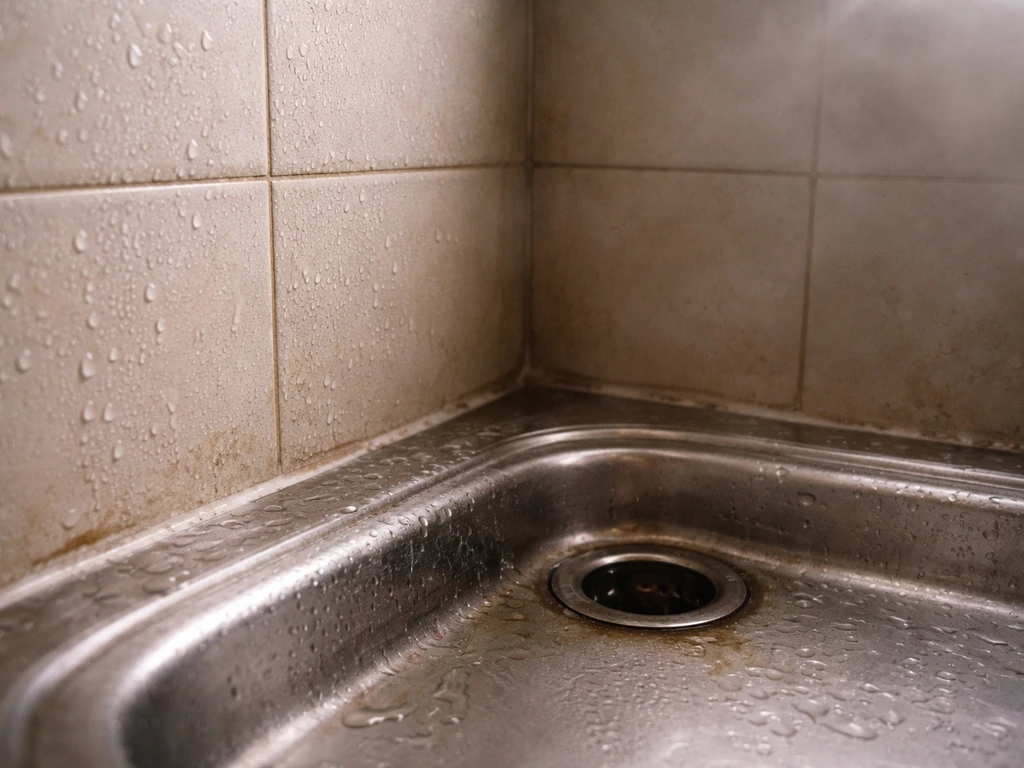
What 'warm and moist' actually means to a microorganism
When microbiologists say 'warm,' they typically mean a temperature range of roughly 20–45°C (68–113°F), with many bacteria reaching their fastest growth rate around 30–37°C. That range overlaps almost perfectly with room temperature, the human body, and the inside of a poorly managed refrigerator that has been left open too long. The FDA defines the food safety 'danger zone' as 41°F (5°C) to 135°F (57°C), and that window captures the sweet spot where most mesophilic pathogens and spoilage organisms multiply most aggressively.
'Moist' has a precise scientific meaning too: water activity (aw), which expresses how much water is actually available for microbial use. Pure water has an aw of 1.0, and most fresh foods sit above 0.95, which is more than enough to support rapid growth of bacteria, yeasts, and molds. The FDA puts it plainly: an aw of 0.80 means water vapor pressure is 80% of pure water at the same temperature, and at values above roughly 0.95, virtually all common microorganisms can grow freely. The takeaway is that any surface or food that feels damp probably has an aw high enough to support microbial colonization.
Core growth requirements: temperature, moisture, and pH
Temperature and water activity are the two biggest levers, but pH matters a lot too. Most harmful bacteria prefer a near-neutral pH, somewhere between about 6.0 and 7.5. Staphylococcus aureus, for example, has an optimal growth pH around 6.0–7.0 and a reported minimum near 4.0. Listeria monocytogenes can survive at a wider pH range and is notably dangerous because it can also grow under refrigeration, though its growth rate slows considerably at low temperatures.
The USDA flags a particularly risky combination: low-acid foods (pH above 4.5) with a water activity greater than about 0.86. Below pH 4.4 or below a_w of 0.86, many pathogens either stop growing or grow so slowly that they pose far less risk. This is the science behind why acidic foods like vinegar pickles and properly fermented products resist spoilage without refrigeration, and why drying or salting food has been used as a preservation method for centuries.
Oxygen availability adds another layer of complexity. Most bacteria you encounter in kitchens and bathrooms are aerobic or facultatively anaerobic, meaning they grow readily in the presence of oxygen but some can survive without it. Yeasts and molds are obligate aerobes; they need oxygen to grow. Molds can tolerate a remarkably wide pH range (roughly 2 to above 9) and can persist at water activity as low as about 0.75, which is considerably lower than the threshold where most bacteria stop growing. That is why you see mold on foods that bacteria have already quit colonizing.
Which microorganisms actually thrive in these conditions
Pathogens
Human pathogens are almost by definition mesophiles, because they evolved to infect warm-blooded hosts. Mesophiles grow best at temperatures that align with the human body, which is exactly why organisms like Salmonella, Escherichia coli O157:H7, Listeria monocytogenes, Staphylococcus aureus, Campylobacter, and Bacillus cereus cause so many foodborne illnesses. Given warm temperatures and available moisture, these organisms can double in population every 20 minutes under ideal conditions.
Norovirus is worth mentioning separately. It is not a bacterium and does not technically 'grow' in the environment the way bacteria do, but it survives extremely well on moist surfaces and can contaminate food through handling. Disinfection guidance from the Virginia Department of Health recommends bleach solutions around 1000 ppm with approximately 5 minutes of contact time on hard non-porous surfaces, and up to 5000 ppm for higher-risk situations. Contaminated food should simply be discarded or thoroughly heated above 140°F.
Spoilage organisms
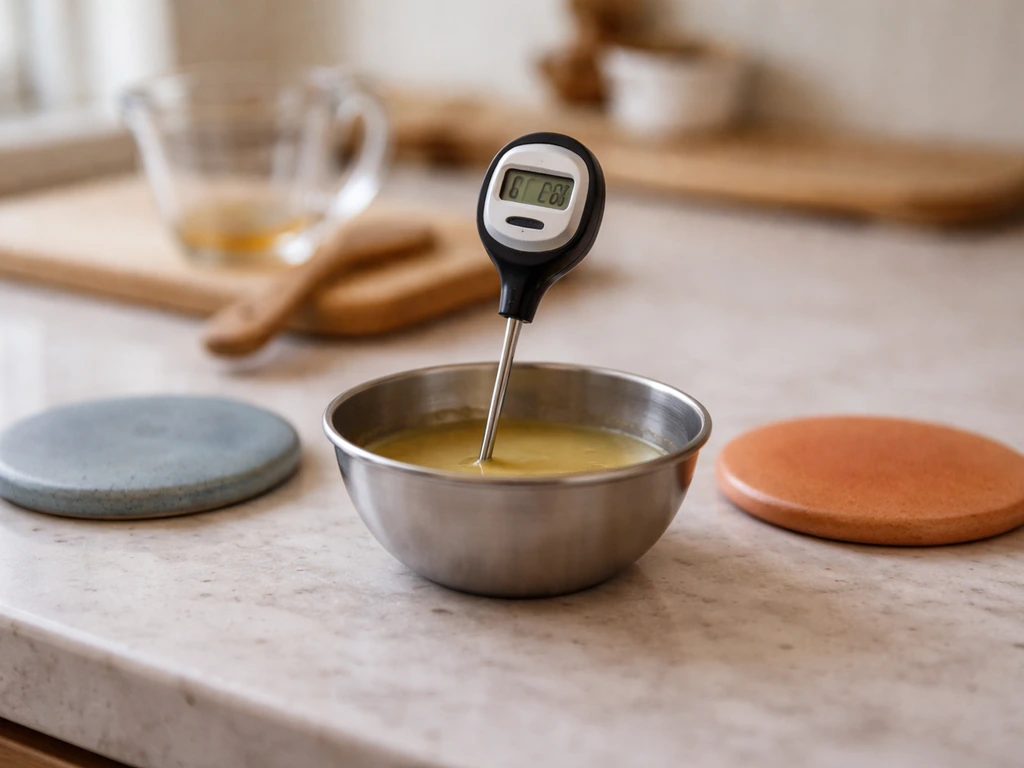
Spoilage bacteria, yeasts, and molds are less dangerous in many cases but cause enormous food waste and can signal conditions that also support pathogen growth. Pseudomonas species are classic spoilage bacteria in refrigerated foods and are notorious for forming biofilms in wet environments. Yeasts cause fermentation and sliminess in high-moisture foods. Molds produce visible growth on bread, cheese, and produce, and some generate mycotoxins that remain even after the mold itself is removed.
Pathogens vs. spoilage: a quick comparison
| Microorganism type | Optimal temperature | Minimum water activity | Main risk |
|---|---|---|---|
| Mesophilic bacteria (e.g., Salmonella, E. coli) | 30–37°C (86–99°F) | ~0.93–0.95 | Foodborne illness |
| Staphylococcus aureus | 35–37°C (95–99°F) | ~0.83 (toxin production needs higher) | Toxin-mediated illness |
| Listeria monocytogenes | 30–37°C (86–99°F, grows slowly at 4°C) | ~0.92 | Serious illness, especially in vulnerable groups |
| Molds (e.g., Aspergillus, Penicillium) | 25–30°C (77–86°F) | ~0.70–0.80 | Spoilage, mycotoxin production |
| Yeasts | 25–35°C (77–95°F) | ~0.87–0.90 | Fermentation, spoilage |
| Pseudomonas aeruginosa | 25–37°C (77–99°F) | ~0.97 | Opportunistic infection, biofilm in drains |
Real-world hotspots: where warm and moist converge
Kitchens
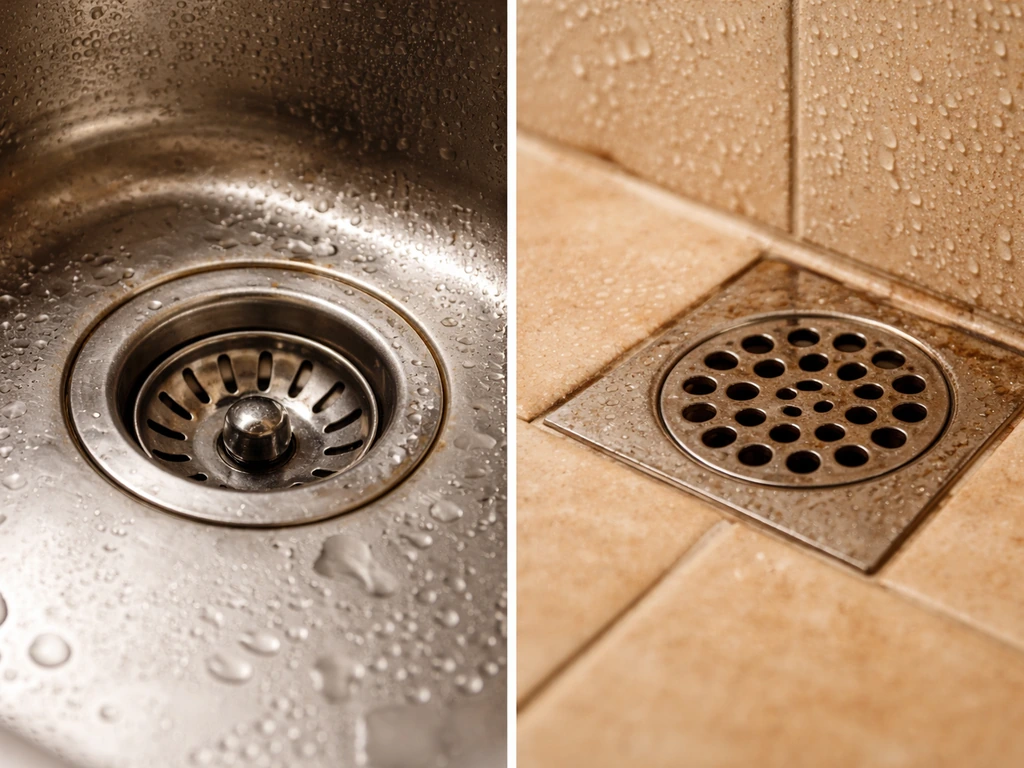
Kitchen sinks and drains are among the most heavily colonized surfaces in the home. Studies of domestic kitchens have identified Pseudomonas aeruginosa, Enterobacteriaceae, and E. coli-type organisms in sink drains and on sponges. Cutting boards that are rinsed but not sanitized remain warm and moist long enough to support rapid bacterial growth. Damp dish cloths are particularly problematic because they combine warmth, moisture, and organic material (food residue) in one convenient microbial habitat. Food held in the 41°F–135°F danger zone, whether it's a pot of soup left on the stove or a plate of chicken sitting at room temperature, creates the same favorable conditions internally.
Bathrooms
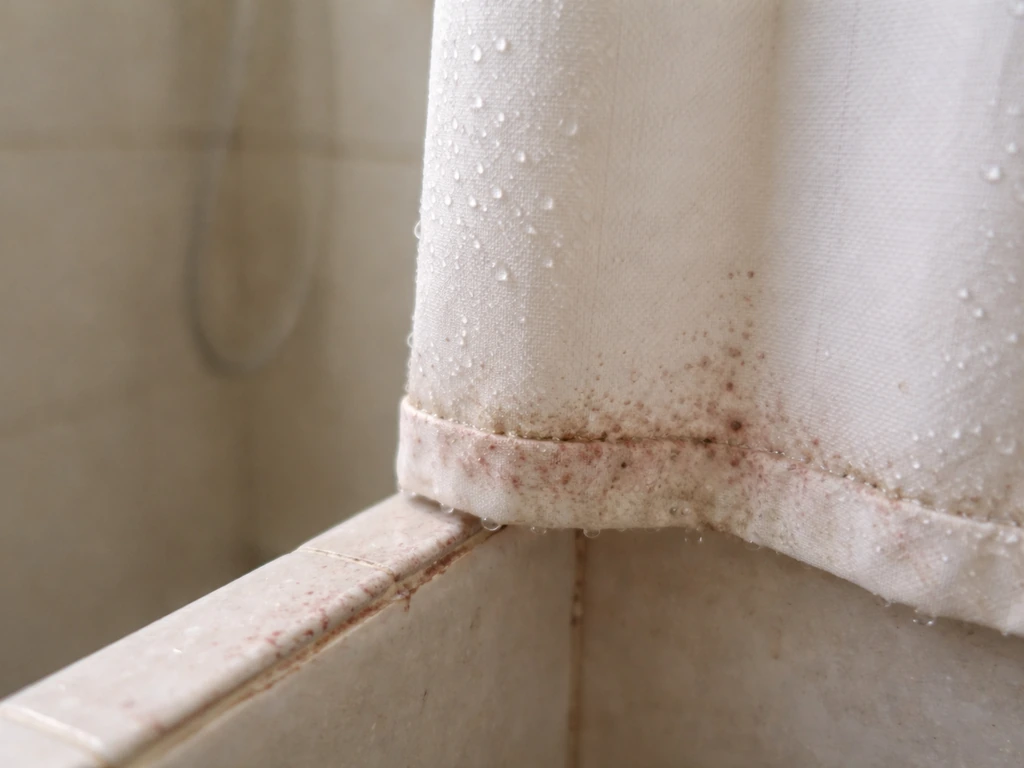
Bathrooms stay warm and humid much of the day. Shower curtains accumulate biofilms containing Sphingomonas and Methylobacterium species, and the 'pink mold' many people notice in showers and around faucets is typically Serratia marcescens, a bacterium that thrives on soap residue and moisture. Hospital research on sink drains has found communities of opportunistic pathogens including Pseudomonas aeruginosa, Acinetobacter, and Stenotrophomonas maltophilia, and while your home bathroom presents lower risk than a hospital ward, the same microbial dynamics apply.
Food holding mistakes
Slow cookers set too low, steam tables that do not hold food at 135°F or above, and cooked food that cools slowly in large containers are all classic food safety failures. The FDA Food Code requires cooked potentially hazardous foods to cool from 135°F to 70°F within 2 hours, and then from 70°F to 41°F within an additional 4 hours (6 hours total). Failing to hit those targets means food spends extended time in the danger zone, which is exactly when mesophilic bacteria multiply fastest.
How to stop microbial growth before it starts
Control temperature
Keep cold foods at 41°F (5°C) or below and hot foods at 135°F (57°C) or above. These thresholds come directly from the FDA Food Code and represent the boundaries outside the danger zone where microbial growth either slows dramatically or stops. Bacteria can grow in temperatures between these limits at rates that matter for food safety, so minimizing time in that range is the single most effective control. Use an accurate food thermometer, not guesswork, especially for large cuts of meat or big batches of leftovers.
Reduce moisture where possible
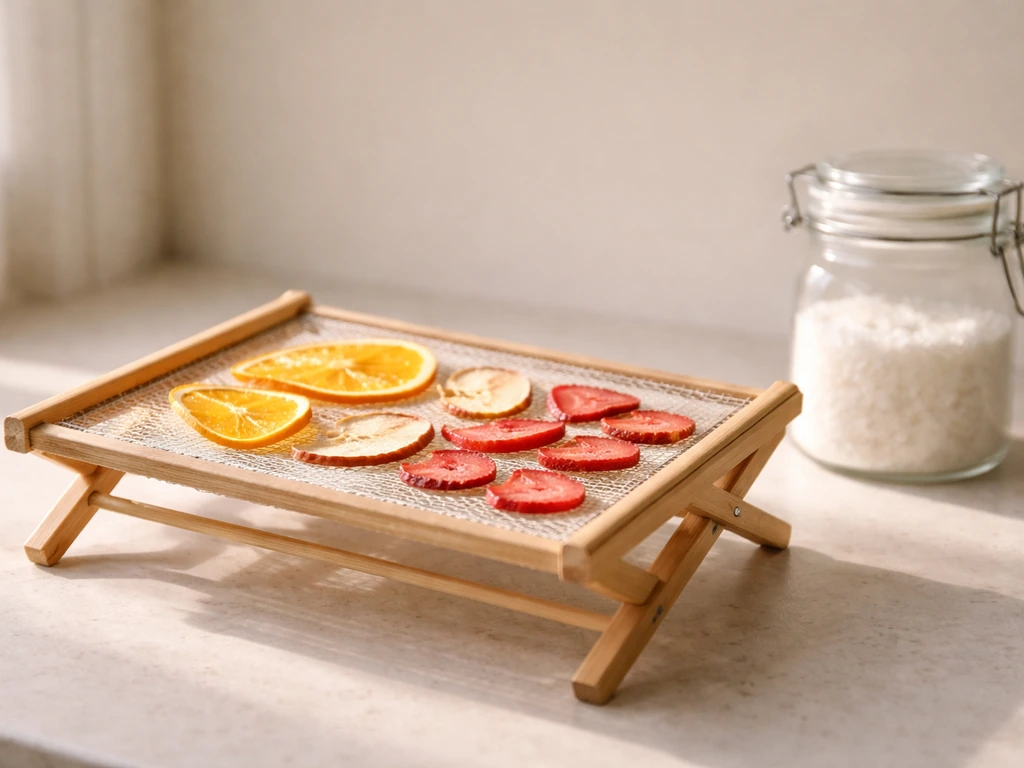
Lowering water activity is one of the oldest food preservation strategies. Drying, salting, and adding sugar all work by pulling water away from microbial cells. In the home, this means drying cutting boards and dish cloths thoroughly rather than leaving them damp, running bathroom fans after showers to reduce humidity, and not leaving wet items sitting in sinks. Even a modest reduction in surface moisture meaningfully slows microbial colonization.
Use pH as a hurdle
Acidic conditions below pH 4.4 prevent growth of most dangerous pathogens. This is why properly made vinegar-based pickles, hot sauces, and fermented foods are shelf-stable without refrigeration. If you are making preserved foods at home, measuring pH with a calibrated meter rather than estimating by taste is the only reliable way to know you have crossed the safety threshold.
Time matters as much as temperature
State food safety guidance is consistent on this point: potentially hazardous foods should spend as little time as possible in the danger zone. The practical rule is the two-hour limit. Any perishable food left at room temperature for more than two hours (or one hour above 90°F) has had enough time for significant bacterial multiplication. When in doubt, throw it out. The cost of discarded food is always lower than the cost of a foodborne illness.
Cleaning and disinfecting contaminated surfaces
Cleaning and disinfecting are not the same thing. Cleaning removes physical dirt and organic matter. Disinfecting kills or inactivates microorganisms on a surface that has already been cleaned. Trying to disinfect a visibly dirty surface is ineffective because organic material blocks the disinfectant from reaching microbial cells. Always clean first, then disinfect.
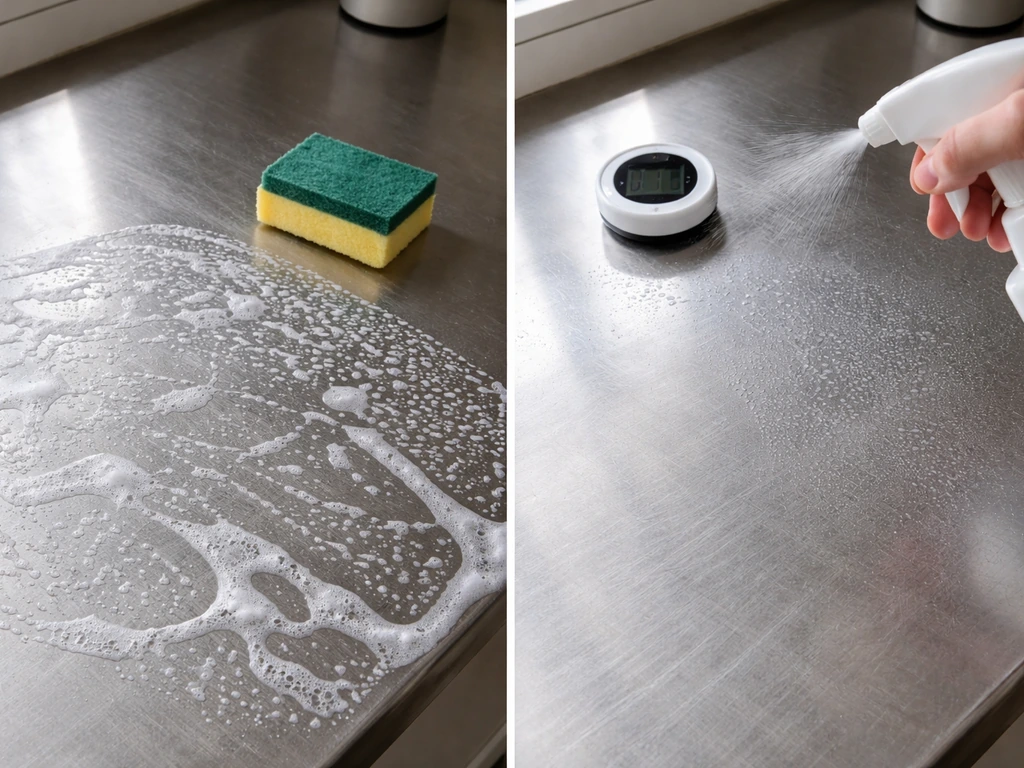
Contact time, or 'dwell time,' is the most commonly overlooked part of disinfection. The EPA is explicit: a disinfectant surface must remain visibly wet for at least the duration specified on the product label. If a label says 10 minutes, the surface needs to stay wet for 10 minutes. Most people spray and wipe immediately, which dramatically reduces effectiveness. For food-contact surfaces, check whether your product requires rinsing after use; the EPA evaluates dietary risk from disinfectant residues on food-contact items, and many labels require a rinse step.
The USDA APHIS disinfection guidance reinforces the same principle: use the product at the correct dilution, apply it with the labeled method, follow safety precautions, and meet the specified contact time, reapplying if the surface dries before the time is up.
What to do if contamination is suspected
- Remove and discard any food that has been in the danger zone for more than two hours or that shows visible signs of spoilage. Do not taste-test to decide.
- Clean the affected surface with soap and water or an appropriate cleaner to remove organic material.
- Apply an EPA-registered disinfectant at the correct dilution and allow it to remain on the surface for the full labeled contact time.
- For norovirus or other viral contamination (e.g., after a vomiting episode), use a bleach solution of at least 1000 ppm and allow at least 5 minutes of contact time on hard non-porous surfaces.
- Rinse food-contact surfaces if the disinfectant label requires it.
- Wash hands thoroughly with soap and water after handling contaminated materials.
Exceptions and nuance worth knowing
Survival vs. growth: they are not the same thing
Stopping growth is not the same as killing a microorganism. Refrigeration slows or halts multiplication for most pathogens, but many bacteria survive perfectly well at 41°F and resume growing the moment temperature rises. Freezing preserves food safely but does not sterilize it. Some organisms, like Listeria monocytogenes, can actually grow (slowly) in the refrigerator, which is why refrigeration alone is not a complete safety guarantee for ready-to-eat foods stored long-term. If you want to understand which organisms can still be active at low temperatures, knowing which bacteria can grow even in cold temperatures is useful background.
Not every microorganism is a mesophile
The article has focused on mesophiles because they are the dominant concern for food safety and household hygiene, but other temperature-preference categories exist. Psychrophiles grow best in warm temperatures is actually a misconception worth clearing up: psychrophiles are cold-loving organisms that prefer temperatures near or below 0°C, so they are the opposite of what warm, moist environments favor. On the other end of the scale, thermophiles prefer very high temperatures (above 45°C), which is why properly maintained hot holding equipment kills rather than supports pathogen growth. Understanding most mesophilic organisms can grow in a temperature range of roughly 20–45°C helps clarify why these organisms dominate the conditions most of us encounter daily.
Oxygen requirements and anaerobic exceptions
Most bacteria associated with warm, moist surface contamination are aerobic or facultative, but some of the most dangerous foodborne pathogens are anaerobic or microaerophilic. Clostridium botulinum, for example, produces its toxin in low-oxygen environments like improperly home-canned foods. Clostridium perfringens thrives in the oxygen-depleted center of large meat roasts held at inadequate temperatures. These organisms still need warmth and moisture, but the oxygen piece means they often strike in settings where surface contamination is not visible and regular inspection would not catch them. Whether a thermotropic organism grows in the direction of heat is a related concept in microbial motility and behavior that helps explain how bacteria actively seek out favorable environments in liquids and biofilms.
Salt tolerance and other environmental adaptations
Some microorganisms are adapted to grow in conditions that would stop most mesophiles. A halophile would grow best in high-salt environments where reduced water activity would normally suppress microbial activity, which is why salting food works as a general preservation strategy but is not foolproof against every organism. Knowing these exceptions matters for anyone designing a preservation process or evaluating an unusual spoilage situation.
Putting it all together
Warm, moist places favor mesophilic microorganisms: mostly bacteria that double fastest between 30–37°C, and yeasts and molds that can tolerate slightly broader conditions. These organisms need available water (a_w above roughly 0.86–0.95 depending on species), a near-neutral pH, and enough time to multiply. The practical controls, keeping food below 41°F or above 135°F, minimizing time in the danger zone, reducing surface moisture, and applying disinfectants correctly, all work by disrupting one or more of these requirements. None of this requires specialized equipment or expertise; it just requires understanding why the rules exist rather than following them blindly.
FAQ
What if the food doesn’t look spoiled, can it still be unsafe if it was in a warm, moist place?
If food smells or looks “fine” but was left warm, you still need to follow the time rule. Many mesophilic pathogens and toxin-producing organisms do not reliably change odor or appearance, and some bacteria can resume growth after cooling if the product was previously held in the danger zone long enough.
Does putting food in the refrigerator fully stop microorganisms that grow best in warm, moist places?
Yes. Refrigeration slows growth, but it does not sterilize. Some organisms linked to warm-moist conditions can survive at refrigerator temperatures, and for ready-to-eat foods they can slowly increase or produce hazards if temperature control is weak (for example, repeated door opening or an underperforming fridge).
Can a food that seems dry or only slightly damp still support microorganisms that prefer warm, moist places?
Water activity is more important than “how wet it looks.” High-sugar and high-salt foods can be moist to the eye yet have lower available water, while very fresh produce with surface water can have high a_w. In practice, use proven preservation methods (acidification, proper salt/sugar levels, drying) rather than eyeballing.
Why does my disinfectant “not seem to work” on sinks or cutting boards?
Disinfectants do best after cleaning. If you wipe first without removing residue, organic matter can block the disinfectant and leave surviving microbes behind. A practical approach is clean with detergent, rinse if needed, then disinfect and keep the surface visibly wet for the label’s full contact time.
What’s the most common mistake when cooling leftovers after cooking?
Cooling strategy matters as much as final temperature. Large containers and deep pans cool slowly, keeping the center in the danger zone long enough for mesophilic growth. Divide portions into shallow containers and use an instant-read thermometer to confirm you hit the required temperature drop within the appropriate timeframe.
Why do kitchen sponges and dish cloths keep causing the same microbial problems even after cleaning?
Yes, especially for items that stay wet. Sponges, dish cloths, and shower areas can accumulate biofilms, which protect microbes from disinfectants. Replace heavily worn sponges regularly and launder or sanitize cloths on a schedule, rather than relying on occasional spray-and-wipe.
How do steam tables or hot holding devices fail even when food is covered?
Steam can cause “warm and moist” zones inside coolers and cabinets if food isn’t managed. For hot-held items, keep them truly hot (above the hot holding threshold) and avoid leaving them covered and unattended where they can dip into the danger zone.
Is acidity alone enough to prevent dangerous growth in homemade pickles or fermented foods?
Not always. Some preservation steps reduce growth, but not all. For example, acidic foods resist many pathogens, but a wrong pH, insufficient acid distribution, or under-processing can still allow growth. If you home-preserve, verify pH with a calibrated meter and follow a tested process for time, temperature, and concentration.
Can I salvage food that was left warm for a while by reheating it thoroughly?
Throwing food away is not the only decision point, but it is the safest default for potentially hazardous foods. If there was a temperature failure, the key is time in the danger zone and whether you can confidently restore safe temperature quickly. When in doubt, discard, because reheating may not address toxins already formed.
What should I check on a disinfectant label to make it actually effective?
Correct dilution and contact time are the two biggest real-world variables. If you spray and wipe immediately, you shorten dwell time below what’s needed. Also confirm the product label indicates it is appropriate for the surface type (non-porous vs. food-contact) and whether you must rinse afterward.
Is it safe to ignore dampness if there’s no visible mold yet?
Warm-moist environments can still be risky even when there is no visible mold. Bacteria can multiply without creating obvious signs, and some molds can leave tiny spores that disperse. Treat dampness quickly and fix the moisture source, not just the symptom.
Next Article
Which Bacteria Can Grow in Cold Temperatures and Why
Learn which bacteria grow in cold temps, how freezer cold differs from growth, and what to do to prevent refrigerated-fo